Most High-Waist Jeans Don't Fit You Right Because They're Designed for a Body Few Have
High-waist jeans promise a flattering fit, yet many struggle with gaping waists or tight hips. The real issue isn’t your body, it’s the way these jeans are designed.
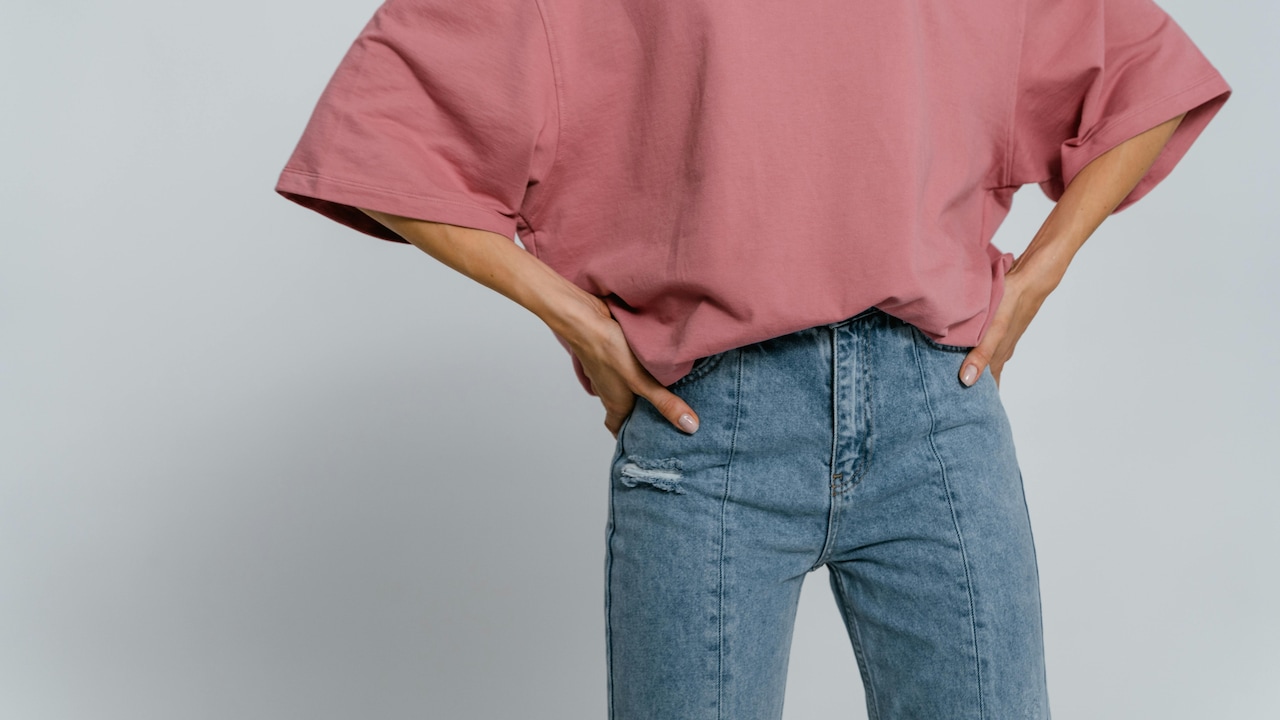
Here's why your favourite high waist jeans may not look right.
High-waist jeans enjoy a reputation as the ultimate wardrobe hero. Fashion magazines celebrate them. Influencers swear by them. Store mannequins wear them with effortless confidence. The promise sounds simple: a higher rise lengthens the legs, defines the waist, and creates a neat silhouette that suits almost everyone.
Reality often feels different.

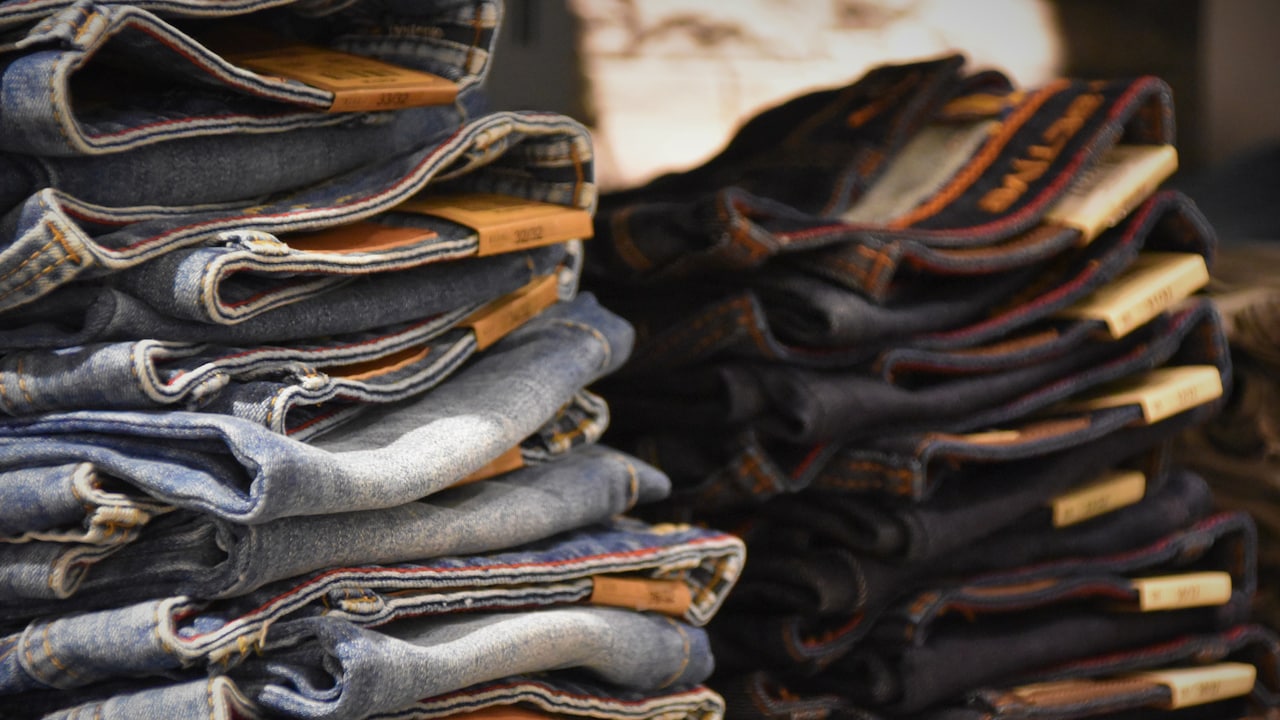
Read why most high waist jeans don't flatter the way they are supposed to; Photo Credit: Pexels
Many shoppers experience the same quiet frustration inside fitting rooms. The waistband sits too tightly, while the hips feel restrictive. Sometimes the back opens into an awkward gap large enough to slide in a phone. In other cases, the jeans climb too high, bunching around the stomach in ways that feel uncomfortable rather than stylish.
This mismatch rarely happens by accident. Most high-waist jeans follow a pattern developed decades ago. That pattern assumes a very particular body proportion: a narrow waist, balanced hips, and a relatively flat midsection. In real life, bodies show far more variation.
Understanding why high-waist jeans often fail to fit properly reveals something larger about fashion design. Clothes often cater to a theoretical body rather than the diverse shapes seen on crowded metro trains, college campuses, and busy markets.
Also Read: Why Mid-Rise Jeans Work Better Than High-Rise in Summer Heat: The Comfort and Breathability Factor
The Real Reasons High-Waist Jeans Rarely Fit As Promised
The Fashion Industry Designs For A Standardised Body
Most clothing begins with a base template known as a “fit model”. Designers construct garments around this model before adjusting measurements up or down for different sizes. The system saves time and keeps manufacturing costs manageable.
However, the template reflects a narrow set of proportions.
In denim production, the typical high-waist pattern assumes a smooth transition between waist and hips. The waist appears significantly smaller than the hip measurement. This difference, often called the “hip-to-waist ratio”, drives how the garment sits on the body.
Yet, everyday bodies rarely match this tidy equation. Some people carry weight around the midsection. Others have broader hips with smaller waists. Many people fall somewhere between these extremes. When jeans follow a rigid template, the garment struggles to adapt to these variations.
The result shows up immediately in the fitting room mirror. A waistband that fits snugly may compress the stomach. A comfortable waist may leave excess fabric at the back. Denim behaves stubbornly compared to softer fabrics, so the mismatch becomes even more obvious.
Fashion labels rarely explain this technical background. Instead, shoppers often blame themselves. In truth, the design system simply assumes a body type that fewer people share than marketing suggests.
High-Rise Patterns Ignore Natural Torso Length Differences
Torso length plays a surprisingly large role in how high-waist jeans feel.
Designers typically calculate the rise, the distance from the crotch to the waistband, based on average measurements. The assumption sounds logical. Yet human bodies vary widely in torso length. Some people have long torsos with shorter legs. Others show the opposite proportion.
High-waist jeans exaggerate this difference because the waistband sits much higher than standard denim.
On a shorter torso, the waistband may reach uncomfortably close to the rib cage. Sitting down can feel restrictive, almost like wearing a tight belt after a large plate of chole bhature. The fabric may fold awkwardly at the front as the body bends.
A longer torso faces the opposite issue. The waistband may sit lower than intended, creating the feeling of regular mid-rise jeans rather than a flattering high waist.
Fashion campaigns rarely account for these differences. Models often share similar body proportions, which makes the jeans appear universally flattering. In everyday life, however, torso length dramatically changes how high-rise denim behaves.
The same pair of jeans that looks perfect on a mannequin may feel strangely positioned on another body simply because the torso measurement differs by a few centimetres.
The Myth Of The Tiny Waist And Balanced Hips
The classic high-waist silhouette celebrates a dramatic contrast between waist and hips. Vintage photographs from the 1950s popularised this hourglass image. Modern denim brands still chase that aesthetic.
But the human body rarely follows such symmetrical geometry.
Many people have straighter body shapes where waist and hip measurements remain relatively close. Others may carry weight evenly around the midsection. Some have wider hips but also a fuller waistline. These shapes represent normal body diversity.
When high-waist jeans expect a sharp curve at the waist, the waistband often becomes the first point of discomfort. A smaller waistband digs into the stomach while the hips still feel tight.
The alternative solution, choosing a larger size, introduces a new problem. The waistband loosens while the hips finally gain space. Back then, forms that familiar gap many shoppers know too well.
This pattern creates a frustrating loop. Neither size fits properly because the garment expects proportions that rarely occur outside fashion illustrations.
Despite constant talk about body positivity, many clothing patterns continue to prioritise a stylised hourglass shape rather than reflecting the real spectrum of bodies walking through city streets.
Denim Fabric Has Limited Flexibility
Denim once served as durable workwear. The fabric gained popularity among labourers because it resisted tearing and endured long hours of physical work. Traditional denim, therefore, prioritised strength over flexibility.
Even today, many high-waist jeans use thick cotton denim with minimal stretch. While stretch denim exists, manufacturers often limit elasticity to maintain structure around the waist.
This design decision contributes to fit problems.
A rigid waistband cannot easily adapt to subtle body movements. Sitting, bending, or even breathing deeply after a spicy roadside snack changes the shape of the stomach slightly. A stiff waistband responds by pressing against the body rather than adjusting to it.
Stretch fabrics help to a degree, but the waistband often contains reinforced stitching to keep the jeans upright. This reinforcement reduces flexibility exactly where the body needs it most.
Consequently, a pair of high-waist jeans that fit perfectly while standing may feel restrictive during daily activities. Walking through crowded markets, climbing stairs at a railway station, or sitting cross-legged on the floor exposes the limits of rigid denim design.
The problem does not lie with the wearer's body. The fabric simply lacks the adaptability needed for diverse shapes and movements.
Size Charts Rarely Reflect Real Body Measurements
Most brands rely on standardised size charts. These charts convert body measurements into predictable clothing sizes such as 28, 30, or 32.
However, the measurements used to create these charts often originate from outdated data. Body shapes have evolved over decades due to changes in diet, lifestyle, and activity levels. Yet many fashion companies continue to use historical measurement sets.
This mismatch leads to confusing sizing experiences.
A size 30 in one brand may fit comfortably, while the same number in another label feels dramatically tighter. Some brands even practise “vanity sizing”, where numbers appear smaller to make shoppers feel better about the purchase.
High-waist jeans magnify these inconsistencies because the waistband sits on a sensitive part of the body. A difference of just two centimetres can transform a comfortable pair of jeans into something impossible to zip.
Shoppers often bounce between sizes in fitting rooms, wondering whether lunch choices deserve the blame. In reality, inconsistent sizing standards create confusion.
Until brands update measurement data to reflect modern body diversity, the perfect high-waist fit will remain elusive for many people.

Incorrect size charts can also cause a poor fit in high waist jeans; Photo Credit: Pexels
The Back Gap Problem Comes From Pattern Geometry
That mysterious gap at the back of high-waist jeans frustrates countless shoppers. The issue rarely stems from poor stitching. Instead, it arises from the geometry of the pattern.
Most denim waistbands follow a straight or gently curved line. This shape works well for bodies where the waist sits significantly smaller than the hips.
However, bodies with fuller hips or glutes create a steeper curve between the waist and lower back. When a straight waistband attempts to wrap around that curve, excess fabric appears at the back.
Designers sometimes address the problem with darts or curved waistbands. Premium denim brands occasionally include these features. Yet mass-produced jeans often avoid them because they complicate manufacturing.
The result becomes a familiar sight: jeans that fit well around the hips but open awkwardly at the back.
Tailors frequently solve the issue by altering the waistband. A simple adjustment costing around ₹200 can transform the fit completely. Ironically, this small modification highlights the deeper issue. The original design never accounted for the body shape wearing it.
The garment assumes a simpler geometry than the body actually presents.
Fashion Trends Often Ignore Everyday Comfort
High-waist jeans rose to prominence again during the last decade. Fashion cycles tend to revive older styles every twenty years, and the silhouette returned with strong nostalgia.
Trend cycles, however, prioritise visual impact rather than everyday practicality.
Photographs favour the clean lines created by high-rise denim. The waist appears defined, the legs appear longer, and cropped tops pair neatly with the high waistband. On social media feeds, the look feels polished and stylish.
Daily life tells another story.
Long hours sitting at desks, travelling on buses, or navigating crowded local trains demand clothing that moves easily with the body. A rigid high waistband sometimes conflicts with these routines. After several hours, the garment may feel restrictive rather than flattering.
Fashion campaigns rarely highlight these realities. Models usually stand, pose, or walk briefly during shoots. They do not spend an entire day commuting or attending long lectures.
As a result, trends may look appealing in photographs while ignoring the physical comfort needed for real life.
Body Diversity Challenges Traditional Fit Systems
Walk through any busy street market and observe the incredible range of body shapes passing by. Some people have athletic builds. Others carry weight around the stomach. Some have broader shoulders, while others have fuller hips.
This diversity makes human bodies fascinating. Unfortunately, traditional clothing systems struggle to accommodate such variation.
Most fashion manufacturing relies on “grading”. Designers create one base pattern and scale it up or down to produce different sizes. While efficient, grading assumes that body proportions remain consistent as size changes.
Real bodies rarely behave so predictably.
For example, a larger size does not automatically mean wider hips and a larger waist in equal proportion. Some people may need more space around the thighs but not around the waist. Others experience the reverse.
High-waist jeans expose these limitations clearly because the garment interacts with multiple body areas at once: waist, hips, stomach, thighs, and lower back.
A single pattern cannot perfectly fit every combination of these measurements. Until the industry adopts more flexible design systems, many shoppers will continue facing awkward fits.
Marketing Creates The Illusion Of Universal Flattery
Retail displays often present high-waist jeans as universally flattering. Phrases such as “fits every body type” appear frequently in advertisements.
This promise sounds reassuring, but it rarely holds true.
Marketing teams aim to sell a vision of effortless style. A simple message works better than a complex explanation about body proportions and garment construction. Yet this simplicity hides the technical limitations of clothing design.
When shoppers encounter fit problems, disappointment follows quickly. The expectation of universal flattery collides with the reality of awkward waistbands or tight hips.
This disconnect can quietly affect confidence. Instead of questioning the design, many people assume their body must be unusual.
The truth runs in the opposite direction. Human bodies show remarkable variation. Clothing patterns often lag behind this diversity.
A more honest approach would celebrate that variation and offer multiple fit options. Some brands have started experimenting with “curvy fit” or “straight fit” denim lines, but the concept still remains limited.
Marketing may promise inclusivity, yet genuine inclusivity requires deeper design changes.
Tailoring And Personal Styling Offer Practical Solutions
Despite these challenges, high-waist jeans do not need to disappear from wardrobes entirely. Small adjustments can dramatically improve the experience.
Tailoring remains one of the simplest solutions. A skilled tailor can reshape the waistband, reduce the back gap, or slightly adjust the rise. Many neighbourhood tailors perform such modifications for modest amounts, often less than ₹300.
Choosing stretch denim also helps. Fabrics containing elastane adapt more comfortably to subtle body movements. The jeans maintain structure while allowing flexibility around the waist and hips.
Styling choices matter as well. Pairing high-waist jeans with slightly longer tops can soften the pressure around the midsection. Selecting jeans with curved waistbands or contoured cuts often reduces gaping issues.
Most importantly, understanding the limitations of mass-produced clothing changes the perspective inside the fitting room. A poor fit does not signal a problem with the body.
It simply reflects the gap between standardised clothing patterns and the wonderfully varied shapes of real people.
Products Related To This Article
1. Roadster The Life Co. Women Wide Leg High Rise Stretchable Jeans
2. Stylecast X Kotty Women Jean Straight Fit High-Rise Stretchable Jeans
3. Kotty Women Jean Straight Fit High Rise Stretchable Jeans
4. Chemistry Women Flared High-Rise Stretchable Jeans
5. Tokyo Talkies Women Wide Leg Light Fade Stretchable Jeans
High-waist jeans promise elegance, structure, and timeless style. Yet countless shoppers leave fitting rooms puzzled by waistbands that pinch, hips that feel tight, or backs that refuse to sit flat.
The explanation rarely lies with the wearer.
Most high-waist jeans follow design templates built around a narrow set of body proportions. These templates simplify manufacturing but fail to reflect the diverse shapes found in everyday life. Differences in torso length, waist-to-hip ratios, fabric rigidity, and outdated size charts all contribute to the problem.
Fashion trends often present the silhouette as universally flattering. Reality tells a more complicated story.
Recognising this truth offers a small sense of relief. Bodies are not the problem. The design system simply struggles to keep pace with human diversity.
Until clothing patterns evolve to embrace that diversity fully, the fitting room mirror will continue revealing a simple truth: the most popular jeans in the shop were never designed for most people at all.
(Disclaimer: This article may include references to or features of products and services made available through affiliate marketing campaigns. NDTV Convergence Limited (“NDTV”) strives to maintain editorial independence while participating in such campaigns. NDTV does not assume responsibility for the performance or claims of any featured products or services.)