Jeans Fit Problems Explained: Waist Gap, Baggy Knees And Tight Thighs
We detail common jeans fit issues - waist gap, tight thighs, and baggy knees - so you can shop confidently and pick the perfect fit every time. Explore easy tips to find the right size jeans.

Know Why Jeans Never Fit Right And Top Solutions For Waist Gaps, Baggy Knees And Tight Thighs.
Jeans hold a special place in wardrobes. They travel from college corridors to the office on Fridays, from weekend markets to late-night drives. Yet finding a pair that fits like a dream can feel like a myth. The waist fits, but the thighs protest. The hips feel perfect, but the back gapes. Sound familiar? Jeans behave like a stubborn friend. Most jeans, however, follow standardised patterns that rarely match real people. This mismatch creates the classic fit problems that show up in fitting rooms everywhere. So, here we explain the jeans fit problems including waist gap, baggy knees and tight thighs for you to make a better choice while shopping.

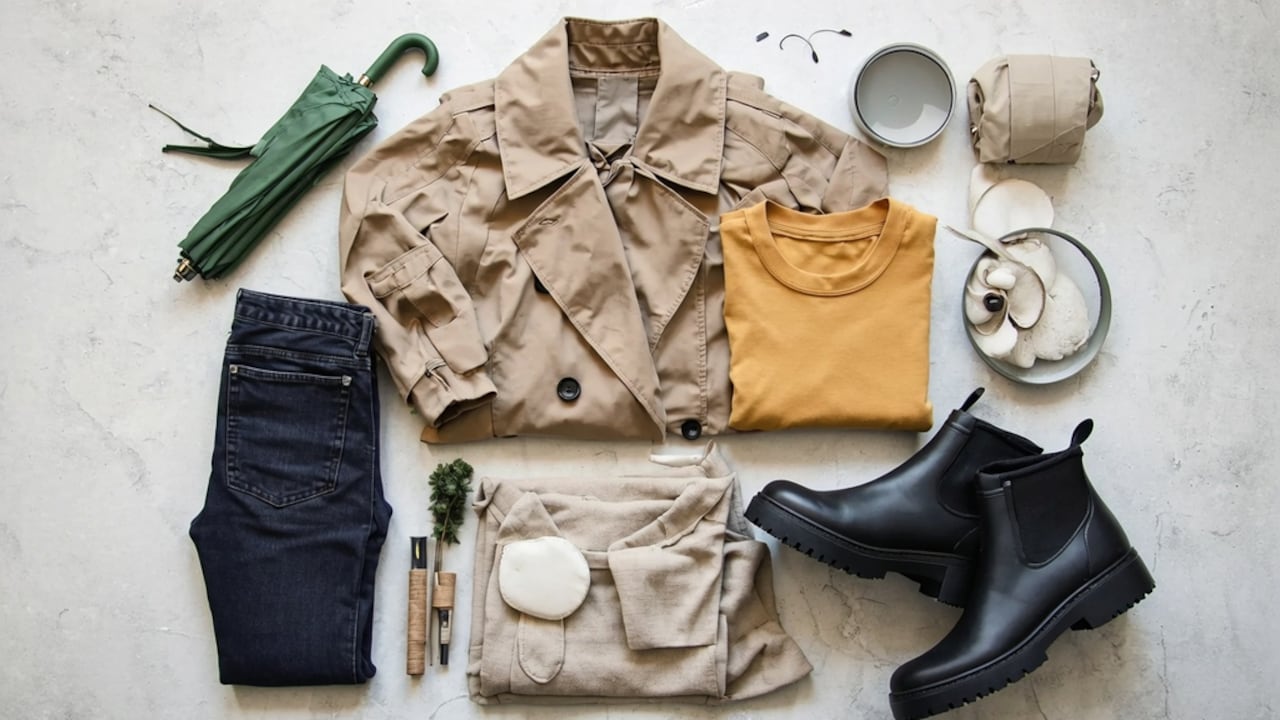
Find the dreamiest pair of jeans by using these simple fashion tips; Photo Credit: Pexels
This article unpacks those issues with clarity and warmth. It explains why they occur, how to spot them early, and what solutions make sense. Expect tailoring hacks, shopping tips, and styling ideas that respect real budgets. Because great jeans should feel supportive, not stressful.
Also Read: Urbano To Ben Martin, 10 Best Jeans Under ₹900 Now On Amazon Sale
The Real Reasons Your Jeans Never Feel Quite Right
1. The Waist Gap: When the Back Refuses to Sit Flat
The waist gap feels like a silent insult. The front fits well, the sides sit neatly, yet the back forms a little tent. This happens when the waist measures smaller than the hips or seat. Most jeans assume a straighter body line, so curvier shapes face this issue often.
Belts appear as the obvious fix, but they only mask the problem. A cinched belt can create bunching and discomfort. A better solution starts during shopping. Look for jeans labelled “contoured waist” or “curvy fit.” These styles allow more room at the hips while hugging the waist.
Fabric also matters. Denim with a touch of elastane adapts better to curves. For jeans already owned, a tailor can work wonders. Taking in the waistband costs around ₹400–₹700 and transforms the fit completely. High-rise jeans also reduce gaping since they sit at a narrower part of the torso. The goal remains comfort without constant adjusting.
2. Baggy Knees: The Sag That Shows Up Too Soon
Baggy knees ruin the sharpness of jeans. The fit starts crisp in the morning and ends slouchy by evening. This issue often comes from fabric quality and weave. Softer denim stretches faster, especially around joints that move all day.
Skinny and slim-fit jeans suffer most here. The tightness around the knee causes stress on the fabric. Each bend stretches the fibres, and cheap blends fail to bounce back. Choosing heavier denim helps. A weight of 11–13 oz holds shape longer without feeling stiff.
Washing habits also play a role. Frequent washing loosens fibres. Turning jeans inside out and washing in cold water preserves elasticity. Air drying helps, too. For jeans already affected, a quick steam and tumble in the dryer can temporarily restore shape. The effect fades, but it buys time until a better pair joins the wardrobe.
3. Tight Thighs: When Sitting Feels Like a Workout
Tight thighs turn simple tasks into challenges. Sitting, climbing stairs, or even tying shoelaces feels restricted. This problem often appears when jeans fit the waist but ignore thigh volume. Many cuts prioritise a sleek silhouette over movement.
Athletic builds face this issue often. Thigh muscles need room, yet standard fits taper aggressively. Shopping for “athletic fit” or “relaxed thigh” styles helps. These jeans provide extra space without looking baggy.
Stretch percentage matters again. Denim with 2–4% elastane offers flexibility without losing shape. Trying on jeans while sitting in the fitting room reveals the truth quickly. If the fabric pulls or digs in, the size or cut needs reconsideration. Tailoring thighs costs more than waist work, around ₹800–₹1,200, so choosing the right fit upfront saves money and discomfort.
4. The Rise Problem: Too High, Too Low, Just Awkward
Rise refers to the distance between the crotch seam and the waistband. Get this wrong, and everything feels off. Low-rise jeans slide down and demand constant tugging. High-rise jeans can press into the ribs or create an unflattering fold.
Body proportions decide the ideal rise. Longer torsos often suit mid-rise styles. Shorter torsos feel overwhelmed by very high waists. Trying different rises reveals what feels natural.
Comfort shows up when the waistband sits securely without digging. The crotch seam should rest close to the body, not sag or pinch. When jeans pull down while walking, the rise is likely too short. When sitting feels restricted, the rise may run too long. Adjusting rise through tailoring proves complex and expensive, so selection matters most at purchase.
5. Hip Fit Issues: The Pull and the Pucker
Hips create drama in denim fitting rooms. Too tight, and the fabric pulls into whisker lines. Too loose, and pockets gape awkwardly. This problem stems from pattern grading. Many brands scale up without adjusting proportions properly.
Curvier hips need room without extra bulk. Stretch denim helps, but cut remains key. A straight or slight bootcut balances hips better than extreme skinnies. Pocket placement also affects appearance. Pockets set too close exaggerate width, while wider-set pockets flatter curves.
A simple test works wonders. Slide two fingers into the hip area. If movement feels restricted, the fit runs tight. If excess fabric bunches, size down or switch cuts. Tailoring hips remains tricky, so prioritising comfort and balance during shopping prevents long-term regret.
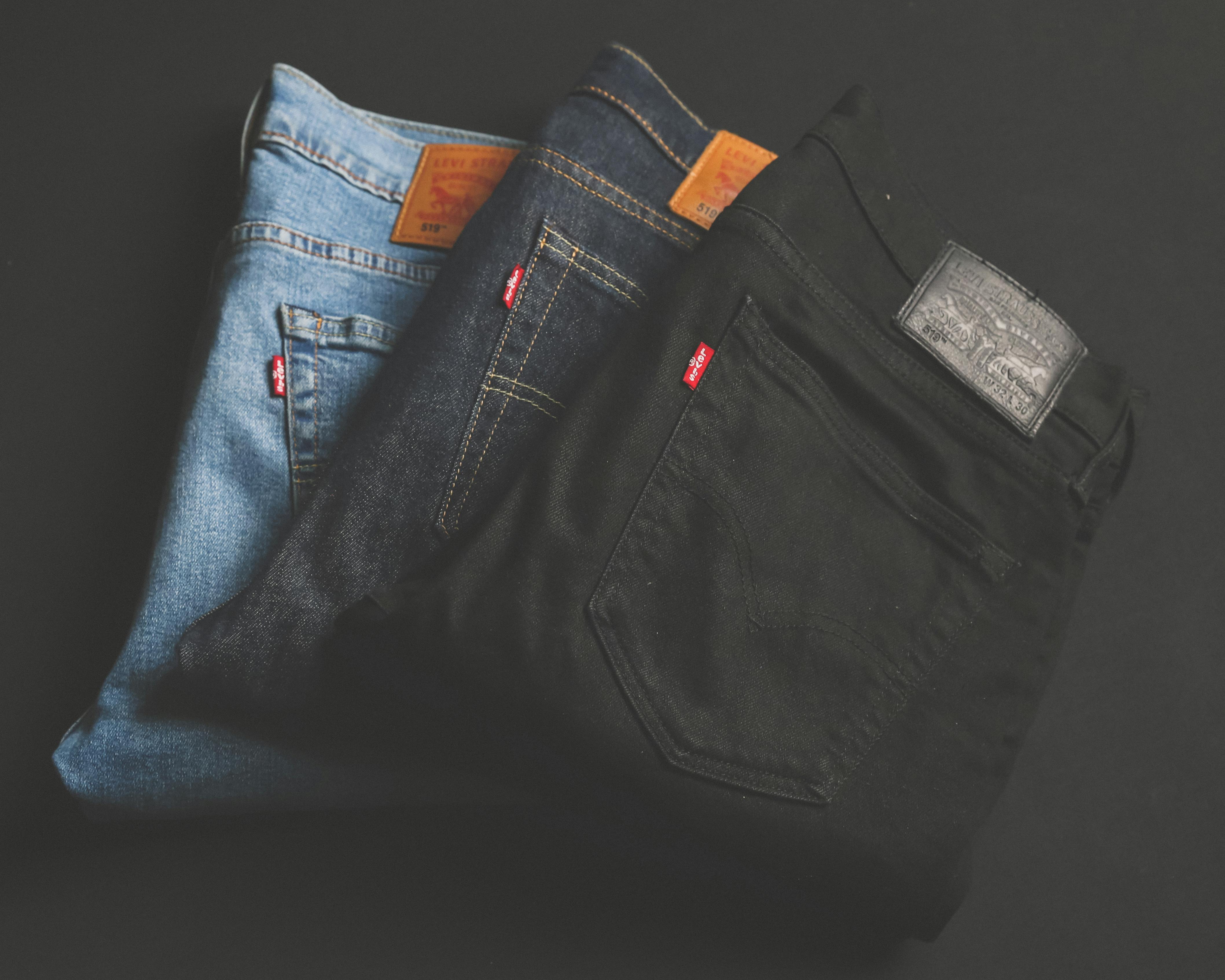
Always ensure that your choice of jeans stretch according to your body type; Photo Credit: Pexels
6. Length Woes: Too Long, Too Short, Never Right
Length issues plague many shoppers. Jeans pool at the ankles or hover awkwardly above shoes. Standard inseams rarely suit varied heights. Cropped styles offer relief, but trends change quickly.
Checking inseam measurements helps. Knowing a personal inseam saves time and frustration. Most brands list this detail online. Trying jeans with intended footwear gives accurate feedback. Sneakers, sandals, and boots alter the fall of denim.
Hemming offers the easiest fix. A basic hem costs ₹200–₹400 and cleans up the look instantly. Original hem services cost more but preserve the worn-in finish. Avoid cutting too short, since shrinkage occurs after washing. Leaving a slight break at the ankle keeps jeans versatile across shoes and seasons.
7. Fabric Failures: When Denim Works Against You
Not all denim behaves the same. Fabric composition affects comfort, durability, and fit retention. Pure cotton denim feels sturdy but lacks flexibility. High-stretch blends feel comfy but lose shape faster.
Understanding fabric labels empowers better choices. A blend of cotton with a small percentage of elastane offers balance. Polyester adds strength but reduces breathability. For hot climates, lighter denim improves comfort.
Touch tells a story. Fabric that feels flimsy often stretches out quickly. Heavier denim moulds to the body over time and holds structure. Paying a little extra, say ₹1,500 instead of ₹900, often delivers better longevity. Good denim ages gracefully and rewards patience.
8. Size Confusion: When Numbers Lie
Jean sizes confuse even seasoned shoppers. A size 30 in one brand fits like a 32 in another. This inconsistency stems from vanity sizing and brand-specific grading.
Relying on measurements helps. Knowing waist, hip, and inseam sizes provides clarity. Carrying a measuring tape during shopping feels awkward at first, but saves energy later.
Trying multiple sizes remains essential. Jeans should feel snug but not restrictive. They relax slightly with wear. If a pair feels comfortable straight away, it may loosen too much later. Trusting fit over numbers reduces disappointment. The goal involves how jeans feel after three hours, not just three minutes in a mirror.
9. Styling Tricks That Hide Fit Flaws
Not every fit issue demands tailoring. Clever styling masks minor problems. Long tops cover waist gaps subtly. Structured belts add polish while controlling gaping. Cuffed hems shorten the length visually.
Dark washes slim the silhouette and hide baggy knees better than light washes. Vertical seams and minimal distressing create clean lines. Stretchy inner shorts worn underneath reduce thigh friction and improve comfort.
Footwear choices matter too. Chunky shoes balance wider jeans. Sleek footwear complements slim cuts. Styling does not replace fit, but it enhances confidence while solutions take shape. A thoughtful outfit often shifts focus from flaws to flair.
10. When to Walk Away: Knowing a Lost Cause
Not every pair deserves saving. Some jeans resist all efforts. Multiple fit issues signal a mismatch. Extensive alterations cost more than the jeans themselves. Emotional attachment should not outweigh comfort.
Trying jeans at different times of day helps. Bodies change slightly after meals and movement. If discomfort appears quickly, the fit will worsen later. Trusting instincts prevents regret.
Building a small collection of reliable jeans works better than chasing trends. Two or three well-fitting pairs outperform a crowded drawer of compromises. Letting go frees space for denim that truly supports daily life.
Products Related To This Article
1. Stylecast X Kotty Women Bootilicious Bootcut High-Rise Cotton Jeans
2. Roadster The Life Co. Women Bootcut Mid-Rise Stretchable Jeans
3. Chemistry Women Straight Fit High-Rise Stretchable Jeans
4. Miss Chase A+ Plus Size Women Bootcut High-Rise Heavy Fade Stretchable Jeans
5. H&M Women Flared High Light Fade Jeans
6. U.S. Polo Assn. Women Women Wide Leg High-Rise Light Fade Stretchable Jeans
7. Sztori Women Plus Size Black Skinny Fit Stretchable Jeans
Jeans fit problems frustrate, but they also teach. They reveal how bodies move, stretch, and rest. Waist gaps, baggy knees, and tight thighs do not signal flawed bodies. They highlight flawed patterns. Understanding these issues empowers smarter choices and calmer shopping trips. Great jeans feel like quiet allies. They support without squeezing and move without sagging. With the right knowledge, tailoring tricks, and styling confidence, denim becomes enjoyable again.
(Disclaimer: This article may include references to or features of products and services made available through affiliate marketing campaigns. NDTV Convergence Limited (“NDTV”) strives to maintain editorial independence while participating in such campaigns. NDTV does not assume responsibility for the performance or claims of any featured products or services.)