Why Jumpsuits Feel Perfect Standing But Uncomfortable When Sitting: The Hidden Fit Flaw
Jumpsuits often look perfect while standing, but feel oddly restrictive when sitting. The culprit is a subtle design flaw in torso length and rise that most shoppers overlook, until the moment they sit down.

The Hidden Fit Flaw That Makes Jumpsuits Feel Great Upright But Awkward When Sitting.
This awkward shift is not imagination. A subtle design flaw hides within many jumpsuits. The garment often works beautifully when standing, but fails to account for how the body changes shape while sitting. Understanding this overlooked fit issue explains why the outfit feels so different between standing and sitting, and how better design can solve the problem.
Fashion trends cycle quickly, yet the jumpsuit continues to return season after season. From casual cotton styles worn during weekend shopping trips to elegant evening versions seen at weddings and festive gatherings, the garment carries undeniable charm. The appeal lies in its simplicity. One piece replaces the need to coordinate tops and bottoms, creating an instantly put-together look.
However, anyone who has worn a jumpsuit for several hours knows the quiet frustration that appears once sitting becomes unavoidable. A garment that felt comfortable while walking suddenly feels restrictive. The fabric tugs at the shoulders or bunches around the waist. Sometimes the entire outfit seems to climb upward in the most inconvenient way.
The reason rarely lies in body shape or fabric quality. Instead, the problem sits within a small yet crucial aspect of garment construction. Designers often create jumpsuits using patterns meant to look good on a standing body, not a seated one. The difference may appear minor, yet the human body changes posture dramatically when sitting.
Exploring this hidden flaw reveals why so many stylish jumpsuits fail the real-life comfort test.

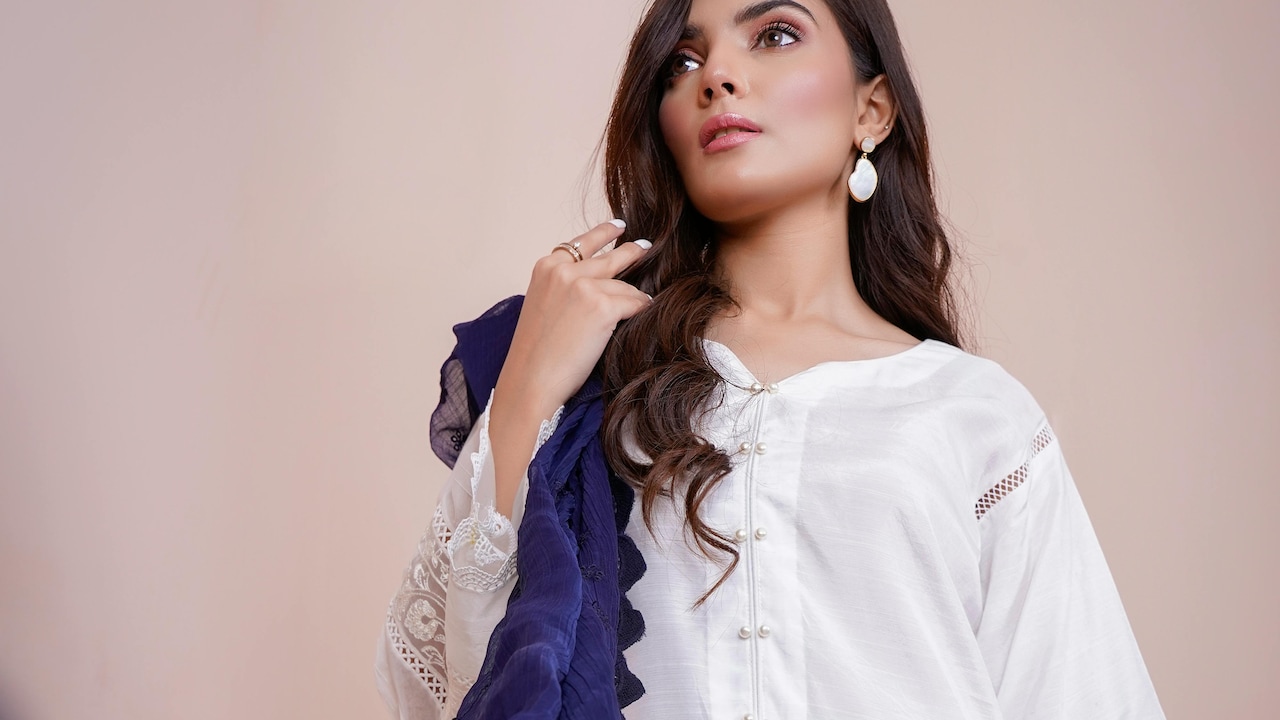
The Hidden Fit Flaw That Makes Jumpsuits Feel Great Upright But Awkward When Sitting; Photo Credit: Pexels
Breaking Down The Hidden Fit Flaw In Jumpsuits
The Standing Illusion Of Perfect Fit
The mirror test often happens while standing upright. In that moment, jumpsuits appear almost magical. The waistline aligns neatly, the legs fall smoothly, and the fabric skims the body without excess bulk. Standing posture elongates the torso and straightens the hips, which allows the garment to fall exactly as designers intend.
Retail trials amplify this illusion. Changing rooms rarely include seating, and mirrors encourage quick visual judgement rather than movement tests. A shopper checks the silhouette, turns sideways, and nods in approval. The jumpsuit feels flattering, so the purchase seems safe.
Reality unfolds later in everyday settings. During a cab ride across town or a long office meeting, the body bends at the hips and waist. The torso shortens slightly while the pelvis tilts forward. Suddenly, the garment must stretch across angles it never considered.
Without extra room built into the pattern, the jumpsuit reacts by pulling upward. What once looked sleek begins to feel tight around the crotch or shoulders. The fit flaw hides easily during the standing test, yet reveals itself the moment a chair enters the picture.
Why Sitting Changes Body Proportions
The human body transforms subtly while sitting. Most garments must accommodate this shift, yet jumpsuits struggle because they connect the top and bottom in one continuous structure.
When someone sits, the spine curves slightly and the hips bend forward. The distance between the shoulders and hips shortens. At the same time, the pelvis pushes backwards into the chair. These movements create extra volume around the waist and upper thighs.
Trousers handle this change with ease because the waistband sits separately from the top. A shirt can lift slightly without affecting the trousers. Dresses also allow flexibility since the fabric hangs freely from the shoulders.
A jumpsuit, however, binds both sections together. If the torso length remains fixed, the garment cannot adjust when the body compresses. The tension spreads through the entire piece. The shoulders feel a gentle tug, the waist tightens, and the crotch seam climbs upward.
Even a difference of two or three centimetres in torso allowance can determine whether the garment feels comfortable or restrictive. That tiny measurement often explains the awkward moment when sitting turns a fashionable outfit into a mild endurance test.
The Torso Length Problem
Among all design details, torso length plays the largest role in jumpsuit comfort. Many patterns assume a standard torso measurement based on upright posture. Unfortunately, real bodies vary widely in this dimension.
A person with a slightly longer torso may already feel mild tension while standing. Once seated, the garment pulls sharply across the shoulders and crotch. The discomfort becomes impossible to ignore.
Even individuals with average proportions face trouble because seated posture shortens the vertical distance between the shoulder and the hip. If the garment lacks extra allowance, the fabric stretches downward while the body compresses upward. The result feels like the outfit tries to lift itself.
Tailoring experts often refer to this as “vertical ease”. Garments need small amounts of hidden space so the body can move naturally. Without it, seams absorb every movement.
Jumpsuits that feel effortless usually include subtle design adjustments such as slightly dropped waists or longer rises. These features remain invisible when standing yet provide crucial comfort while sitting. When designers overlook torso length, even the most stylish piece struggles to function during daily life.
Fabric Choice And Its Quiet Influence
Fabric determines how forgiving a jumpsuit feels during movement. Some materials behave like cooperative partners, while others resist every shift in posture.
Rigid fabrics such as thick denim or structured polyester hold their shape firmly. These textiles look sharp when standing, creating clean lines that flatter the silhouette. Yet once the wearer sits, the fabric refuses to stretch. Instead, the tension transfers directly to seams and pressure points.
Soft fabrics tell a different story. Cotton blends, viscose, or jersey knit move gently with the body. When the torso compresses slightly, these materials absorb the change rather than fight it.
Stretch fibres such as elastane also improve comfort dramatically. Even a small percentage allows the garment to expand during movement. That elasticity prevents the awkward pulling sensation that often appears in rigid jumpsuits.
Climate also plays a role. In warm weather, breathable fabrics prevent the sticky feeling that occurs when tight garments cling to the skin. On crowded trains or during humid afternoons, the difference becomes noticeable.
Fabric alone cannot fix poor pattern design, yet the right material softens the impact of small fitting flaws.
The Rise Measurement Nobody Talks About
The rise, the distance from the crotch seam to the waist, often receives little attention outside tailoring circles. Yet this measurement quietly determines whether a jumpsuit remains comfortable while seated.
In trousers, designers adjust the front and back rise to match natural body curves. Sitting requires extra space at the back because the hips expand against the chair. Trousers solve this by allowing fabric to shift independently from the top.
Jumpsuits lack that independence. The rise must accommodate both standing posture and seated posture simultaneously. If the rise remains too short, the garment pulls upward during sitting. The wearer may feel the seam pressing uncomfortably against sensitive areas.
Designers sometimes shorten the rise deliberately to create a sleek, modern look. While the result photographs beautifully, it rarely survives a full day of wear.
Experienced tailors often recommend a slightly longer rise for comfort. The change remains nearly invisible while standing yet dramatically improves how the garment behaves when sitting. A few extra centimetres allow the fabric to distribute tension more evenly across the hips and waist.
That subtle adjustment often separates a stylish piece from one that feels practical for everyday life.
Waist Placement And Movement
Waist placement influences more than just appearance. The position of the waist seam determines how the garment reacts when the body bends.
High-waisted jumpsuits often create a flattering hourglass effect. The seam sits near the narrowest part of the torso, visually elongating the legs. However, this placement also coincides with the natural fold that forms while sitting.
When the body bends forward, that fold requires space. If the seam sits exactly on that point, the fabric gathers awkwardly or presses into the stomach. The discomfort becomes noticeable during meals or long meetings.
Lower waist placements allow more flexibility. Dropped waist designs shift the seam slightly downward, leaving extra room for movement at the midsection. This approach sacrifices a small amount of dramatic shaping but gains comfort during sitting.
Some designers incorporate elastic waist panels or adjustable belts. These features create subtle adaptability without compromising the overall silhouette.
Ultimately, the ideal waist position balances aesthetics with movement. Garments meant for real life must allow people to sit, reach, and relax without constant adjustment.
The Chair Test Most Garments Never Face
Clothing design often focuses heavily on appearance. Runway shows, advertising campaigns, and retail displays emphasise how garments look while standing or walking. Rarely does anyone examine how the outfit behaves during everyday activities like sitting for an hour.
The “chair test” could reveal many hidden issues. Sitting, leaning forward, and crossing legs quickly exposes tension points in jumpsuits. Yet many garments skip this practical evaluation before reaching shop floors.
Imagine a commuter travelling across the city during rush hour. After standing in line for a train ticket costing ₹40 and squeezing into a crowded carriage, sitting down finally offers relief. At that moment, an uncomfortable jumpsuit becomes impossible to ignore.
Practical testing would highlight such scenarios early in the design process. Garments could then include better rises, softer fabrics, or flexible waist construction.
Until this approach becomes common, shoppers often discover the flaw only after wearing the outfit for several hours outside the fitting room.

The Hidden Fit Flaw That Makes Jumpsuits Feel Great Upright But Awkward When Sitting
Photo Credit: Pexels
How Tailoring Can Rescue A Jumpsuit
Off-the-rack clothing rarely fits everybody perfectly. Tailoring offers a practical solution when a jumpsuit almost works but still feels awkward when sitting.
A skilled tailor can adjust torso length by lowering the waist seam or adding subtle fabric panels. This change increases vertical ease without altering the garment's overall appearance. Many tailors charge around ₹300 to ₹700 for such alterations, depending on complexity.
Another common fix involves lengthening the rise. By reshaping the crotch seam slightly, the garment gains extra comfort around the hips. While the change may sound technical, experienced professionals perform it with precision.
Adjusting shoulder straps or sleeve seams also helps redistribute tension. Even minor adjustments allow the garment to sit more naturally on the body.
Tailoring transforms a stylish but uncomfortable piece into a wearable favourite. Instead of abandoning the outfit at the back of a wardrobe, small modifications extend its usefulness and comfort.
Smarter Design Trends Emerging
Encouragingly, newer jumpsuit designs increasingly address the sitting problem. Fashion labels have begun recognising that comfort drives customer loyalty just as much as style.
Some designers incorporate stretch panels hidden along the waistline or back seams. These panels remain invisible yet expand slightly during movement. Others experiment with wrap-style tops attached to relaxed trousers, allowing independent movement between upper and lower sections.
Utility-inspired jumpsuits also introduce adjustable waist tabs, drawstrings, or elastic sections. These features allow the garment to adapt naturally when the body changes posture.
Pattern makers now explore ergonomic shaping, studying how people sit, walk, and bend throughout the day. Such research leads to more flexible silhouettes that maintain elegance without sacrificing comfort.
Consumers increasingly value clothing that functions in everyday situations. As awareness grows, jumpsuits may evolve from occasional statement pieces into reliable wardrobe staples suitable for long workdays or festive gatherings.
Products Related To This Article
1. Tokyo Talkies Basic Embellished Jumpsuit
2. HELLCAT Printed Basic Jumpsuit
3. Anouk Shawl Neck Printed Basic Jumpsuit
4. Berrylush Abstract Printed Scoop Neck Basic Jumpsuit
5. Globus Women Kimono Sleeves Tie-Up Longline Jumpsuit
Jumpsuits continue to captivate fashion lovers because they combine elegance with simplicity. One garment creates an entire outfit, saving time while delivering effortless style. Standing upright, the silhouette often looks impeccable.
Yet the moment a chair enters the equation, many designs reveal an overlooked flaw. The body shortens, bends, and shifts while sitting. Without sufficient vertical ease, flexible fabric, or thoughtful rise measurements, the garment struggles to adapt.
Understanding this hidden fit issue transforms how people evaluate jumpsuits. Instead of relying solely on the mirror test, movement becomes the true measure of comfort. Sitting, bending, and walking offer clearer insight into whether the garment truly works.
Better design, smarter fabric choices, and small tailoring adjustments can solve the problem. With these improvements, the jumpsuit may finally deliver on its promise: effortless style that feels just as good during a long conversation over chai as it does while standing confidently in front of the mirror.
(Disclaimer: This article may include references to or features of products and services made available through affiliate marketing campaigns. NDTV Convergence Limited (“NDTV”) strives to maintain editorial independence while participating in such campaigns. NDTV does not assume responsibility for the performance or claims of any featured products or services.)