10 Reasons Kurta Necklines Stretch Out After Repeated Washing And How To Preserve Their Shape
Repeated washing can leave kurta necklines loose, wavy and misshapen. Discover 10 common causes of neckline stretching and simple ways to wash, dry, iron and store kurtas while preserving their original shape.

Why Kurta Necklines Stretch After Washing: 10 Causes And Easy Fixes
There is something particularly disappointing about pulling a favourite kurta from the cupboard and discovering that the neckline no longer sits the way it once did. The fabric may still look lovely. The colour may still earn compliments. Yet the neck suddenly appears wider, slightly wavy or oddly droopy. It rarely happens overnight. Neckline stretching usually develops slowly through repeated washing, drying, ironing and wearing. Cotton fibres relax. Decorative work adds weight. Hangers tug at damp fabric. Washing machines twist garments around as though they have a personal grudge against delicate tailoring.
10 Reasons Kurta Necklines Stretch Out After Repeated Washing And How To Preserve Their Shape
Photo Credit: Pexels
The neckline also faces more strain than many other parts of a kurta. It gets pulled while dressing, catches traces of sweat and skincare products, and carries the pressure of buttons, piping, embroidery or facing. When these small stresses repeat week after week, the original structure begins to soften.
Fortunately, a stretched neckline is not always inevitable. Better laundry habits and gentler storage can preserve both shape and finish. Here are ten common reasons kurta necklines stretch after repeated washing, along with practical ways to keep them looking neat.
Why Kurta Necklines Lose Their Shape Over Time
1. Frequent Machine Washing Puts Too Much Stress On The Neckline
A washing machine saves time, especially when a week's laundry seems to multiply overnight. Unfortunately, its convenience can be harsh on kurta necklines. During a regular wash cycle, garments tumble, twist and rub against one another. Sleeves become tangled, heavier clothes pull at lighter ones, and neck openings repeatedly stretch as the drum rotates.
Cotton, rayon and soft blended fabrics can become particularly vulnerable when wet because moisture makes their fibres more flexible. A neckline that feels perfectly firm when dry may expand noticeably during an aggressive wash.
Whenever possible, wash delicate kurtas by hand or select a gentle machine cycle. Turning the kurta inside out before washing also reduces friction around embroidery, piping and decorative edges. A mesh laundry bag adds another useful layer of protection.
Avoid stuffing the machine until the drum resembles an overpacked local train. Clothes need enough space to move without becoming tightly tangled. A gentler wash may take slightly more care, but it can prevent the familiar disappointment of a neckline that suddenly looks two sizes bigger.
2. Hot Water Weakens Fabric Fibres Over Time
Warm water can feel reassuringly thorough, particularly when a kurta has survived a humid commute, a crowded celebration or an accidental encounter with chutney. Yet very hot water can gradually affect the structure of many fabrics.
Natural fibres such as cotton absorb water readily. Excessive heat can cause repeated swelling and contraction, which may weaken the fabric's ability to return to its original shape. Rayon and viscose deserve even more caution because they can become especially delicate when wet.
Necklines suffer because they already contain cut edges, stitching, facing and sometimes decorative trims. When heat repeatedly stresses these areas, the fabric may soften and begin to ripple.
Cool or lukewarm water usually offers a safer choice for everyday washing. Check the care label before assuming that hotter automatically means cleaner. Modern detergents generally work well at lower temperatures.
Cold-water washing also helps protect colour, which matters when dealing with deep maroons, indigos, greens and other shades that seem determined to migrate onto every pale garment nearby. Gentler temperatures support both colour retention and neckline stability, giving the kurta a better chance of ageing gracefully.
3. Harsh Detergents Can Make Fabric Lose Its Natural Resilience
The detergent aisle can make laundry feel like a chemistry exam. Brightening formulas, stain removers, fragrance boosters and heavy-duty powders all promise impressive results. For delicate kurtas, however, stronger does not always mean better.
Harsh detergents can gradually strip fibres of their natural softness and resilience. Repeated exposure may leave fabric feeling rough, limp or unusually thin. Once the material loses some of its ability to spring back, the neckline can begin to sag.
Embroidered and dyed kurtas may face an additional problem. Strong cleaning agents can weaken decorative threads or affect the fabric underneath them. That imbalance sometimes causes the neckline to pull unevenly.
Choose a mild detergent designed for delicate or coloured clothing. There is rarely any need to pour in an heroic amount. More detergent can create residue rather than extra cleanliness, especially during short wash cycles.
For lightly worn kurtas, a small quantity often does the job perfectly well. Treat stains directly instead of subjecting the whole garment to aggressive washing. A neckline does not need industrial-strength treatment simply because one spoonful of dal landed near the hem.
4. Wringing A Wet Kurta Can Distort The Neck Opening
Handwashing may sound gentle, but the final squeeze can undo much of that kindness. Twisting a wet kurta tightly to remove water puts considerable strain on seams, shoulders and necklines.
Wet fabric weighs more than dry fabric and stretches more easily. When the garment gets wrung like a kitchen cloth, different sections experience pressure in different directions. The neckline can become pulled sideways, the facing may shift, and stitching can lose its original alignment.
Instead of twisting the kurta, press excess water out gently. Lay it flat on a clean towel, roll the towel with the kurta inside, and press softly. The towel absorbs moisture without forcing the garment out of shape.
For everyday cotton kurtas, even a careful squeeze between the palms works better than aggressive wringing. Pay special attention to garments with keyhole necks, button plackets or embellished yokes because these sections often contain extra stitching and therefore respond poorly to twisting.
It may seem like a minor laundry habit, but repeated wringing can change a neckline noticeably over time. Gentle water removal keeps the fabric closer to the shape intended by the tailor.
10 Reasons Kurta Necklines Stretch Out After Repeated Washing And How To Preserve Their Shape
Photo Credit: Pexels
5. Hanging A Soaking-Wet Kurta Pulls The Fabric Downwards
Freshly washed clothes often go straight onto a hanger because it feels tidy and convenient. For a dripping kurta, however, gravity becomes an unhelpful stylist.
Water adds substantial weight to fabric. When a wet kurta hangs from its shoulders, that weight pulls downward for hours. The neckline sits directly between the two shoulder points, so it often experiences steady tension. Soft knits, viscose, rayon and loose-weave cotton can stretch particularly easily.
A better approach is to remove excess moisture first and dry vulnerable garments flat whenever possible. If flat drying is impractical, spread the kurta evenly across a drying rack rather than suspending its entire weight from narrow shoulder points.
When a hanger must be used, choose a broad, supportive one instead of a thin wire hanger. Make sure the kurta has stopped dripping before hanging it.
There is also no prize for baking garments under the harshest afternoon sun. Strong heat can make some fabrics feel brittle and may fade colour. A shaded, well-ventilated drying area often works beautifully. Let the kurta dry without asking its neckline to carry the weight of a small reservoir.
6. Pulling The Kurta Over The Head Roughly Stretches The Neck Every Time
Not all neckline damage happens in the laundry basket. Dressing habits matter too.
A close-fitting neck often gets tugged sharply while pulling a kurta over the head, particularly when someone is rushing to leave home. Hair clips, earrings, spectacles and elaborate hairstyles can turn the process into a minor obstacle course. Each forceful stretch places pressure on the neckline seam.
The effect may seem insignificant after one wear. Multiply it by dozens of wears, though, and the fabric can gradually become wider. Necklines with piping or delicate interfacing may also lose their crisp structure.
Open buttons, hooks or short front plackets before putting the kurta on. If the neck feels unusually tight, avoid forcing it. A small alteration can sometimes protect the garment far better than repeatedly stretching the opening.
Take equal care while removing the kurta. Pulling it upward from the neckline is particularly unkind to the fabric. Lift from the hem and shoulders instead.
A garment does not need ceremonial handling every morning. A few extra seconds of care are enough. Think of the neckline as the frame around the entire outfit; once the frame becomes crooked, everything else looks slightly off.
Also Read: How To Style A Long Kurta So It Doesn't Look Like Sleepwear
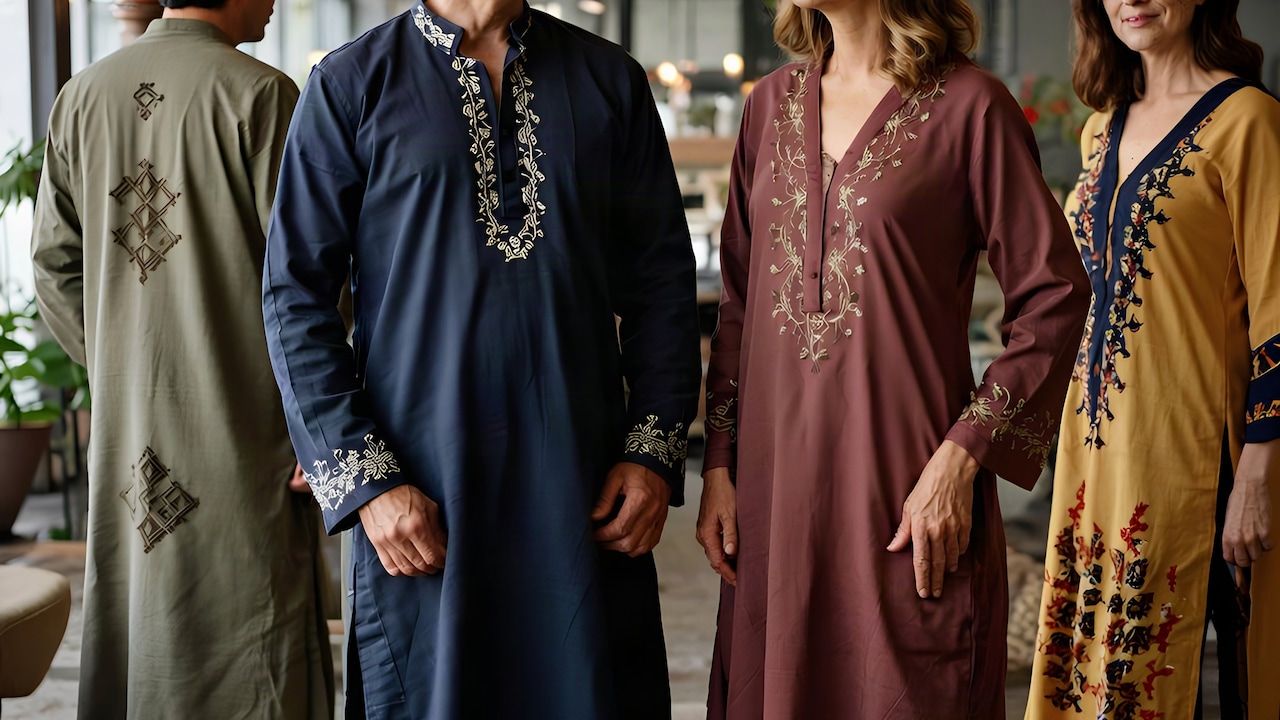
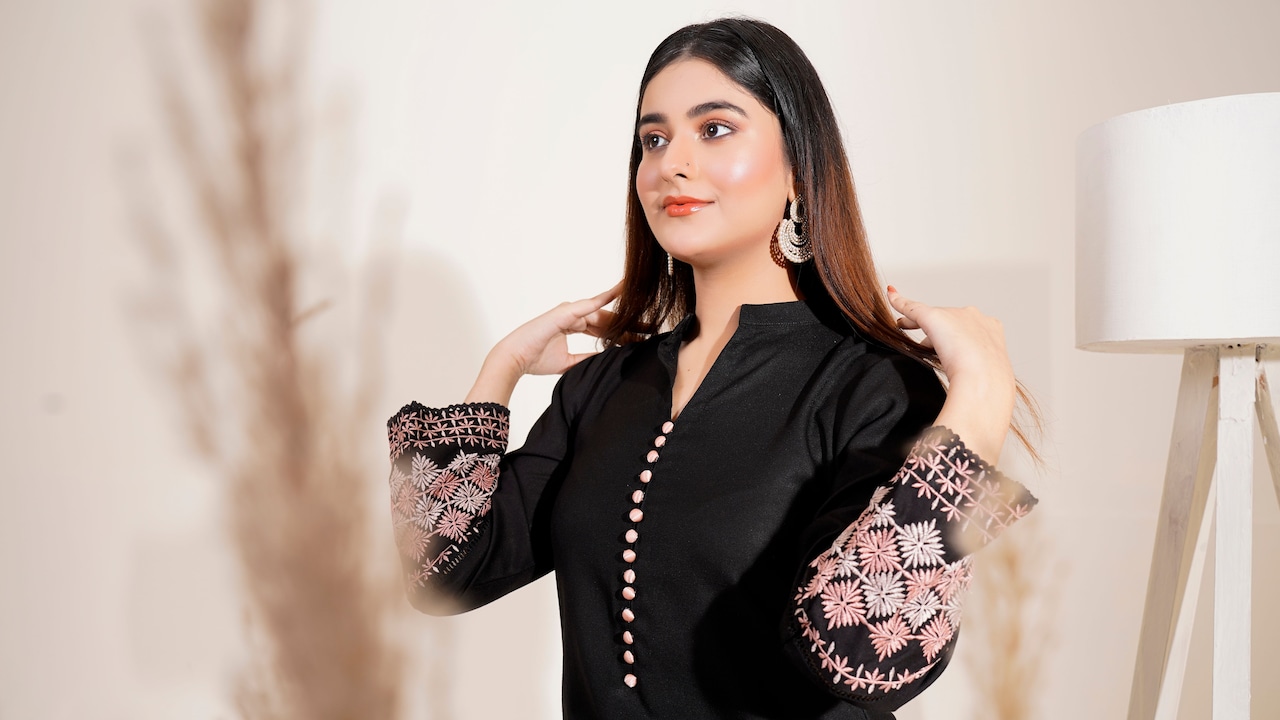
7. Heavy Embroidery And Decorative Work Can Drag The Neckline Down
Embellishment can turn a simple kurta into something memorable. Zari, mirror work, beads, sequins, gota, thread embroidery and decorative buttons all bring personality. They also bring weight.
When heavy detailing sits around the neckline or yoke, gravity constantly pulls on the surrounding fabric. Washing makes the problem worse because wet embellishments become heavier. Over time, a soft base fabric may struggle to support them.
This often creates small ripples first. Later, the neckline may begin to dip or widen, especially at the centre front.
Handwashing works best for heavily embellished kurtas unless the care label recommends professional cleaning. Support the decorative section while lifting the garment from water rather than allowing it to hang freely.
Dry such kurtas flat whenever possible. During storage, folding may prove safer than hanging, particularly for garments with substantial work around the neck and shoulders.
Before washing, check whether any beads, stones or threads have loosened. A ₹100 repair at the right time can prevent a far more irritating alteration later. Decorative clothing deserves a little extra attention because every glittering detail quietly adds another job for the fabric underneath.
8. Poor-Quality Stitching Or Weak Interfacing Cannot Hold The Shape
Sometimes the washing method is not the main culprit. The neckline may simply lack enough structural support from the beginning.
Well-made kurta necklines usually contain facing, binding, piping or interfacing that helps the cut edge maintain its shape. If the stitching is loose, the seam allowance is too narrow or the interfacing is flimsy, repeated washing quickly exposes the weakness.
The first signs often appear as bubbling, uneven edges or a neckline that refuses to lie flat after ironing. Continued wear can then make the opening noticeably larger.
When buying a kurta, inspect the neckline as carefully as the print. Look at the inside finishing. Check whether the seams appear secure and whether the facing lies smoothly. A beautiful neck design loses much of its charm when the construction underneath resembles a rushed school craft project.
If a favourite kurta already shows signs of stretching, a tailor may be able to reinforce the neckline with fresh facing, binding or discreet interfacing. Early reinforcement usually produces a better result than waiting until the fabric has become severely distorted.
Good tailoring does not merely improve appearance. It helps a garment survive ordinary life.
9. Incorrect Ironing Can Stretch A Damp Neckline Further
Ironing seems like the moment when a tired neckline should return to order. Done carelessly, it can achieve the opposite.
Fabric becomes more flexible when warm and slightly damp. Dragging a hot iron sideways across the neckline can physically push the material out of shape. Steam may increase that flexibility, especially on rayon, viscose or loosely woven cotton.
Instead of pulling the iron across the neck, use gentle pressing movements. Lift and place the iron rather than sliding it aggressively around curves. Work from the garment's natural shape and avoid stretching the neckline flat with the other hand.
Moderate heat also matters. An unnecessarily hot iron can damage synthetic blends, flatten embroidery or create shine on darker fabrics.
For curved necklines, reshape the area with the fingers before pressing. Make sure both sides look symmetrical. A pressing cloth can protect decorative surfaces and delicate fibres.
Ironing should tidy the garment, not conduct major architectural renovations. Spending an extra minute around the neckline often makes the entire kurta look sharper. After all, people notice the area near the face long before they inspect whether the side seam has achieved philosophical perfection.
10. Improper Storage Keeps The Neckline Under Constant Tension
A kurta can be washed perfectly and still lose shape inside the wardrobe.
Thin hangers often create concentrated pressure at the shoulders. Over time, the fabric may stretch downward, particularly on heavier kurtas. If several garments are squeezed onto one hanger, the neckline can also become crushed or pulled sideways.
Folding works well for many cotton, rayon and embellished kurtas. Keep the neckline lying naturally rather than creating a sharp fold directly across decorative work. Place tissue paper or a clean soft cloth between heavily embellished sections if they tend to catch on one another.
For kurtas that need hanging, choose broad hangers that support the shoulders properly. Fasten buttons or hooks so the garment retains its intended alignment.
Do not overcrowd the wardrobe either. Clothes pressed together tightly are more likely to wrinkle, snag and deform. A little breathing room helps them retain shape.
Seasonal outfits deserve occasional inspection. A festive kurta forgotten for months may emerge with a crushed neckline simply because another outfit spent the summer leaning on it. Good storage sounds unglamorous, but wardrobes have long memories. They preserve every careful habit and every careless one.
10 Reasons Kurta Necklines Stretch Out After Repeated Washing And How To Preserve Their Shape
Photo Credit: Pexels
Products Related To This Article
1. FIORRA Floral Printed Notch Collar Thread Work Cotton A-Line Kurta
2. DEIFIC Women Ethnic Motifs Printed Kurta
3. Anouk Women Floral Embroidered Flared Sleeves Thread Work Kurta
4. Rimeline Women Ethnic Motif Printed V-Neck A-Line Cotton Kurta
5. Indo Era Floral Embroidered Kurta
6. KALINI Ethnic Motifs Embroidered Chikankari Kurta
7. Anouk X fwd Women Mandarin Collar Straight Republic Day Republic Day Kurta
A stretched kurta neckline rarely comes from one dramatic mistake. More often, it reflects dozens of small moments: a hot wash here, a hard wring there, a dripping garment left on a hanger or a neckline pulled impatiently over the head.
The encouraging part is that most of these habits are easy to change. Cooler water, mild detergent, gentle washing, careful drying and supportive storage can make a noticeable difference. Heavy embellishment deserves extra attention, while good ironing and tailoring can protect the structure that gives the neckline its clean finish.
Favourite kurtas often carry more than fabric and thread. They become associated with family lunches, workdays, celebrations, journeys and compliments remembered long after the occasion. Preserving their shape therefore feels far more satisfying than replacing them simply because the neckline has become tired.
Treat the neck gently, and the entire kurta tends to look newer for longer. Sometimes wardrobe longevity comes down to something remarkably simple: less twisting, less tugging and a little more patience on laundry day.
(Disclaimer: This article may include references to or features of products and services made available through affiliate marketing campaigns. NDTV Convergence Limited (“NDTV”) strives to maintain editorial independence while participating in such campaigns. NDTV does not assume responsibility for the performance or claims of any featured products or services.)