Why Does My Cotton Kurta Feel Damp All Through The Monsoon
Find out why your cotton kurta feels damp during monsoon and learn simple tips to stay comfortable, dry, and fresh even on the most humid rainy days.
Why even the most comfortable cotton kurtas can feel damp in monsoon
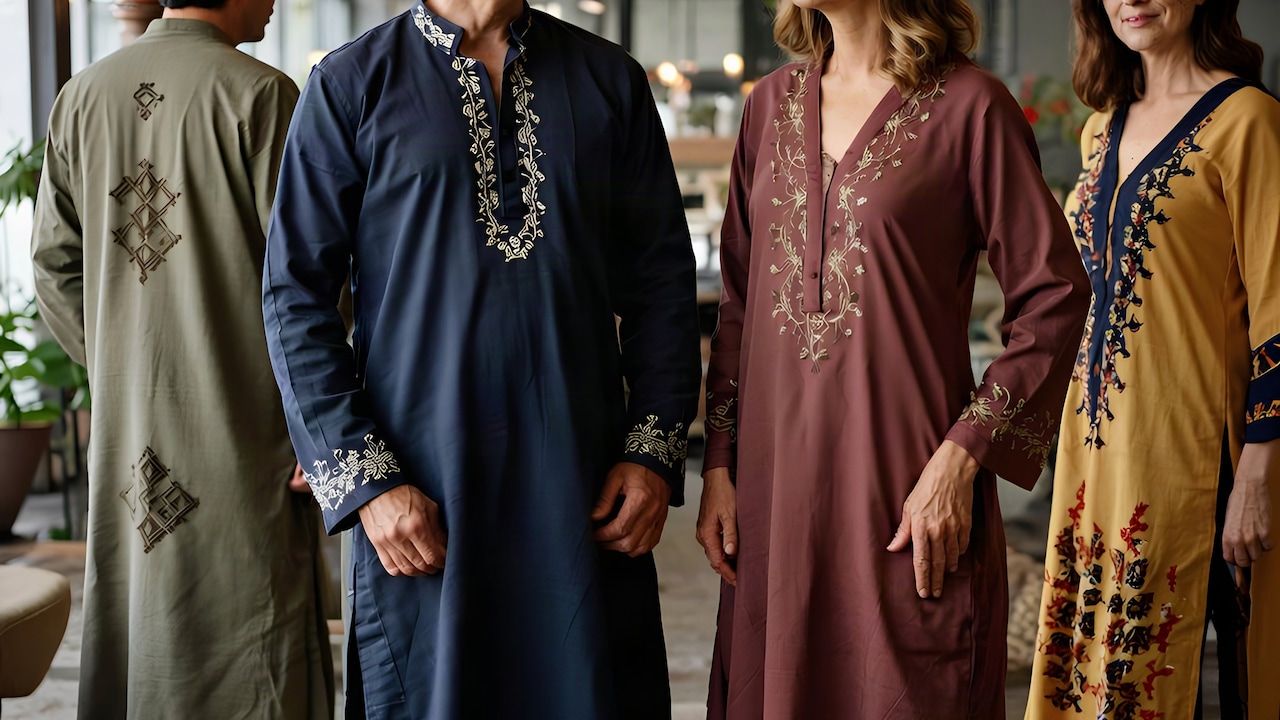
Cotton kurtas have long been a popular choice for Indian summers, and many people continue to wear them during the monsoon season. But somewhere around the second week of July, you start noticing something uncomfortable — your kurta feels perpetually damp, slightly heavy, and just a little too clingy. You haven't even stepped into the rain, and yet the fabric feels like it has. If that sounds familiar, you're definitely not imagining it. There's a real reason behind that sticky, damp feeling, and understanding it can genuinely help you dress more comfortably through the season.
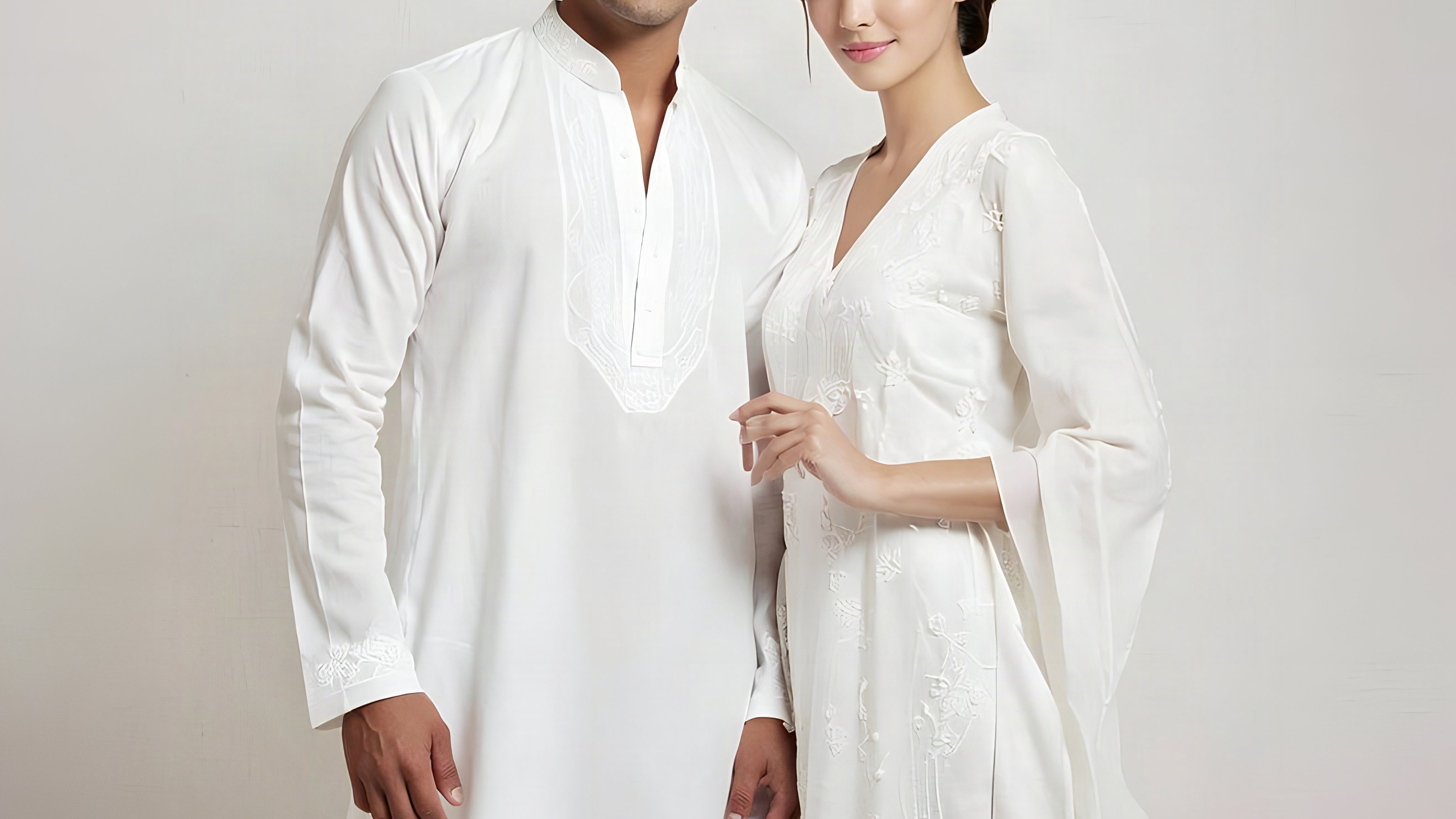
Cotton Kurta
Cotton has been the fabric of choice across generations, and for good reason. It's soft, affordable, and widely available in styles that suit almost every occasion. But monsoon has a way of exposing its limitations rather quickly. What feels like a gentle, breathable fabric in April starts behaving like a damp cloth by July. Understanding why that happens is the first step towards actually doing something about it.
Also Read: Because Plain Bags Are Boring: 5 Unique Bag Charms To Build Your Gen-Z Style Collection
What Actually Makes Cotton Feel Damp During Monsoon
It's not just sweat or rain; it's the dampness of cotton during the monsoon. Humidity is a much bigger factor than most people realise. The scientific explanation for it is worth knowing.
1. Cotton Absorbs Moisture From The Air
Cotton is naturally absorbent, which works well in dry summers. But during monsoon, humidity can climb above 80 percent, and cotton fibres start pulling moisture directly from the air around you. So even indoors, your kurta is quietly absorbing atmospheric moisture throughout the day.
2. The Fabric Dries Slowly In Humid Conditions
Cotton releases moisture slowly when surrounding air is already saturated. During monsoon, there's very little dry air available to help the fabric breathe properly. Any dampness your kurta picks up, whether from rain, sweat, or humidity, tends to linger far longer than it would in drier months.
Why Some Cotton Kurtas Feel Damper Than Others
Not every cotton kurta behaves the same way when humidity rises. The fabric construction, blend, and even how you store your clothes can significantly affect how damp they feel.
1. Thread Count And Weave Make A Difference
Tightly woven, high-thread-count cotton traps moisture more stubbornly because there's less space between fibres for airflow. Weaves like khaddar or handloom cotton are slightly more breathable and don't feel as heavy as the humidity spikes during peak monsoon months.
2. Fabric Blends Behave Differently
Cotton-linen blends handle humidity better because linen releases moisture more readily. Cotton-polyester blends, however, feel stickier in wet weather since polyester traps heat against the skin. What your kurta is blended with matters just as much as the cotton content itself.
3. How The Kurta Was Washed And Stored
Residual detergent left after washing makes cotton more prone to feeling damp. Clothes stored in enclosed wardrobes without ventilation also absorb surrounding humidity before you even wear them. A thorough rinse and proper storage genuinely make a noticeable difference during monsoon.
Simple Ways To Keep Your Cotton Kurta Feeling Drier
Staying comfortable in a cotton kurta during monsoon is genuinely possible with a few small changes. You don't need to overhaul your wardrobe — just adjust a few everyday habits.
1. Choose Lighter Cotton Fabrics For Monsoon Days
Lighter cotton variants like mulmul or chanderi allow moisture to evaporate more quickly than heavier constructions. These fabrics are thinner and more loosely woven, making them a noticeably more comfortable choice on particularly humid or overcast monsoon days.
2. Store Your Clothes With Better Ventilation
Keep monsoon kurtas in a well-ventilated wardrobe section with a moisture-absorbing sachet nearby. Avoid stacking them too tightly, as compressed fabric holds ambient moisture overnight. Airing your kurta briefly before wearing it can also help it feel considerably fresher.
3. Rinse Your Kurtas Thoroughly After Every Wash
Make sure no detergent residue remains in the fibres after washing. A second rinse in plain water helps the fabric feel lighter and less tacky on humid days. Always dry kurtas in well-ventilated spaces rather than enclosed drying areas.
What To Expect From Cotton In Different Monsoon Conditions
Monsoon doesn't feel the same everywhere, and cotton doesn't behave identically across all conditions either. Where you live and what kind of day it is both make a real difference.
1. Heavy Rain Days Versus Humid But Dry Days
On rainy days, cotton absorbs water almost immediately outdoors. On overcast but dry days, dampness builds gradually from atmospheric moisture and body heat combined. Knowing which kind of day you're heading into helps you decide on fabric weight and layering accordingly.
2. Coastal Versus Inland Monsoon Conditions
Coastal cities like Mumbai or Kochi stay persistently humid for months, making cotton kurtas feel damp almost constantly. Inland cities tend to dry out more quickly between showers. In coastal climates especially, rotating between mulmul and linen gives noticeable relief on worse days.
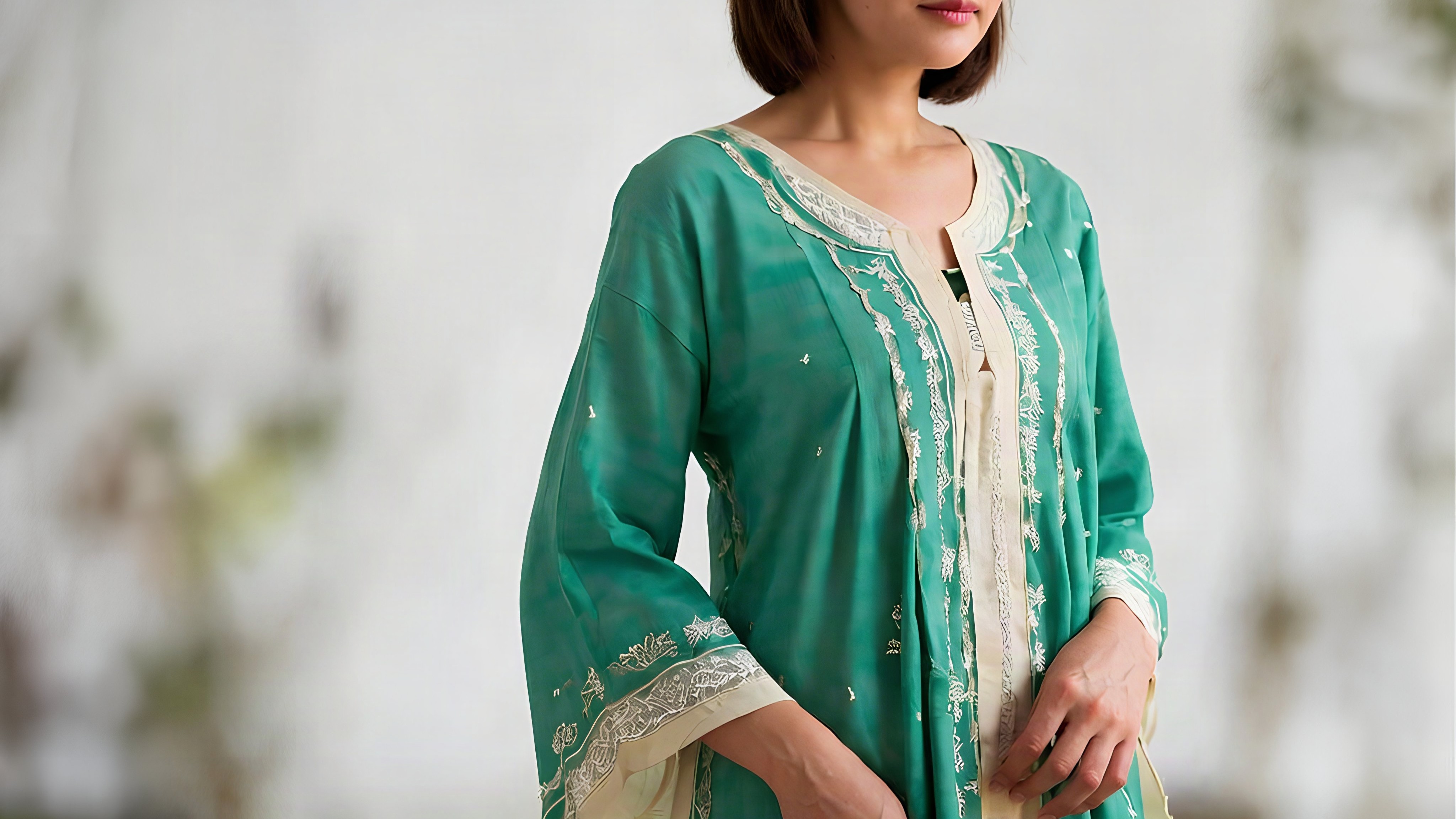
Why Does My Cotton Kurta Feel Damp All Through The Monsoon
Photo Credit: iStock
Some Products You May Like
1. Symbol Men's 100% Cotton Solid Long-Length Casual Kurta
2. Men's Cotton Blend Full-Sleeve Printed Short Kurta
3. Pistaa's Women's Cotton Straight Fit Straight Kurta
4. See Designs Men's Cotton Regular Fit Kurta
5. Janasya Women's Mustard Pure Cotton Striped Printed Straight Kurta
6. LABEL ADRIJA Cotton V Neck Anarkali Short Kurti
7. Cotton Printed Straight Kurta
8. Symbol Premium Men's Cotton Embroidered Long Kurta
Frequently Asked Questions (FAQs)
1. Is cotton a bad choice for monsoons altogether?
Not at all. Cotton is still one of the more breathable natural fabrics available. The key is choosing lighter weaves like mulmul or chanderi rather than heavier cotton constructions that hold on to moisture more stubbornly.
2. Why does my kurta smell musty during monsoon?
Musty odours usually happen when cotton retains moisture for too long without drying out properly. Washing regularly, rinsing thoroughly, and storing in a ventilated space can help manage the odour.
3. Can I wear a cotton kurta in heavy rain?
You can, but it will absorb water quickly and feel heavy. For rainy days when you expect to get wet, a lighter fabric or a waterproof layer over your kurta is a more practical choice.
4. Does ironing help reduce the damp feeling?
A light iron on a dry day can help briefly, but it won't prevent moisture absorption once the humidity rises again. It's more of a temporary fix than a long-term solution.
5. Which cotton fabric is best for monsoon kurtas?
Mulmul, chanderi cotton, and khaddar are generally considered better options for monsoon wear because of their lighter weight and slightly more open weave construction.
(Disclaimer: This article may include references to or features of products and services made available through affiliate marketing campaigns. NDTV Convergence Limited (“NDTV”) strives to maintain editorial independence while participating in such campaigns. NDTV does not assume responsibility for the performance or claims of any featured products or services.)