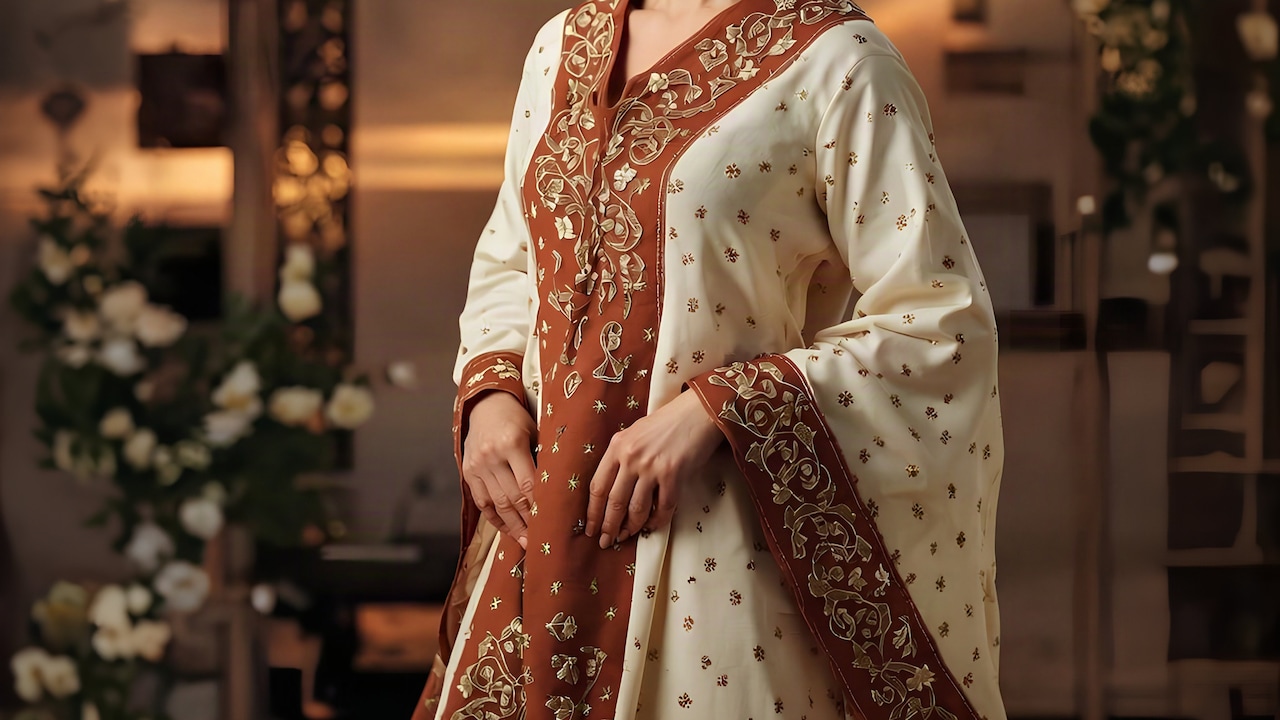
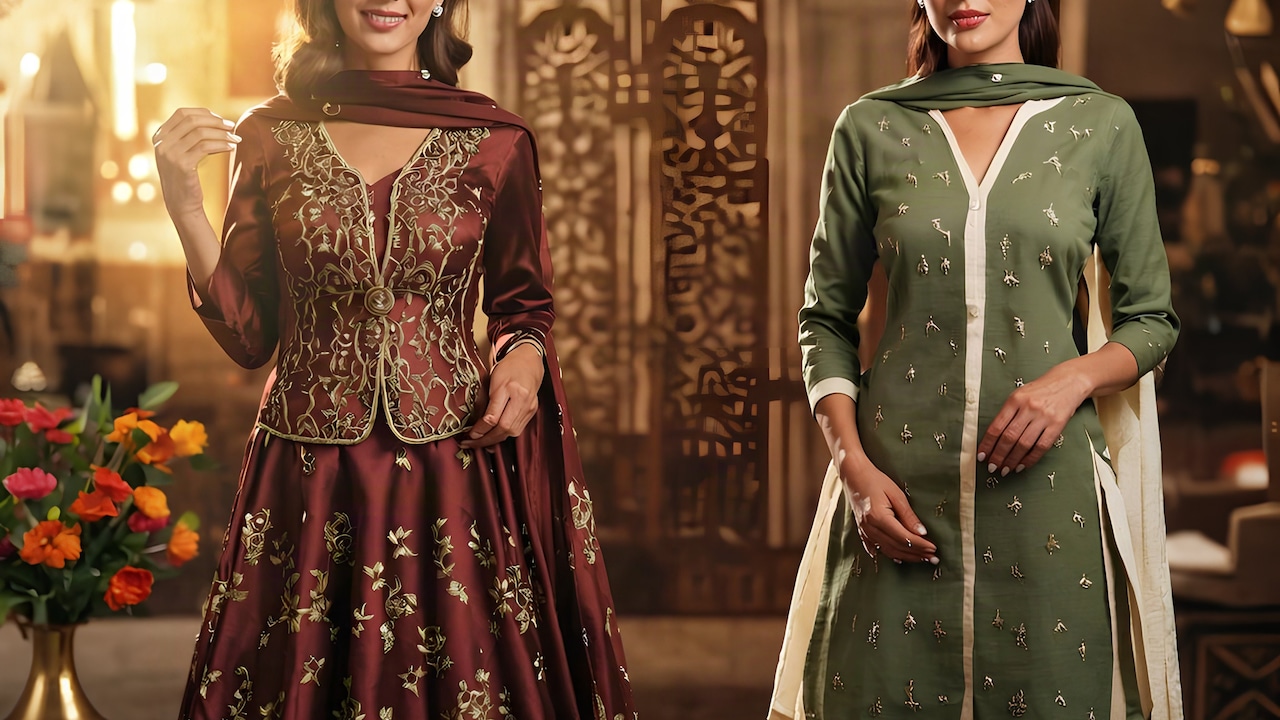
How Kurtis and Tunics Redefine Everyday Fashion To Blur Cultural Lines
Kurtis and tunics have moved beyond tradition into everyday wardrobes. Comfortable, versatile, and culturally fluid, they now define modern dressing across work, travel, and daily life, blurring boundaries without losing identity. Discover the benefits of kurtis and tunics as everyday casual wear.
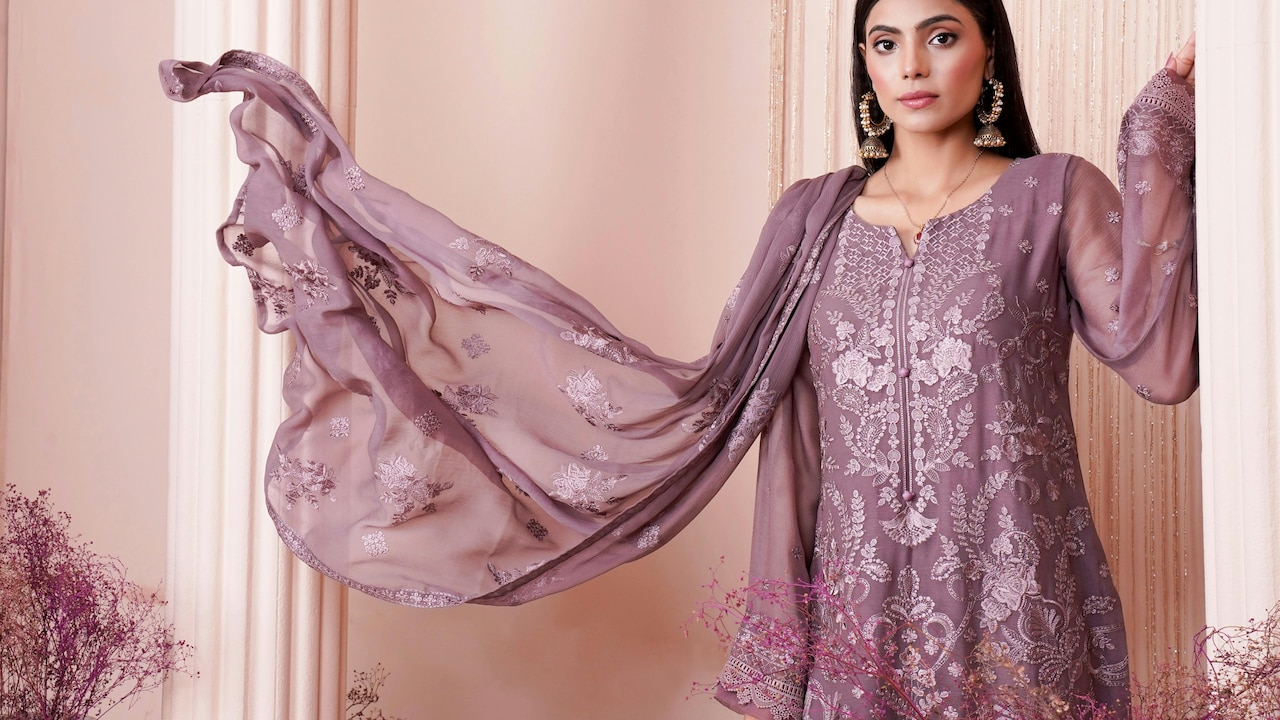
Know How Kurtis and Tunics Have Become Staples Of Modern Everyday Wear.
Everyday fashion rarely announces revolutions. It slips in gently, one outfit at a time, until suddenly it feels impossible to imagine life without it. Kurtis and tunics have done exactly that. Once worn mainly for traditional occasions or regional comfort, they now appear everywhere, from start-up offices in Bengaluru to evening strolls in Jaipur's old lanes. What makes these garments so compelling lies in their quiet adaptability. They suit all ages, body types, and moods. They pair just as easily with leggings as with denim, and look equally at home with kolhapuris or white sneakers.
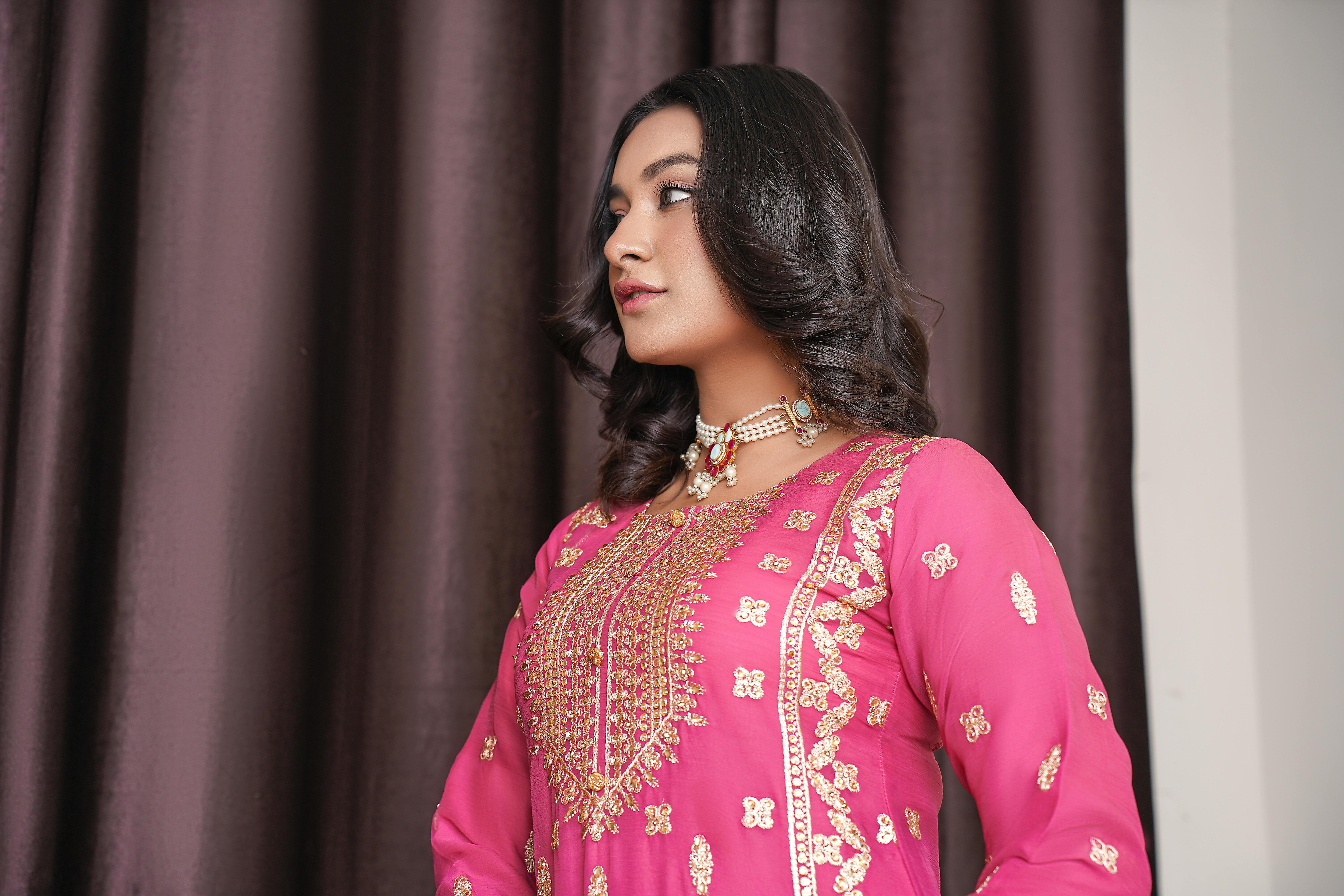
Explore what makes kurtis an ideal choice for everyday wear; Photo Credit: Pexels
Here we explain how kurtis and tunics redefine everyday fashion and blur cultural lines. Kurtis and tunics blend heritage, practicality, and global influence into one effortless look.
Also Read: Festive Fashion Finds: Short Kurtis That Blend Celebration With Comfort
Where Comfort, Culture And Contemporary Style Meet
1. Comfort as the New Style Statement
Comfort once played second fiddle to appearance. That hierarchy has shifted. Kurtis and tunics lead this change by offering ease without sacrificing style. Soft cottons, breathable linens, and relaxed silhouettes suit long hours, crowded transport, and unpredictable weather.
A kurti worn during a nine-hour workday feels forgiving, unlike stiff trousers or clingy fabrics. Tunics allow movement, whether chasing deadlines or managing household errands. This comfort-first approach has reshaped how fashion choices get made.
Local markets reflect this shift clearly. A well-stitched kurti priced around ₹800 often outsells trend-driven tops that cost twice as much but feel restrictive. Shoppers no longer see comfort as boring. Instead, it signals confidence and self-awareness.
Designers have noticed too. Cuts now flatter without clinging. Necklines remain stylish yet practical. Sleeves vary to suit different climates and preferences. Comfort has become aspirational, not apologetic, and kurtis and tunics sit proudly at the heart of this movement.
2. A Bridge Between Tradition and Modern Living
Kurtis and tunics thrive because they respect the past while embracing the present. They carry familiar elements, block prints, ikat patterns, and hand embroidery, yet adapt easily to modern life. This balance appeals to those who value heritage but live fast-paced, contemporary routines.
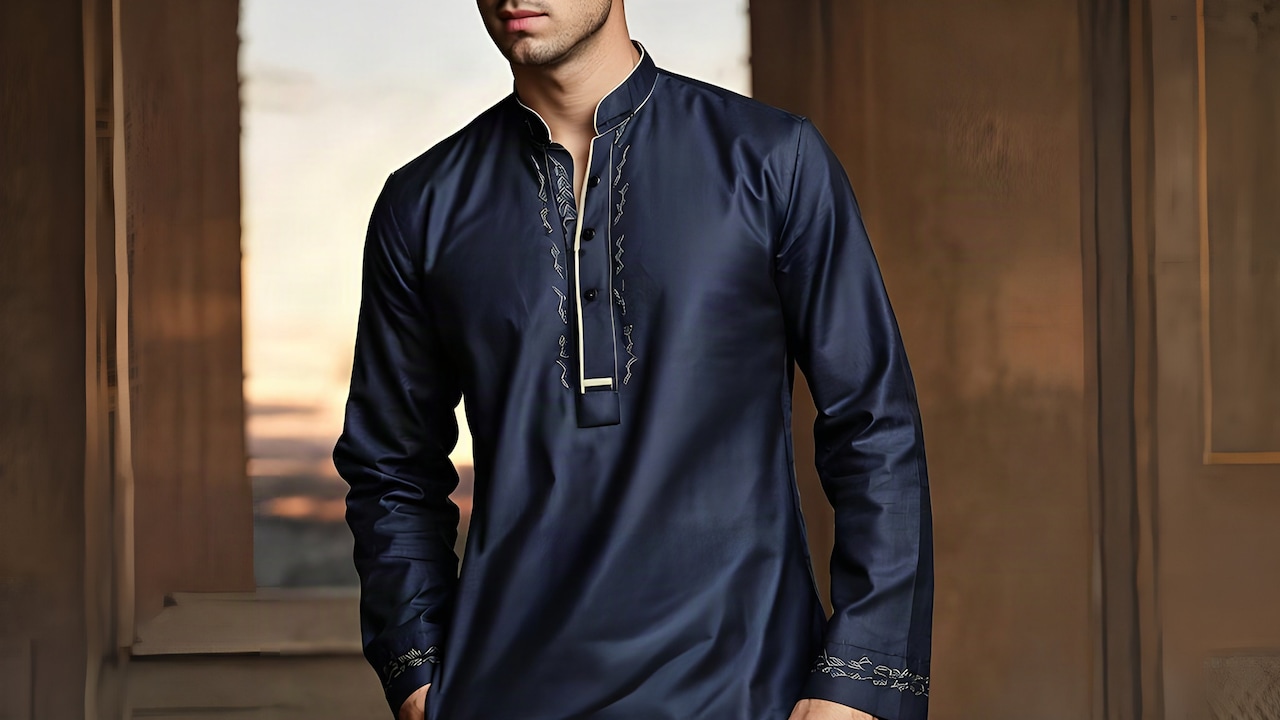
A straight-cut kurti with subtle embroidery works just as well for a festive lunch as for an office meeting when paired with tailored trousers. Tunics borrow global shapes but often use locally sourced fabrics, creating a blend that feels fresh yet grounded.
This flexibility helps cultural aesthetics travel beyond rigid settings. Wearing a kurti no longer signals a specific occasion or background. It simply reflects personal taste.
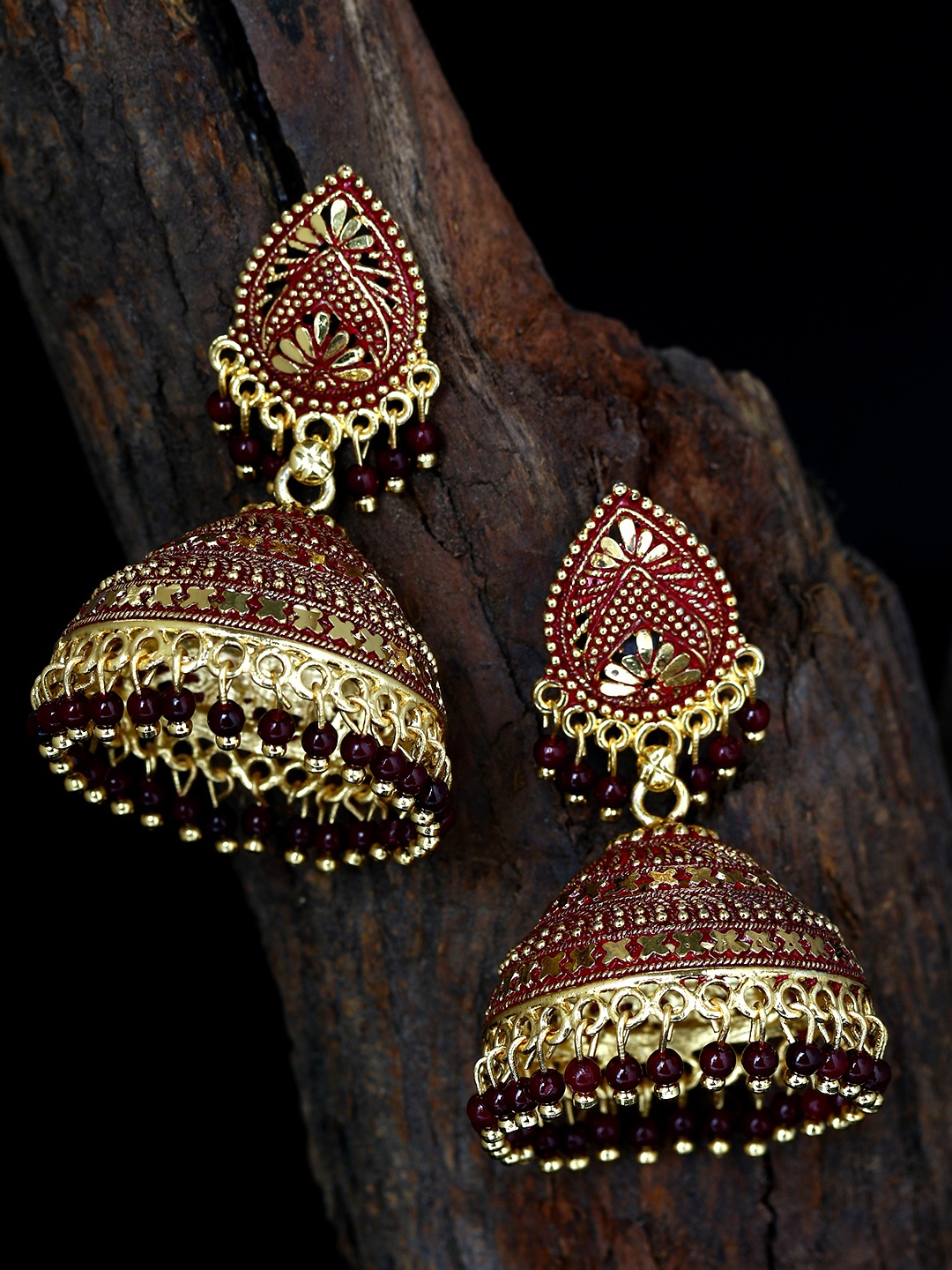
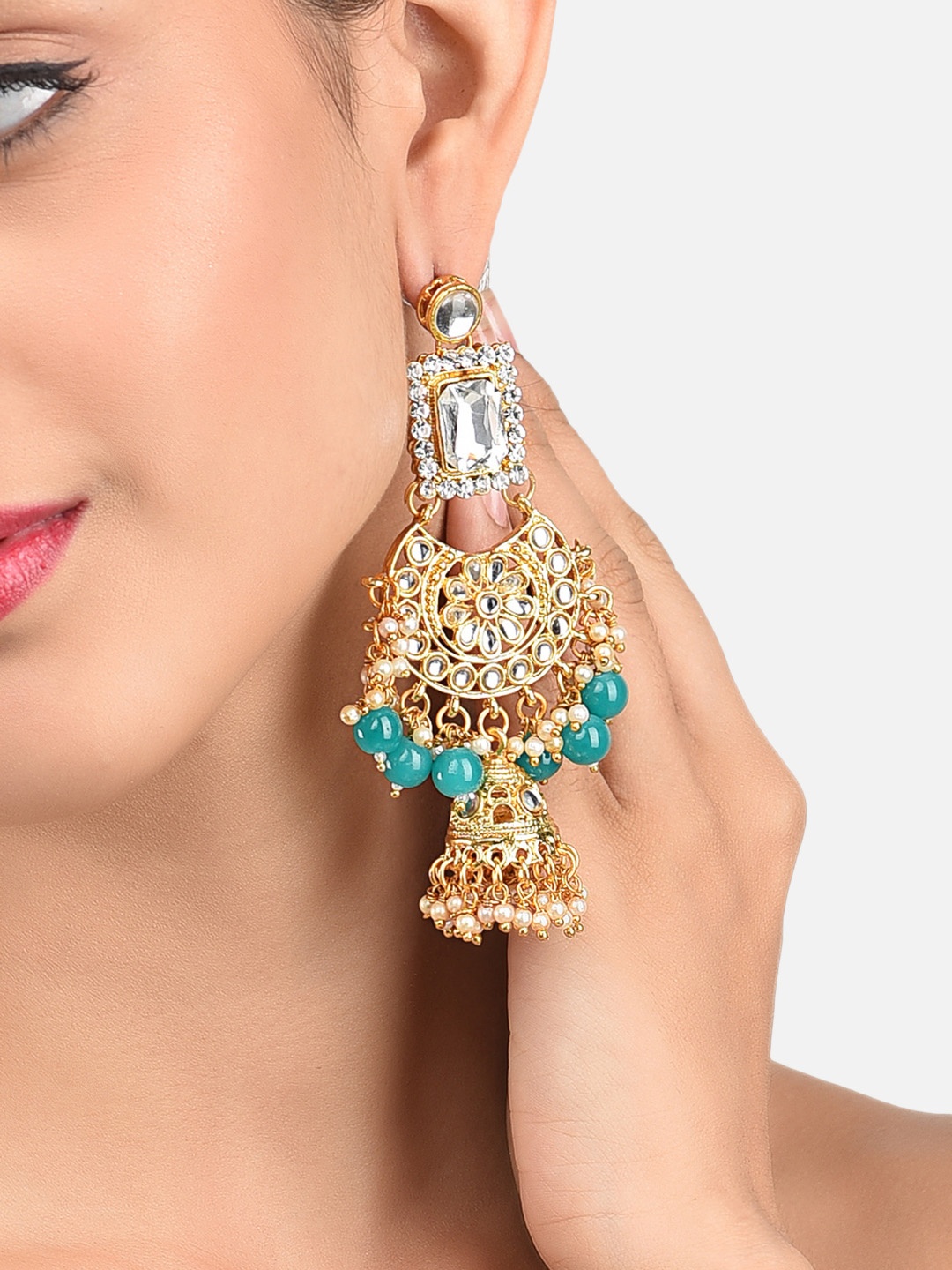
Such blending has softened cultural lines within fashion. People mix heirloom jewellery with minimalist tunics or pair traditional prints with smart watches. The result feels authentic rather than performative, showing how clothing can honour origins while evolving naturally.
3. Office Wear That Finally Makes Sense
Workwear has long struggled to balance professionalism and comfort. Kurtis and tunics quietly solved this problem. Many offices now welcome these garments as part of everyday dressing, especially in creative, tech, and education sectors.
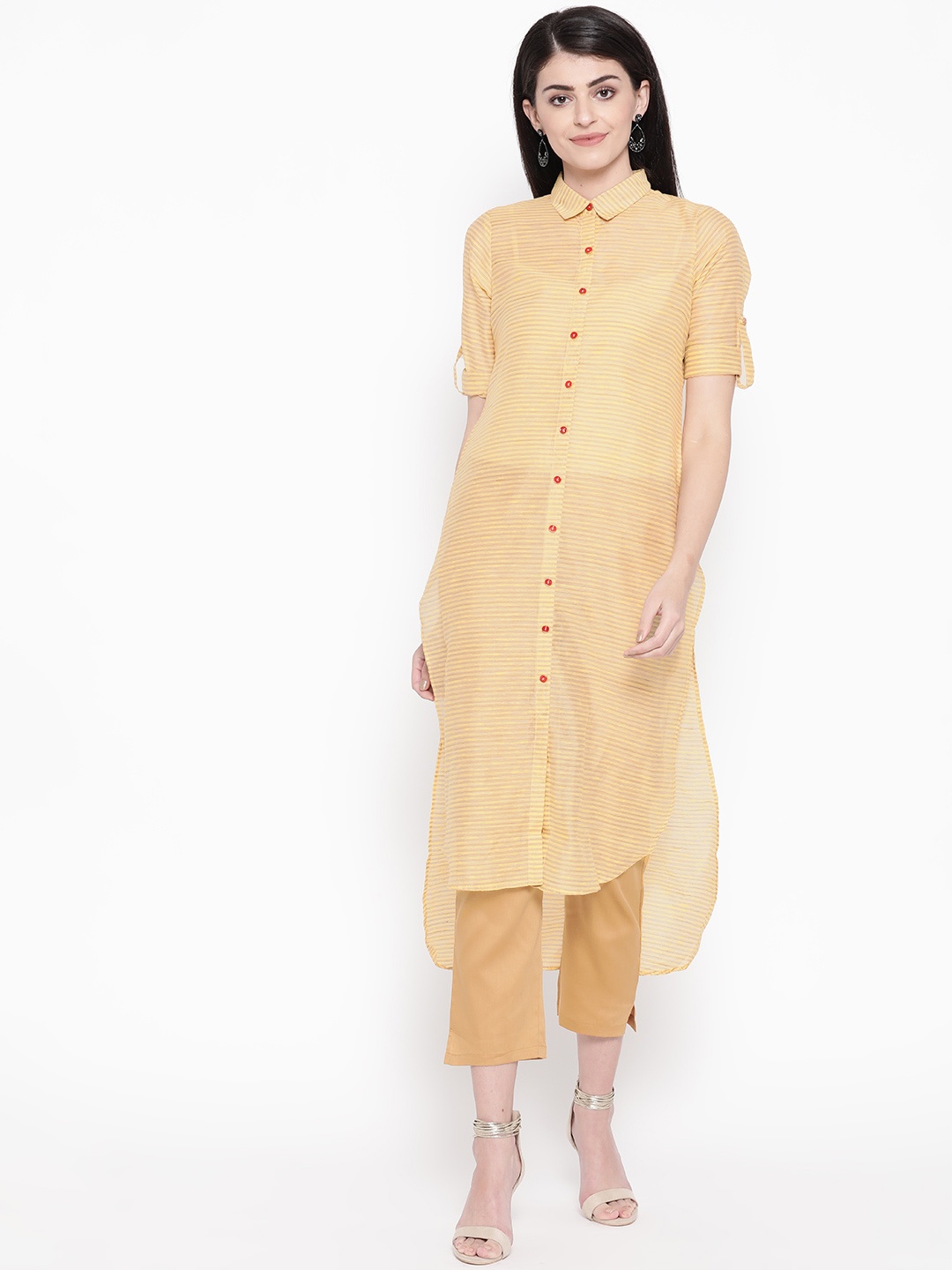
A knee-length kurti in muted tones offers polish without stiffness. Tunics paired with cigarette pants create clean lines suitable for meetings and presentations. Layering with light jackets or dupattas adds versatility.
Cost also plays a role. Building a functional office wardrobe using kurtis proves economical. A well-made piece costing ₹1,200 can rotate through multiple looks with different bottoms and accessories.
More importantly, these garments support long working hours. They reduce discomfort, boost confidence, and allow focus to remain on work rather than wardrobe malfunctions. When clothing works with the body instead of against it, productivity often follows.
4. Campus Culture and Youthful Expression
College campuses reveal fashion's most honest experiments. Kurtis and tunics have become staples here, worn with ripped jeans, palazzos, or even skirts. Students embrace them not out of obligation, but choice.
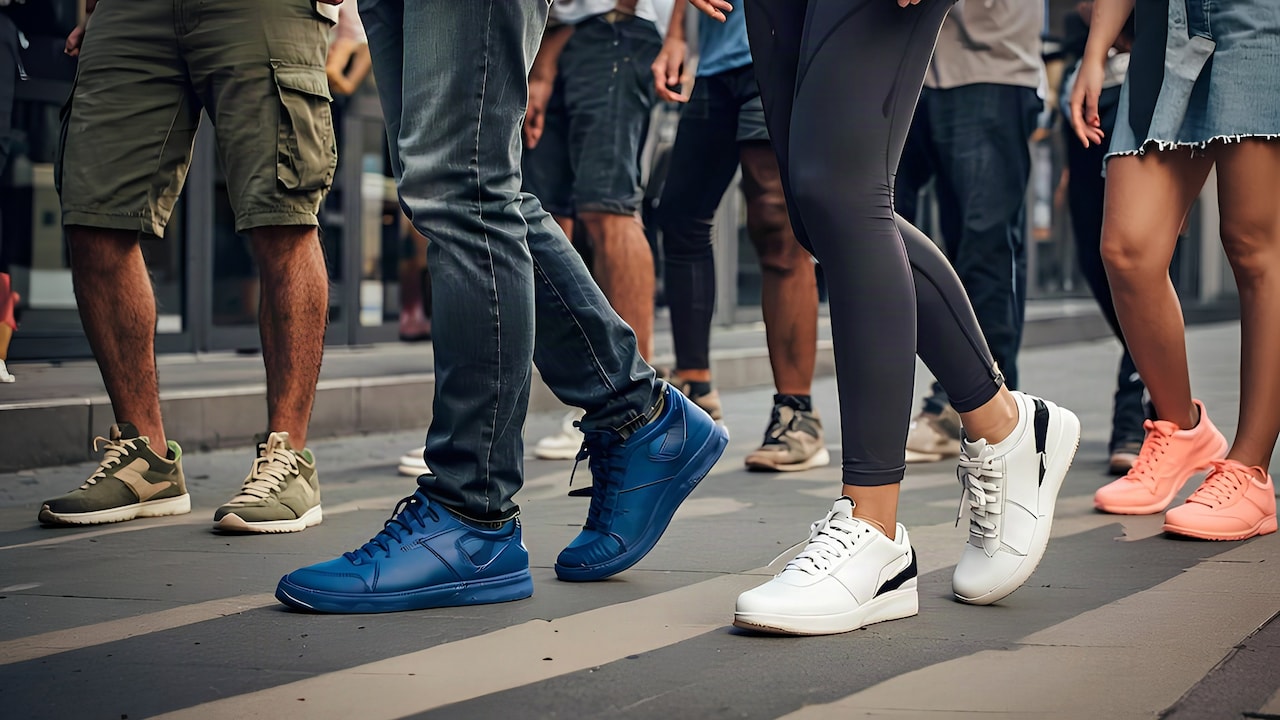
The appeal lies in versatility and individuality. A printed kurti from a flea market for ₹500 feels just as expressive as a branded tunic. Layered with backpacks, sneakers, and chunky earrings, these garments reflect youthful creativity.
They also suit diverse schedules. From early lectures to late-night study sessions, kurtis offer comfort without looking careless. Tunics allow playful styling through belts, scarves, or jackets.
This generation treats fashion as fluid. Cultural references mix freely with global influences. Kurtis and tunics fit perfectly into this mindset, serving as canvases for self-expression rather than symbols of tradition alone.
5. Global Silhouettes, Local Stories
Tunics draw inspiration from many parts of the world, yet local versions tell distinct stories. Designers reinterpret global shapes using regional fabrics, prints, and techniques. This fusion keeps fashion dynamic and relatable.
A tunic with a Western cut might feature ajrakh prints or handloom textures. The result feels worldly yet rooted. Such designs appeal to travellers, professionals, and anyone curious about style beyond borders.
This exchange works both ways. Kurtis appears in international collections, styled with boots or statement belts. Cultural aesthetics travel, adapt, and return transformed.
Rather than diluting identity, this blending enriches it. Clothing becomes a conversation between places and people. Kurtis and tunics act as translators, making cultural expression accessible and wearable in everyday life.
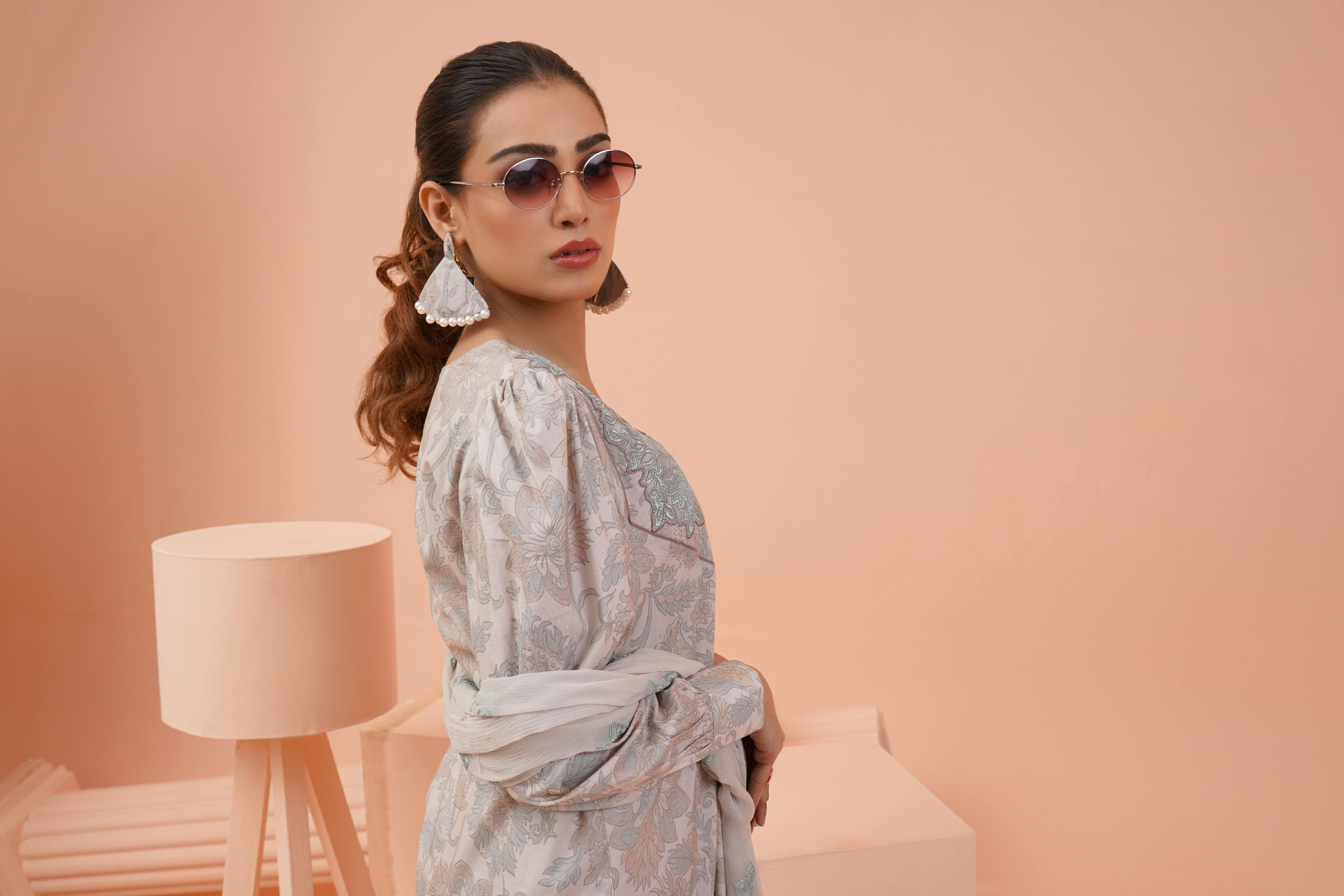
Kurtis and tunics come in a wide variety of designs and prints; Photo Credit: Pexels
6. Fashion That Respects All Body Types
One reason kurtis and tunics enjoy lasting popularity lies in their inclusivity. These garments suit different shapes, heights, and sizes without forcing conformity. Fashion feels kinder when it accommodates diversity naturally.
A-line kurtis flatter curves while offering comfort. Straight cuts create clean silhouettes for taller frames. Tunics with adjustable ties or belts allow personal control over fit.
Shoppers appreciate this flexibility. Many feel seen and considered rather than excluded by standard sizing. A garment that adapts earns loyalty.
Retailers have responded by expanding size ranges and custom tailoring options. A well-fitted kurti often becomes a wardrobe favourite, worn repeatedly with pride. Inclusivity here feels organic, not performative, and that authenticity resonates deeply.
7. Everyday Sustainability in Practice
Sustainability often sounds abstract, but kurtis and tunics make it tangible. Many use natural fibres, handloom fabrics, and traditional dyeing methods. These choices reduce environmental impact while supporting local artisans.
Longevity matters too. A good kurti lasts for years with proper care. It adapts to changing trends through styling rather than replacement. This slow-fashion approach suits everyday realities.
Budget-conscious shoppers recognise this value. Spending ₹1,500 on a durable piece feels wiser than chasing fast fashion cycles. Repairs and alterations extend life further.
By choosing such garments, wearers participate in sustainability without slogans or sacrifice. Fashion becomes thoughtful, practical, and responsible, qualities increasingly important in modern wardrobes.
8. The Rise of Fusion Styling
Fusion styling thrives on creativity, and kurtis and tunics encourage experimentation. They pair effortlessly with jeans, skirts, jackets, or even saree belts. Rules loosen, and personal style takes centre stage.
Social media amplifies this trend. Influencers showcase endless combinations, inspiring everyday wearers to try something new. A simple kurti transforms with bold lipstick and statement footwear.
This playfulness blurs cultural expectations around clothing. Wearing a kurti with sneakers no longer raises eyebrows. Instead, it signals confidence and individuality.
Fusion styling keeps these garments relevant. They adapt to trends without losing character. Fashion feels less about conformity and more about storytelling, with kurtis and tunics as trusted narrators.
9. Festivals, Travel, and Daily Life
Kurtis and tunics transition smoothly across settings. A festive kurti with embellishments suits celebrations, while a plain cotton version handles daily errands. Packing for travel becomes simpler when one garment serves multiple purposes.
Tourists favour tunics for comfort during long days of exploring. Lightweight fabrics, easy layering, and modest coverage suit varied environments. Photographs capture style without effort.
Festive dressing also evolves. People now prefer understated elegance over heavy outfits. A well-chosen kurti paired with jewellery achieves this balance.
This adaptability reinforces everyday relevance. Clothing that moves through different moments with ease earns a permanent place in wardrobes.
10. Fashion as Quiet Cultural Dialogue
Ultimately, kurtis and tunics represent more than clothing. They embody dialogue between past and present, comfort and style, local and global. They allow cultural expression without rigidity.
Wearing these garments feels natural, not symbolic. They blend into daily life while carrying subtle stories. This quiet confidence resonates strongly.
As cultural boundaries soften, fashion reflects shared experiences rather than divisions. Kurtis and tunics show how clothing can unite aesthetics, values, and lifestyles effortlessly.
Their continued presence suggests staying power. Trends may change, but garments that understand people rarely fade.
Products Related To This Article
1. Libas Floral Printed Shirt Collar Neck Tunic
2. Janasya Women's Orange Pure Cotton Floral Printed Flared Tunic
3. Youthnic Women's Bandhani Printed & Embroidered Relaxed Fit Pocket Boxy Shirt Style Top
4. Janasya Floral Printed Mandarin Collar Pure Cotton Pleated A-Line Tunic
5. RANGMANCH BY PANTALOONS Shirt Collar Printed Tunic
6. Global Desi Mandarin Collar Tunic
7. Soch Mandarin Collar Printed Tunic
Kurtis and tunics have reshaped everyday fashion by doing something remarkably simple: listening. They respond to changing lifestyles, diverse bodies, and evolving tastes without losing authenticity. They offer comfort without compromise and style without exclusion. As wardrobes continue to evolve, kurtis and tunics remain trusted companions, reliable, expressive, and endlessly adaptable.
(Disclaimer: This article may include references to or features of products and services made available through affiliate marketing campaigns. NDTV Convergence Limited (“NDTV”) strives to maintain editorial independence while participating in such campaigns. NDTV does not assume responsibility for the performance or claims of any featured products or services.)