Why Most Sling Bags Feel Uncomfortable: The Weight Distribution Rule Designers Often Miss
Most sling bags overlook a simple rule of weight distribution. The result? Shoulder strain, poor posture, and daily discomfort. Understanding this small design flaw reveals why some bags feel light while others quickly become a burden.

The Simple Weight Distribution Rule That Most Sling Bags Ignore And Why It Matters.
Sling bags have become a familiar sight on city streets, metro platforms, and weekend markets. They promise convenience. One strap, quick access, and a compact profile make them ideal for daily essentials such as a phone, wallet, power bank, notebook, or even a small tablet.
The appeal feels obvious. Compared with bulky backpacks, a sling bag offers freedom. Compared with handbags, it keeps both hands free. For commuters rushing for a local train or someone weaving through evening traffic on a scooter, that simplicity feels priceless. Yet comfort tells a different story.
After a few hours, many users notice the same problem. The shoulder begins to ache. The strap digs into the collarbone. The bag shifts forward or backwards with every step. Even a bag carrying barely a kilogram suddenly feels heavier.
This discomfort rarely comes from the amount of weight inside the bag. The real issue lies in how that weight spreads across the body.
A fundamental rule of weight distribution determines whether a bag feels light or exhausting. Many sling bags ignore it entirely. As a result, the bag pulls the body off balance, forcing muscles to compensate.
Understanding this rule not only explains the discomfort but also reveals what a well-designed sling bag should actually look like.

The Simple Weight Distribution Rule That Most Sling Bags Ignore: And Why It Matters
Photo Credit: Pexels
How Weight Distribution Affects Sling Bag Comfort
The Hidden Physics Behind Everyday Carry
A sling bag may look simple, yet it operates on basic principles of balance and leverage. When weight hangs from one shoulder, gravity pulls the load downward. The body then shifts to counterbalance that pull.
If the weight sits too far from the centre of the body, the shoulder must work harder to stabilise it. Muscles in the neck and upper back tighten to prevent the bag from swinging.
This explains why a bag with just a tablet, charger, and notebook can suddenly feel tiring during a long commute. The problem lies not in the weight but in its distance from the body.
Imagine holding a ₹10 coin in the palm. The effort feels negligible. Now imagine holding a ₹10 coin at the end of a long stick. Suddenly, the arm feels the strain. The weight remains identical, yet leverage changes everything.
The same principle applies to sling bags.
When designers place compartments away from the body or allow the bag to hang loosely, the load moves outward. The shoulder then acts like a pivot point, increasing pressure.
A good sling bag reduces this distance and keeps the weight close to the torso. That simple adjustment transforms comfort.
The Centre Of Gravity Most Sling Bags Ignore
Every object has a centre of gravity, the point where its mass balances. When a bag's centre of gravity sits close to the body, the load feels stable. When it shifts outward, the bag begins to swing and pull.
Many sling bags ignore this principle during design.
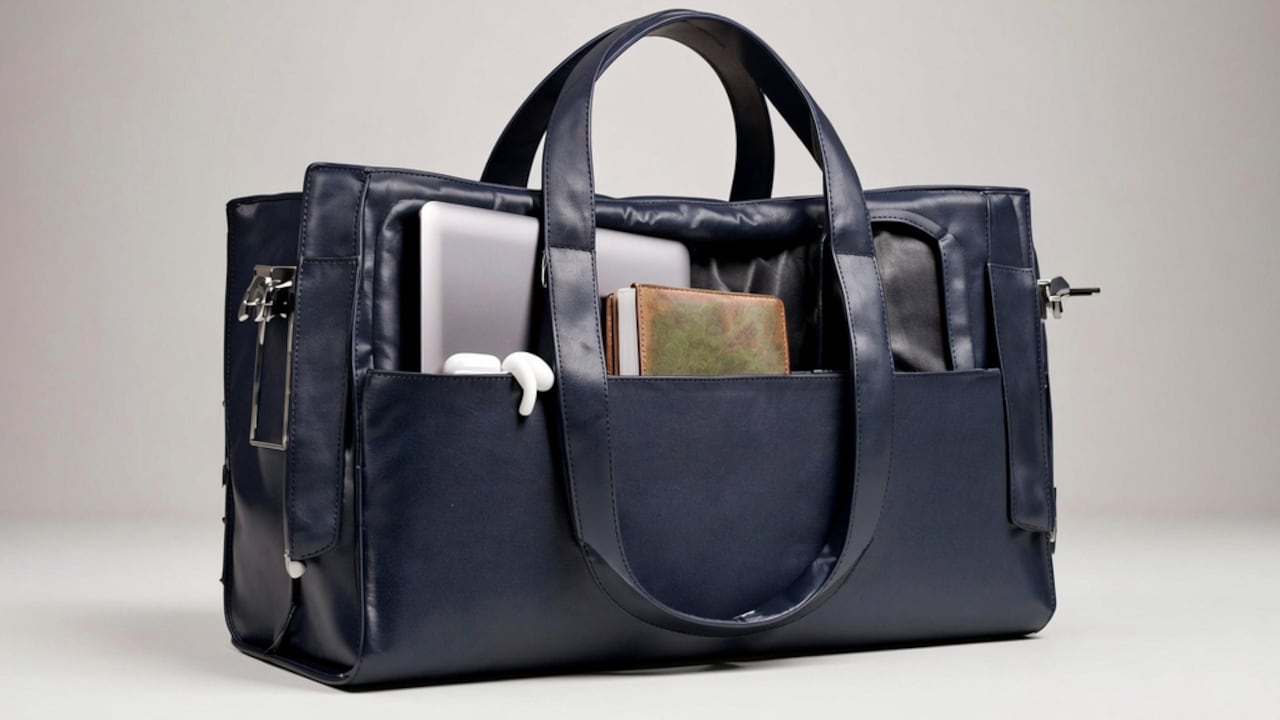
A common example appears in bags with large outer pockets. Designers place frequently used items like phones or wallets in compartments facing away from the body. While access becomes easy, the weight moves outward.
The bag then tilts away from the torso.
During a walk through a crowded market or a long day at work, this imbalance becomes obvious. The strap tightens against the shoulder while the bag slowly rotates outward.
A balanced sling bag positions heavier items closer to the back panel. Items such as power banks, water bottles, or gadgets should rest against the body rather than the outer layer.
This arrangement keeps the centre of gravity closer to the wearer. As a result, the bag feels lighter even when carrying the same items.
Why One Shoulder Carries More Than Just The Bag
A sling bag places the entire load on a single shoulder. That design introduces asymmetry.
Human bodies handle balanced loads far better than uneven ones. A backpack spreads weight across both shoulders. A sling bag concentrates everything on one side.
This imbalance triggers subtle compensations.
The shoulder carrying the bag rises slightly. The opposite shoulder drops. The spine shifts to maintain equilibrium. Over time, this posture creates tension along the neck and upper back.
Many people dismiss this discomfort as a normal part of carrying a bag. Yet good weight distribution can reduce the strain significantly.
When the bag sits flat against the back or chest and the strap angles correctly across the torso, the body shares the load more effectively.
The difference feels small at first. However, during a long metro ride or a full day of errands, that small adjustment can prevent hours of discomfort.
The Strap Angle That Changes Everything
The strap of a sling bag does more than hold the bag. It controls how the weight travels across the body.
A poorly positioned strap creates pressure on a single point of the shoulder. Over time, that pressure causes soreness or numbness.
A well-designed strap distributes the load diagonally across the torso.
When the strap runs from one shoulder to the opposite hip, it spreads weight across the chest and back rather than concentrating it in one spot. This arrangement reduces pressure and stabilises the bag.
Some designs also include adjustable anchor points that allow the bag to sit higher on the back. A higher position keeps the load closer to the centre of the body.
The improvement feels immediate. The bag stops swinging with every step and begins to move with the body.
A simple strap adjustment often transforms a frustrating bag into a surprisingly comfortable one.
Compact Size Does Not Guarantee Comfort
Many sling bags advertise their compact size as a major advantage. Smaller bags appear lightweight and practical.
Yet compact size alone does not guarantee comfort.
A poorly designed small bag can feel heavier than a well-designed larger one. The reason lies in internal organisation.
Without structured compartments, items shift inside the bag. A power bank slides to one corner, keys move to another, and a water bottle tilts sideways.
The shifting weight creates an imbalance with every step.
A thoughtful interior layout prevents this movement. Compartments positioned near the back panel anchor heavier items close to the body.
Even a small divider between sections can stabilise the load dramatically.
When weight remains evenly distributed, the bag feels predictable and stable. That sense of balance reduces fatigue during long walks through crowded streets or busy shopping areas.
When Style Wins Over Practicality
Modern sling bags often prioritise sleek aesthetics. Sharp angles, glossy materials, and bold branding catch attention.
However, style sometimes overrides practical design.
Many fashionable sling bags feature thin straps, minimal padding, and shallow interiors. While the bag looks elegant, it sacrifices comfort.
Thin straps concentrate weight on a narrow area of the shoulder. Minimal padding increases pressure points. Shallow interiors push items outward rather than inward toward the body.
The result appears stylish yet uncomfortable.
A good sling bag quietly balances form and function. The strap feels wide enough to distribute pressure. The back panel offers subtle padding. The compartments guide heavier items toward the centre.
These features rarely dominate marketing photos, yet they determine how the bag feels after several hours of use.
A bag should not merely look light. It should actually feel light.
The Everyday Items That Shift The Balance
The contents of a sling bag influence weight distribution as much as its design.
A phone, charger, notebook, sunglasses, and keys may not seem heavy individually. Together, they create a shifting load.
A common mistake involves placing the heaviest item in the outermost pocket for easy access. That choice moves the centre of gravity away from the body.
Instead, heavier items should rest against the back panel of the bag.
For example, placing a power bank or compact umbrella closer to the body stabilises the bag. Lighter items such as receipts, earphones, or a hand sanitiser bottle can occupy outer pockets.
This simple habit changes how the bag behaves during movement. The bag stays closer to the torso rather than swinging outward.
Small adjustments like these often improve comfort without buying a new bag.
Commuting Reveals The Real Problem
The true test of a sling bag rarely happens in a shop. It appears during daily routines.
A morning commute often involves walking briskly, climbing stairs, and standing in crowded trains or buses. During these moments, a poorly balanced bag reveals its flaws.
The bag slides forward while boarding. The strap twists while standing. The weight shifts during every sudden stop.
These constant adjustments force the shoulder and neck muscles to work harder.
A balanced sling bag behaves differently. It stays close to the body and moves naturally with each step.
That stability reduces the need for constant readjustment. The wearer stops thinking about the bag entirely.
And that, perhaps, represents the real goal of good design. A bag should support daily life quietly rather than demanding attention every few minutes.

The Simple Weight Distribution Rule That Most Sling Bags Ignore: And Why It Matters
Photo Credit: Pexels
Why Designers Often Miss The Rule
If the rule of weight distribution appears so simple, why do many sling bags ignore it?
Part of the answer lies in marketing priorities.
Many designs focus on visual appeal, slim profiles, or the promise of quick access. These features photograph well and attract buyers in stores.
Weight distribution, however, rarely shows up in a product photo.
Another factor involves manufacturing constraints. Creating structured interiors, reinforced straps, and balanced compartments increases production costs.
Brands often cut these elements to keep prices attractive.
Yet consumers increasingly recognise the difference between a bag that merely looks good and one that genuinely supports everyday use.
As awareness grows, thoughtful design begins to matter more than cosmetic appeal.
Products Related To This Article
1. Van Heusen Croc-Textured Sling Bag
2. ZOUK Floral Printed Structured Sling Bag
3. Allen Solly Women Quilted Sling Bag
4. Diva Dale Embroidered Structured Sling Bag
5. Fastrack Brown Solid Sling Bag
A sling bag may appear simple, yet comfort depends on a surprisingly precise balance of physics, design, and everyday habits.
The key rule remains straightforward: keep the weight close to the body and distribute it intelligently.
When designers ignore this rule, the bag pulls away from the torso, shifting the centre of gravity and forcing the shoulder to compensate. Over time, this imbalance leads to fatigue and discomfort.
Small details make a significant difference. Strap angle, compartment placement, interior structure, and even packing habits influence how a bag feels during a busy day.
A well-designed sling bag does not rely on flashy styling or oversized branding. Instead, it quietly respects the body's natural balance.
Once that balance exists, even a fully packed bag can feel surprisingly light.
And perhaps that realisation changes how one looks at every sling bag in a shop window, less as a fashion accessory and more as a small piece of everyday engineering.
(Disclaimer: This article may include references to or features of products and services made available through affiliate marketing campaigns. NDTV Convergence Limited (“NDTV”) strives to maintain editorial independence while participating in such campaigns. NDTV does not assume responsibility for the performance or claims of any featured products or services.)