Why PVC Flats Can Feel Worse In Heat Than Leatherette Styles
PVC flats trap heat and sweat more aggressively than leatherette styles, making feet feel sticky, overheated, and uncomfortable during warm weather. The material may look trendy, but comfort often suffers once temperatures rise.
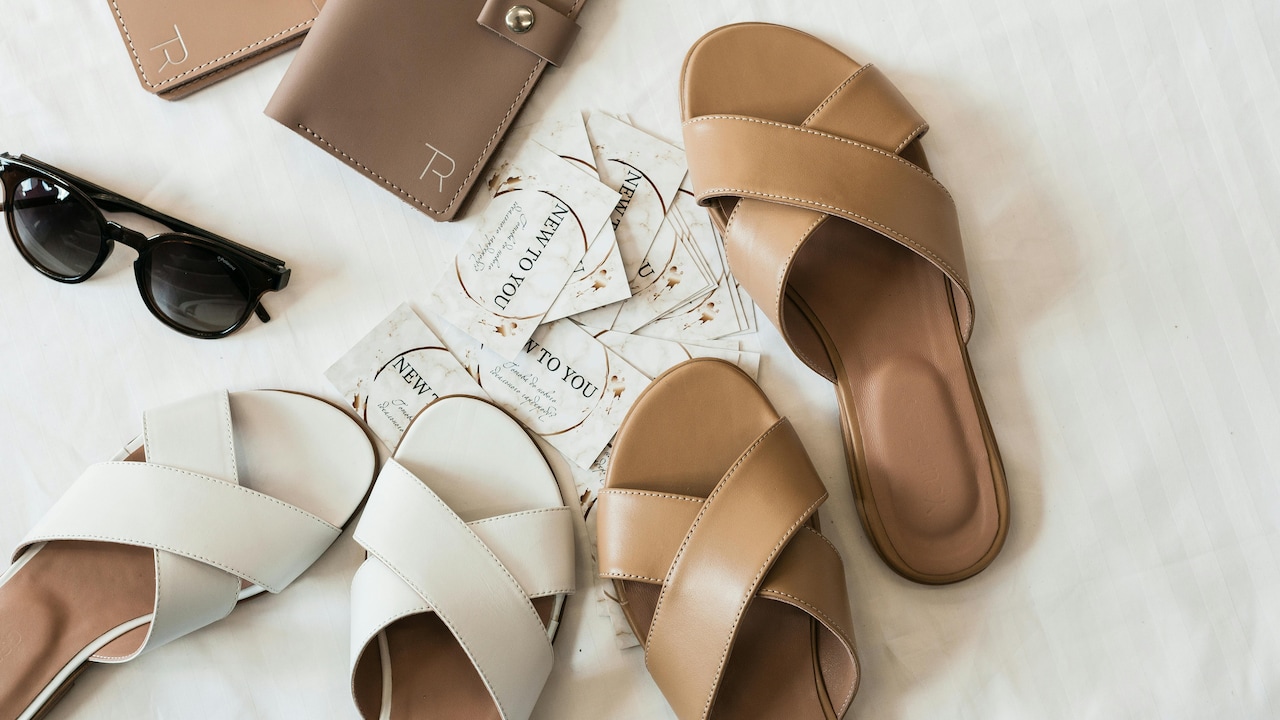
How to choose the best footwear material for summer
Hot weather changes the relationship people have with footwear. During cooler months, almost any pair of flats can survive daily errands, office runs, and weekend shopping trips without causing drama. The moment summer arrives, though, shoes begin revealing their true personality. PVC flats usually win attention because they shine brightly on store shelves. They come in cheerful colours, trendy transparent straps, and tempting price tags that often sit comfortably around ₹500 to ₹1,500. At first glance, they seem perfect for everything from brunch outings to festive shopping marathons. Yet after a few hours in rising temperatures, many wearers discover an unpleasant reality. Feet start sweating. Straps feel sticky. Soles heat up like frying pans left on a balcony.
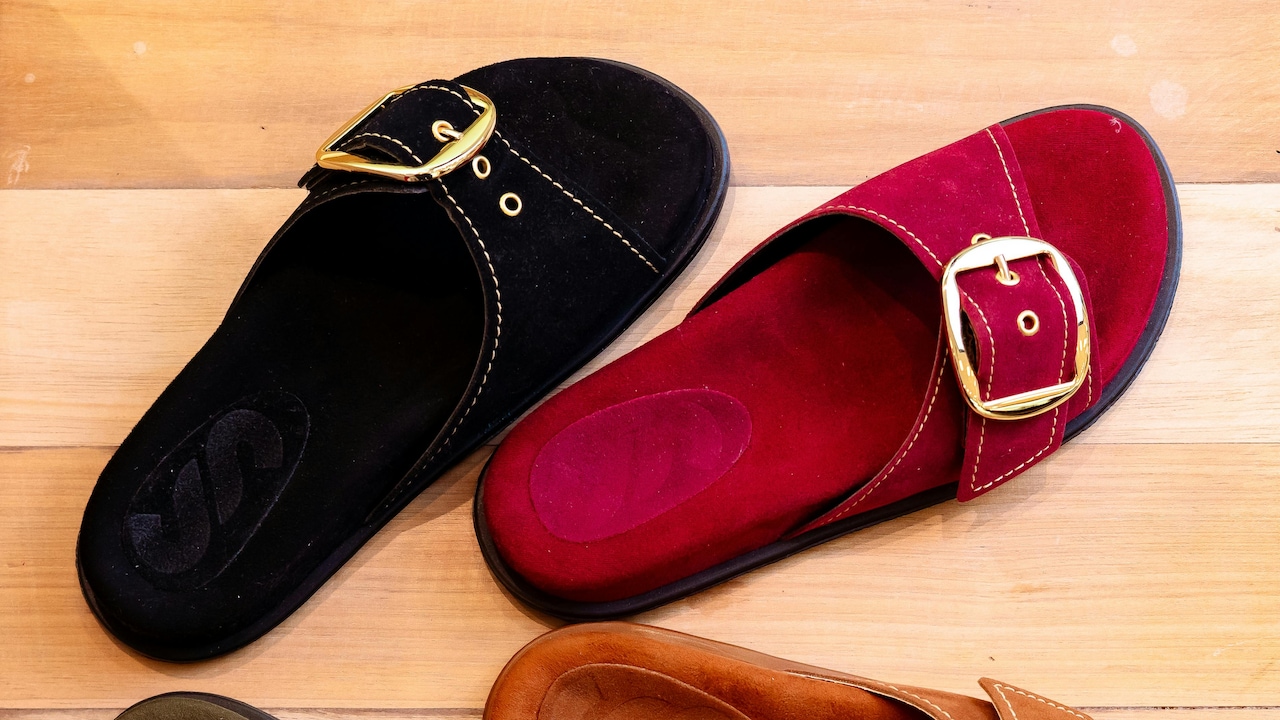
PVC vs leatherette flats which is a better choice in summer
Photo Credit: Pexels
Leatherette flats, despite not being genuine leather, often manage heat better. They may not feel luxurious, but they tend to offer slightly more comfort and flexibility when temperatures climb above the pleasant range. The difference lies in the material, construction, airflow, and the way heat interacts with skin.
Anyone who has rushed across a sun-baked pavement in May knows footwear can either rescue the day or ruin the mood completely. A stylish pair of flats should not feel like portable steam chambers. Understanding why PVC behaves differently can help shoppers avoid regrettable purchases and save themselves from sweaty-foot misery later.
Also Read: Shopping For Flats Footwear? Here Are Top 5 Brands in India For Everyday Wear
Why PVC Flats Can Feel Worse In Heat Than Leatherette Styles
The Material Traps Heat More Aggressively
PVC has one major problem during warm weather: it traps heat like plastic wrap around leftovers. Since the material lacks breathability, warm air struggles to escape once feet begin heating up naturally. The result feels uncomfortable within minutes.
Leatherette, although synthetic, usually contains layered fabrics beneath the surface coating. Those layers allow slightly better air movement. It is not exactly mountain breeze ventilation, but even a little airflow makes a noticeable difference when walking outdoors.
Think about crowded metro stations during peak summer. Feet already deal with humidity, packed spaces, and long periods of standing. Add PVC flats into that equation, and the temperature inside the shoe climbs rapidly. The sole absorbs heat from the road while the upper layer locks it inside. Feet begin sweating almost immediately.
Many people mistake this discomfort for poor sizing. In reality, the issue often comes from heat retention. A perfectly sized PVC flat can still feel suffocating because the material behaves more like a sealed surface than wearable footwear.
This becomes especially obvious during afternoon outings. Even a short walk from a parking area to a shopping centre can leave feet overheated. Leatherette styles generally feel less intense because they release some trapped warmth instead of storing it.
Sweat Has Nowhere To Go
Sweaty feet may not sound glamorous, but they become unavoidable in hot weather. Human feet contain thousands of sweat glands, and once temperatures rise, they work overtime.
PVC flats create trouble because sweat cannot evaporate properly. Instead, moisture stays trapped between the skin and the material. That sticky sensation many people complain about comes directly from this moisture build-up.
Leatherette handles this slightly better because its texture often includes fabric backing or softer linings. Those components absorb and disperse small amounts of moisture instead of trapping everything against the skin.
Anyone who has removed PVC flats after a long day knows the awkward moment. The feet feel damp, the straps cling strangely, and sometimes there is even a faint squeaky sound while walking. It feels less like elegant fashion and more like battling cling film attached to the toes.
Sweat accumulation also increases friction. Once feet become moist, the skin rubs more aggressively against straps and edges. That friction often leads to redness and irritation, especially near the little toe or heel.
In humid cities, this discomfort becomes far worse. Even short commutes can leave feet feeling exhausted. Leatherette is not perfect, but it usually creates less of that slippery, overheated feeling that PVC often causes.
PVC Soles Heat Up Faster On Roads
Road surfaces during summer become brutally hot. Pavements, tiled walkways, and parking lots absorb sunlight for hours. Footwear materials react differently to this heat, and PVC tends to absorb and retain warmth quickly.
That means the sole begins heating from underneath while the upper section traps warmth from above. Feet end up caught in a tiny personal oven.
Leatherette flats usually combine mixed materials in the sole construction. Rubber blends, cushioned inserts, or fabric layers help reduce direct heat transfer. PVC styles, especially cheaper ones, often skip these comfort features to cut costs.
The difference becomes obvious during outdoor errands. Walking through local markets around noon can feel manageable in some flats and unbearable in others. PVC soles frequently create a burning sensation after prolonged exposure to heated surfaces.
Many people try solving the issue with foot powder or cotton socks. Unfortunately, flats rarely work well with socks, and powder only offers temporary relief. The core issue remains the same: the material itself stores heat too efficiently.
Budget-friendly footwear often attracts shoppers because the design looks fashionable at first glance. Yet comfort rarely reveals itself under showroom lights. It appears later, during sweaty commutes and long walks under a blazing sky.
The Material Feels Stiffer Against Skin
Comfort depends heavily on flexibility. Feet naturally expand slightly in heat, and soft materials adapt better to those changes. PVC tends to remain stiff, especially in lower-priced footwear.
This stiffness becomes uncomfortable once temperatures rise. The straps press harder against swollen feet, creating irritation and pressure marks. Some flats even leave visible imprints by evening.
Leatherette generally feels softer because manufacturers often pair it with flexible lining materials. The structure bends more naturally while walking, reducing pressure on sensitive areas.
The problem grows worse during long wear. A pair of PVC flats may feel fine while trying them indoors for five minutes. After three hours outdoors, though, the rigid straps start digging into the skin.
Many shoppers recognise this feeling instantly. The back strap rubs the ankle raw. Toe separators feel abrasive. Side edges scrape repeatedly during every step. Suddenly, a stylish purchase begins inspiring regrets.
Stiff footwear also affects walking posture. People unconsciously adjust their stride to avoid discomfort, which can create fatigue in the legs and lower back. Leatherette styles usually move more naturally with the foot, making them easier to wear during longer outings.
Fashion should not require silent suffering. Unfortunately, PVC flats often demand exactly that once summer temperatures peak.
Humidity Makes PVC Feel Sticky
Heat alone creates discomfort, but humidity takes things to another level entirely. Moist air prevents sweat from evaporating quickly, which makes PVC flats feel unpleasantly sticky.
The smooth surface begins clinging to damp skin. Instead of gliding comfortably with movement, the material almost grips the foot awkwardly. Walking starts feeling irritating rather than effortless.
Leatherette usually has a slightly textured finish, which reduces that sticky sensation. Even when moisture appears, the material tends to feel less clingy against the skin.
This issue becomes particularly noticeable during the monsoon season when humidity levels remain high throughout the day. PVC flats can start feeling slippery inside, making movement awkward and unstable.
Anyone who has walked quickly through a crowded shopping mall while feet slide around inside sweaty flats understands the struggle. Every step feels uncertain. The toes grip desperately for balance. Meanwhile, the straps seem determined to behave like adhesive tape.
Humidity also amplifies odour problems. Trapped moisture combined with heat creates an ideal environment for unpleasant smells. Leatherette is not immune, but PVC's non-breathable surface often makes the issue worse.
A fashionable pair of flats loses charm very quickly when the main memory attached to them involves sweaty feet and desperate searches for seating.
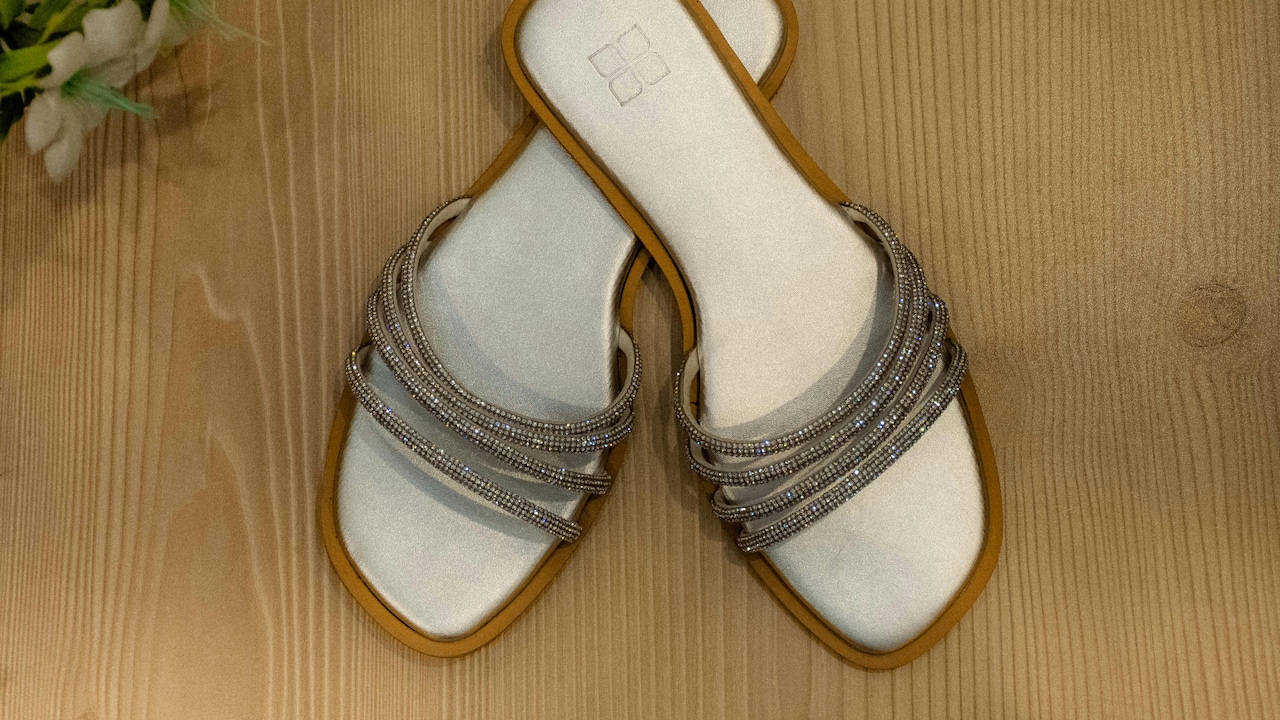
Humidity can make PVC flates feel sticky and uncomfortable; Photo Credit: Pexels
Cheap PVC Designs Often Skip Cushioning
Not all PVC footwear feels terrible. Higher-quality versions sometimes include cushioned footbeds and better construction. The problem is that many affordable styles prioritise appearance over comfort.
Thin soles dominate the budget market because they reduce manufacturing costs. Unfortunately, thin PVC soles offer minimal shock absorption and poor airflow. Heat transfers directly from the ground into the foot.
Leatherette flats frequently include foam layers or softer interiors because the material suits cushioned designs better. Even inexpensive pairs sometimes provide decent support.
Anyone who spends hours on their feet notices the difference quickly. Walking through large exhibitions, festive markets, or busy commercial streets becomes exhausting in flats with poor cushioning.
PVC styles also flatten faster over time. Once the sole compresses, comfort drops dramatically. Every rough surface begins feeling more intense underfoot.
This explains why some flats feel unbearable after just a few months despite looking visually intact. The appearance survives longer than the comfort level.
Many shoppers understandably focus on design first. A trendy transparent strap or glossy finish catches attention immediately. Cushioning rarely receives the same excitement during purchase decisions. Yet by the end of a scorching day, comfort suddenly becomes far more important than aesthetics.
Leatherette Adapts Better To Foot Movement
Feet rarely stay perfectly still while walking. They flex, expand, and shift constantly. Materials that adapt naturally tend to feel more comfortable during warm weather.
Leatherette usually offers better flexibility than PVC. It bends with movement instead of resisting it. This reduces pressure points and improves overall comfort during long wear.
PVC often feels rigid because it relies heavily on plastic compounds. Repeated movement can make the straps feel harsh, especially around joints and toe areas.
This becomes obvious during active days involving multiple errands. A person may begin the morning feeling perfectly comfortable, only to end the evening desperate to remove the shoes.
Flexible footwear also reduces rubbing. When materials move naturally with the foot, friction decreases. That means fewer blisters and less irritation during hot conditions.
Many people ignore flexibility while shopping because they test footwear while sitting down. The real test begins after hours of walking. Suddenly, the difference between stiff PVC and softer leatherette becomes impossible to ignore.
There is also a psychological side to comfort. Shoes that pinch and trap heat gradually affect mood. Small discomforts build quietly throughout the day until irritation sneaks into every interaction. Comfortable footwear may not solve life problems, but it certainly prevents unnecessary frustration.
PVC Flats Often Cause More Friction
Friction becomes the hidden villain of summer footwear. Heat creates sweat, sweat increases rubbing, and rubbing damages skin surprisingly fast.
PVC flats frequently create more friction because the material does not absorb moisture well. Damp skin slides repeatedly against smooth surfaces, causing irritation around pressure points.
Leatherette typically offers a gentler texture. Even when warm weather triggers sweating, the material feels less abrasive against the skin.
Blisters commonly appear near the heel, toe edges, and strap contact areas. Some people even develop small rashes after prolonged wear in PVC footwear during humid weather.
The irony feels almost comedic. A person buys open flats specifically to stay cool, only to discover the shoes themselves create discomfort. By afternoon, every step starts feeling like a negotiation.
Foot friction also increases when shoes fit loosely due to sweat. Moisture makes the foot slide around internally, causing repetitive rubbing with every movement.
Small design details matter enormously here. Slightly padded straps, textured interiors, and flexible edges can transform comfort levels completely. Leatherette designs often incorporate these elements more effectively than basic PVC styles.
Comfort may not sound exciting while browsing footwear racks, but blisters have a remarkable ability to dominate attention later.
Sun Exposure Changes PVC Texture
PVC reacts strongly to prolonged sunlight exposure. Over time, the material can harden, warp slightly, or become less flexible. That change affects comfort dramatically during the summer months.
Many people notice older PVC flats feel rougher after repeated exposure to heat. The once-smooth surface begins stiffening around edges and straps. Walking becomes increasingly uncomfortable.
Leatherette generally ages more gracefully. While it may peel eventually, it often retains flexibility longer than cheaper PVC footwear exposed to regular sunlight.
This matters because footwear rarely experiences gentle treatment during the summer. Flats sit inside parked vehicles, near windows, or under direct sunlight during outings. Heat exposure becomes unavoidable.
PVC also tends to lose softness unevenly. Certain sections harden faster, creating pressure spots that feel surprisingly sharp against the skin.
That explains why an older pair of flats suddenly starts causing irritation despite fitting perfectly before. The shape may remain unchanged visually, but the texture behaves differently.
People often continue wearing uncomfortable footwear simply because it still “looks fine.” Yet comfort deterioration usually begins long before visible damage appears.
Good footwear should age with dignity. Unfortunately, PVC sometimes behaves more like forgotten plastic containers left in the sun too long.
Fashion Trends Often Prioritise Looks Over Comfort
PVC flats exploded in popularity because they photograph beautifully. Transparent straps, glossy finishes, and bold colours create striking fashion statements. Social media helped push these styles into wardrobes everywhere.
Unfortunately, trendy footwear does not always prioritise practical comfort. Many fashionable PVC designs focus heavily on appearance while ignoring breathability and heat management.
Leatherette styles often lean toward classic designs, which unintentionally benefits comfort. Softer finishes, cushioned interiors, and flexible structures make them easier to wear during long summer days.
Fashion trends can create strange illusions. A pair of flats may look effortlessly glamorous online while secretly behaving like portable saunas in real life.
This disconnect becomes obvious during weddings, shopping trips, or outdoor gatherings. Stylish footwear suddenly transforms into a painful experience halfway through the event.
Many people now balance trendiness with practicality. They still want fashionable flats but also expect comfort that survives beyond fifteen minutes of posing for photos.
Thankfully, brands have started improving materials and construction in response to consumer complaints. More shoppers now recognise that stylish footwear should not require endurance training.
After all, confidence disappears quickly when someone secretly dreams about walking barefoot across cool marble floors instead of wearing trendy flats.
Products Related To This Article
1. Denill Women Open Toe Flats
2. Marc Loire Women Open Toe Flats
3. Red Tape Women Open Toe Comfort Sandals
4. Jbarg Women Open Toe Flats
5. JUMPLITE Women Buckle Detail Sliders
6. XE Looks Women Open Toe Flats
7. JUMPLITE Women Comfort Sandals
PVC flats continue attracting attention because they look modern, affordable, and fashionable. For quick outings or cooler weather, they may work perfectly well. The problem begins once intense heat enters the picture.
Poor breathability, trapped sweat, rigid textures, and heat retention combine to create discomfort that many people underestimate while shopping. Leatherette styles, despite being synthetic too, usually handle warm conditions more gracefully because they allow slightly better airflow and flexibility.
Footwear choices matter more than many realise. A comfortable pair of flats can make long commutes, crowded markets, and festive outings feel manageable. Uncomfortable shoes, meanwhile, quietly drain energy throughout the day.
Style and comfort should never behave like enemies. Thankfully, smarter shopping decisions can help avoid painful blisters, sweaty soles, and overheated feet. Sometimes the difference between enjoying summer and suffering through it starts with something as simple as choosing the right material beneath your feet.
(Disclaimer: This article may include references to or features of products and services made available through affiliate marketing campaigns. NDTV Convergence Limited (“NDTV”) strives to maintain editorial independence while participating in such campaigns. NDTV does not assume responsibility for the performance or claims of any featured products or services.)