Why White Shirts Are Harder To Buy Than Most People Think
Buying a white shirt sounds easy until bad fits, transparent fabrics, awkward shades, and endless maintenance enter the picture. This is why this wardrobe basic proves far more complicated than expected.

Why Buying The Perfect White Shirt Is Harder Than It Looks
Every summer wardrobe has at least one white shirt. Some people own five and still complain they have “nothing decent to wear”. That says a lot about the white shirt problem. It seems like the safest clothing purchase on earth. No loud prints. No risky colours. No strange cuts copied from a runway show in Milan. Just a white shirt. Yet the moment shopping begins, chaos quietly enters the room. One shirt looks brilliant online, but turns transparent in sunlight. Another fits perfectly around the shoulders but balloons near the waist like a school uniform from 2007. One survives two washes. Another starts resembling a crumpled napkin after a single office commute in Mumbai humidity.

Why Buying The Perfect White Shirt Is Harder Than It Looks; Photo Credit: Pexels
The white shirt carries impossible expectations. It must look crisp at weddings, smart at interviews, stylish at dinners, and relaxed at brunches. It should suit everyone from college students to CEOs. It should survive sweat, dust, coffee spills, crowded local trains, and the occasional overenthusiastic dry cleaner. That is exactly why buying one becomes surprisingly difficult.
Why The Search For The Perfect White Shirt Never Feels Simple
The Shade Of White Is Never Just White
Anyone who thinks white comes in one shade has clearly never entered a clothing store during the festive season sales.
Rows of shirts appear identical until someone holds two side by side. Suddenly, one looks cream, another looks blue-toned, and a third resembles old newspaper paper. Store lighting makes things worse. Warm yellow lights create softness. Bright LEDs create glare. A shirt that looked elegant inside the showroom can appear dull outside near a paan shop under afternoon sunlight.
Skin tone also changes everything. A cooler white can brighten one person's appearance while making another look tired. Softer whites often appear more premium, but some buyers associate them with ageing fabric. Then comes the problem of matching. A white shirt worn with black trousers may look excellent, but pair it with beige chinos and the undertones suddenly become obvious.
The strange part is that nobody notices these details until after purchase. That is usually when regret arrives quietly, somewhere between the first selfie and the first wash cycle.
Also Read: Slim Fit Shirts For Men: Your Go-To For A Sharp, Modern Silhouette
Fabric Can Make Or Break The Entire Shirt
The average shopper checks colour first and fabric second. That order often leads to disappointment.
Cotton sounds ideal until it wrinkles within twenty minutes. Linen feels luxurious until it creases during an auto ride. Polyester blends survive rough handling but trap heat like a pressure cooker during May afternoons. Some fabrics feel smooth in air-conditioned malls yet become unbearable outdoors.
Then comes transparency. Many white shirts look elegant on hangers, but reveal far too much under natural light. This becomes especially awkward during office presentations or formal gatherings. Nobody wants to discover a shirt's transparency levels while standing near a sunny window.
Expensive fabric does not always guarantee comfort either. Some premium shirts feel stiff because brands prioritise structure over wearability. Others lose shape after three washes despite costing more than ₹4,000.
The perfect fabric sits somewhere between breathable, durable, soft, and structured. Finding that balance feels almost mythical. Like locating parking outside a crowded café on a Sunday evening.
The Fit Problem Is Wildly Underrated
A badly fitted white shirt stands out immediately. Unfortunately, finding the right fit feels harder than ever.
Slim-fit shirts often punish anyone who enjoys butter chicken regularly. Relaxed fits can drift dangerously close to “borrowed from uncle” territory. Tailored fits sound promising, but differ wildly between brands. One medium feels like armour. Another medium fits like a curtain.
The shoulder line matters more than most people realise. If it droops, the entire shirt looks sloppy. If it sits too high, movement becomes uncomfortable. Sleeve length creates another challenge. Slightly short sleeves look accidental. Slightly long sleeves make hands disappear during conversations.
Body shape complicates things further. Many brands design shirts around standard measurements that rarely reflect real people. Someone with broad shoulders and a narrower waist struggles endlessly. The same goes for shorter men, taller women, or anyone outside generic sizing charts.
Trial rooms become emotional battlegrounds. Confidence rises, falls, and rises again within minutes. At some point, every shopper has stared into a mirror, wondering whether the problem lies with the shirt or with life itself.

Why Buying The Perfect White Shirt Is Harder Than It Looks; Photo Credit: Pexels
White Shirts Demand Constant Maintenance
Owning a white shirt resembles caring for a high-maintenance celebrity.
One careless chai spill can ruin the day. Turmeric stains behave like permanent tattoos. Sweat marks appear mysteriously near collars despite deodorant promises. Dust from everyday travel settles silently onto cuffs and hems.
Then comes washing anxiety. Use a strong detergent, and the fabric weakens. Use a mild detergent, and stains remain. Wash separately and laundry doubles. Wash together and risk colour transfer from that one rogue blue sock.
Ironing adds another layer of struggle. White shirts expose every crease mercilessly. Slight wrinkles near the sleeves instantly reduce the polished look. During the monsoon season, drying itself becomes unpredictable. Shirts remain damp longer and sometimes develop that unpleasant cupboard smell everyone pretends not to notice.
Professional laundering helps, but regular dry cleaning quickly becomes expensive. Spending ₹500 repeatedly to maintain a single shirt eventually feels absurd, especially when the garment originally cost ₹1,800.
Yet despite all this trouble, people continue buying white shirts because few clothes deliver the same sharp, clean confidence.
Office Culture Made White Shirts Emotionally Loaded
The white shirt stopped being just clothing long ago. It became a symbol.
Interviews practically demand one. Corporate meetings trust one. Formal events rely on one. Somewhere along the way, the white shirt gained authority status. Wearing one suggests discipline, competence, and seriousness, even when someone forgot half the meeting agenda.
That pressure changes how people shop. Buyers no longer search for comfort alone. They search for reliability. The shirt must survive presentations, networking events, and awkward conversations with senior management.
Ironically, office culture also ruined the excitement around white shirts. Many people associate them with stressful Mondays, biometric attendance machines, and endless PowerPoint slides. That emotional baggage matters more than fashion experts admit.
A white shirt purchased for office use often becomes too formal for casual outings. Meanwhile, a relaxed white shirt suitable for weekends may appear unprofessional in corporate settings. This creates the strange need for multiple white shirts serving different emotional purposes.
At that point, buying “just one white shirt” quietly turns into buying four.
Fashion Trends Keep Changing The Rules
The white shirt sounds timeless, but fashion trends constantly interfere with it.
One year oversized fits dominate. The next year, clean tailoring returns. Cuban collars suddenly become fashionable, then disappear without warning. Cropped cuts arrive. Boxy silhouettes arrive. Textured fabrics arrive. Social media influencers declare basic shirts “boring” before recommending shirts costing more than monthly electricity bills.
Minimalism made things worse in a strange way. Since the white shirt appears simple, every tiny design detail becomes noticeable. Buttons matter. Collar spread matters. Stitching matters. Pocket placement matters. Even the cuff width starts affecting the overall vibe.
Online shopping increases confusion further. A shirt photographed on a six-foot model with perfect lighting rarely looks identical in real life. Filters brighten whites unnaturally. Fabric appears thicker than it is. Customers place orders filled with optimism and open parcels filled with disappointment.
Returns have become part of the buying ritual. Many shoppers mentally expect failure before the package even arrives. That says everything about how complicated this supposedly simple garment has become.
Climate Plays A Bigger Role Than People Admit
Weather changes how a white shirt behaves.
During peak summer, thicker fabrics become unbearable. Sweat patches appear within minutes outdoors. Humidity causes collars to soften and sleeves to cling awkwardly. Air-conditioned offices create relief indoors but punish commuters outside.
Monsoon season brings separate problems. White shirts attract muddy splashes like magnets. Drying time doubles. Sudden rainstorms transform crisp cotton into damp misery. Even deodorant struggles against constant moisture.
Winter offers temporary peace, but layering introduces new complications. White shirts beneath sweaters often bunch near sleeves or collars. Static electricity appears unexpectedly. Some fabrics lose their sharp structure after repeated layering.
Climate also affects purchasing choices across cities. Someone living in Bengaluru may prioritise layering versatility. Someone in Chennai may obsess over breathability. Someone commuting daily in Delhi's pollution may worry more about maintaining brightness.
A white shirt never exists in isolation. It exists inside traffic, heat, weather, and daily chaos. That reality changes everything about how useful the garment actually feels.

Why Buying The Perfect White Shirt Is Harder Than It Looks; Photo Credit: Pexels
Budget Versus Quality Creates Endless Frustration
The pricing of white shirts makes very little sense.
A ₹700 shirt may look identical to a ₹7,000 one on first glance. Yet differences slowly emerge after washing, ironing, and repeated wear. Cheap shirts lose shape quickly. Expensive shirts sometimes disappoint despite premium branding.
Buyers often feel trapped between affordability and longevity. Spending heavily on a white shirt feels risky because stains and wear remain unavoidable. Spending too little usually leads to replacement purchases within months.
Then comes branding psychology. Luxury labels sell the dream of effortless elegance. Mid-range brands promise practicality. Fast-fashion stores offer trend-driven styles at tempting prices. Every category sounds convincing until the shirt actually enters daily life.
Sales complicate things further. Discounts create urgency. Shoppers suddenly purchase three white shirts because “buy two, get one free” sounded financially responsible at the time.
Later, one shirt becomes transparent, another shrinks, and the third survives but fits strangely after ironing. The hunt begins again.
Somewhere in this cycle lies the uncomfortable truth that buying a genuinely dependable white shirt often requires more patience than purchasing a smartphone.
The Wrong Accessories Can Ruin Everything
White shirts seem versatile until styling enters the conversation.
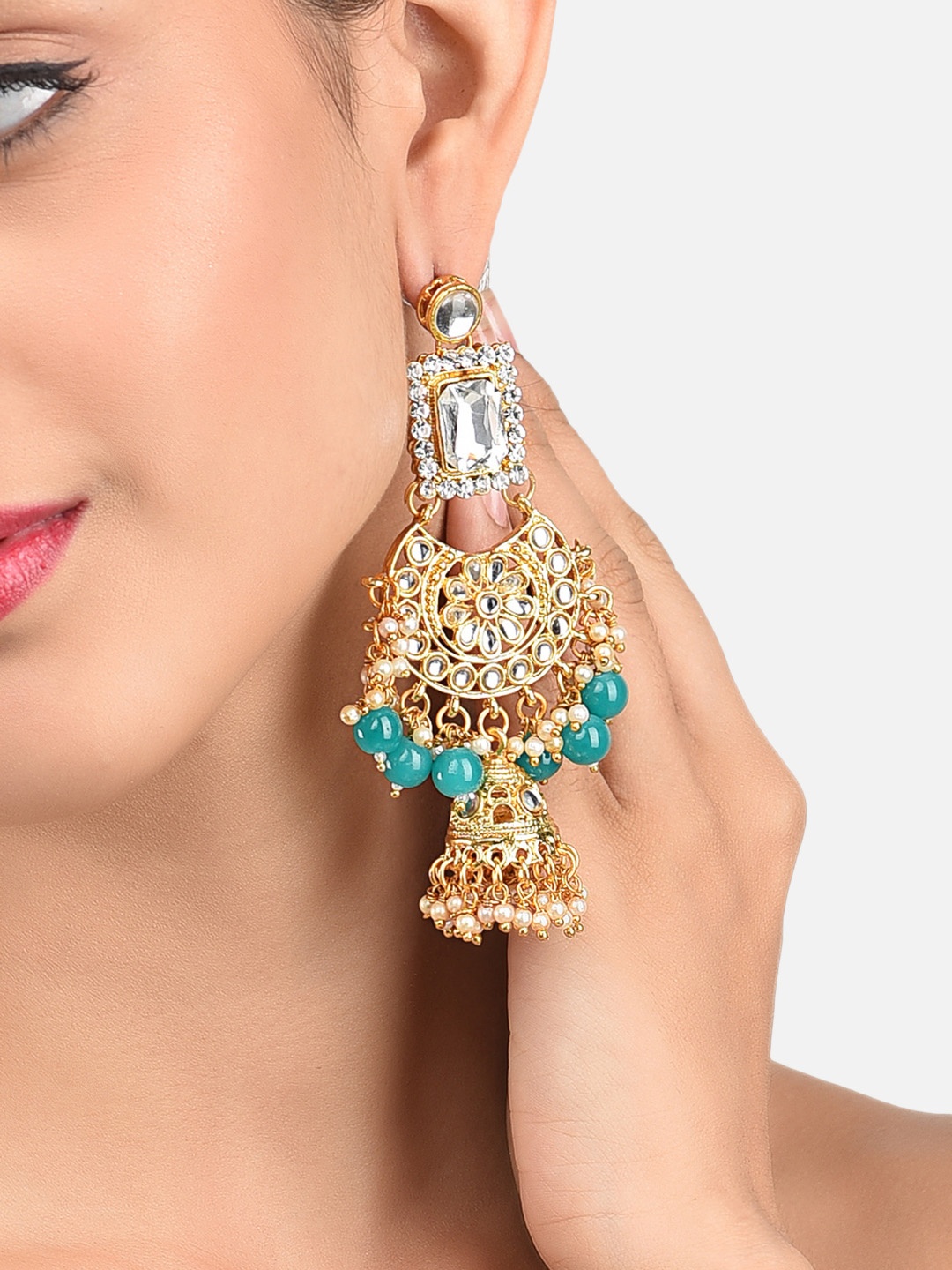
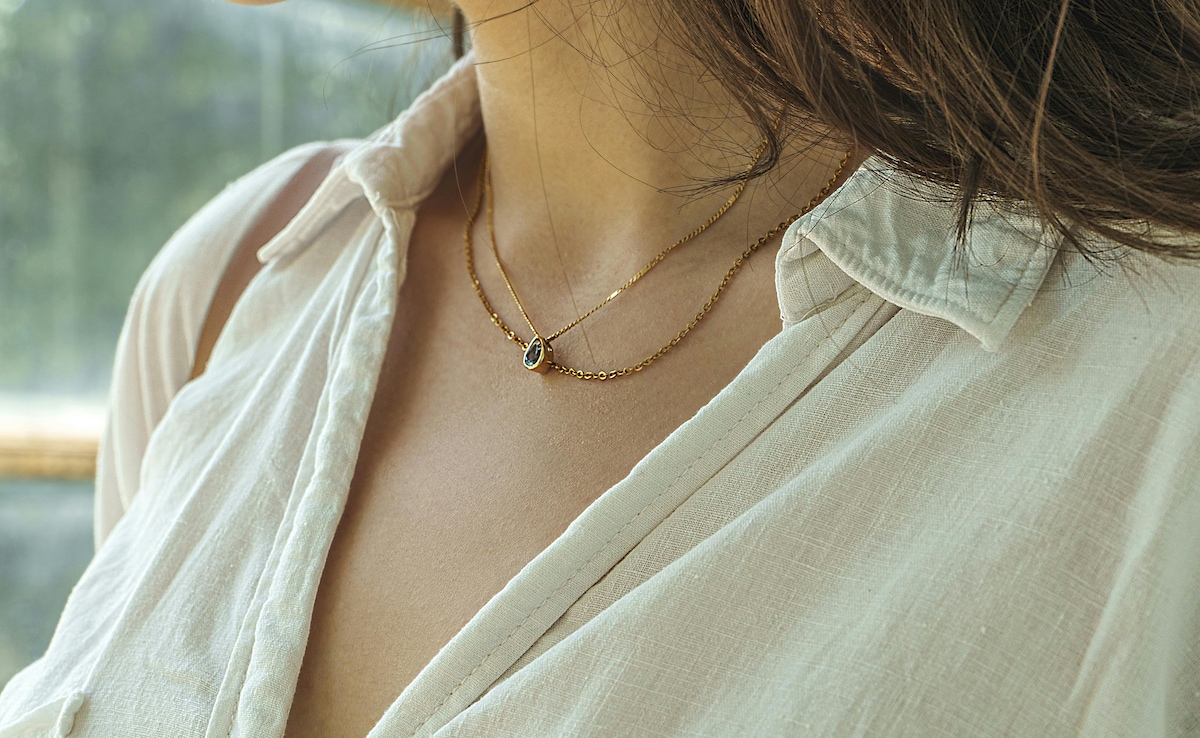
The wrong innerwear shows through immediately. The wrong trousers create an awkward contrast. Silver watches work differently from gold-toned ones. Neck chains, handbags, shoes, and belts all influence how polished the shirt appears.
Formal styling creates its own minefield. Ties may overpower softer fabrics. Blazers can expose weak collars. Certain perfumes stain lighter fabrics near the neckline over time. Even backpacks cause friction marks around the shoulders after repeated use.
Casual styling sounds easier, but often becomes messier. Rolled sleeves can look stylish or chaotic depending on the fabric's stiffness. Untucked white shirts may appear effortlessly cool or suspiciously lazy.
Photographs complicate things further. Flash photography changes how white fabric appears. Some shirts reflect light harshly, while others look dull on camera. This explains why many people own shirts they avoid wearing during weddings or parties despite liking them otherwise.
A good white shirt needs support from the rest of the wardrobe. Without balance, even an expensive shirt can lose its charm surprisingly fast.
Expectations Around White Shirts Are Unrealistic
Perhaps the biggest problem lies in what people expect from white shirts.
Everyone wants one shirt that works for every situation. Office meetings. Date nights. Family dinners. Destination weddings. The airport looks inspired by celebrities. Casual coffee outings. Festive gatherings.
That expectation rarely matches reality.
Some white shirts excel in formal settings but feel stiff elsewhere. Others feel relaxed and breathable but lack structure for important occasions. Expecting one garment to master every environment creates disappointment before shopping even begins.
Social media adds pressure, too. Perfectly styled influencers make white shirts appear effortless. In reality, many of those photographs involve steamers, lighting teams, editing apps, and probably someone holding a reflector board nearby.
Real life includes sweating through traffic, rushing for metro trains, balancing food plates at weddings, and surviving crowded elevators. White shirts face all of it.
The perfect white shirt does not truly exist. The closest version simply matches someone's lifestyle better than the others.
That realisation strangely makes shopping easier.
Products Related To This Article
1. Style Quotient Women White Formal Shirt
2. Urbano Fashion Men Spread Collar Solid Cotton Casual Shirt
3. R.Code by The Roadster Life Co. Women Premium Party Shirt
4. Elan Clothing Men Original Casual Shirt
5. HERE&NOW Women Oversized Fit Spread Collar Textured Cotton Casual Shirt
6. U.S. Polo Assn. Pure Cotton Solid Tailored Fit Casual Shirt
7. Glitchez Pintucks Cuban Collar Extended Sleeves Pure Cotton Peplum-Style Shirt
The white shirt looks simple because good design often hides complexity. Behind that clean appearance sits a long list of decisions involving fit, fabric, maintenance, climate, styling, and personal comfort. A shirt that works beautifully for one person may fail for another.
That explains why wardrobes keep collecting almost-right white shirts. The slightly transparent one. The too-formal one. The expensive mistake. The “looked better online” one. Everyone owns at least one.
Yet despite endless frustration, the white shirt continues to survive fashion trends, workplace changes, and shopping disasters. Few clothes carry the same quiet confidence. A well-fitted white shirt still transforms an ordinary day into one that feels sharper, cleaner, and slightly more put-together.
Maybe that is why people keep searching for the perfect one. Not because it is easy to find, but because when everything finally works, the white shirt delivers something rare, simplicity that actually feels powerful.
(Disclaimer: This article may include references to or features of products and services made available through affiliate marketing campaigns. NDTV Convergence Limited (“NDTV”) strives to maintain editorial independence while participating in such campaigns. NDTV does not assume responsibility for the performance or claims of any featured products or services.)