Why Do Some Satin Dresses Cling In Humidity? How To Fix It Without Changing Your Outfit
Satin dresses look dreamy until humidity turns them into stubborn cling wrap. From fabric science to clever hacks, here’s a practical, fuss-free guide to staying elegant and comfortable, without ditching that outfit.
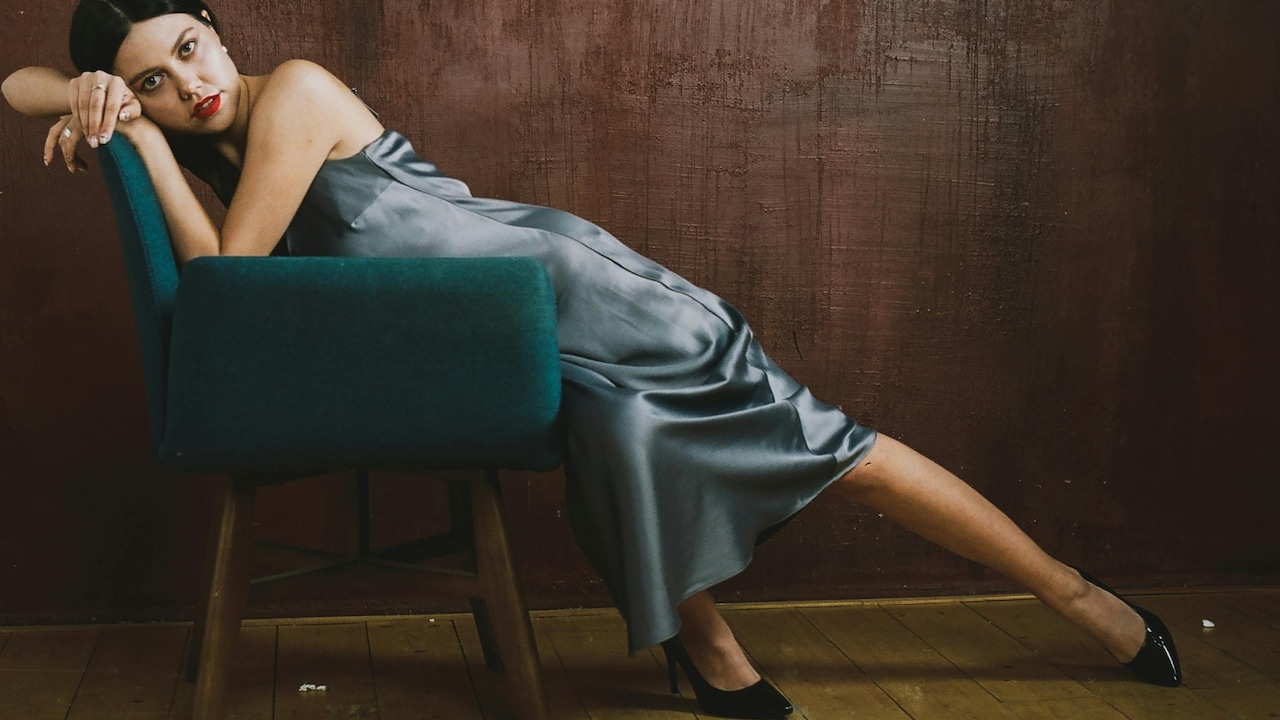
How to fix satin dresses that cling a little too much in humidity
There's something undeniably charming about satin. It glides, it shines, and it carries an effortless grace that works just as well at a wedding reception in Jaipur as it does at a rooftop dinner in Mumbai. Yet, as soon as humidity creeps in, that same dress begins to behave like an uninvited guest, clinging awkwardly, refusing to flow, and quietly ruining the look.

Explore top reasons for a satin dress that clings in humidity; Photo Credit: Pexels
Anyone who has stepped out during monsoon evenings or endured a packed festive gathering knows this feeling. A perfectly styled outfit suddenly sticks to the skin, tracing every movement in ways that feel far from elegant. The frustration grows, especially when the outfit looked flawless just minutes earlier.
But here's the good news. This isn't random bad luck or poor styling. There's actual science behind why satin behaves this way, and even better, there are simple fixes that don't require changing outfits or spending a fortune. Let's unravel the mystery and reclaim satin's charm, humidity and all.
Also Read: Score Stylish Silk Dresses On Myntra: Get A Minimum 10% Off On Every Purchase
Understanding Why Satin Clings And How To Keep It Flowing Effortlessly
The Fabric's Personality Plays A Big Role
Satin isn't a fabric by itself; it's a weave. That smooth, glossy surface comes from tightly woven fibres, often made of polyester, silk, or blends. Each type reacts differently to moisture in the air. Polyester satin, which is commonly used in budget-friendly dresses priced around ₹2,000 to ₹5,000, tends to trap static more than natural silk satin.
In humid conditions, the air is filled with moisture. This affects how fibres interact with the skin. Synthetic satin struggles to absorb moisture, so it sits awkwardly against slightly damp skin, increasing friction and cling. Natural satin, on the other hand, breathes better but can still misbehave depending on finishing treatments.
This explains why two dresses that look identical may feel completely different. One flows, the other sticks. It's not just about design, it's about what's woven into it. Understanding this subtle difference helps in choosing smarter solutions rather than blaming the weather alone.
Humidity Disrupts Static Balance
Static electricity often gets blamed for clingy clothes, but humidity complicates things. In dry weather, static builds up easily, causing fabric to stick. In humid weather, moisture reduces static but introduces a new issue, stickiness caused by damp skin and fabric interaction.
Imagine stepping out after applying lotion or sweating slightly due to heat. Satin meets moisture and instead of gliding, it grips. The smooth texture that normally creates elegance now amplifies every point of contact.
Interestingly, fabrics like cotton absorb sweat and reduce this problem, while satin resists absorption. This resistance becomes the root of discomfort. The dress clings not because of static alone but because moisture has nowhere to go.
This shift from static cling to moisture cling often catches people off guard. It feels different, heavier, and more persistent, making quick fixes essential.
Skin Preparation Changes Everything
A satin dress reacts directly to the condition of the skin beneath it. Smooth, dry skin allows the fabric to move freely. Slightly damp or oily skin, however, creates friction that causes clinging.
Consider a rushed evening where there's barely time to get ready. A quick application of moisturiser followed by stepping into a satin outfit can unintentionally create a sticky base. The dress then behaves unpredictably throughout the evening.
A simple adjustment helps. Allow skincare products to fully absorb before dressing. Light dusting with talcum powder, something commonly found in most homes, can reduce moisture and create a smoother surface.
This small step costs barely ₹50 but makes a noticeable difference. It's not about skipping skincare but about timing and balance. When skin feels dry and breathable, satin regains its natural elegance without needing any major intervention.
Undergarments Are Quiet Game-Changers
What sits beneath a satin dress often decides how it behaves. Seamless undergarments made from breathable fabrics reduce friction and prevent the dress from sticking directly to the skin.
Many overlook this layer, focusing only on the outer garment. However, a well-chosen slip or inner lining acts as a barrier. Cotton slips, for example, absorb moisture and allow satin to glide over them rather than cling.
This is especially useful during long events like weddings or festive gatherings where humidity fluctuates. Investing around ₹300 to ₹800 in good-quality innerwear can transform the entire wearing experience.
It's a subtle fix, invisible to others yet incredibly effective. Instead of adjusting the dress repeatedly, the outfit begins to behave exactly as intended, fluid and effortless.
Fabric Softener Isn't Just For Laundry Day
Fabric softeners do more than make clothes smell pleasant. They coat fibres with a thin layer that reduces friction and static interaction. When used properly, they can help satin resist clinging even in challenging weather.
Washing satin garments with a mild fabric conditioner before wearing them improves their flow. The fibres become smoother, less reactive, and better equipped to handle humidity.
Even a quick rinse with conditioner diluted in water can refresh an older dress that has started to misbehave. This simple trick often costs less than ₹20 per wash yet delivers noticeable results.
It's a quiet but powerful solution, especially for frequently worn outfits. Satin doesn't need heavy maintenance, just thoughtful care that enhances its natural qualities.
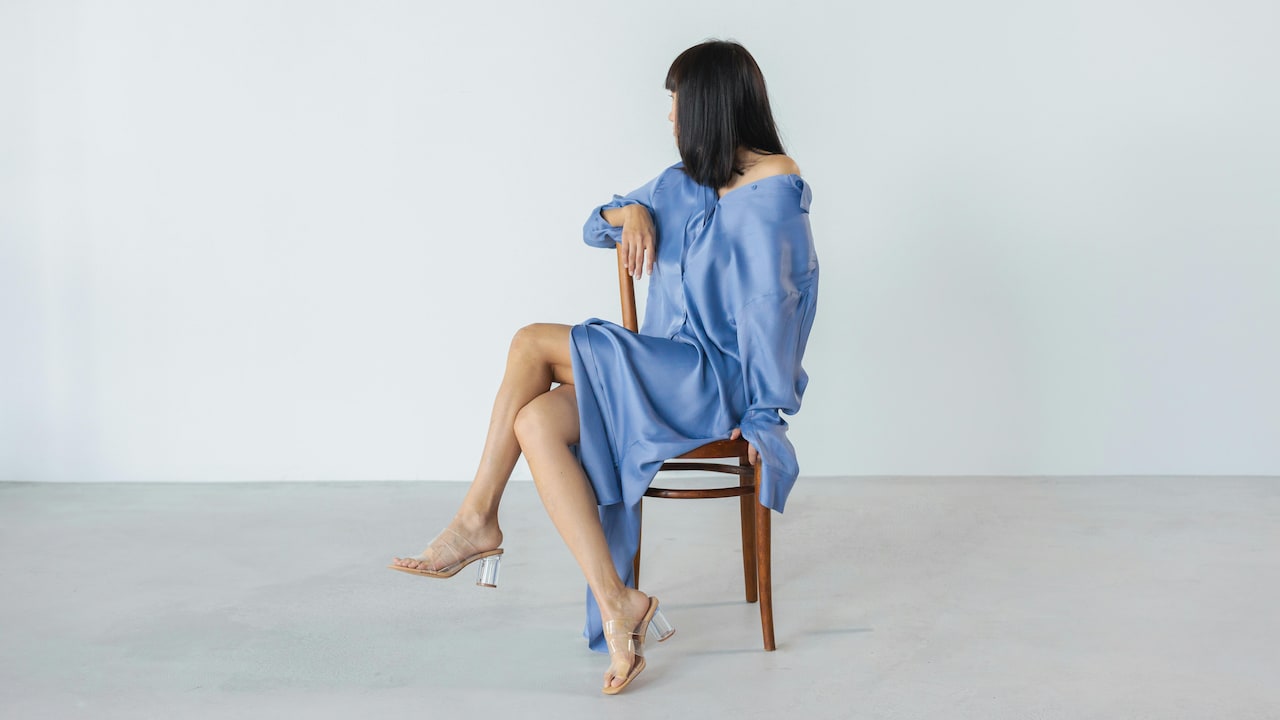
Using fabric softener can make satin dresses less reactive; Photo Credit: Pexels
Anti-Static Sprays Offer Instant Relief
Sometimes, there's no time for preparation. The dress is already on, and cling has already begun. This is where anti-static sprays come into play.
A light mist over the fabric reduces friction instantly. These sprays are easy to carry and cost between ₹250 and ₹600, making them a practical addition to any wardrobe.
Even a small amount can restore the dress's natural fall. The key lies in applying it evenly without soaking the fabric. The effect is immediate and lasts long enough to get through most events comfortably.
For those who prefer home remedies, lightly misting water from a spray bottle can mimic this effect in emergencies. It may not last as long but works well for short durations.
Hairspray Works As An Unexpected Fix
It may sound unusual, but hairspray can double as an anti-cling solution. A light spray on the inner side of the dress reduces static and friction.
This hack often comes in handy during last-minute wardrobe struggles. Most households already have hairspray, making it a convenient fix without additional cost.
The trick is moderation. Too much can stiffen the fabric, while a gentle mist keeps it smooth and manageable. This quick solution often saves an outfit when time is running out.
It's one of those clever tricks passed through conversations, proving that sometimes the simplest solutions hide in plain sight.
Choosing The Right Footwear Helps More Than Expected
Footwear affects posture and movement, which in turn influences how fabric behaves. Flat footwear may cause shorter strides, increasing contact between the dress and legs. Heels, even modest ones, encourage a smoother gait that reduces friction.
This doesn't mean sacrificing comfort. Even a slight elevation changes how the dress flows. The difference becomes noticeable, especially in longer satin dresses.
It's a subtle connection that often goes unnoticed. The way a person walks impacts how fabric drapes. When movement becomes fluid, the dress follows suit.
This small styling adjustment enhances both comfort and appearance without altering the outfit itself.
Weather Timing Makes A Difference
Humidity levels fluctuate throughout the day. Early evenings often feel heavier, while later hours may offer slight relief. Planning when to step out or attend an event can influence how satin behaves.
While this may not always be controllable, being aware helps manage expectations. Carrying a small hand fan or staying in well-ventilated spaces reduces discomfort.
Even choosing indoor venues over outdoor ones can make a noticeable difference. Satin thrives in controlled environments where airflow prevents moisture build-up.
This awareness transforms frustration into strategy. Instead of battling the weather blindly, small adjustments create a more comfortable experience.
Confidence Is The Final Layer
Clingy fabric can feel distracting, but confidence often shifts perception. When posture remains strong and movements stay relaxed, the outfit appears intentional rather than problematic.
Constantly adjusting the dress draws attention, while owning the look allows it to settle naturally. Satin responds to movement, and relaxed body language helps it fall more gracefully.
This doesn't replace practical fixes but complements them. When comfort meets confidence, the outfit regains its charm regardless of minor imperfections.
In the end, style isn't just about fabric behaviour, it's about how it's carried.
Products Related To This Article
1. Color Cocktail Halter Neck Satin Midi Dress
2. Phosphorus Asymmetric Neck Embellished Detailed Satin Sheath Midi Dress
3. PURVAJA Women Cowl Neck Kimono Sleeve Satin Fit & Flare Mini Belted Dress
4. Aayu Halter Neck Satin Maxi Dress
5. MABISH by Sonal Jain Shirt Dress with front Drape
Satin may have a temperamental side, especially in humid weather, but it's far from unmanageable. Understanding why it clings transforms frustration into control. From fabric choice to skin preparation, from clever hacks to subtle styling tweaks, each step adds up to a smoother, more comfortable experience.
There's no need to abandon a favourite dress or overhaul an entire wardrobe. Often, the solution lies in small, thoughtful adjustments that cost little yet deliver lasting impact.
Humidity may be unpredictable, but style doesn't have to be. With the right approach, satin can remain exactly what it was meant to be, graceful, effortless, and quietly captivating.
(Disclaimer: This article may include references to or features of products and services made available through affiliate marketing campaigns. NDTV Convergence Limited (“NDTV”) strives to maintain editorial independence while participating in such campaigns. NDTV does not assume responsibility for the performance or claims of any featured products or services.)