Why Do Some Earrings Feel Heavy Despite Being Small? Material Density Explained
Small earrings can feel surprisingly heavy due to material density. This article explains how metals, design, and structure affect weight, helping you choose comfortable jewellery without compromising on style.
Why Do Some Earrings Feel Heavy Despite Being Small? Material Density Explained
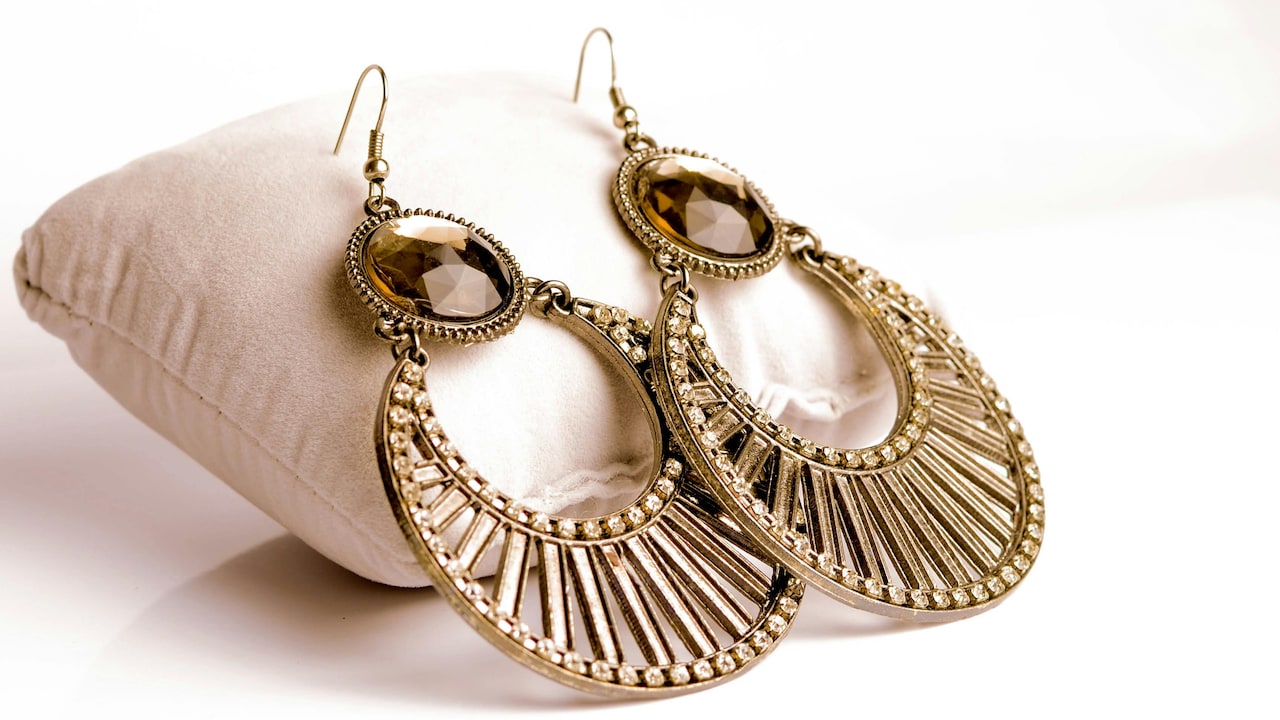
A jewellery box often tells stories. There are the grand chandelier earrings saved for weddings, and then there are the modest studs picked for everyday wear. Yet, something puzzling happens quite often. A pair of tiny gold studs can feel heavier than large, airy hoops. At first glance, that makes little sense. Bigger should mean heavier, right? Not always.
The answer hides in a concept rarely discussed outside classrooms, material density. It quietly influences how jewellery feels, how it moves, and even how comfortable it stays through a long day. That subtle tug on the earlobe during a busy commute or festive evening doesn't come from size alone. It comes from what the earring is made of and how that material behaves.
Understanding this can change the way jewellery gets chosen. It helps avoid discomfort, protects ear health, and even makes shopping smarter, whether browsing local markets or considering a ₹5,000 investment piece. Let's dive deeper into why some earrings feel heavier than they look.
Why Do Small Earrings Feel Heavy? Science Of Material Density Explained
Photo Credit: Pexels
Understanding Why Small Earrings Can Feel Surprisingly Heavy
What Does Density Actually Mean In Jewellery?
Density sounds like something straight out of a science textbook, but it plays a very real role in daily life. Simply put, density refers to how much mass is packed into a given space. Some materials squeeze a lot of weight into a tiny volume, while others spread it out.
In jewellery, this means two earrings of the same size can feel completely different. Gold, for example, is far denser than plastic or wood. A small gold stud can feel surprisingly weighty compared to a larger acrylic piece that barely registers on the ear.
Picture holding a small stone and a sponge of the same size. The stone feels heavier because its particles are tightly packed. The same principle applies to earrings. That delicate gold stud may look minimal, but its compact structure carries more mass than expected.
This explains why lightweight-looking pieces sometimes feel heavier than bold, oversized designs. It's not about how big they appear, but how tightly their material holds weight within that size.
Why Gold Earrings Often Feel Heavier Than They Look
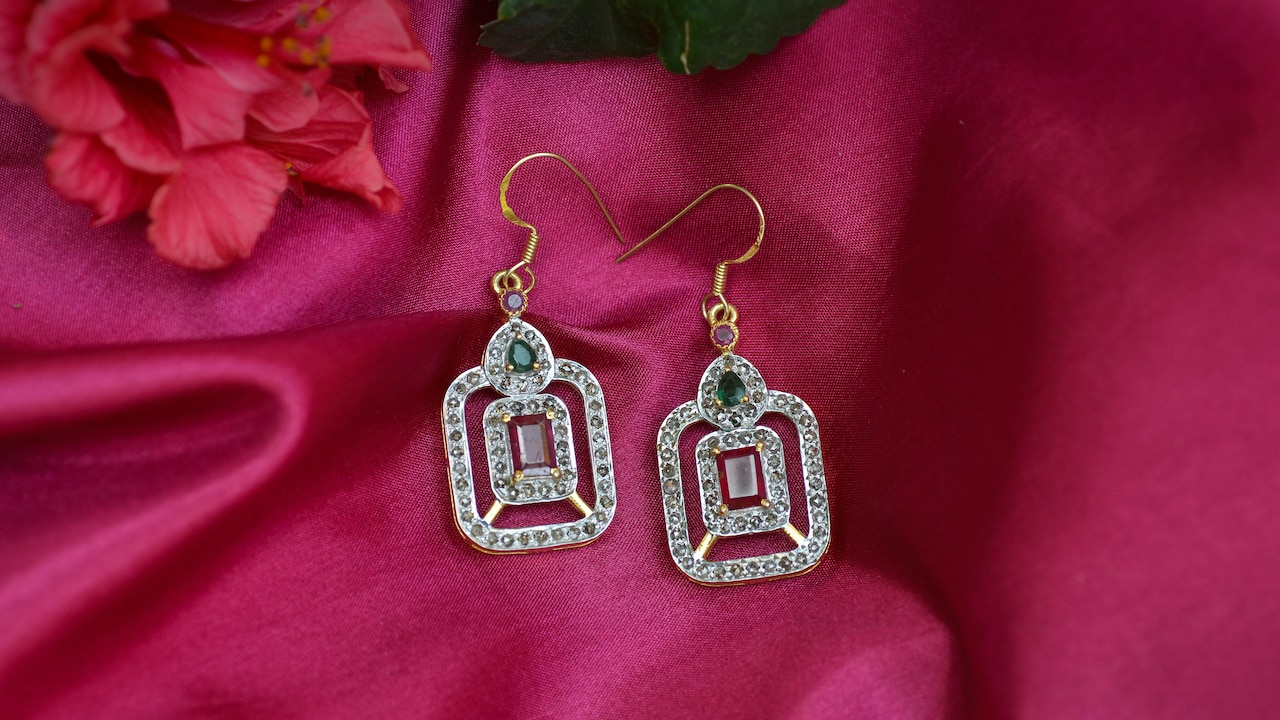
Gold holds a special place in jewellery collections, often associated with tradition, value, and durability. Yet, it also has one defining physical trait, high density.
Even a tiny gold earring can carry noticeable weight. This surprises many, especially when comparing it to larger imitation jewellery that feels almost weightless. The difference lies in how gold atoms pack closely together, giving the metal a substantial feel even in small quantities.
This becomes particularly noticeable during long wear. A pair of small gold studs worn during a wedding function might begin to feel heavier as hours pass. The weight doesn't change, but awareness of it grows.
Interestingly, this heaviness often signals authenticity. A lightweight gold piece may raise questions about purity. So, in a way, that slight tug can serve as reassurance.
Still, comfort matters. Many jewellers now design hollow gold pieces to reduce weight while maintaining appearance. This balance between tradition and practicality reflects how understanding density shapes modern jewellery design.
The Role Of Hollow Vs Solid Design
Not all earrings are built the same way. Two pieces may look identical from the outside but feel entirely different once worn. The reason often lies in whether the design is hollow or solid.
Solid earrings contain material throughout, making them denser and heavier. Hollow designs, on the other hand, create space within the structure, reducing overall weight without altering the external look.
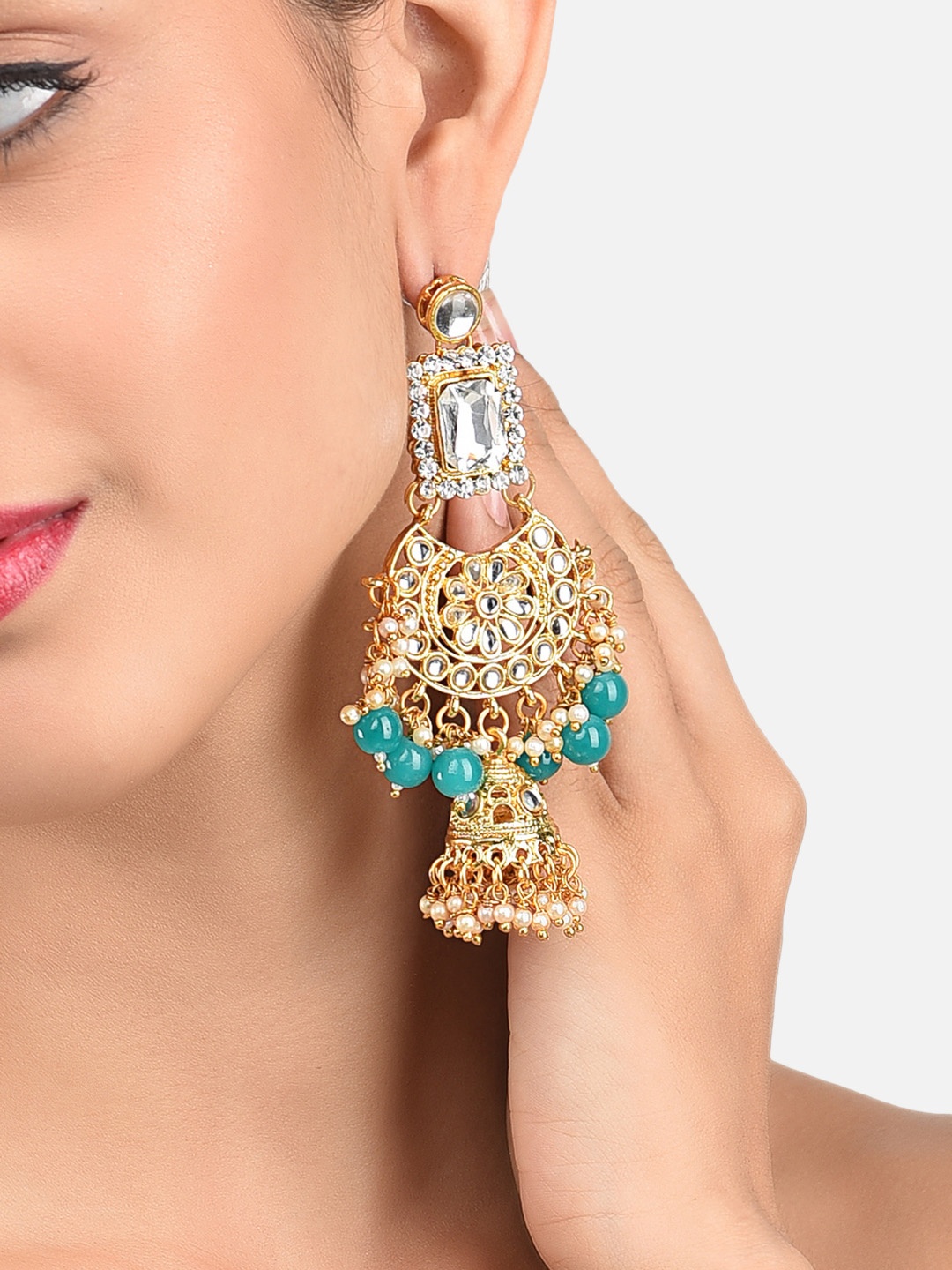
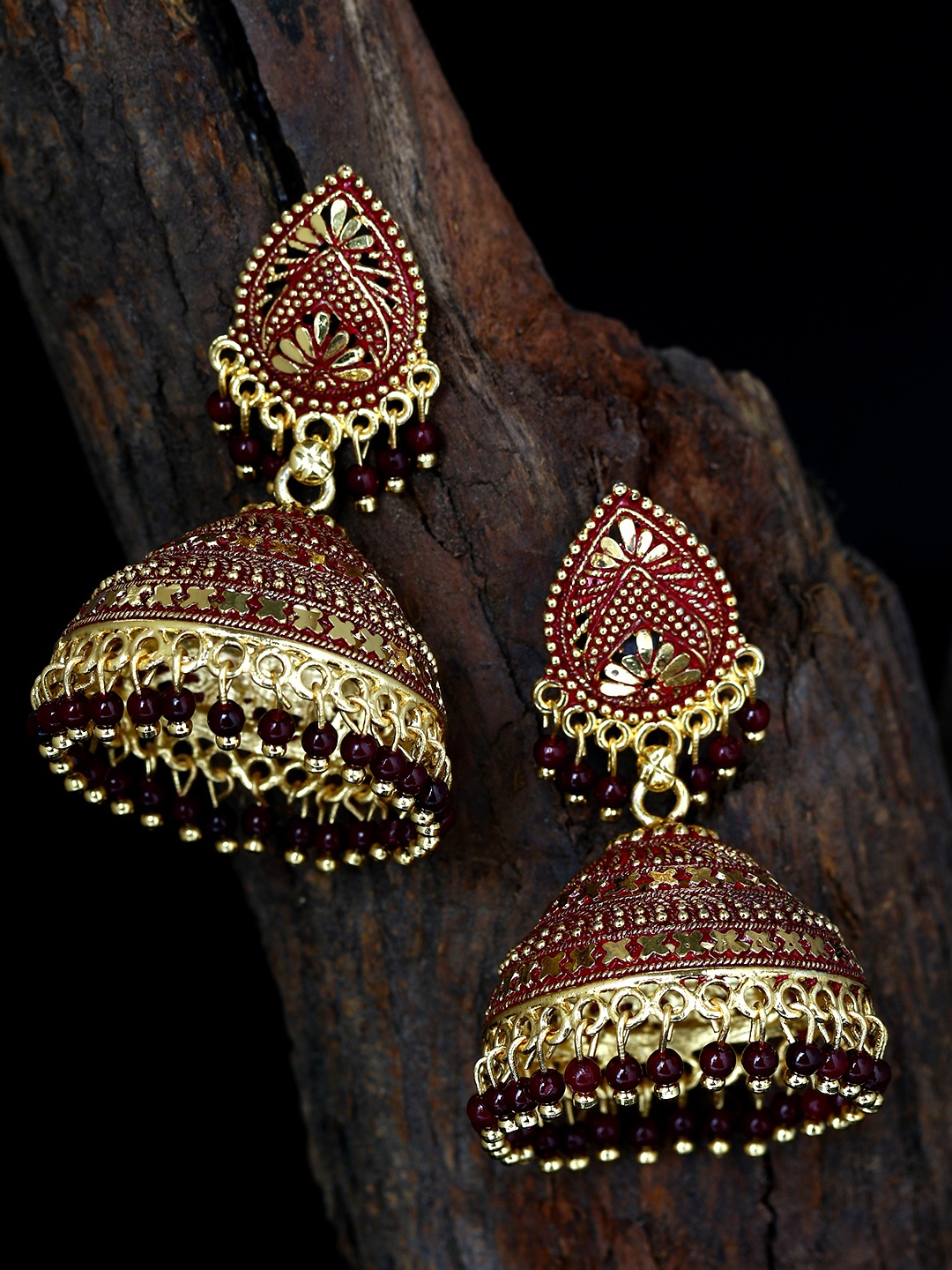
This technique has become popular, especially in larger pieces meant for long events. Imagine wearing elaborate jhumkas for a festive evening. If they were solid, they could quickly become uncomfortable. Hollow construction keeps them manageable while preserving their grandeur.
However, hollow pieces can sometimes feel less sturdy. They may dent more easily compared to solid designs. So, choosing between the two involves a trade-off between comfort and durability.
Understanding this difference can prevent unpleasant surprises. A small but solid earring might feel heavier than a larger hollow one, proving once again that size alone tells only half the story.
Why Lightweight Materials Feel Effortless
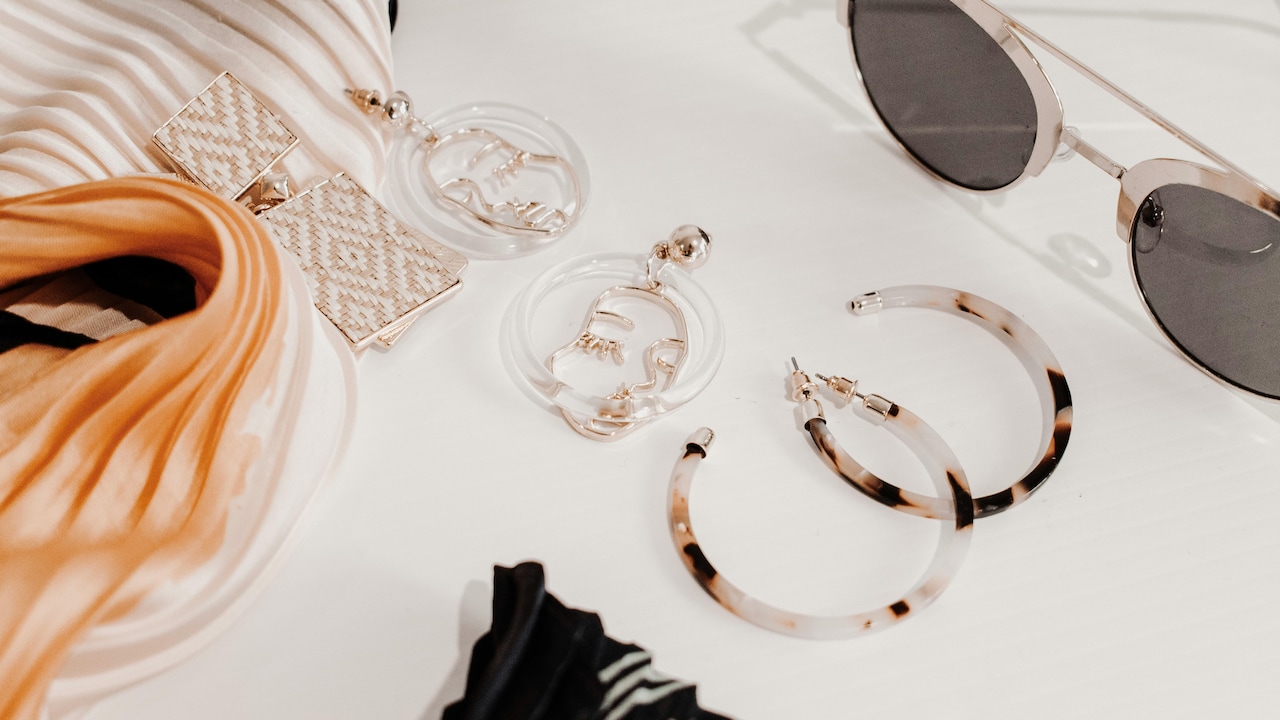
Materials like plastic, resin, and fabric have low density, which makes them feel almost weightless. This explains why oversized statement earrings made from these materials remain comfortable even after hours of wear.
These materials spread their mass over a larger volume without packing much weight into it. The result is jewellery that looks bold but feels easy on the ears.
This has made lightweight materials popular for daily wear. A large pair of colourful hoops made from acrylic might cost around ₹300, yet feel far more comfortable than a tiny metal stud costing ₹3,000.
Comfort often becomes the deciding factor. For long workdays or casual outings, lightweight earrings offer style without strain. They allow freedom of movement and reduce the risk of ear fatigue.
This doesn't mean they lack value. Instead, they serve a different purpose, prioritising comfort and versatility over material richness.
How Shape Influences Perceived Weight
Shape plays a subtle but important role in how earrings feel. Two pieces with the same weight can feel different depending on how that weight is distributed.
Compact shapes concentrate weight in one area, making them feel heavier. Elongated or spread-out designs distribute weight more evenly, reducing the sensation of heaviness.
Consider a small, dense stud versus a long, thin dangler. Even if both weigh the same, the dangler often feels lighter because the weight spreads along its length.
This becomes particularly noticeable during movement. Earrings that swing gently tend to feel lighter, while those that sit firmly against the ear can feel heavier.
Designers often use this trick to create comfortable jewellery. By adjusting shape and distribution, they make heavier materials feel more wearable.
So, the next time a small earring feels surprisingly heavy, its shape might be part of the reason.
The Impact Of Earring Backings And Fastenings
Often overlooked, earring backings can significantly affect how weight feels. A well-designed backing distributes pressure across the ear, reducing discomfort.
Heavy earrings with small or weak backings tend to pull on the earlobe. This creates a dragging sensation that makes even moderate weight feel excessive.
On the other hand, larger or cushioned backings provide support. They spread the load, making the same earring feel lighter and more stable.
This is why some premium earrings include specialised supports. These additions may seem minor, but they enhance comfort considerably.
For everyday wear, choosing earrings with sturdy backings can make a noticeable difference. It transforms the experience from constant adjustment to effortless wear.
Sometimes, the issue isn't the earring itself but how it attaches. A small change here can redefine comfort entirely.
Why Do Small Earrings Feel Heavy? Science Of Material Density Explained
Photo Credit: Pexels
Why Earrings Feel Heavier Over Time
An interesting phenomenon occurs during prolonged wear. Earrings that felt fine initially begin to feel heavier as time passes.
This doesn't mean the weight increases. Instead, the ear becomes more sensitive to the constant pull. Muscles and skin around the piercing respond to sustained pressure, making the weight more noticeable.
Fatigue plays a role too. During a long day or event, awareness of discomfort tends to grow. What started as a barely noticeable weight becomes harder to ignore.
This explains why lightweight earrings feel more comfortable for extended wear. They reduce strain and delay the onset of fatigue.
It also highlights the importance of choosing the right earrings for the occasion. A heavier pair might suit a short celebration, while lighter options work better for all-day use.
Comfort, after all, is not just about initial feel but lasting ease.
The Cultural Preference For Heavier Jewellery
In many households, heavier jewellery often carries emotional and cultural value. Solid gold pieces, even small ones, are seen as investments rather than mere accessories.
This sometimes leads to a preference for weightier earrings, even if they feel less comfortable. The perception of value often ties closely to how substantial a piece feels.
During weddings or festive occasions, heavier earrings become part of the overall aesthetic. They symbolise richness and tradition, adding depth to the attire.
However, modern preferences are shifting. Comfort now shares equal importance with appearance. Lightweight designs that mimic traditional styles have gained popularity.
This balance reflects changing lifestyles. Long events, travel, and active routines demand jewellery that looks good without causing strain.
Understanding density helps navigate this balance, allowing choices that honour tradition while embracing comfort.
Price Does Not Always Reflect Comfort
A common assumption is that more expensive earrings offer better comfort. In reality, price often reflects material value rather than wearability.
A pair of small gold earrings costing ₹10,000 might feel heavier than a ₹500 pair made from lightweight materials. The difference lies in density, not cost.
This can lead to unexpected experiences. A costly purchase may end up sitting unused because it feels uncomfortable.
Smart shopping involves considering both material and design. Trying on earrings before buying can reveal how they feel over time.
Jewellery should enhance confidence, not distract with discomfort. Balancing budget with comfort ensures better satisfaction.
Sometimes, the most comfortable pair isn't the most expensive one in the box.
How To Choose Earrings That Feel Right
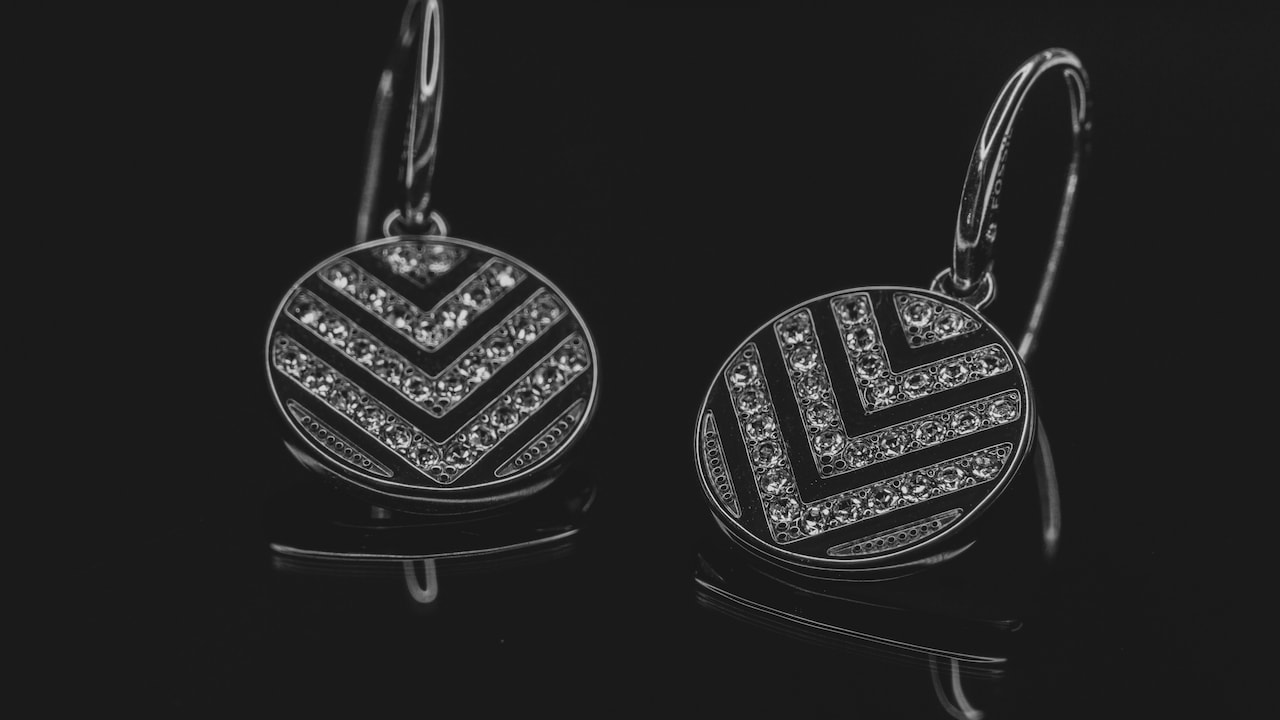
Selecting earrings becomes easier with a basic understanding of density and design. Instead of focusing only on size or price, attention shifts to material and construction.
Lightweight materials suit everyday wear, while denser metals work better for shorter occasions. Hollow designs offer a middle ground, combining appearance with comfort.
Trying different styles helps identify personal preference. Some may tolerate heavier earrings well, while others prefer barely-there pieces.
It also helps to consider the day ahead. A long office schedule or travel plan calls for lighter options, while a short evening event allows for more elaborate choices.
Ultimately, comfort and style don't have to compete. With thoughtful selection, both can coexist effortlessly.
Why Do Small Earrings Feel Heavy? Science Of Material Density Explained
Photo Credit: Pexels
Products Related To This Article
1. Carlton London Gold Plated With Cubic Zirconia Studded Leaf Shaped Drop Earrings
2. Reenisaa Floral Studs Earrings
3. Saraf RS Jewellery Women Jewellery Magenta Contemporary Studs Earrings
4. Just Lil Things Artificial Stones Studded Contemporary Shaped Studs
5. PANASH Gold-plated Stones Studded Contemporary Drop Earrings
6. Accessorize London Women Gold Reconnected Angular Hoop Earring
7. MANGO Square Drop Earrings
The mystery of small yet heavy earrings becomes clear once material density enters the conversation. Size alone doesn't dictate weight. Instead, the type of material, how it is structured, and how it sits on the ear all come together to shape the experience.
Understanding this transforms jewellery choices. It prevents discomfort, protects ear health, and ensures each piece serves its purpose, whether it's a simple daily stud or an ornate festive design.
Jewellery should feel like an extension of personal style, not a burden. By paying attention to density and design, it becomes easier to choose pieces that look stunning and feel just right.
Sometimes, the smallest details, like what lies beneath the surface of an earring, make the biggest difference.
(Disclaimer: This article may include references to or features of products and services made available through affiliate marketing campaigns. NDTV Convergence Limited (“NDTV”) strives to maintain editorial independence while participating in such campaigns. NDTV does not assume responsibility for the performance or claims of any featured products or services.)