Why White Sports Bras Turn Grey Faster And The Fabric Blend That Lasts Longer
White sports bras turn grey faster due to sweat, hard water, and poor fabric blends. This is why nylon-rich fabrics last longer and how better care keeps activewear looking fresh.
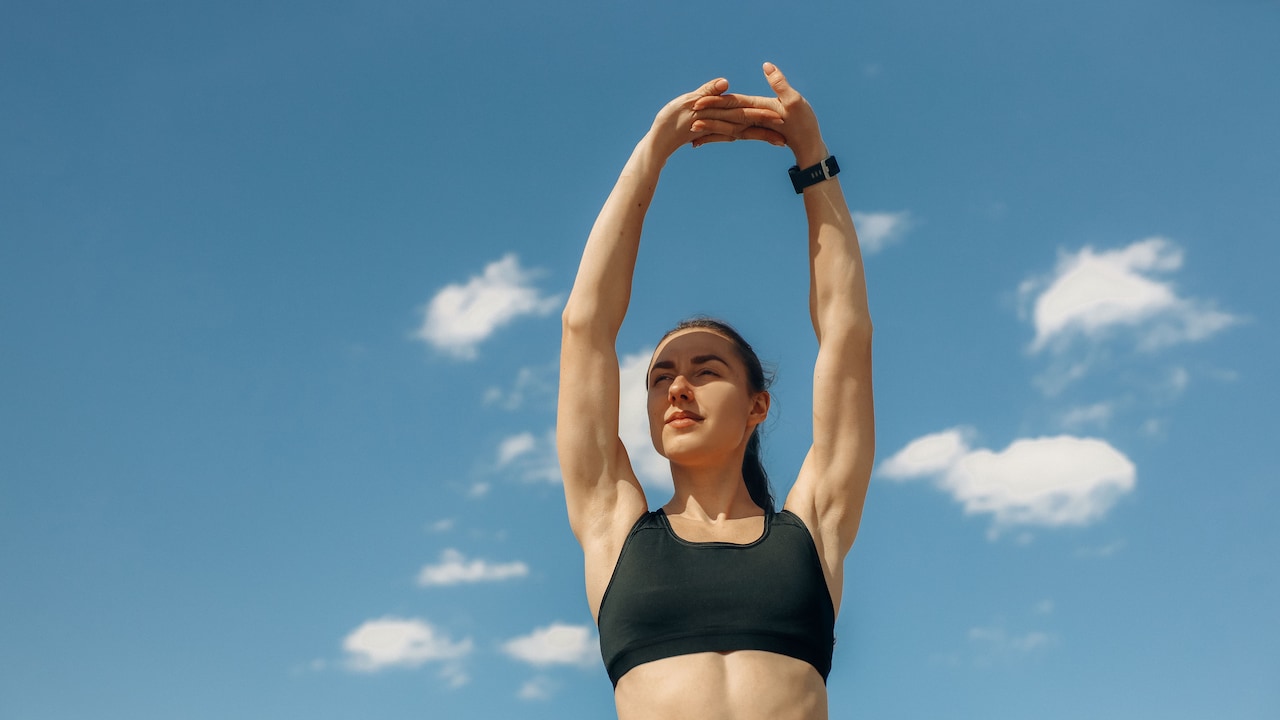
Why White Sports Bras Turn Grey Faster: Fabric Blend That Lasts Longer
White activewear carries a certain confidence. It feels clean, sporty, and polished even during a sweaty workout session. A white sports bra paired with black leggings has become the unofficial uniform at gyms, yoga studios, dance classes, and morning jogging tracks across the country. Yet almost everyone who owns one knows the heartbreak. That bright white shade rarely stays white for long. First comes a faint dullness around the straps. Then the underband starts looking shadowy. Soon, the entire bra takes on a tired grey tone that no amount of scrubbing seems to fix. Oddly enough, darker sports bras survive years without looking half as worn.
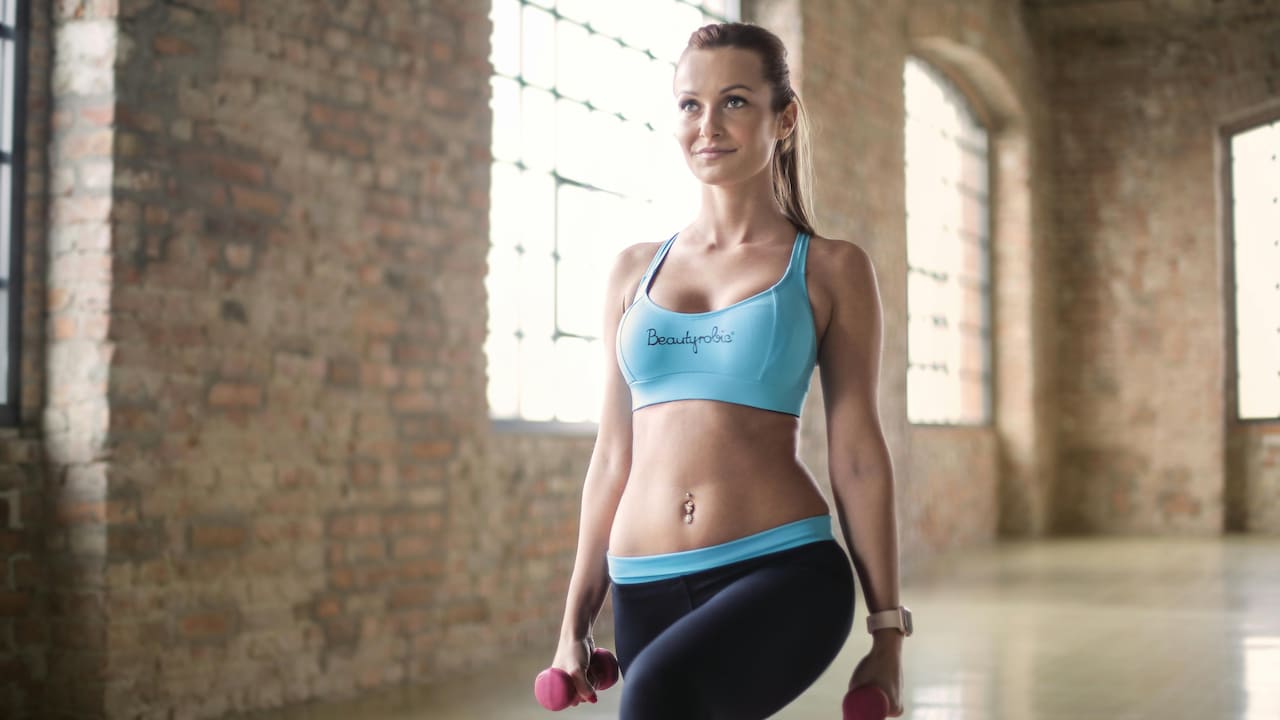
Why White Sports Bras Turn Grey Faster: Fabric Blend That Lasts Longer; Photo Credit: Pexels
The reason has less to do with bad luck and more to do with science. Fabric blends, sweat minerals, detergent choices, humidity, washing habits, and even local water quality all affect how quickly white sports bras lose their brightness. Many shoppers focus only on support or style while ignoring fabric composition entirely. That tiny label stitched near the seam often decides whether the sports bra will survive six months or three years. Understanding what really happens to white activewear can save money, reduce waste, and prevent those frustrating moments when expensive gym wear suddenly looks older than it actually is.
Why White Sports Bras Turn Grey Faster And The Fabric Blend That Lasts Longer
The Hidden Chemistry Behind White Fabric Discolouration
White fabric acts almost like a blank canvas. It absorbs everything around it, from sweat oils to pollution particles floating through city air. During workouts, the body releases salt, natural oils, dead skin cells, and bacteria. These substances settle into the fibres and slowly change the appearance of the fabric.
Unlike black or navy activewear, white material shows every trace. Even tiny deposits become visible after repeated use. In humid weather, moisture stays trapped longer inside the fabric. That creates the perfect environment for residue buildup. Add strong deodorants and body lotions into the mix, and the fabric starts reacting chemically over time.
Many people blame cheap quality alone, but even premium white sports bras face this issue. Expensive fabrics simply resist it slightly longer. Washing machines also play a surprising role. Overloading clothes reduces proper rinsing, leaving detergent particles behind. Those particles catch dirt during the next wear cycle and create a dingy grey finish.
The process happens gradually, which makes it easy to miss at first. One day, the sports bra suddenly looks tired despite being relatively new. The whitening agents originally added during manufacturing begin fading away, leaving the fabric looking lifeless instead of crisp and bright.
Also Read: Best Sports Bras with Maximum Support for High-Impact Workouts Under Rs. 1,100
Why Sweat Damages White Sports Bras Faster
Sweat seems harmless because it mostly looks like water. In reality, sweat contains salts, proteins, and minerals that cling stubbornly to fabric. During intense workouts, sports bras absorb far more sweat than regular clothing because they sit tightly against the skin.
White fabric highlights these deposits immediately. Dark colours hide them. That alone explains why black sports bras often appear newer despite equal use. The underband usually turns grey first because it traps maximum moisture and heat during exercise.
High temperatures worsen the situation dramatically. Outdoor running, crowded gyms without proper ventilation, and summer yoga sessions speed up discoloration. Sweat dries quickly on the surface but leaves minerals buried inside the fibres. Repeated exposure slowly alters the fabric tone.
Another culprit comes from delayed washing. Tossing a sweaty sports bra into a laundry basket for two days gives bacteria enough time to settle deeply into the material. That stale smell many people notice later often signals residue buildup rather than simple sweat.
Quick rinsing after workouts helps more than expensive detergents. Even a basic cold-water rinse removes much of the salt before it hardens inside the fabric. Small habits like this often matter more than luxury laundry products marketed with dramatic promises and fancy packaging.
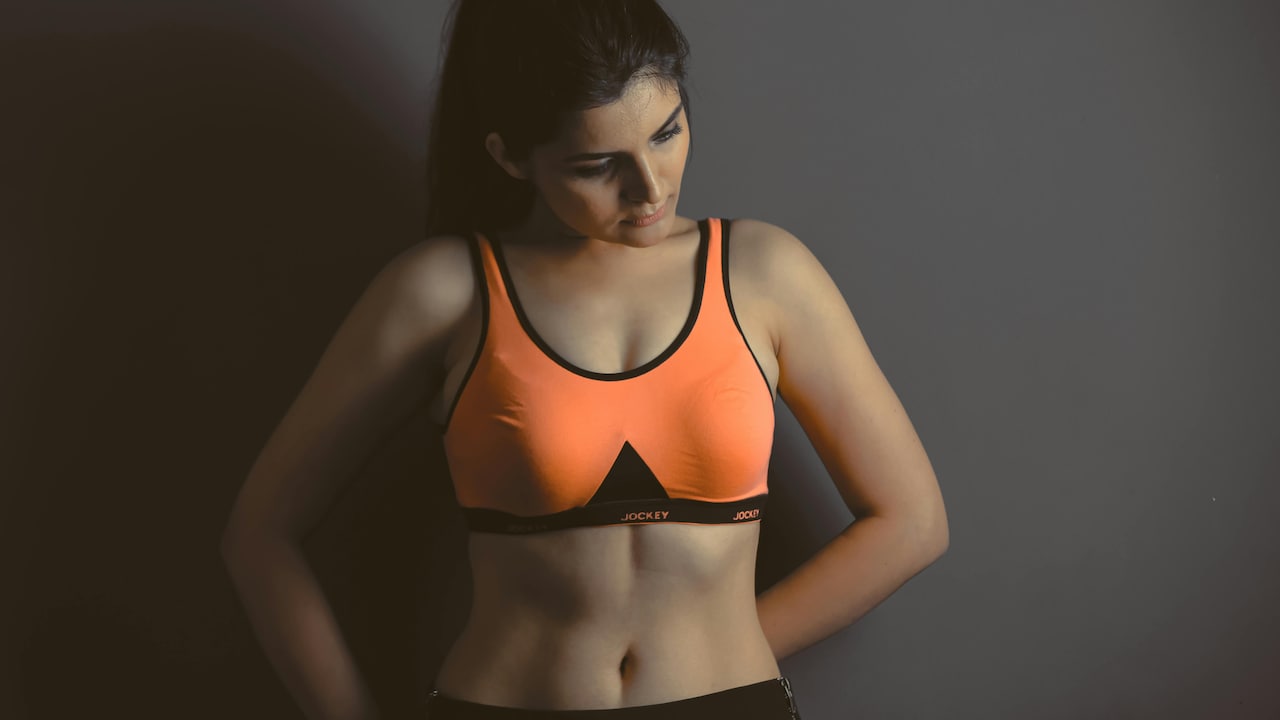
Why White Sports Bras Turn Grey Faster: Fabric Blend That Lasts Longer; Photo Credit: Pexels
The Fabric Blend That Usually Turns Grey The Fastest
Many white sports bras rely heavily on polyester because it feels lightweight, stretchy, and affordable. Unfortunately, pure polyester blends tend to trap oil and sweat more aggressively than natural fibres. That trapped residue creates dullness over time.
A common blend found in budget activewear combines around 90 percent polyester with 10 percent elastane. This combination offers excellent stretch but struggles with long-term brightness retention. Polyester fibres hold onto body oils stubbornly, especially during repeated high-intensity workouts.
Elastane creates another challenge. While it provides flexibility and support, it reacts poorly to excessive heat and harsh detergents. Overwashing gradually weakens elasticity, causing fabric distortion. Once the surface texture changes, white material reflects light unevenly and appears greyer.
Many shoppers unknowingly damage these fabrics further by using fabric softeners. Softener coats the fibres with a thin layer that traps even more residue. The sports bra may feel softer initially, but long-term discolouration accelerates.
Cheaper polyester blends also pill faster. Tiny fibre balls collect dirt and create shadowy patches across the fabric. Under gym lighting, the sports bra starts looking old despite remaining structurally intact. This explains why some white sports bras lose their fresh appearance long before they actually wear out physically.
Why Nylon Blends Tend To Last Longer
Nylon blends generally age better than polyester-heavy alternatives. The fabric feels smoother, dries faster, and resists oil buildup more effectively. That matters enormously for white activewear.
A sports bra containing a balanced nylon-elastane blend often maintains brightness for longer because nylon absorbs less moisture overall. Sweat evaporates faster instead of sinking deeply into the fibres. Less trapped residue means slower greying.
The texture also plays a role. Nylon fibres typically feature a smoother surface than polyester. Dirt particles struggle to cling as aggressively. After washing, the fabric returns closer to its original shade instead of retaining dull patches.
Premium activewear brands frequently use blends containing around 70 to 80 percent nylon with controlled amounts of elastane. These fabrics cost more upfront, often between ₹1,800 and ₹4,000, but they usually survive repeated washes better.
That said, nylon still needs proper care. Harsh detergents and high dryer heat damage elasticity quickly. Once the structure weakens, even nylon blends start trapping grime unevenly.
Many fitness enthusiasts notice their oldest white sports bras remain wearable mainly because the fabric composition supports longevity. The difference becomes especially obvious after six months of regular use. Nylon blends tend to fade gracefully instead of turning patchy and grey almost overnight.
Hard Water Quietly Ruins White Activewear
Water quality rarely enters conversations about gym wear, yet it changes everything. Hard water contains minerals like calcium and magnesium. These minerals react with the detergent and create residue that sticks to the fabric.
In many cities, hard water leaves white sports bras looking dull even after careful washing. The residue forms a thin layer across the fibres, reducing brightness little by little. People often respond by adding more detergent, which unfortunately worsens the buildup.
Greying caused by hard water differs from simple dirt. The fabric may feel stiff or rough despite appearing clean. Over time, elasticity weakens because minerals interfere with the fibres themselves.
This issue becomes more noticeable in front-loading washing machines, where water usage remains lower. Incomplete rinsing allows mineral deposits to linger inside the material. White fabrics expose these problems instantly.
Simple adjustments help significantly. Using slightly less detergent improves rinsing. Adding white vinegar during occasional rinse cycles also helps dissolve mineral buildup naturally. Many households already use vinegar for kitchen cleaning, yet few realise it works wonders on activewear too.
Ignoring water quality often leads people to blame brands unfairly. Sometimes the sports bra itself is perfectly decent, but the local water supply quietly sabotages its appearance month after month.
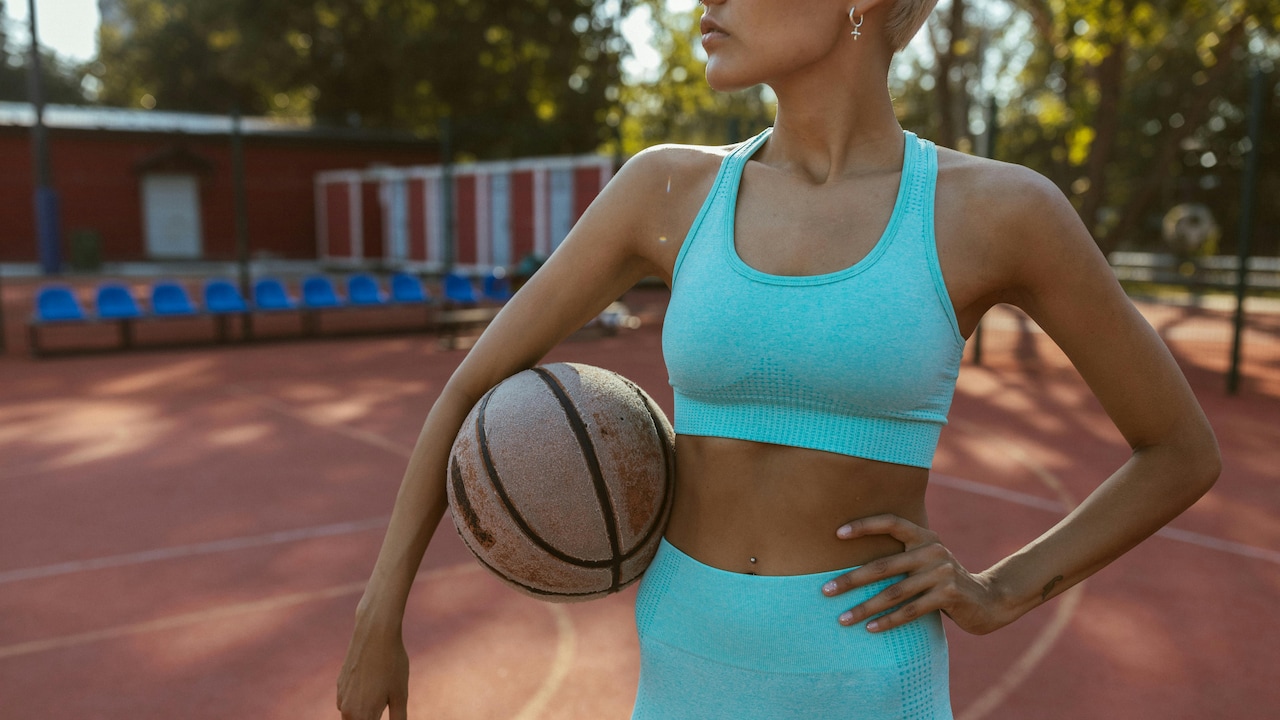
Why White Sports Bras Turn Grey Faster: Fabric Blend That Lasts Longer; Photo Credit: Pexels
Washing Mistakes That Speed Up Greying
Laundry habits destroy more white sports bras than workouts ever do. One of the biggest mistakes involves washing activewear with towels, denim, or heavily dyed garments. Tiny lint particles transfer during the wash and settle permanently into lighter fabrics.
Hot water creates another problem. Many assume higher temperatures clean better, but sports bras contain delicate stretch fibres that dislike heat. Hot water weakens elasticity and encourages fabric breakdown. Once fibres roughen, dirt clings more easily.
Strong detergents marketed as “extra power” can also backfire. Excessive chemicals strip away the optical brighteners added during manufacturing. The sports bra loses its crisp appearance much faster afterwards.
Drying methods matter equally. Hanging white sports bras directly under harsh sunlight for hours may cause yellowing over time. On the other hand, damp indoor drying without airflow encourages bacterial growth and unpleasant odours.
Even gym habits influence laundry outcomes. Tossing sweaty activewear into sealed bags traps moisture for too long. That stale environment allows bacteria and residue to settle deeply before washing even begins.
The safest approach remains surprisingly simple. Wash sports bras separately or with similar lightweight items. Use cold water, mild detergent, and gentle cycles. Air dry in shaded ventilation instead of intense sunlight. These small steps extend the lifespan of white activewear dramatically.
Why Cheap Whitening Tricks Often Fail
Social media overflows with miracle cleaning hacks promising to restore white clothing instantly. Baking soda, toothpaste, lemon juice, bleach cocktails, and boiling water solutions appear everywhere. Unfortunately, many of these tricks damage sports bras more than they help.
Bleach remains the biggest offender. While it may temporarily brighten white fabric, it weakens elastane rapidly. Sports bras rely on stretch for support. Once elasticity deteriorates, the garment loses shape permanently.
Boiling water creates similar trouble. High heat breaks down synthetic fibres and ruins structural integrity. The sports bra might appear cleaner initially, but it ages faster afterwards.
Lemon juice and baking soda sound gentler, yet overuse affects fabric texture too. Repeated scrubbing roughens the surface and creates uneven wear patches. Those rough areas attract dirt even faster later.
Optical whitening detergents sometimes create an illusion of brightness under indoor lighting while masking deeper residue problems. After a few wears, dullness returns stronger than before.
The truth feels less dramatic but more useful. Consistent gentle care works better than aggressive rescue attempts. Once heavy greying settles deeply into synthetic fibres, complete restoration becomes difficult. Prevention matters far more than emergency cleaning tricks discovered during midnight scrolling sessions.
How Gym Environment Affects White Activewear
The gym itself contributes surprisingly heavily to fabric discolouration. Air-conditioned fitness studios often seem clean, yet machines, mats, benches, and locker areas transfer oils and grime constantly.
Shared equipment contains invisible residue from previous users. During workouts, sports bras absorb that mixture through direct contact and trapped sweat. White fabric exposes these stains quickly.
Pollution adds another layer of trouble for outdoor runners and cyclists. Dust particles settle onto damp activewear more aggressively than onto dry clothing. Busy traffic areas make the issue worse. By the time the workout ends, the fabric already carries environmental grime.
Body sprays and deodorants also leave marks over time. Aluminium compounds in certain antiperspirants react with sweat and create yellow-grey patches around straps and underbands. This explains why some sports bras discolour unevenly despite regular washing.
Even gym bags contribute. Damp clothes stored alongside shoes and towels create odour transfer and bacterial growth. Many people unknowingly shorten their lifespan simply through poor storage habits.
Fresh airflow matters enormously. Allowing sports bras to dry briefly before tossing them into laundry baskets reduces trapped moisture and slows bacterial buildup. Small practical habits inside and outside the gym shape how long white activewear stays fresh-looking.
The Role Of Skin Products In Fabric Damage
Modern skincare routines unintentionally attack sports bras daily. Moisturisers, sunscreen, body oils, and deodorants all interact with activewear fabric. White sports bras reveal those reactions much faster than darker shades.
Sunscreen proves especially problematic during outdoor workouts. Many formulas contain oils and mineral compounds that cling stubbornly to synthetic fibres. Sweat pushes these substances deeper into the material during movement.
Body lotions create a similar buildup. Even lightweight products leave residue that washing sometimes fails to remove completely. Over time, trapped oils attract dust and bacteria, causing gradual greying.
Perfumed deodorants introduce another challenge. Certain ingredients react chemically with sweat salts and fabric fibres. Yellowish shadows near the straps or chest area often come from this exact reaction rather than poor washing alone.
People who invest heavily in skincare rarely connect these products to activewear damage. Yet the interaction happens daily. Applying products earlier before workouts allows better skin absorption and reduces direct transfer onto fabric.
Fabric technology continues improving, but no sports bra remains completely immune to chemical exposure. Understanding how everyday products affect activewear helps explain why some garments lose brightness faster despite careful handling and premium pricing.
Why Investing In Better Fabric Saves Money Long-Term
Cheap sports bras often seem tempting during sales. Buying three for ₹1,200 feels practical compared to spending ₹3,500 on one premium option. Yet replacement cycles tell a different story.
Low-cost white sports bras frequently lose shape, brightness, and elasticity within months. Many shoppers replace them repeatedly because the fabric starts looking tired long before actual tearing occurs. The hidden expense builds quietly over time.
Higher-quality blends usually resist wear better because manufacturers invest in stronger fibre construction, moisture management, and colour retention technology. Nylon-dominant blends especially maintain their appearance longer under repeated washing and heavy workouts.
Comfort improves, too. Better fabrics feel softer against sweaty skin and reduce irritation during long exercise sessions. That matters during humid weather when activewear already feels uncomfortable enough.
Longevity also supports sustainability. Fewer replacements mean less textile waste piling into overflowing wardrobes and landfill sites. Activewear consumption has risen sharply in recent years, making durability more important than ever.
The smartest purchase often sits somewhere between luxury branding and bargain pricing. Reading fabric labels carefully matters more than flashy marketing slogans or celebrity endorsements. A well-made white sports bra with the right blend can survive years while still looking fresh enough for everyday wear.
Products Related To This Article
1. Enamor Non-Padded Wirefree & High Coverage Low Impact Sports Bra
2. DIXCY SCOTT Slimz Wirefree Non Padded Wide Shoulder Straps Medium Support Sports Bra
3. PLUMBURY Full Coverage Lightly Padded Rapid Dry Workout Sports Bra
4. SHOPPY VILLA Full Coverage Lightly Padded Non-Wired Sports Bra With All Day Comfort
5. DressBerry Women Full Coverage Non-Padded Sports Bra
6. Jockey Wirefree Padded Soft Touch Microfiber Full Coverage Sports Bra with Broad Underband-MI18
7. Lovable Sport Non-Wired Removable Padding Seamless Workout Bra With All Day Comfort
White sports bras may look timeless and stylish, but they demand far more care than darker activewear. Sweat, hard water, harsh detergents, pollution, skincare products, and poor fabric blends all work to create that frustrating grey appearance many people know too well.
The solution does not involve endless scrubbing or miracle cleaning hacks. Fabric choice matters most. Nylon-rich blends generally outperform polyester-heavy alternatives because they resist moisture retention and oil buildup more effectively. Pair that with sensible washing habits, proper drying, and quicker post-workout rinsing, and the difference becomes obvious.
Activewear now forms part of daily life rather than occasional gym clothing. People wear sports bras during walks, errands, yoga sessions, travel days, and even while lounging at home. That makes durability worth considering carefully before the next purchase.
A bright white sports bra may never stay perfectly untouched forever. Real life includes sweat, heat, dust, and chaotic laundry days. Still, choosing smarter fabric blends and gentler care routines can keep activewear looking fresher, cleaner, and far less grey for much longer.
(Disclaimer: This article may include references to or features of products and services made available through affiliate marketing campaigns. NDTV Convergence Limited (“NDTV”) strives to maintain editorial independence while participating in such campaigns. NDTV does not assume responsibility for the performance or claims of any featured products or services.)