Why Your Jeans Look Great In Store But Bad At Home: Fit Science Explained
Those perfect trial-room jeans often fail at home due to clever lighting, distorted mirrors, stretch fabrics, and sizing tricks. Understanding fit science helps shoppers choose denim that truly flatters beyond the store.
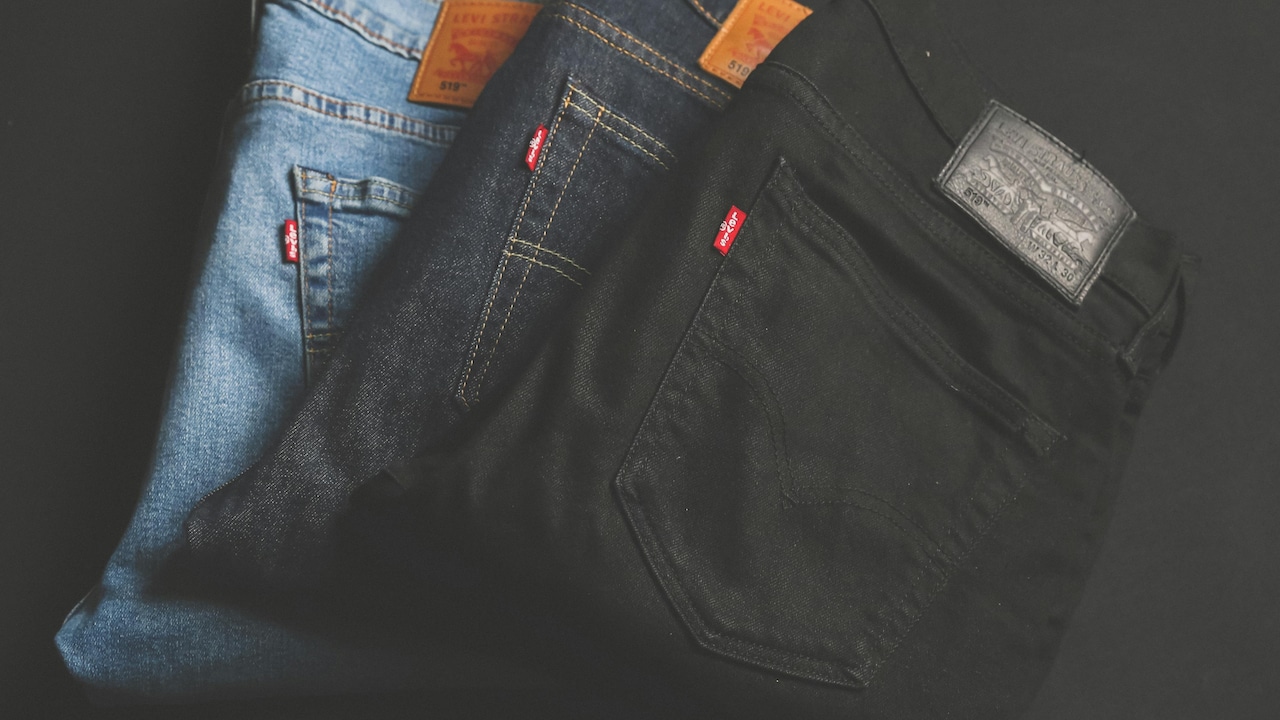
Jeans Fit Explained: Why Perfect Store Denim Looks Wrong Later
Few fashion disappointments sting quite like bringing home a new pair of jeans that looked phenomenal in the shop, only to discover they somehow betray every expectation once worn in real life. In the trial room, they hugged perfectly, lifted in the right places, and seemed worth every rupee. At home, though, the fit can feel awkward, the colour looks different, and the silhouette appears less forgiving. This familiar frustration has less to do with personal style and more to do with how denim interacts with the body, environment, and brain. Retail spaces are carefully designed to encourage confidence. Mirrors, lighting, fabric tension, and even posture all influence perception. Meanwhile, denim itself changes over time, stretching or shrinking depending on wear and wash.
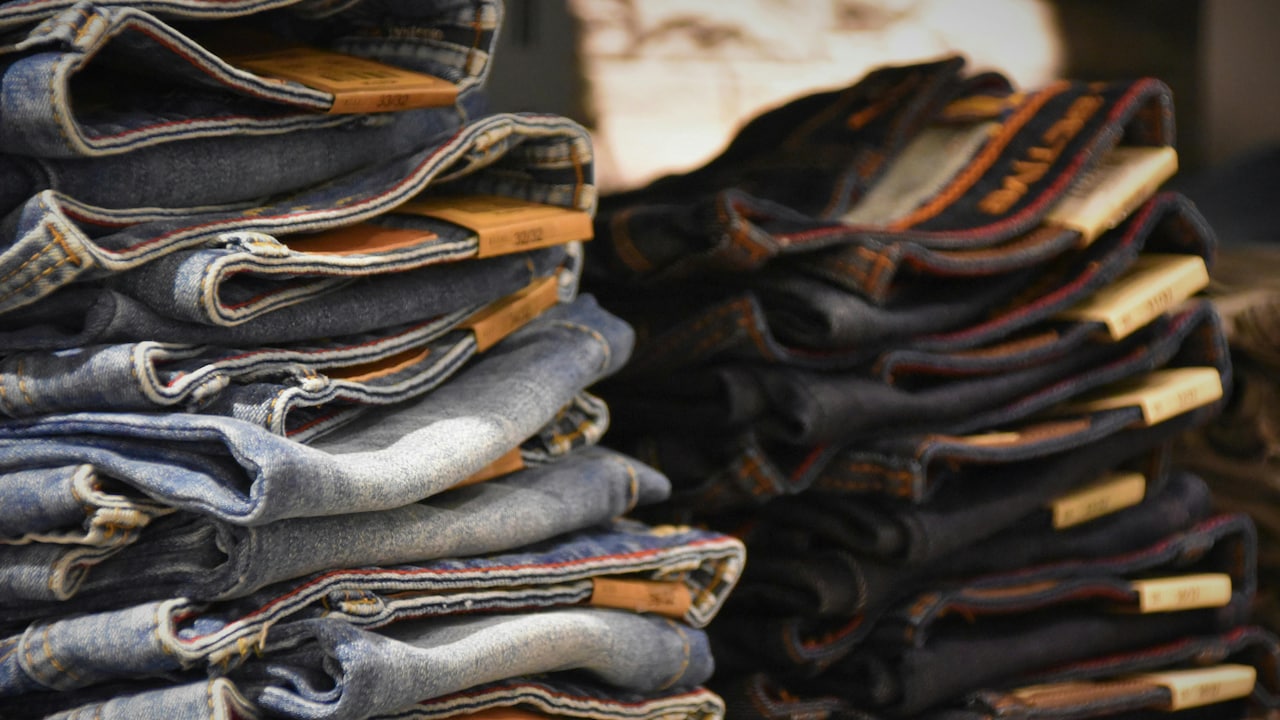
Why Your Jeans Look Great In Store But Bad At Home: Fit Science Explained
Photo Credit: Pexels
Understanding the science behind jean fitting can save money, boost wardrobe satisfaction, and prevent those impulsive purchases that end up forgotten on a shelf. The next time a pair costs ₹4,500 and promises to transform everything, it helps to know what is really happening behind the seams.
Also Read: Jeans That Twist At The Seam After Wash: What Is Causing It?
The Science Behind Why Jeans Feel Different At Home
The Store Lighting Illusion
Retail lighting deserves an award for dramatic performance. Most clothing stores use strategic warm lighting that softens shadows, enhances skin tone, and creates a polished look. This lighting can make denim appear richer, smoother, and more premium than it may actually look in natural daylight.
In many fitting rooms, overhead lights minimise visible lumps, while angled lights create subtle contouring. The result often resembles a cinematic filter rather than reality. At home, under harsher white tube lights or regular room lighting, those same jeans can reveal every wrinkle, crease, or unflattering angle.
This is not accidental. Retailers understand that flattering presentation increases purchase confidence. The visual appeal of jeans depends heavily on how colour saturation and fabric texture respond to lighting conditions.
Trying jeans near natural light or stepping outside the fitting room can offer a more accurate view. It may not feel as glamorous, but it reveals the truth before the receipt is printed. Fashion may be emotional, but lighting often writes the first love story.
Mirrors That Play Mind Games
Not all mirrors tell the truth. Some fitting room mirrors subtly distort proportions through curvature, placement, or angle. A slightly tilted mirror can elongate legs, slim hips, and create a more balanced frame.
This phenomenon can dramatically alter how jeans appear on the body. In-store, legs may look longer and waistlines neater. At home, a regular mirror may present a less edited version, causing confusion and disappointment.
The psychological impact runs deep. When people feel attractive in a store mirror, they become more likely to make positive buying decisions. Confidence often overrides critical analysis.
Checking fit from multiple angles, using phone photos, or moving around can expose whether the jeans truly work. Squatting, sitting, and walking provide far more useful information than standing still in a flattering pose.
A good pair of jeans should survive more than one magical mirror moment. If the fit only works under highly specific visual conditions, it may not be the wardrobe hero it first appeared to be.
Stretch Denim And The Elasticity Trap
Modern jeans often contain elastane or spandex for comfort, flexibility, and body contouring. In-store, this stretch can feel supportive and sculpted. However, after several hours of wear, the fabric may loosen significantly.
This explains why jeans that initially feel snug can become baggy by evening. Areas around the knees, waist, and thighs tend to relax fastest, altering the shape entirely.
Retail shoppers often mistake initial compression for a perfect fit. In reality, denim blends with high stretch percentages can change dramatically throughout the day. Some jeans recover after washing, while others permanently lose structure.
Understanding fabric composition is essential. Jeans with around 1 to 2 percent elastane often maintain shape better than overly stretchy options. Pure cotton denim, though stiffer at first, may offer more consistent long-term wear.
Fabric science matters just as much as style. Great jeans should balance immediate comfort with structural integrity, rather than relying on temporary elasticity that disappears faster than weekend motivation.
Sizing Labels Are Wildly Inconsistent
A size 30 in one brand may fit like a size 28 or 32 elsewhere. Denim sizing lacks universal consistency, creating unnecessary confusion for shoppers.
Brands use vanity sizing to appeal emotionally. Smaller labels can flatter customers, encouraging purchases even when actual garment measurements differ significantly. This marketing tactic often leaves wardrobes full of differently sized jeans that supposedly fit the same body.
At home, comparing new purchases with trusted favourites can reveal surprising discrepancies. The issue is not body fluctuation but inconsistent manufacturing standards.
Body shape also plays a role. Waist-to-hip ratios, thigh proportions, and rise preferences vary, meaning one cut may suit beautifully while another feels disastrous despite identical size tags.
Ignoring labels and focusing on actual fit offers a far more reliable strategy. Measuring existing jeans and checking garment dimensions before buying can reduce disappointment.
Numbers may sit on the tag, but real fit lives in construction, proportion, and personal comfort.
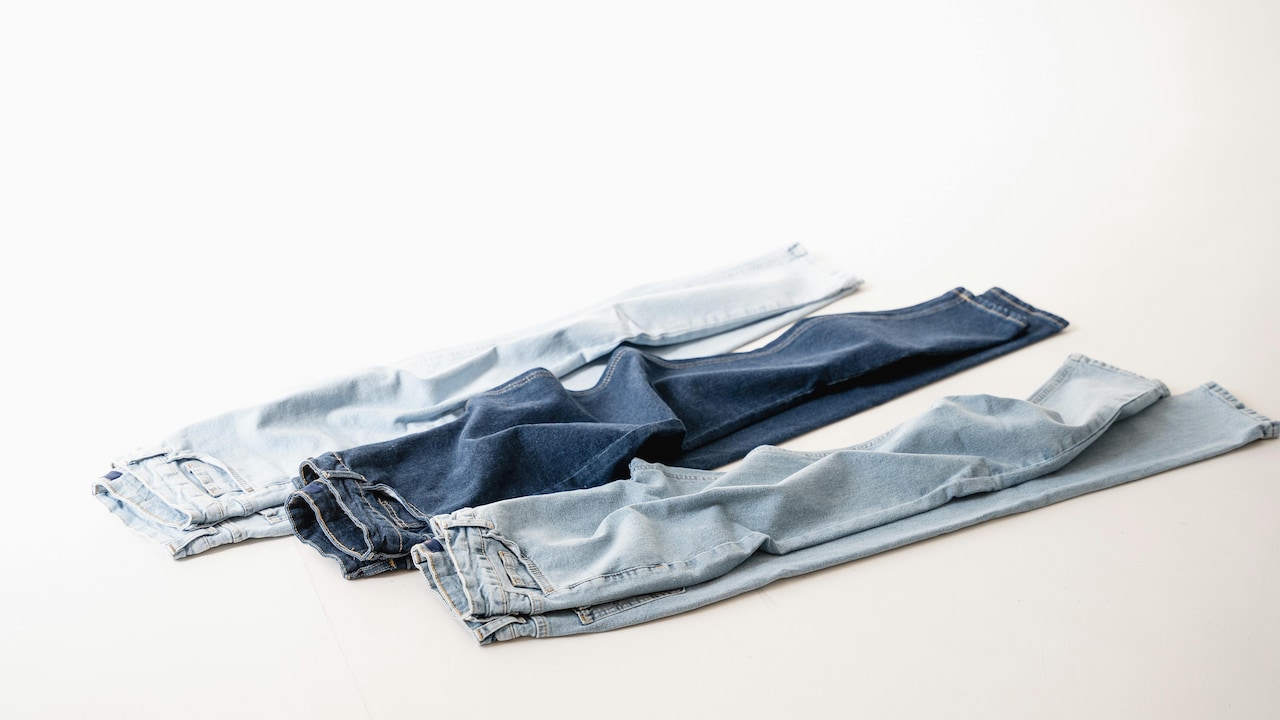
Why Your Jeans Look Great In Store But Bad At Home: Fit Science Explained
Photo Credit: Pexels
Fabric Recovery Changes Everything
Denim does not simply stretch; it either recovers or it does not. Recovery refers to a fabric's ability to return to its original shape after movement. Poor recovery means sagging waistbands, stretched knees, and seat areas that lose form quickly.
In-store fittings rarely reveal this issue because the jeans are unworn. Fresh denim often looks structured and crisp. After repeated sitting, walking, or commuting, weaker fibres may struggle to maintain that polished silhouette.
This can transform stylish skinny jeans into shapeless disappointments by day's end. Heat, humidity, and daily activity worsen the effect, especially during long summer days.
High-quality denim incorporates durable fibre blends and tighter weaves that improve resilience. While these options may cost more upfront, they often deliver better long-term value than cheaper alternatives that degrade quickly.
Jeans should work as hard as daily life demands. Without a strong recovery, even the most flattering fit can unravel faster than festive shopping budgets.
The Psychology Of Shopping Excitement
Buying clothes triggers emotional responses. New purchases create anticipation, excitement, and optimism. In a store, this emotional high can distort judgment.
People often imagine aspirational versions of themselves while shopping. Jeans may symbolise future confidence, lifestyle upgrades, or fashion reinvention. This mindset can overshadow practical concerns like comfort, versatility, or durability.
Retail environments amplify these emotions through music, scent, layout, and urgency tactics such as limited-time offers. A ₹3,999 discount sign can feel irresistible, even when the fit is questionable.
At home, emotional intensity fades. Practical reality returns. Suddenly, jeans face honest scrutiny against existing wardrobes, lighting, and routine movement.
Recognising this psychological shift helps separate genuine style wins from impulse buys. Taking a pause before purchasing or revisiting later can improve decision-making.
Fashion should inspire joy, not buyer's remorse. Sometimes, stepping away from the trial room is the smartest style move possible.
Body Posture In Trial Rooms Versus Real Life
Trial room posture deserves attention. Many people unconsciously stand straighter, suck in slightly, and adjust body positioning while evaluating clothes. This temporary posture enhancement can dramatically improve jean appearance.
At home, normal posture returns. Sitting, bending, slouching, or moving naturally can expose waistband gaping, thigh tightness, or uncomfortable rises.
This difference explains why jeans can seem flawless for ten minutes yet frustrating during daily wear. Clothing must function beyond posed stillness.
Testing jeans dynamically offers better insight. Sitting cross-legged, climbing stairs, or reaching down can reveal practical limitations quickly.
Fashion photography and social media often reinforce unrealistic static ideals, but real wardrobes require adaptability. Great denim should support life's messy, active rhythms rather than demand constant posture correction.
The true test of jeans lies not in standing elegantly under fluorescent charm but in surviving traffic, office chairs, and spontaneous dinner plans.
Washing And Shrinkage Surprises
Denim evolves after washing. Cotton fibres often shrink, while certain blended fabrics may tighten or warp depending on care methods.
A perfect in-store fit can become unexpectedly restrictive after one aggressive machine wash. Alternatively, jeans may loosen if improperly dried or over-worn between washes.
Many shoppers overlook care instructions, assuming all denim behaves similarly. Yet water temperature, detergent strength, and drying methods significantly impact garment longevity.
Cold washing and air drying generally preserve shape and colour better than heat-heavy methods. Premium denim often requires gentler care, despite busy schedules encouraging shortcuts.
Understanding post-purchase maintenance is just as important as initial fitting. A stunning pair can quickly lose appeal if fabric integrity suffers from careless washing habits.
Jeans are not static garments. They shift, settle, and adapt, making aftercare part of the broader fit science equation.
Cut And Rise Influence More Than Size
Skinny, straight, bootcut, high-rise, mid-rise, and low-rise styles all interact differently with body proportions. Sometimes the issue is not a poor fit but the wrong cut for an individual's structure.
High-rise jeans may define the waist beautifully for some, while feeling restrictive for others. Straight-leg cuts often offer balance, while ultra-skinny styles can exaggerate discomfort.
Retail trends frequently prioritise aesthetics over practicality. Popular cuts may dominate shelves even if they fail diverse body types.
Choosing jeans based on body mechanics rather than trend cycles improves satisfaction significantly. Rise determines waist comfort, while leg shape influences visual proportion.
Experimenting beyond familiar styles can reveal unexpected favourites. Sometimes, the dream pair is not the trendy option but the one that aligns naturally with shape and movement.
Denim success often depends less on chasing fashion and more on understanding personal architecture.
Smart Shopping Strategies For Better Denim Choices
Buying jeans wisely involves slowing down and shopping strategically. Trying multiple sizes, checking fabric content, testing movement, and viewing under varied lighting all improve outcomes.
Bringing trusted footwear or tops can also clarify whether jeans truly integrate into daily style. Online shoppers benefit from reading fabric details, customer reviews, and return policies carefully.
Quality over quantity often proves financially smarter. Investing ₹6,000 in durable, flattering denim may outperform repeatedly buying cheaper pairs that disappoint.
Tailoring also deserves consideration. Minor waist or hem adjustments can transform near-perfect jeans into custom-feeling essentials.
Ultimately, smart denim shopping combines patience, science, and self-awareness. The best pair should not just impress under store lights but continue delivering confidence through ordinary days.
True style is less about retail illusion and more about lasting comfort.
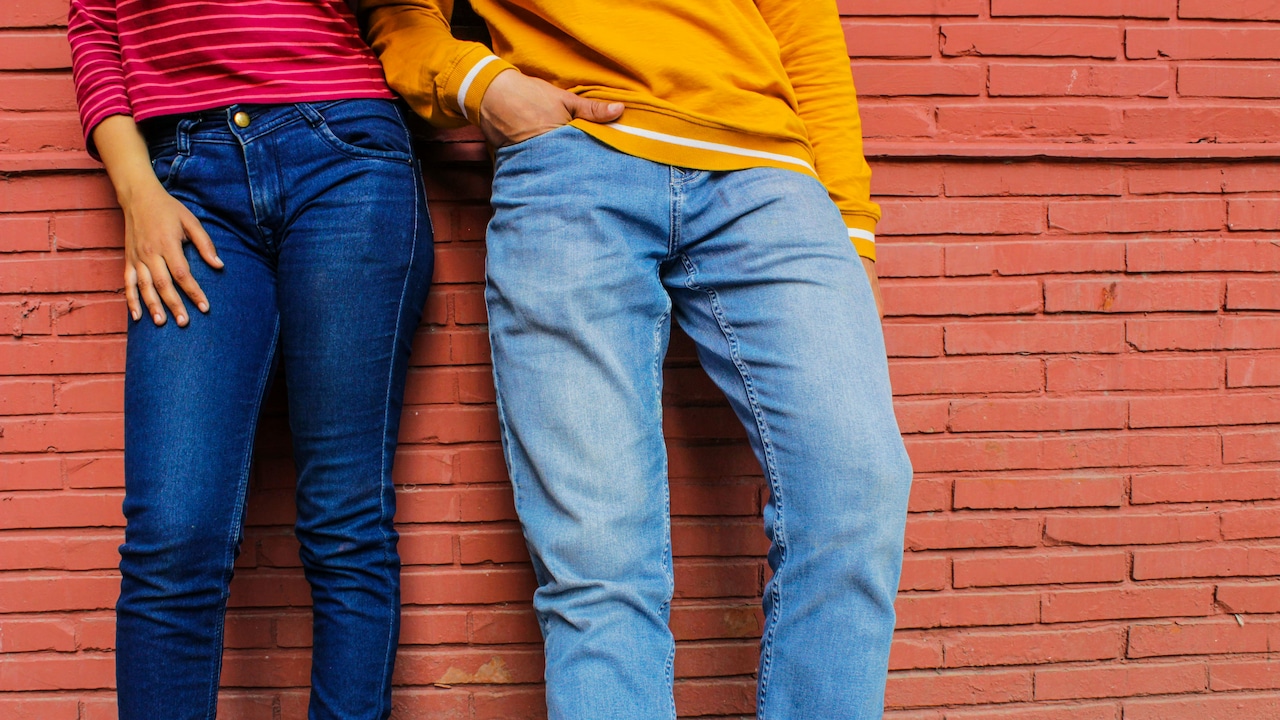
Why Your Jeans Look Great In Store But Bad At Home: Fit Science Explained
Photo Credit: Pexels
Products Related To This Article
1. Urbano Fashion Men Loose Fit Washed Non-Stretchable Jeans
2. Kotty Women Jean Straight Fit High-Rise Stretchable Jeans
3. Snitch Men Smart Relaxed Fit Pure Cotton Jeans
4. Nauti Nati Girls Regular Fit Mid-Rise Low Distress Stretchable Jeans
5. Mast & Harbour Men Straight Fit Mid-Rise Stretchable Jeans
6. 1TO FINITY Women Wide Leg Loose Fit Dark Shade Jeans
7. HIGHLANDER Men Straight Fit Clean Look Stretchable Jeans
The mystery of jeans that dazzle in-store but disappoint at home is no accident. It is the result of lighting tricks, mirror manipulation, fabric science, psychological excitement, and inconsistent sizing. Retail environments are designed to flatter, but daily life quickly exposes whether denim genuinely fits.
Understanding these hidden factors empowers smarter choices. Jeans should support real movement, maintain structure, and suit authentic lifestyles rather than temporary fitting room fantasies.
The next time a pair seems irresistibly perfect, a little scepticism can save both money and frustration. Great jeans are not about illusion. They are about science, comfort, and confidence that lasts long after leaving the shop.
(Disclaimer: This article may include references to or features of products and services made available through affiliate marketing campaigns. NDTV Convergence Limited (“NDTV”) strives to maintain editorial independence while participating in such campaigns. NDTV does not assume responsibility for the performance or claims of any featured products or services.)