Why Your Jeans Lose Shape at Knees And Thighs And How To Keep Them Fitted
Jeans often lose shape at the knees and thighs due to stretch fibres, daily movement and washing habits. This article explains why it happens and how to keep denim fitted longer.
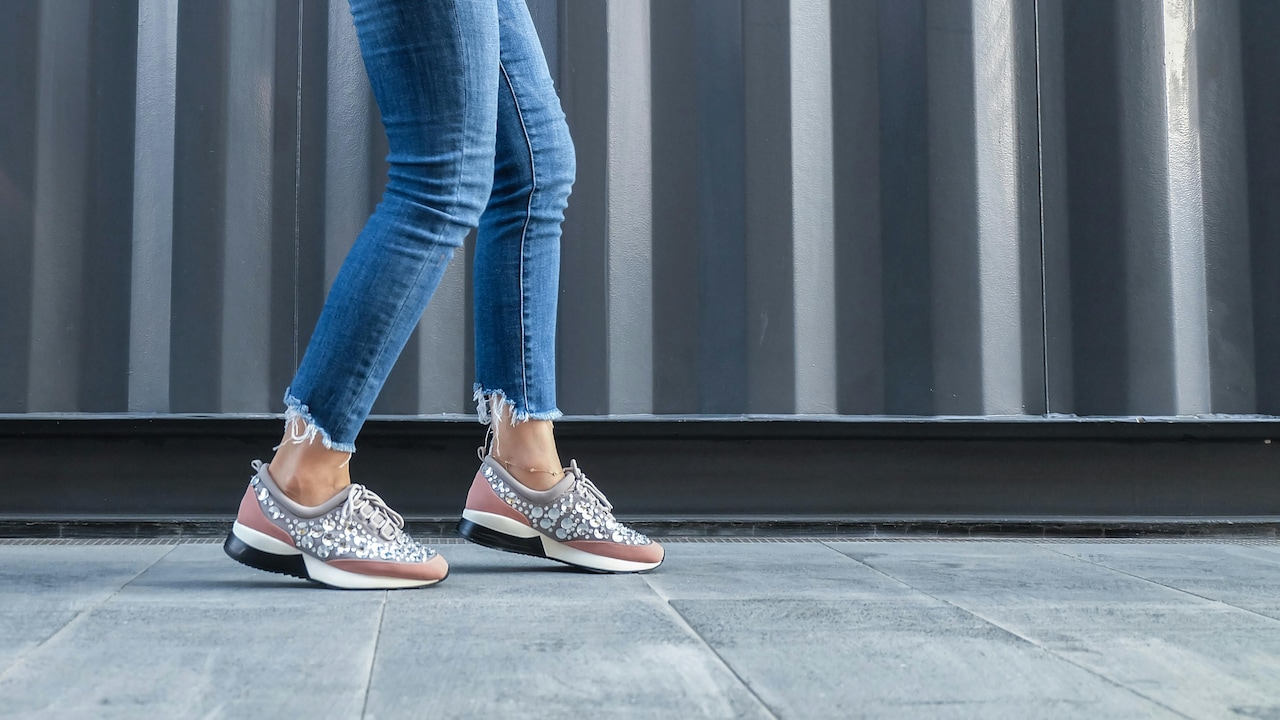
Jeans Losing Shape At The Knees And Thighs? This Is Why It Happens And How To Fix It.
Jeans enjoy a special place in daily dressing. They travel from office chairs to roadside cafés, from weekend markets to late-night drives. They bend, stretch, sit, squat, and sometimes suffer. Over time, many pairs start to lose their crisp shape, especially around the knees and thighs. The fabric bags out, creases deepen, and that tailored look fades away.
This problem often feels inevitable, yet it rarely is. Denim reacts to movement, heat, moisture, and tension. Modern lifestyles add pressure too. Long hours of sitting, riding two-wheelers, climbing stairs, and rushing through packed streets all leave their mark. Add frequent washing and poor storage, and jeans begin to surrender.
Understanding why this happens makes it easier to fix. The good news lies in small changes. Better fabric choices, smarter washing, and mindful wear can stretch the life of a favourite pair. With the right habits, jeans can stay fitted, flattering, and dependable for years.
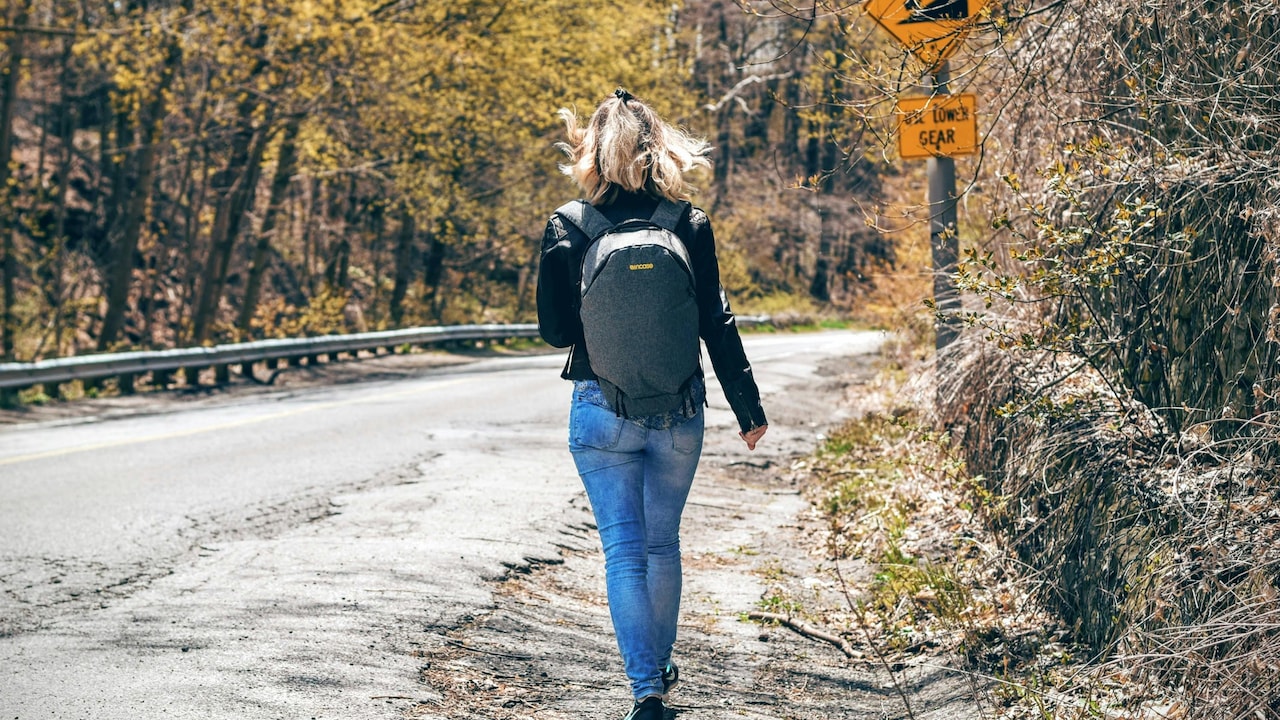
Why Your Jeans Lose Shape at Knees And Thighs And How To Keep Them Fitted; Photo Credit: Pexels
Why Your Jeans Stretch Where You Don't Want Them To
1. The Stretch Factor: When Elastic Fibres Go Too Far
Modern jeans rarely rely on pure cotton. Most include elastane or Lycra for comfort and flexibility. This blend helps jeans move with the body, especially around the thighs and knees. The trouble begins when stretched fibres face constant pressure.
Daily activities stretch these fibres repeatedly. Sitting for hours, riding long distances or crouching strains the fabric. Over time, elastic fibres lose their ability to snap back. Once overstretched, they relax permanently, leading to saggy knees and loose thighs.
Heat worsens this issue. Warm weather, body heat and friction soften elastane, making it stretch faster. That is why jeans worn during long summer days often lose shape sooner.
Choosing denim with moderate stretch helps. Jeans labelled “comfort stretch” often perform better than “super stretch” versions. Rotating between pairs also gives fibres time to recover. Denim behaves like muscles. It needs rest to stay strong.
2. Sitting Habits That Quietly Ruin Denim
Every day, sitting habits play a bigger role than expected. Long hours at desks, dining tables or on sofas place constant pressure on the knee and thigh areas. When legs remain bent for extended periods, the muscles stretch and struggle to bounce back.
Cross-legged sitting adds extra stress. The fabric twists and pulls at odd angles, especially around the inner thighs. Over time, this uneven tension leads to visible bagging.
Public transport adds another layer. Standing with weight shifted to one leg or squeezing into crowded spaces strains denim seams. Even short daily commutes add up.
Small adjustments help. Stretching legs occasionally during long sits reduces constant tension. Avoiding deep knee bends when unnecessary also protects the fabric. Comfort matters, but mindful movement keeps jeans looking structured.
Denim responds to routine. Gentle habits preserve shape far better than constant pressure.
Also Read: Jeans That Don't Lose Shape: 7 Durable Denim Styles That Stay Flattering After Many Washes
3. Washing Too Often: Clean Does Not Always Mean Better
Frequent washing remains one of the biggest enemies of well-fitted jeans. Water, detergent, and agitation weaken fibres with every wash. Stretch denim suffers the most.
Many wash jeans after one or two wears, fearing stains or odour. Yet denim does not need such frequent cleaning. Overwashing strips natural oils, dries fibres, and reduces elasticity.
Machine washing adds friction. Jeans rub against other clothes, pulling at knees and thighs. Hot water worsens damage by softening elastic fibres.
Turning jeans inside out before washing helps reduce surface stress. Using cold water and gentle cycles protects fabric integrity. Mild detergents designed for dark clothes preserve elasticity better.
Air drying works best. Tumble dryers apply heat and tumbling action, both harmful to stretch fibres. Hanging jeans by the waistband allows gravity to help regain shape.
Less washing often means longer-lasting fit.
4. Fabric Weight Matters More Than Style Trends
Denim weight influences how jeans age. Lightweight denim feels breathable and soft, making it popular in warm climates. However, lighter fabrics lack the structure needed to hold shape under daily wear.
Heavyweight denim resists stretching better. Thicker yarns withstand tension and recover shape more effectively. Jeans made with denser weaves often feel stiffer initially but age beautifully.
Fashion trends often favour thin, flexible denim for comfort. Unfortunately, comfort-focused fabrics stretch out faster. Thighs and knees bear the brunt.
Checking fabric weight before buying helps. Denim measured in ounces gives a rough idea. Mid-weight denim offers a good balance between comfort and durability.
Paying a little more for quality denim often saves money in the long run. A ₹2,500 pair that lasts three years beats replacing ₹1,200 jeans every season.
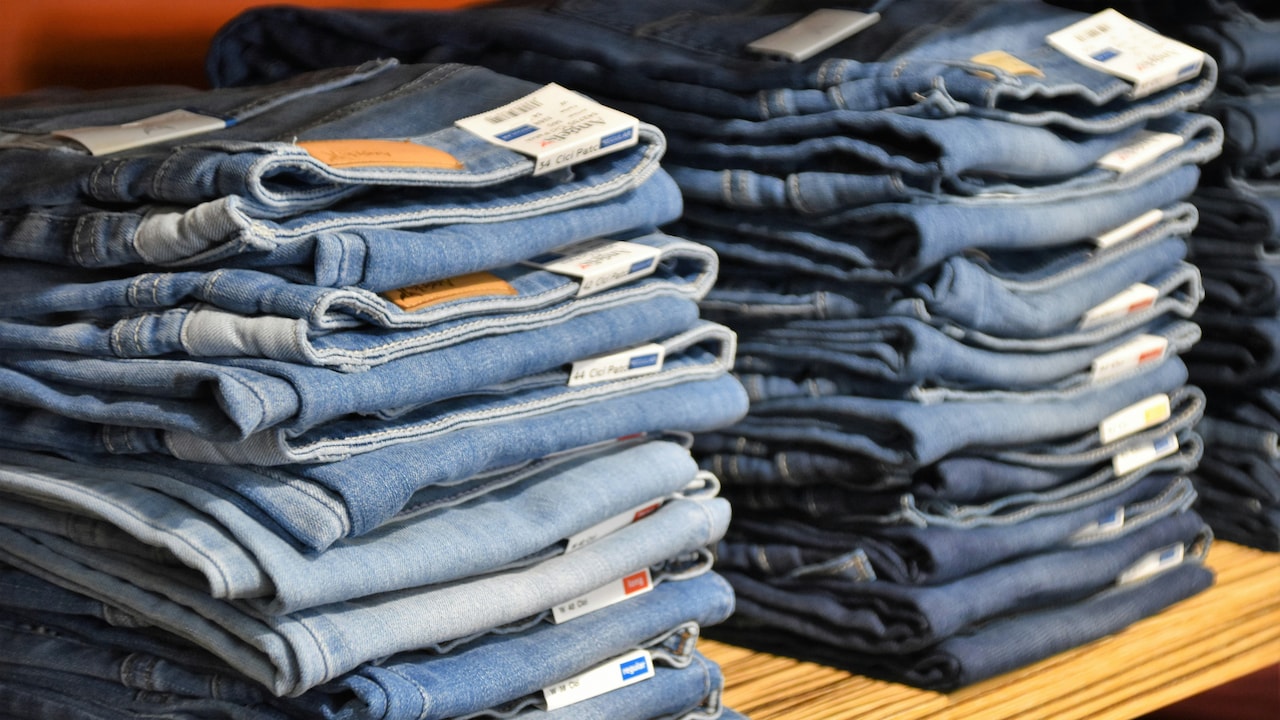
Why Your Jeans Lose Shape at Knees And Thighs And How To Keep Them Fitted; Photo Credit: Pexels
5. Poor Fit at Purchase Leads to Faster Sagging
Buying jeans that feel slightly loose often seems sensible. Comfort wins at the trial room mirror. Yet loose fits tend to stretch even more during wear.
Jeans should feel snug when new, especially around the thighs. Stretch denim relaxes with movement, settling into a comfortable fit within hours. Starting with an extra room accelerates sagging.
Waistbands also matter. A loose waist pulls fabric downward, increasing tension on thighs and knees. Over time, this constant drag worsens bagging.
Trying on jeans at different times of day helps. Legs swell slightly by evening due to heat and activity. A fit that works then usually holds better throughout the day.
Good fit acts as the first defence against shape loss. Comfort grows naturally with wear.
6. Climate and Humidity Play a Silent Role
Warm, humid conditions affect denim more than many realise. Moisture in the air softens fibres, making them stretch more easily. Sweat adds another layer of moisture, especially around thighs and knees.
During hot months, jeans absorb moisture throughout the day. This constant dampness relaxes fibres and weakens elasticity. Repeated exposure leads to permanent shape loss.
Choosing breathable denim blends helps. Cotton-rich fabrics allow better airflow. Dark colours absorb more heat, increasing fibre stress.
Allowing jeans to air out between wears prevents moisture buildup. Hanging them in a ventilated area helps fibres recover. Wearing the same pair on consecutive humid days speeds up wear and tear.
Climate-conscious care keeps denim resilient despite challenging conditions.
7. Storage Mistakes That Encourage Stretching
How jeans rest when not worn matters. Folding jeans carelessly or hanging them improperly affects shape retention.
Hanging jeans by the waistband for long periods stretches the waist and upper thighs due to gravity. Folding with sharp creases at the knee encourages fabric weakness along that line.
Stacking heavy clothes on top compresses denim fibres, flattening the structure. Over time, this compression leads to permanent creasing and loss of bounce.
Folding jeans along natural seams works best. Avoid sharp bends at the knees. Store them flat or gently rolled.
Giving denim space allows fibres to relax. Thoughtful storage extends shape and lifespan quietly but effectively.
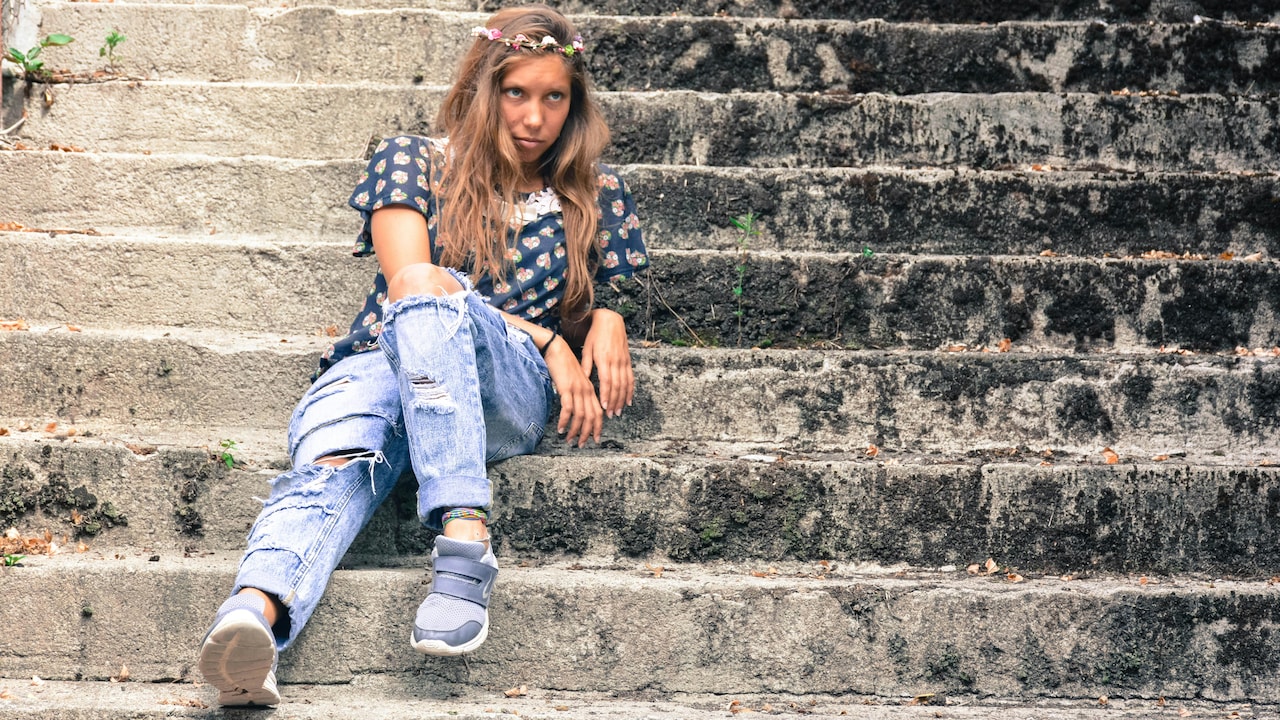
Why Your Jeans Lose Shape at Knees And Thighs And How To Keep Them Fitted; Photo Credit: Pexels
8. Riding, Squatting, and Daily Chores Add Up
Daily activities demand flexibility. Riding scooters, climbing stairs, and squatting during household chores put repeated strain on the knee and thigh areas.
Denim stretches to accommodate movement. Without recovery time, fibres weaken. Frequent squatting pulls fabric diagonally, leading to uneven stretching.
Choosing jeans for activity levels helps. Slim fits with extreme stretch suit casual lounging, but struggle during active days. Straight or relaxed fits distribute stress more evenly.
Rotating jeans based on daily plans reduces damage. One pair for long workdays, another for relaxed outings. This simple habit keeps each pair in better shape.
Denim appreciates variety as much as style does.
9. Quality Stitching Supports Fabric Structure
Stitching often goes unnoticed but plays a vital role. Strong seams support fabric tension and prevent excessive stretching. Weak stitching allows denim panels to pull apart slightly, worsening bagging.
Reinforced seams around thighs and knees provide extra support. Double stitching holds fabric in place during movement.
Cheap jeans often cut corners on stitching quality. Threads loosen quickly, allowing fabric to stretch unchecked.
Checking seams before purchase helps. Firm, even stitching signals durability. Paying attention to this detail saves future frustration.
Strong seams act like a framework, keeping denim aligned and fitted.
10. Simple Habits That Keep Jeans Fitted for Years
Small habits create big results. Rotating jeans, washing less, air drying and mindful sitting preserve shape remarkably well.
Spot cleaning minor stains avoids unnecessary washes. Letting jeans rest between wears allows fibres to recover.
Occasional cold water soaks help tighten stretched fibres. This simple trick refreshes fit without damage.
Choosing quality over quantity also matters. Fewer well-made jeans outlast piles of fast fashion.
Denim rewards care. Treating jeans with respect keeps them flattering, reliable and comfortable for years.
Products Related To This Article
1. AngelFab Women Straight Fit High-Rise Stretchable Jeans
2. Roadster The Lifestyle Co. Men Pure Cotton Baggy Fit Denim Jeans
3. Levis Women Classic Regular Fit High-Rise Stretchable Jeans
4. Bene Kleed Men Wide Leg Heavy Fade Jeans
5. DOLCE CRUDO Women Bootcut High-Rise Low Distress Stretchable Jeans
6. WROGN Men Straight Fit Stretchable Jeans
7. Tokyo Talkies Women Flared High-Rise Jeans
Jeans lose shape at the knees and thighs for understandable reasons. Stretch fibres in tyres, daily habits, strain on fabric, and improper care speed up wear. Yet this process does not have to feel inevitable.
With better choices and small adjustments, denim can stay sharp and supportive. Paying attention to fit, fabric, washing, and movement makes all the difference. Wide Jeans then age with character rather than frustration.
That perfect pair deserves more than a short-lived romance. With the right care, it can remain a trusted companion through countless days, seasons, and stories.
(Disclaimer: This article may include references to or features of products and services made available through affiliate marketing campaigns. NDTV Convergence Limited (“NDTV”) strives to maintain editorial independence while participating in such campaigns. NDTV does not assume responsibility for the performance or claims of any featured products or services.)