Why Your Handbag Feels Heavy Even Half Empty: Weight Distribution, Strap Design, Shoulder Strain
Why does a handbag feel heavy even when it's half empty? Poor weight distribution, narrow straps, and bad design quietly strain your shoulders. This piece breaks down the hidden reasons and how to fix them. Explore common reasons behind why your handbag is feeling heavy.
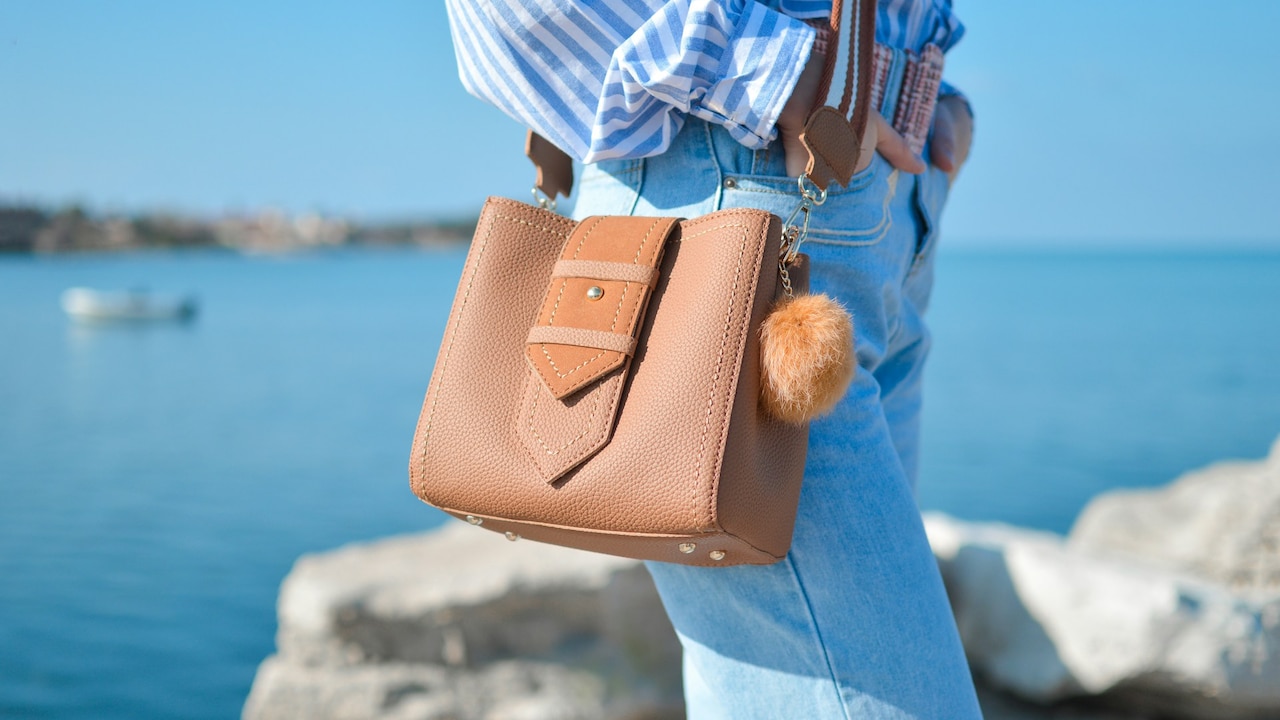
Check Out The Real Reason Your Handbag Feels Heavy Despite Carrying Very Little.
A quick trip to the market, a short commute, or a casual coffee catch-up should not end with sore shoulders or a stiff neck. Yet many people experience exactly that, even when the handbag carries little more than a phone, wallet, keys, and perhaps a lipstick. The mystery lies not in the contents but in how the bag interacts with the body. Handbags rarely receive the same ergonomic attention as office chairs or shoes. Style often takes centre stage, while comfort quietly suffers. Over time, this imbalance creates strain that sneaks up slowly, first as mild discomfort and later as persistent aches.
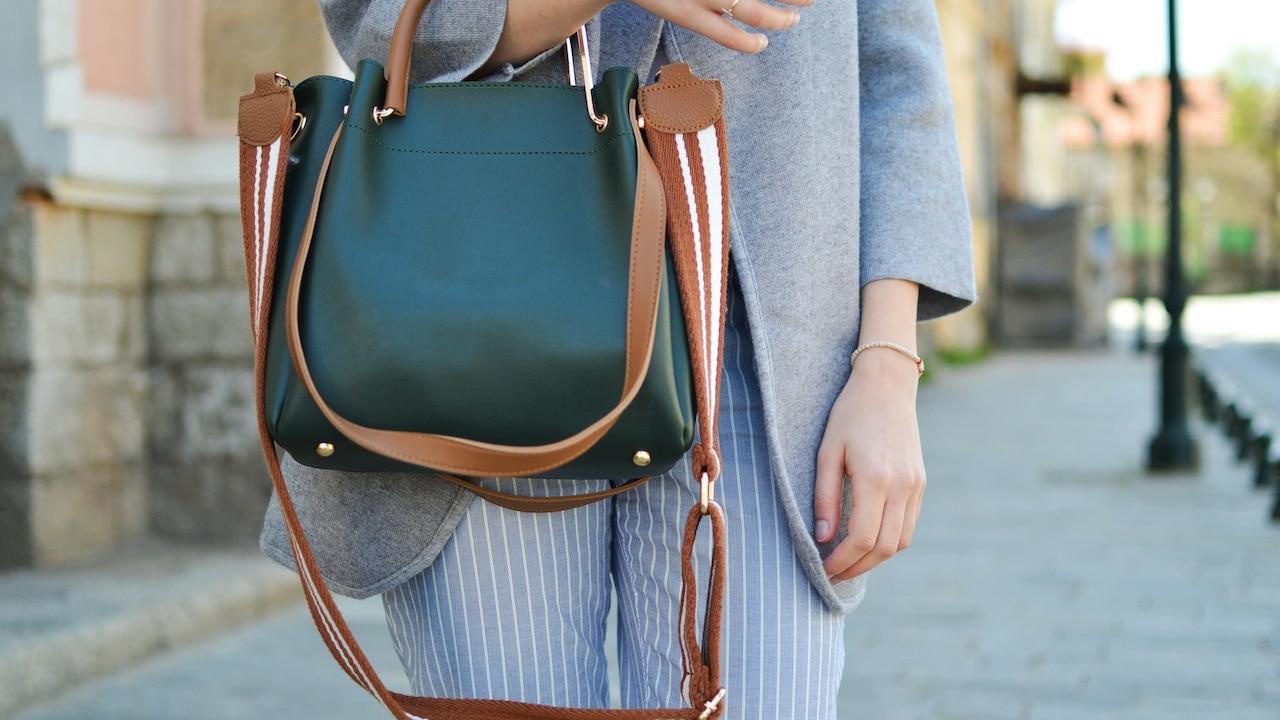
Explore 10 common reasons that can make your handbag feel heavier than it is; Photo Credit: Unsplash
Every day life involves constant movement. Bags swing, shift, and tug with each step. When design flaws meet daily routines, the result feels heavier than reality. Understanding these hidden mechanics helps explain why a half-empty handbag can feel like a burden. More importantly, it opens the door to smarter choices that protect posture, comfort, and long-term well-being.
Also Read: Turn Heads for Less: Top Handbags Under ₹1,500 From Lavie, Hidesign And More
Why Handbag Design Matters More Than Weight
1. The Illusion of Weight: Why Balance Matters More Than Load
A handbag does not need to weigh much to feel exhausting. The real issue lies in balance. When items settle unevenly, the bag pulls to one side, forcing the shoulder and neck muscles to work overtime. Even a small shift in weight can create constant tension.
Keys slip into corners, phones slide against the lining, and compact bottles roll freely. The body responds by subtly lifting one shoulder to compensate. Over time, this unnatural posture creates fatigue that feels disproportionate to the actual load.
This imbalance worsens during movement. Walking, climbing stairs, or boarding a bus causes contents to swing. The bag becomes a pendulum, tugging rhythmically against the shoulder. Muscles tense repeatedly, never quite relaxing.
A simple comparison helps. Carrying ₹500 worth of groceries evenly in two hands feels manageable. Holding the same weight in one hand soon becomes tiring. Handbags work the same way. Balance matters far more than the number on the scale.
2. Strap Width: The Unsung Hero of Comfort
Strap design often gets overlooked during purchase. Slim straps may look elegant, yet they concentrate pressure on a small area of the shoulder. This focused pressure reduces blood flow and irritates nerves, leading to soreness even with light contents.
Wider straps spread the weight across a larger surface. The difference feels immediate. Pressure softens, muscles relax, and the bag feels lighter without removing a single item. Padding adds another layer of comfort by absorbing shock during movement.
Long days out amplify this effect. A narrow strap digs deeper as hours pass, especially in warm weather when skin feels more sensitive. That stylish thin strap suddenly feels like a burden.
Adjustable straps also matter. When a bag hangs too low, it pulls downward with each step. When it sits too high, it presses awkwardly against the shoulder. The right length allows the bag to rest naturally against the body, reducing strain without sacrificing style.
3. One Shoulder, Many Problems
Carrying a handbag on the same shoulder every day feels convenient. Unfortunately, the body pays the price. Muscles on one side work harder, while the other side stays relatively idle. This imbalance slowly affects posture.
Over time, the shoulder carrying the bag may dip slightly lower. The neck tilts to compensate, and the spine adjusts subtly. These changes often go unnoticed until discomfort becomes persistent.
Switching shoulders seems like a small habit, yet it makes a significant difference. Alternating sides allows muscles to recover and maintains better alignment. Backpacks naturally distribute weight across both shoulders, which explains their comfort during longer walks.
Even a half-empty handbag creates repetitive stress when carried the same way daily. Muscles crave balance just as much as the bag itself. Variety in carrying habits keeps the body resilient and reduces the quiet buildup of strain.
4. Bag Shape and the Hidden Pull
The shape of a handbag plays a surprisingly large role in perceived weight. Tall, narrow bags encourage items to stack vertically. This creates a top-heavy effect that pulls away from the body.
In contrast, wider bags keep contents closer to the centre of gravity. Weight rests against the torso rather than dangling outward. This subtle difference reduces the effort required to stabilise the bag while walking.
Structured bags hold their shape, preventing items from shifting constantly. Slouchy designs allow contents to slide freely, increasing movement and strain. Each swing demands a micro-adjustment from the shoulder and back.
Think of carrying a bucket filled halfway with water. The sloshing creates more effort than a solid object of the same weight. Handbags behave similarly. A stable shape reduces unnecessary movement, making even a slightly heavier bag feel easier to manage.
5. The Silent Role of Material
Material choice affects weight perception more than expected. Thick leather, metal chains, and heavy embellishments add significant weight before anything goes inside. That decorative buckle may look impressive, but it contributes to fatigue over time.
Synthetic fabrics, canvas, and lightweight treated leather offer durability without excess heft. The bag feels lighter from the start, leaving more room for essentials without tipping into discomfort.
Texture also matters. Slippery materials cause bags to slide off the shoulder, prompting constant readjustment. Each adjustment engages muscles, adding to fatigue. Grippier materials stay in place, allowing the body to relax.
The difference becomes clear during long days out. A bag that starts heavy grows heavier with time. Choosing materials wisely reduces the baseline load and keeps daily movement comfortable rather than draining.
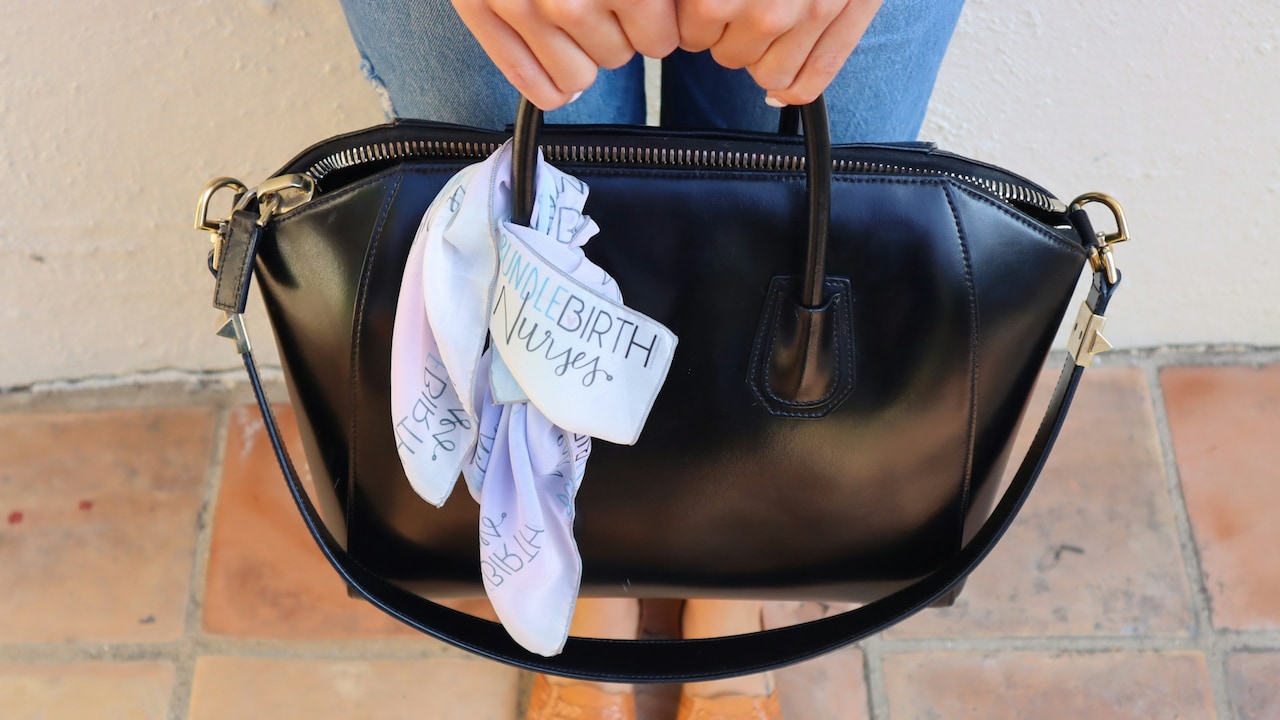
Certain materials like thick leather, metal chains, and heavy embellishments can feel heavy; Photo Credit: Unsplash
6. Organisation: Small Chaos, Big Impact
A half-empty bag often hides chaos. Items float freely, settling wherever gravity pulls them. This lack of organisation creates uneven weight distribution that strains the shoulder.
Multiple compartments solve this problem elegantly. When items have designated spaces, weight spreads evenly. The bag stays balanced, and movement feels controlled rather than chaotic.
Pouches offer a simple solution. Grouping essentials together prevents them from drifting to one side. Even a small organiser can transform how a bag feels during use.
The mental benefit matters too. Knowing where everything sits reduces rummaging. Less digging means fewer awkward postures and sudden jerks. Organisation supports both physical comfort and everyday ease, proving that order truly lightens the load.
7. The Commute Effect
Daily commuting intensifies handbag strain. Crowded buses, long walks, and sudden stops force the body to stabilise the bag constantly. Even light bags feel heavy by the time the destination arrives.
Standing for long periods worsens the issue. The shoulder bears continuous weight without relief. Muscles fatigue quickly, especially when combined with poor posture.
During peak hours, bags often get clutched closer to avoid bumping others. This awkward grip strains wrists and forearms, spreading discomfort beyond the shoulder.
Choosing bags designed for movement makes a noticeable difference. Secure closures, stable shapes, and crossbody options distribute weight more evenly. Small design details ease the daily grind and turn commuting into a less painful experience.
8. Fashion vs Function: Finding Middle Ground
Fashion trends often favour aesthetics over ergonomics. Tiny handles, decorative chains, and rigid designs may look striking, but rarely support comfort. Over time, the body protests.
That does not mean style must suffer. Many modern designs blend elegance with thoughtful construction. Wider straps, lighter materials, and balanced shapes now appear in stylish collections.
Choosing function-first does not require sacrificing personality. Colour, texture, and craftsmanship still shine without burdening the shoulder. A bag that complements both outfit and body feels like a win on all fronts.
Listening to the body helps guide better choices. If a bag causes discomfort within minutes, no trend justifies the strain. Comfort and confidence often walk hand in hand.
9. Long-Term Impact on Health
Persistent shoulder strain does not remain isolated. Over time, it affects the neck, upper back, and even posture. Headaches, stiffness, and reduced mobility may follow.
Muscles adapt to repeated stress by tightening. This tension restricts movement and increases fatigue. What begins as a minor inconvenience can evolve into chronic discomfort.
Preventive habits matter. Choosing supportive bags, switching shoulders, and lightening unnecessary contents protect long-term health. Small changes today prevent larger issues tomorrow.
The body sends signals early. Acknowledging them avoids years of silent strain. Comfort deserves attention just as much as style, especially when daily routines depend on carrying essentials everywhere.
10. Simple Fixes That Make a Big Difference
Improving handbag comfort does not require a complete wardrobe overhaul. Small adjustments create immediate relief. Removing rarely used items reduces unnecessary weight. Switching shoulders balances muscle use.
Adding a strap pad cushions pressure points. Using organisers stabilises contents. Adjusting the strap length improves alignment.
Occasionally, choosing a backpack or crossbody bag gives the shoulders a break. Variety prevents repetitive stress and keeps muscles flexible.
Awareness remains the most powerful tool. Understanding why a half-empty handbag feels heavy encourages smarter habits. Comfort becomes intentional rather than accidental, turning daily carry into a lighter, more pleasant experience.
Products Related To This Article
1. Mast & Harbour Textured Structured Tote Bag with Tasselled
2. Fastrack Women Tan Croco Structured Satchel with Detachable Sling Strap Fits Upto
3. ZOUK Navy Blue & Pink Printed Vegan Leather Sustainable Shoulder 16 Inch Laptop Tote Bag
4. Berrylush Women's Structured Shoulder Bag
5. MANGO Structured Shoulder Bag
6. Lookout fashion Printed Up to 16 inch Structured Tote Bag
7. Lino Perros Beige Solid Handheld Bag with Sling Strap
A handbag's weight rarely tells the full story. Balance, design, and habits shape how that weight feels throughout the day. What appears light on the outside can quietly strain muscles when design flaws and routines combine.
By paying attention to strap width, material, organisation, and carrying habits, comfort becomes achievable without sacrificing style. Small changes protect posture and ease daily movement.
The next time a half-empty handbag feels unexpectedly heavy, the reason no longer remains a mystery. With a little awareness and smarter choices, shoulders stay relaxed, steps feel lighter, and everyday life becomes more comfortable, one bag at a time.
(Disclaimer: This article may include references to or features of products and services made available through affiliate marketing campaigns. NDTV Convergence Limited (“NDTV”) strives to maintain editorial independence while participating in such campaigns. NDTV does not assume responsibility for the performance or claims of any featured products or services.)