Nightwear That Feels Hot Even In AC? Fabric Swap That Can Change Sleep Quality
AC on but still sweating at night? The problem may be your nightwear. Discover how switching to breathable fabrics can instantly improve sleep quality and keep you cool all night.

Nightwear Fabrics For Hot Nights: Stay Cool And Sleep Better Even In AC
Late nights in the city often come with a familiar routine. AC set to 24 degrees, a light sheet pulled up, perhaps a glass of water by the bedside. Yet, despite all this effort, sleep refuses to settle. There's a constant tossing, a vague discomfort, a feeling that the body simply cannot cool down.
It's easy to blame the weather, the humidity, or even stress. But sometimes, the real issue lies much closer, right on the skin. Nightwear, often chosen for style or habit, plays a surprisingly powerful role in how the body regulates temperature during sleep.
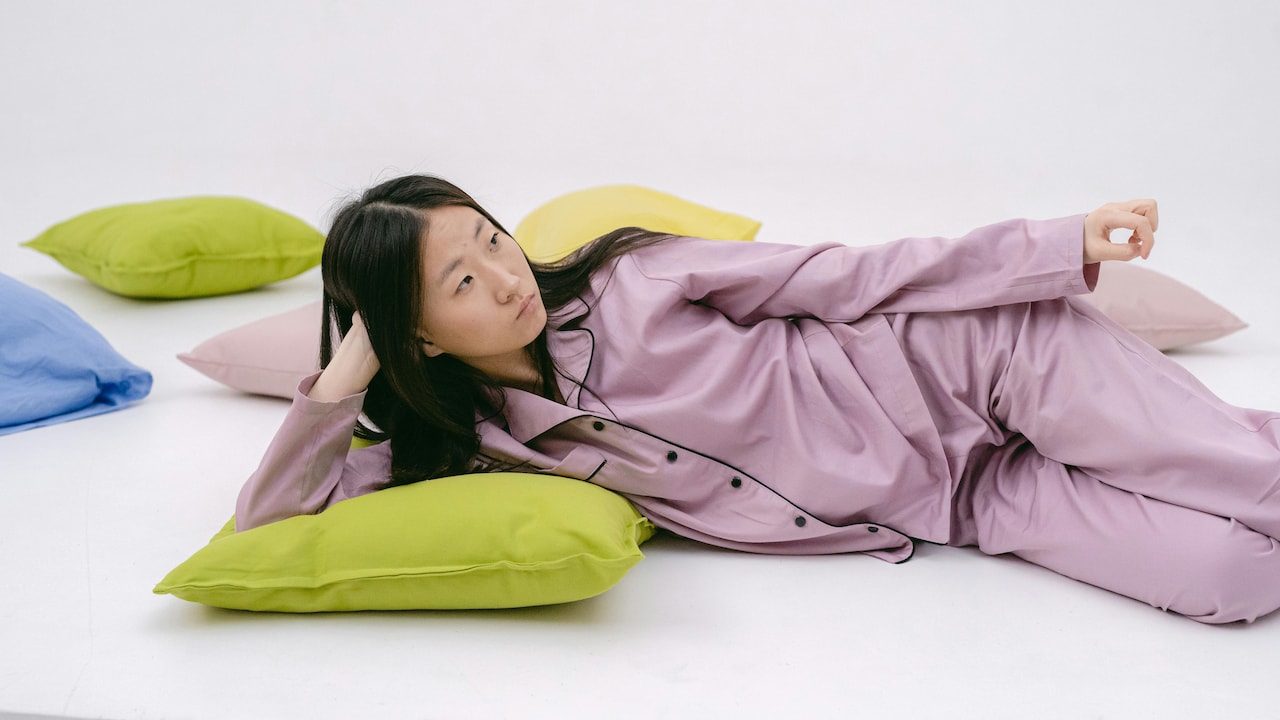
Nightwear That Feels Hot Even In AC? The Fabric Swap That Changes Sleep Quality
Photo Credit: Pexels
A fabric that traps heat can undo the comfort of even the strongest AC. On the other hand, the right material can feel like a gentle breeze, even on the warmest nights. It's not about expensive purchases or complicated solutions. It's about understanding what the body needs after a long day and letting fabric work with it, not against it. This is where a simple fabric swap can quietly change everything.
Also Read: 5 Comfy Matching Loungewear Sets That Keep You Stylish While Working From Home
The Fabric Factor: Why Your Nightwear Matters More Than You Think
The Hidden Reason AC Isn't Enough
Air conditioners create the illusion of control. The room feels cool, the air crisp, yet sleep remains elusive. The body, however, doesn't respond to air temperature alone. It reacts to what touches the skin.
Synthetic fabrics often trap heat and moisture. Even in a chilled room, they hold onto warmth, creating a microclimate that feels stuffy. The result is that familiar sticky sensation, where sleep becomes shallow and interrupted.
Many households spend ₹2,000 or more on electricity bills during peak summer months, hoping for uninterrupted rest. Yet, discomfort persists because the fabric choice silently works against the cooling environment.
The body needs to release heat during sleep. When nightwear blocks this natural process, rest becomes fragmented. It's not about turning the AC colder. It's about letting the skin breathe.
A small change in fabric can do what temperature adjustments often fail to achieve.
Why Cotton Isn't Always The Hero
Cotton enjoys a reputation as the ultimate comfort fabric. Soft, breathable, and widely available, it feels like the obvious choice. But not all cotton behaves the same way.
Heavy cotton absorbs sweat but holds onto it. On humid nights, this can make the fabric feel damp and clingy. The initial comfort fades quickly, replaced by a subtle heaviness that disrupts sleep.
Lighter cotton variants work better, but even they have limits when humidity rises. The fabric's ability to retain moisture becomes its biggest drawback.
Many wardrobes are filled with cotton nightwear bought during seasonal sales, often priced around ₹500 to ₹1,000. Yet, these pieces may not deliver the comfort expected.
Cotton isn't the villain, but it's not always the solution either. Understanding its limitations opens the door to better alternatives that feel noticeably lighter and cooler.
The Rise Of Bamboo Fabric
Bamboo fabric has quietly entered the sleepwear conversation, and for good reason. It feels soft, almost like silk, yet remains breathable and light.
Unlike traditional materials, bamboo fibres wick moisture away from the skin. This keeps the body dry, even on warm nights. The fabric adjusts to temperature changes, offering a cooling effect without feeling cold.
There's also a certain ease to how it drapes. It doesn't cling, doesn't trap heat, and moves with the body. Sleep feels uninterrupted, almost effortless.
Though slightly more expensive, with sets often ranging from ₹1,500 to ₹3,000, the difference becomes noticeable within a few nights. It's not about luxury. It's about comfort that lasts through the night.
For those struggling with restless sleep despite air conditioning, bamboo offers a surprisingly effective shift.
Linen: The Underrated Summer Essential
Linen carries a slightly crumpled charm that often gets mistaken for untidiness. But behind that relaxed appearance lies one of the most breathable fabrics available.
It allows air to circulate freely, preventing heat from building up. The texture may feel crisp at first, but it softens with every wash, becoming more comfortable over time.
What sets linen apart is its ability to stay cool against the skin. Even during power cuts or humid nights, it doesn't trap warmth.
Linen nightwear can be pricier, often starting around ₹2,500, but its durability makes it a long-term investment. It doesn't wear out quickly and tends to improve with use.
There's something quietly luxurious about slipping into linen at night. It doesn't try too hard, yet delivers comfort that feels almost effortless.
The Problem With Synthetic Fabrics
Polyester, nylon, and similar materials dominate the market because they are affordable and easy to maintain. But comfort often takes a backseat.
These fabrics trap heat and prevent airflow. They may look appealing on the rack, but once worn, they create a warm layer that the body struggles to escape from.
On particularly humid nights, synthetic nightwear can feel suffocating. Sleep becomes interrupted, and the body wakes up feeling tired rather than refreshed.
Despite their lower price point, often under ₹800, the long-term impact on sleep quality makes them a poor choice for nightwear.
Comfort isn't just about softness. It's about how the fabric interacts with the body. In this case, synthetics often work against it.
How Fabric Affects Sleep Cycles
Sleep isn't just about closing your eyes. The body goes through cycles, each requiring a stable and comfortable environment.
When the body overheats, these cycles get disrupted. Deep sleep shortens, and lighter stages dominate. The result is waking up feeling as though sleep never truly happened.
Fabric plays a direct role in this process. Breathable materials help maintain a steady body temperature, allowing uninterrupted transitions between sleep stages.
Even small disturbances, like slight sweating or discomfort, can pull the body out of deep sleep. Over time, this affects energy levels, mood, and overall well-being.
Choosing the right fabric isn't just about comfort. It's about supporting the body's natural rhythm through the night.
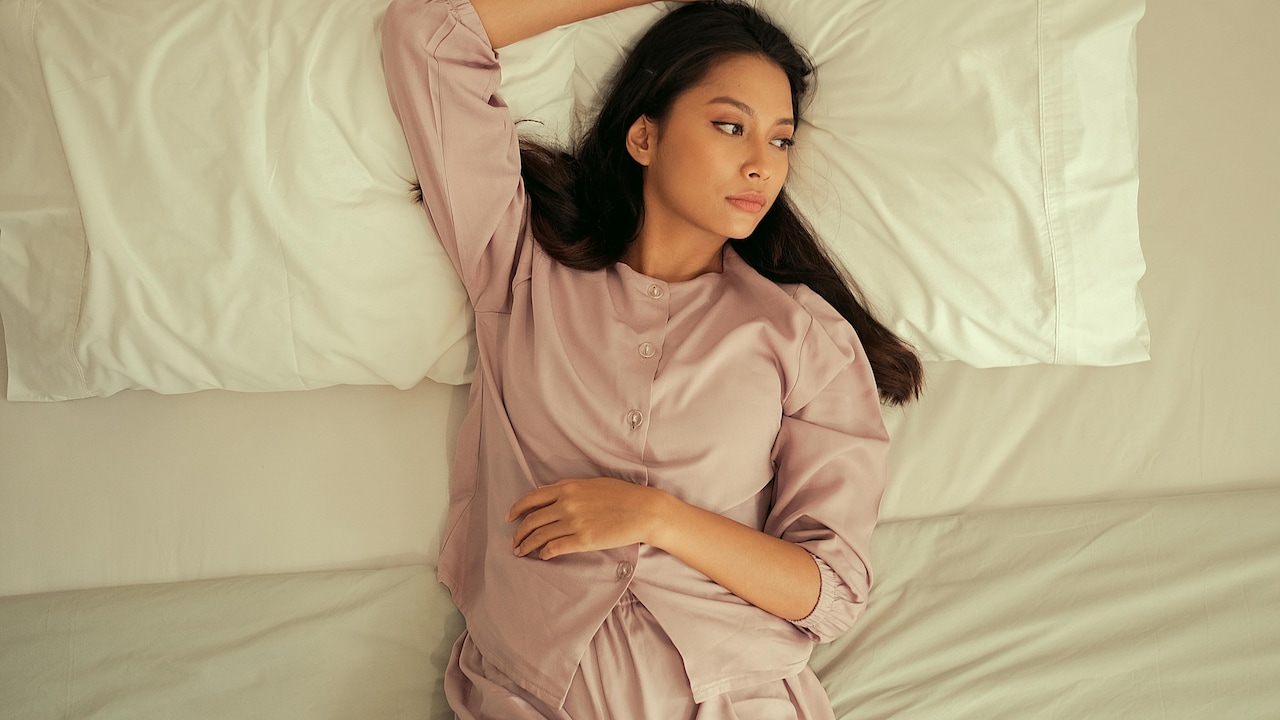
Nightwear That Feels Hot Even In AC? The Fabric Swap That Changes Sleep Quality
Photo Credit: Pexels
The Psychological Comfort Of The Right Fabric
There's a subtle emotional layer to nightwear that often goes unnoticed. The way fabric feels can influence how quickly the mind unwinds.
Soft, breathable materials create a sense of ease. They signal the body that it's time to relax. In contrast, uncomfortable fabrics keep the mind alert, even if subconsciously.
After a long day filled with noise, traffic, and endless notifications, slipping into the right nightwear can feel like a quiet pause. It's a small ritual that marks the transition from activity to rest.
Comfort isn't just physical. It's emotional. And fabric plays a surprisingly powerful role in shaping that experience.
Seasonal Changes Demand Fabric Changes
What works in winter rarely works in summer. Yet, many wardrobes remain unchanged throughout the year.
Warmer months call for lighter, more breathable fabrics. Holding onto thicker materials out of habit can lead to unnecessary discomfort.
Even within summer, humidity levels shift. A fabric that feels fine in March may feel unbearable in June. Adjusting nightwear accordingly makes a noticeable difference.
Investing in seasonal options doesn't require a complete wardrobe overhaul. A few well-chosen pieces, each suited to different conditions, can transform sleep quality.
The body adapts to seasons. Nightwear should do the same.
Fit Matters As Much As Fabric
Fabric choice is crucial, but fit plays an equally important role. Tight nightwear restricts airflow and traps heat, no matter how breathable the material.
Loose, relaxed fits allow air to circulate. They prevent fabric from sticking to the skin and create a more comfortable sleeping environment.
There's also a sense of freedom in wearing nightwear that doesn't cling or constrict. It allows the body to move naturally during sleep, reducing disturbances.
Often, people focus on fabric while overlooking fit. But the two work together. Even the best material can feel uncomfortable if the fit is too tight.
Comfort lies in the balance between the two.
Small Changes, Big Impact
Improving sleep doesn't always require drastic changes. Sometimes, the smallest adjustments make the biggest difference.
Switching from synthetic to breathable fabric, choosing a looser fit, or investing in one high-quality set can transform nightly rest.
It's easy to overlook nightwear because it feels routine. But it's one of the few things that stays in constant contact with the body for hours.
Spending ₹1,500 on better nightwear might seem unnecessary at first. But compared to the cost of poor sleep, fatigue, irritability, and reduced focus, it becomes a worthwhile investment.
Comfort doesn't always come from big upgrades. Sometimes, it comes from paying attention to what's already there.

Nightwear That Feels Hot Even In AC? The Fabric Swap That Changes Sleep Quality
Photo Credit: Pexels
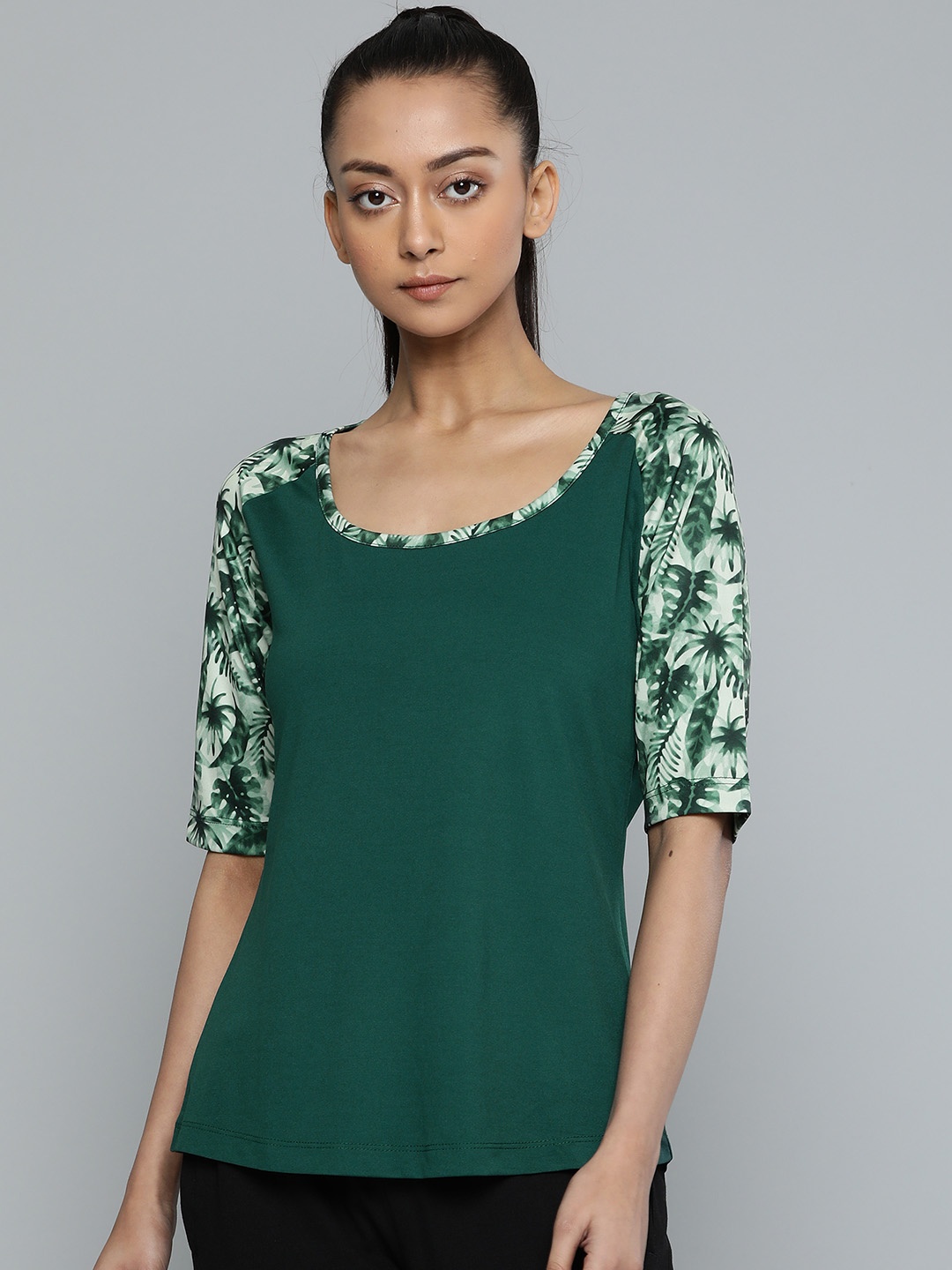
Products Related To This Article
1. Clovia Women Maroon Printed Night suit
2. Stem Rope Women Printed Night suit
3. SANSKRUTIHOMES Women Printed Pure Cotton Night suit
4. Marks & Spencer Women Round Neck Printed Pyjama Set
5. SANSKRUTIHOMES Women Pure Cotton Night suit
Sleep often feels like a puzzle with too many pieces. Temperature, lighting, noise, stress, everything seems to matter. But sometimes, the simplest factor goes unnoticed.
Nightwear, chosen without much thought, can quietly shape the entire sleep experience. The wrong fabric traps heat, disrupts rest, and leaves mornings feeling heavier than they should.
A thoughtful swap towards breathable, skin-friendly materials can change that experience entirely. Nights feel lighter, sleep becomes deeper, and mornings arrive with a sense of ease rather than exhaustion.
Comfort doesn't need complexity. It begins with understanding what the body needs and making small, intentional choices.
And sometimes, the difference between a restless night and a restful one lies in something as simple as the fabric worn to bed.
(Disclaimer: This article may include references to or features of products and services made available through affiliate marketing campaigns. NDTV Convergence Limited (“NDTV”) strives to maintain editorial independence while participating in such campaigns. NDTV does not assume responsibility for the performance or claims of any featured products or services.)