Tote Bags That Hurt Your Shoulder: What Strap Length And Width You Actually Need
Tote bags shouldn’t hurt. The right strap length and width can prevent shoulder strain and improve comfort. This is how to choose a tote that carries your essentials without weighing you down.

Things about tote bag strap length and width you should consider before buying
Tote bags have become an everyday essential. They carry everything from laptops and notebooks to vegetables picked up on the way home. They slip into daily routines so naturally that very little thought goes into how they feel on the shoulder. Yet, after a long day, that familiar dull ache often creeps in. The culprit rarely gets the blame it deserves, the strap.

10 important things you need to know about tote bag strap length and other features; Photo Credit: Pexels
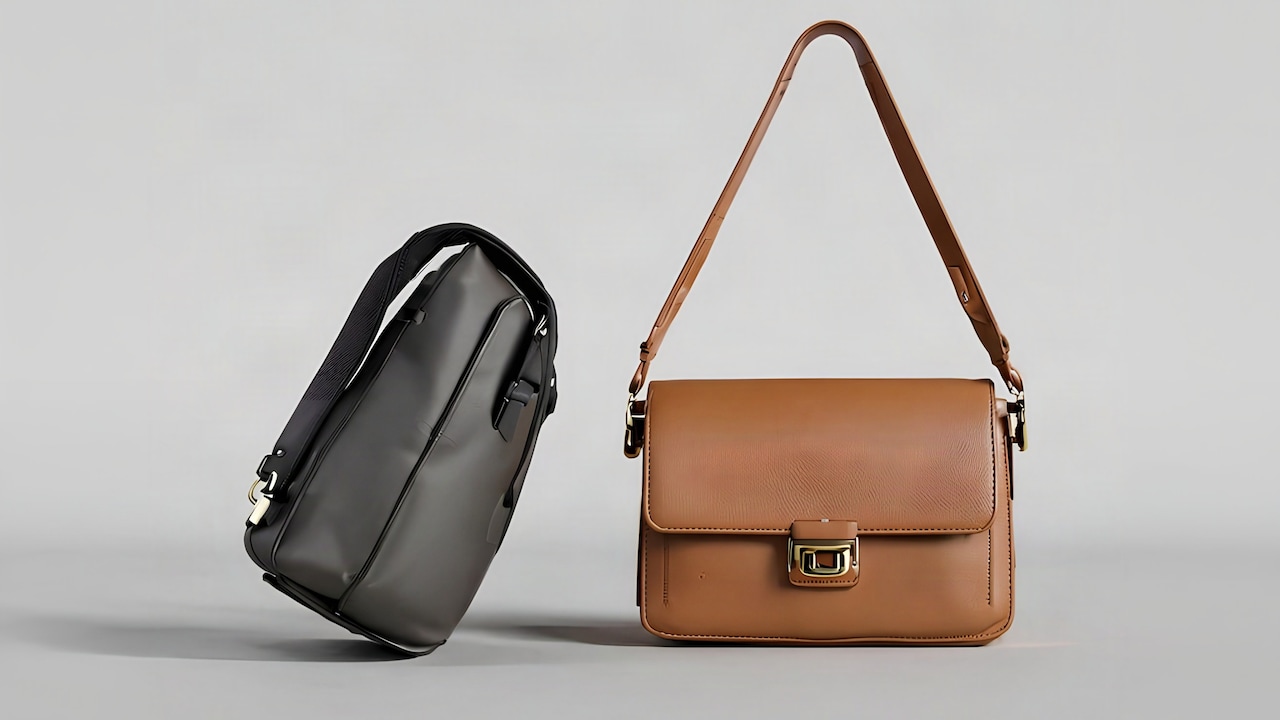
A tote bag's strap is more than just a functional detail. It shapes comfort, posture, and even how often the bag gets used. Too short, and it digs into the arm awkwardly. Too long, and it swings uncomfortably, pulling weight unevenly. Too thin, and it presses into the shoulder like a wire. Too wide, and it may feel bulky or restrictive.
Choosing the right strap length and width is not about luxury or style trends. It is about everyday comfort. Whether the bag costs ₹300 from a street market or ₹3,000 from a boutique, the principles remain the same. A well-designed strap can transform the experience completely.
Also Read: Best 5 Spacious Tote Bags With Multiple Pockets For Work And Daily Use Under ₹2,000
Understanding The Right Strap Design For Everyday Comfort
The Hidden Strain Behind Everyday Tote Bags
Many tote bags look harmless at first glance. Soft fabric, roomy interior, and a simple strap. However, the real impact shows after hours of carrying weight. The shoulder begins to tense, the neck stiffens, and posture subtly shifts. These changes often go unnoticed until discomfort builds.
The issue lies in how weight is distributed across the body. A narrow or poorly positioned strap concentrates pressure in one small area. Over time, this repeated stress can cause fatigue. It is similar to carrying a heavy grocery bag with thin handles that dig into the fingers.
Consider a typical day that involves commuting, perhaps a train ride followed by a short walk. A tote filled with essentials, water bottle, wallet, lunch box, and maybe a book, can easily weigh a few kilos. Without proper strap support, that weight rests unevenly on one shoulder, forcing muscles to compensate.
The result is not just discomfort but also long-term strain. Many people switch shoulders throughout the day without realising the root cause. The problem is rarely the weight alone. It is how that weight sits on the body.
Why Strap Length Matters More Than Style
Strap length often gets overlooked because it seems like a minor detail. However, it directly affects how the bag rests against the body. A strap that is too short forces the bag to sit high under the arm, creating friction and restricting movement. On the other hand, a strap that is too long causes the bag to swing and pull downward.
An ideal strap length allows the tote to sit comfortably at hip level. This position distributes weight more evenly and reduces strain on the shoulder. It also makes accessing items easier without awkward arm angles.
For daily use, a strap drop of around 25 to 30 centimetres usually works well. This range allows enough space to slide the arm through comfortably, even when wearing thicker clothing. During monsoon or winter, when layers come into play, slightly longer straps offer better flexibility.
There is also a practical side to consider. A well-sized strap prevents constant readjustment. No one wants to keep pulling a slipping bag back into place while navigating crowded streets or climbing bus steps. A good strap length quietly supports the day without demanding attention.
The Importance Of Strap Width In Preventing Pain
If strap length decides where the bag sits, strap width decides how it feels. Narrow straps may look sleek, but they tend to concentrate pressure. This creates a sharp, uncomfortable sensation, especially when carrying heavier loads.
Wider straps distribute weight across a larger surface area. This reduces pressure points and makes the bag feel lighter than it actually is. It is the same principle used in backpack design, where padded straps improve comfort significantly.
For tote bags, a width of at least 3 to 5 centimetres offers noticeable comfort. Anything thinner may start to dig into the shoulder, particularly during longer use. Fabric also plays a role. Soft, slightly padded materials enhance comfort, while stiff or rough fabrics can worsen the experience.
There is often a trade-off between aesthetics and practicality. Slim straps may appear elegant, but they rarely perform well under weight. A slightly wider strap, even if less delicate, provides lasting comfort. It is a small compromise that pays off every day.
How Weight Changes Everything
A tote bag's performance depends heavily on what goes inside. A lightweight canvas bag may feel perfect when empty but behave very differently when loaded with books or groceries. Weight amplifies every flaw in strap design.
A common scenario involves carrying a laptop. Even a slim device adds significant weight. Combined with chargers, notebooks, and personal items, the load increases quickly. A poorly designed strap struggles under this pressure, leading to discomfort within minutes.
The key lies in matching strap design to intended use. For heavier loads, longer and wider straps become essential. They provide better leverage and reduce strain. For lighter use, such as carrying a few essentials, slightly narrower straps may still feel comfortable.
It is worth noting that even occasional heavy use can cause discomfort if the strap is not designed for it. A bag used for shopping one day and office work the next needs versatility. Choosing a strap that accommodates both scenarios ensures consistent comfort.
Fabric And Padding: The Unsung Heroes
Beyond length and width, the material of the strap plays a crucial role. Soft fabrics like cotton or canvas tend to feel gentler on the skin. They adapt to the shoulder's shape, reducing pressure points. In contrast, synthetic materials or stiff leather may feel harsh, especially during extended use.
Padding adds another layer of comfort. Even a thin layer can make a noticeable difference. It absorbs some of the pressure and prevents the strap from digging into the shoulder. This becomes particularly important when carrying heavier items.
However, padding should not make the strap bulky. A well-balanced design combines softness with structure. The goal is to support weight without adding unnecessary thickness.
There is also the question of durability. A comfortable strap must also withstand daily wear. Reinforced stitching and strong materials ensure that comfort does not come at the cost of longevity. After all, a strap that breaks under pressure solves nothing.
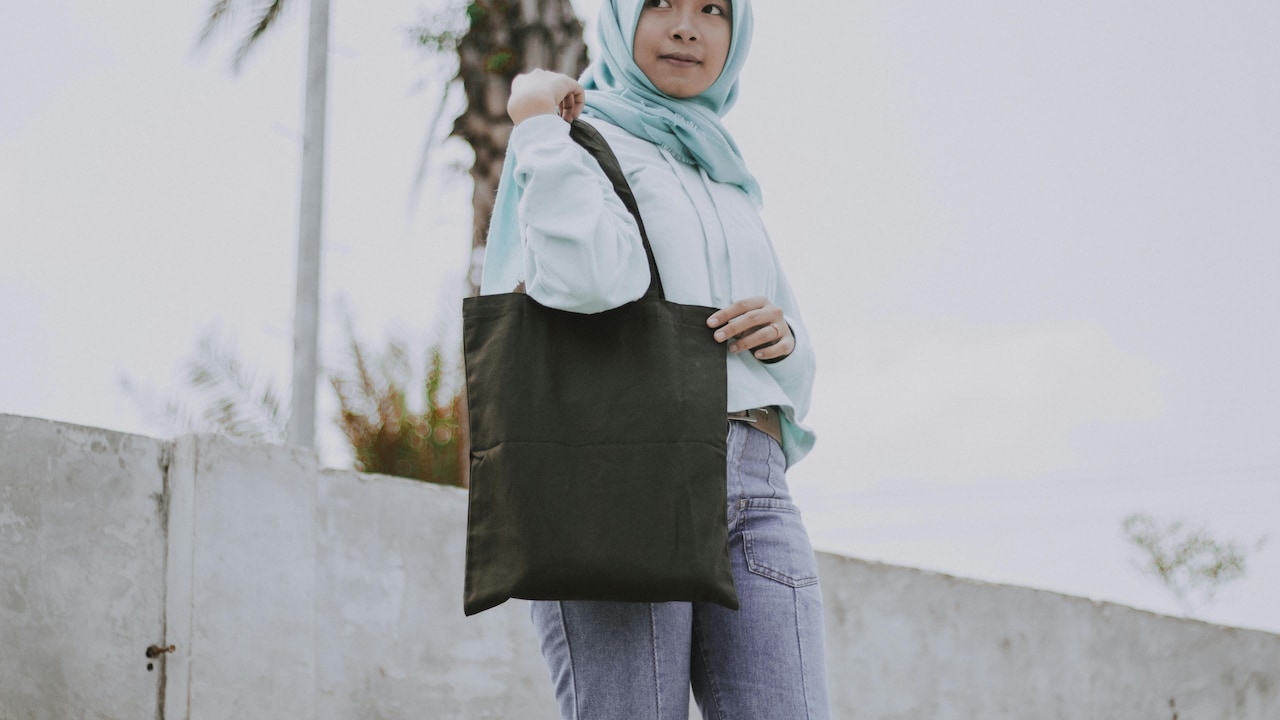
Look for tote bags made of soft fabrics like cotton or canvas as they feel gentler on the skin; Photo Credit: Pexels
Shoulder Shape And Personal Comfort
No two shoulders are exactly alike. What feels comfortable for one person may not work for another. Factors such as height, build, and posture influence how a tote bag sits.
For someone with a narrower frame, very wide straps may feel overwhelming. They may slip or bunch up, creating discomfort. Conversely, someone with broader shoulders may benefit from wider straps that distribute weight effectively.
Personal habits also matter. Some prefer carrying a bag on one shoulder, while others switch sides frequently. A strap that adapts to these habits enhances comfort. Adjustable straps can offer flexibility, allowing users to find their ideal length.
It is also worth considering how the bag interacts with clothing. Slippery fabrics may cause straps to slide, while textured materials provide better grip. These small details influence the overall experience more than expected.
The Role Of Design In Everyday Convenience
A tote bag is not just about carrying items. It is part of daily movement. The way it fits into routines determines how often it gets used. A poorly designed strap disrupts this flow, turning simple tasks into minor annoyances.
Good design feels invisible. The bag stays in place, the strap rests comfortably, and access remains easy. There is no need for constant adjustments or shifting weight from one shoulder to another.
Consider a busy morning. Navigating traffic, checking messages, and holding a coffee all at once requires a bag that cooperates. A well-designed strap supports this rhythm effortlessly.
Design also influences confidence. A bag that feels comfortable allows focus to remain on the day rather than the discomfort. It becomes a reliable companion rather than a source of irritation.
Common Mistakes When Choosing Tote Bags
Many people choose tote bags based on appearance alone. Colour, print, and price often take priority over functionality. While style matters, ignoring strap design can lead to regret.
One common mistake involves choosing very thin straps for the sake of elegance. These may look appealing, but they rarely perform well under weight. Another mistake is opting for overly long straps that cause the bag to hang too low.
There is also the tendency to underestimate the daily load. A bag that seems sufficient in the store may struggle in real-life use. Testing how the strap feels with some weight can prevent disappointment later.
Price does not always guarantee comfort. A ₹2,000 bag can have a poor strap design, while a ₹500 option may offer excellent support. Paying attention to details rather than labels makes a significant difference.
Balancing Style And Comfort
Style and comfort do not have to compete. A well-designed tote can offer both. The key lies in thoughtful choices. Subtle design elements, such as slightly wider straps or better placement, can enhance comfort without compromising aesthetics.
Neutral colours and clean designs often pair well with functional features. They allow the bag to blend into various settings while maintaining practicality. A tote used for work, shopping, and casual outings benefits from this versatility.
There is also room for personal expression. Prints, textures, and colours can still shine, provided the underlying design supports comfort. A beautiful bag that causes pain quickly loses its appeal.
Ultimately, the goal is balance. A tote should look good and feel good. When both come together, it becomes an everyday favourite rather than an occasional accessory.
Products Related To This Article
1. Berrylush Women Solid Structured Casual Tote Bag
2. EcoRight Denim Tote Bag - August
3. Forever Glam by Pantaloons Textured PU Structured Tote Bag
4. Anouk Geometric Printed Oversized Shopper Office Tote Bag
5. Metro Oversized Structured Tote Bag
A tote bag may seem like a simple accessory, but its impact on daily comfort is significant. Strap length and width play a crucial role in how the bag feels throughout the day. The right combination can prevent strain, improve posture, and make everyday tasks more enjoyable.
Choosing a tote is not just about appearance or price. It involves understanding how design affects comfort. A well-balanced strap distributes weight evenly, reduces pressure, and supports natural movement.
In a world where daily routines already demand so much, small comforts matter. A thoughtfully chosen tote bag can ease the burden, quite literally. It turns a routine carry into a comfortable experience, proving that good design often lies in the details.
(Disclaimer: This article may include references to or features of products and services made available through affiliate marketing campaigns. NDTV Convergence Limited (“NDTV”) strives to maintain editorial independence while participating in such campaigns. NDTV does not assume responsibility for the performance or claims of any featured products or services.)