Wrap Dresses For Uneven Waistlines: The Styling Science Behind Smoother Curves
Wrap dresses work with the body instead of against it. Discover how clever draping, tie placement, and fabric movement help balance uneven waistlines and create smoother, more flattering curves effortlessly.
Wrap Dresses Explained: The Styling Secrets That Help Balance Uneven Waistlines Effortlessly.
Fashion often promises confidence, yet many silhouettes quietly assume bodies are perfectly symmetrical. Real bodies rarely follow that script. Waistlines can sit slightly higher on one side, curve differently after weight changes, or shift due to posture, bloating, or natural bone structure. The result? Dresses that twist, bunch, or pull in unexpected places.
That is where the wrap dress steps in, not as a trend, but as a design solution grounded in smart construction. Unlike rigid tailoring, a wrap dress adapts. It adjusts daily, responds to movement, and reshapes visual balance through angles rather than tightness. The beauty lies in subtle engineering: diagonal lines, adjustable ties, and controlled draping that smooths without squeezing.
Understanding why wrap dresses flatter uneven waistlines changes how they are chosen and styled. It stops shopping from feeling like trial and error and turns dressing into an informed decision. The following styling science explains how this timeless silhouette creates harmony, comfort, and curves that look naturally balanced.
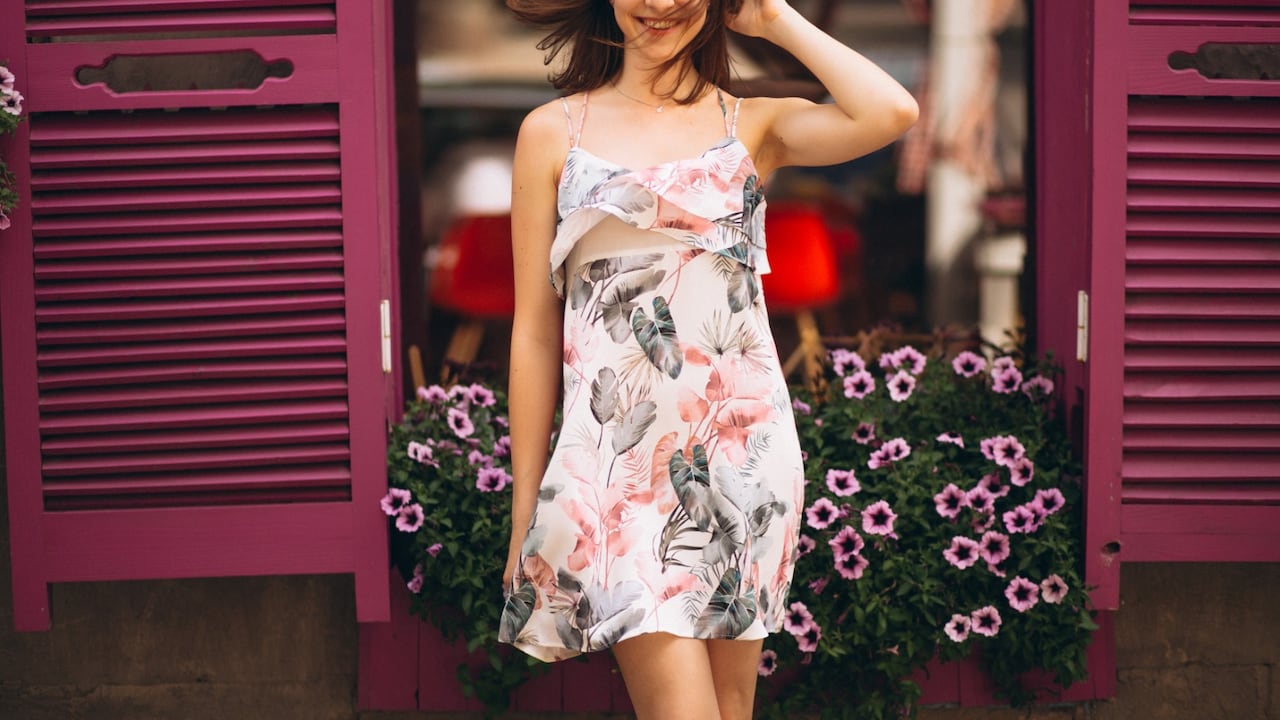
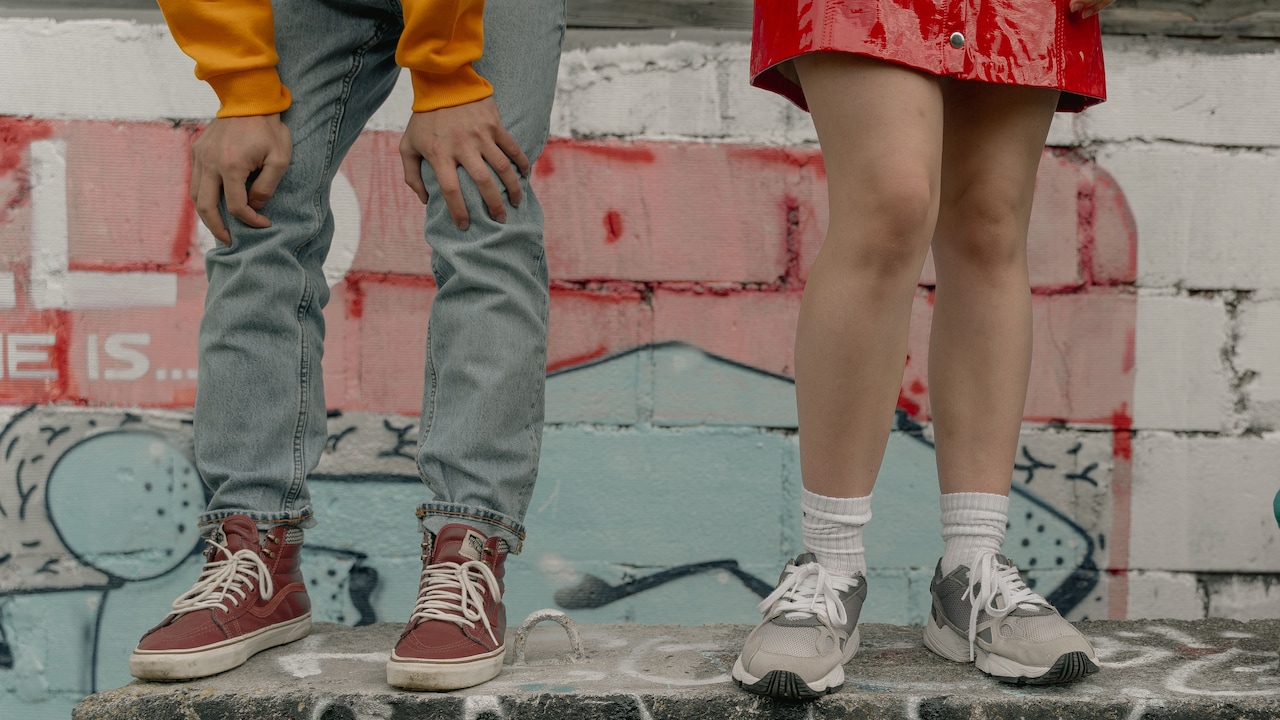
Wrap Dresses For Uneven Waistlines: Styling Science Behind Smoother Curves; Photo Credit: Pexels
Understanding How Wrap Dresses Create Visual Balance
The Power Of The Diagonal Line
Straight waist seams demand symmetry. Diagonal lines, however, create illusion and flexibility at the same time. The wrap dress thrives on this principle. Its crossover front forms an angled visual path that guides the eye across the torso instead of straight around it.
When the eye moves diagonally, it stops comparing the left and right sides directly. This reduces the visibility of uneven waist placement. A slightly higher hip or asymmetrical curve blends into the flow of the garment rather than standing out.
Designers have relied on diagonal draping for decades because it introduces motion even when standing still. Movement distracts from structural differences and replaces rigidity with fluidity. That is why wrap dresses often feel instantly flattering the moment they are tied.
This effect works particularly well during long workdays or festive gatherings when posture changes frequently. Sitting, walking, or reaching does not disrupt the silhouette because the diagonal structure continues to rebalance itself visually.
Instead of forcing the waist to conform, the dress redirects attention. The result looks effortless, though the effect is quietly mathematical.
Adjustable Fit Beats Fixed Tailoring
Traditional dresses rely on fixed measurements. If the waist seam sits even slightly off, the entire garment looks misaligned. Wrap dresses remove that limitation through adjustability.
The tie closure allows micro-adjustments each time the dress is worn. A tighter knot lifts the waist visually, while a looser tie relaxes the shape. This adaptability matters because body proportions shift throughout the month due to water retention, hormonal changes, or simple daily comfort.
Rather than buying multiple sizes, one wrap dress accommodates subtle changes. The wearer becomes part of the tailoring process. That flexibility explains why stylists often recommend wrap silhouettes during transitional phases such as fitness journeys or wardrobe rebuilds.
An adjustable waist also prevents fabric from pulling on one side, a common issue when waistlines differ slightly. Instead of tension collecting in one area, the fabric distributes evenly around the torso.
Comfort improves alongside appearance. And when clothing feels comfortable, posture naturally improves, which further enhances the silhouette. The styling advantage becomes both visual and physical.
Also Read: Why Wrap Dresses Work So Well for Pear-Shaped Bodies And Where To Find Them
Fabric Choice Shapes The Outcome
Not every wrap dress behaves the same way. Fabric determines how successfully the design smooths uneven curves.
Soft jersey fabrics glide over the body and adapt easily to asymmetry. They stretch gently without losing structure, making them ideal for everyday wear. Matte viscose blends create similar softness while adding a slightly polished finish suitable for office settings.
Stiffer fabrics, on the other hand, may emphasise imbalance because they resist draping. Heavy cotton without stretch can create folds where the waist differs in height. Choosing fabrics that respond to movement makes a noticeable difference.
Weight also matters. Medium-weight materials offer the best balance. Extremely thin fabrics cling, while overly thick ones add bulk around the midsection. The goal lies in controlled fluidity, fabric that moves but still holds shape.
Seasonal dressing plays a role, too. Breathable fabrics feel lighter during humid months, preventing the wrap from shifting excessively. During cooler weather, knit wraps provide structure while maintaining flexibility.
Understanding fabric transforms the wrap dress from a generic recommendation into a precise styling tool.
Strategic Tie Placement Changes Proportions
The location of the tie acts almost like a visual steering wheel. Small shifts alter body proportions dramatically.
A higher tie placement elongates the legs and lifts the waist visually. This works beautifully when one side of the waist sits lower, as the elevated tie resets the perceived midpoint of the body.
Side ties create asymmetrical interest, which blends naturally with uneven waistlines. Centre ties, by contrast, emphasise symmetry and may highlight differences.
Stylists often suggest experimenting in front of a mirror rather than following the stitched position strictly. Sliding the knot slightly forward or backward changes how the fabric falls across the stomach and hips.
This freedom allows each wearer to customise the balance. A dress becomes adaptable styling equipment rather than a fixed garment.
Even accessories respond to tie placement. A slim belt layered over a wrap can stabilise the look further, especially during long events. The key lies in subtle adjustments rather than dramatic changes.
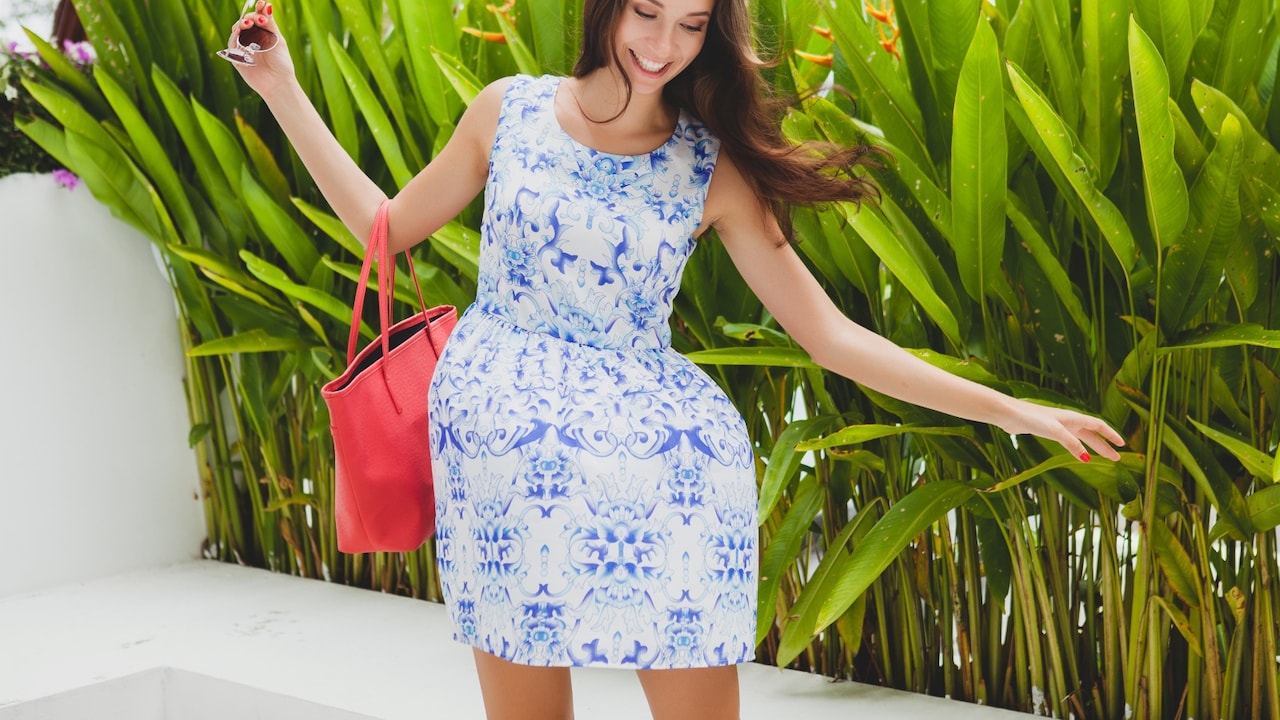
Wrap Dresses For Uneven Waistlines: Styling Science Behind Smoother Curves; Photo Credit: Pexels
Necklines That Redirect Attention
The classic V-neckline of a wrap dress performs more than an aesthetic role. It elongates the upper body and shifts focus upward, away from waist irregularities.
Vertical visual lines lengthen the torso and create proportional harmony. When attention moves toward the neckline and face, unevenness at the waist becomes secondary.
Jewellery enhances this effect. A delicate pendant or layered chain reinforces the vertical direction created by the wrap. Earrings that frame the face also contribute to balance without adding bulk.
The neckline's openness brings lightness to the outfit, preventing the midsection from appearing visually heavy. This proves particularly helpful when styling for weddings or celebrations where photographs capture every angle.
Even sleeve choices interact with the neckline. Flutter sleeves or soft cap sleeves complement the V-shape, maintaining visual softness throughout the silhouette.
Together, these elements guide perception gently rather than disguising the body aggressively.
Prints And Patterns As Optical Tools
Patterns influence perception as strongly as tailoring. Wrap dresses often feature prints because they enhance the illusion of balance.
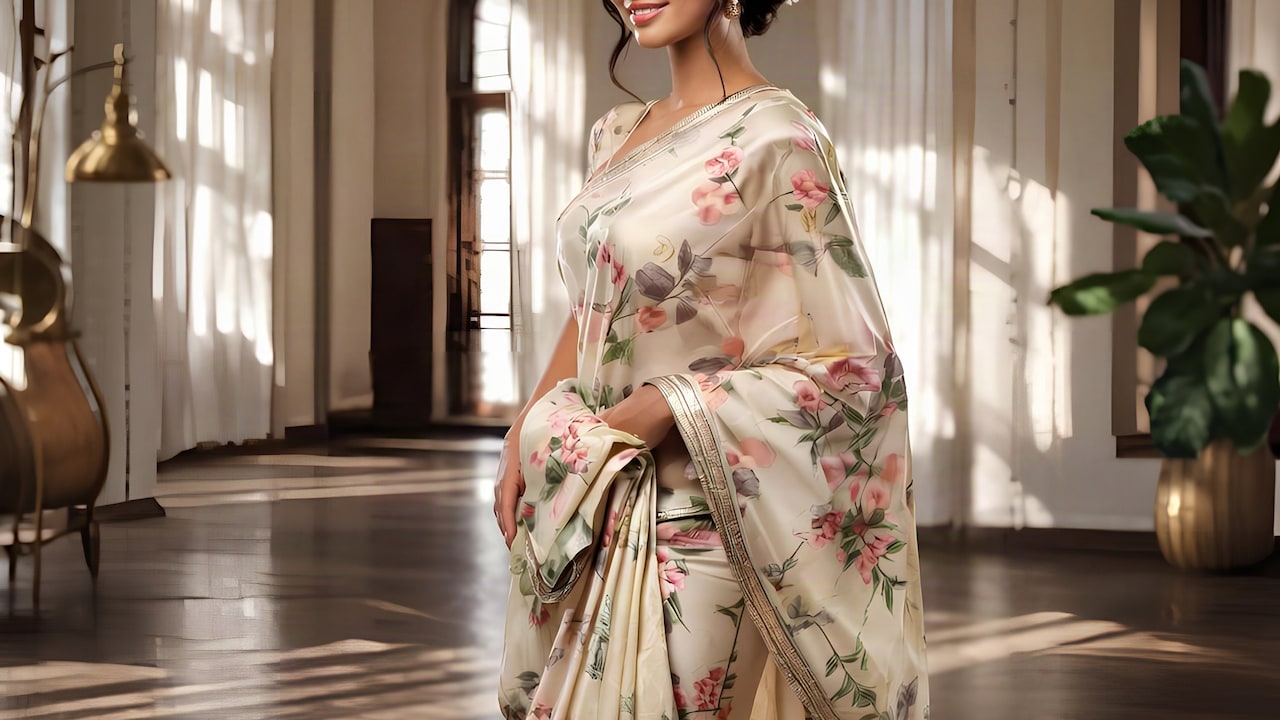
Small scattered prints break visual continuity, making asymmetry less noticeable. Florals, abstract motifs, or micro-geometric designs distribute attention evenly across the garment.
Large horizontal patterns, however, may exaggerate unevenness by creating comparison points across the waist. Diagonal or irregular prints work far better with wrap silhouettes.
Colour gradients also help. Darker tones near the waist with lighter hues above or below subtly contour the body without shapewear. Many modern designs use this technique without drawing attention to it.
Print placement becomes especially important when choosing festive outfits. Busy patterns disguise fabric overlap lines, ensuring the wrap looks intentional rather than layered.
Instead of hiding the body, prints create a visual rhythm. The eye stays engaged, and the imbalance fades into overall harmony.
Movement Creates Natural Balance
One of the least discussed advantages of wrap dresses appears when walking. Movement activates the design.
As the wearer moves, the overlapping panels sway independently. This creates dynamic balance, meaning the dress constantly readjusts visually. Static garments reveal asymmetry; moving garments soften it.
This explains why wrap dresses photograph beautifully during candid moments. The silhouette rarely looks stiff or forced. Fabric motion smooths transitions between body curves.
Footwear influences this effect too. Block heels or wedges encourage steady movement, allowing the wrap panels to flow naturally. Even flat sandals maintain ease without interrupting the drape.
The result feels relaxed yet refined. Instead of holding posture rigidly to maintain appearance, movement enhances the outfit automatically.
Fashion rarely offers solutions that improve both comfort and aesthetics simultaneously, yet the wrap dress manages exactly that.
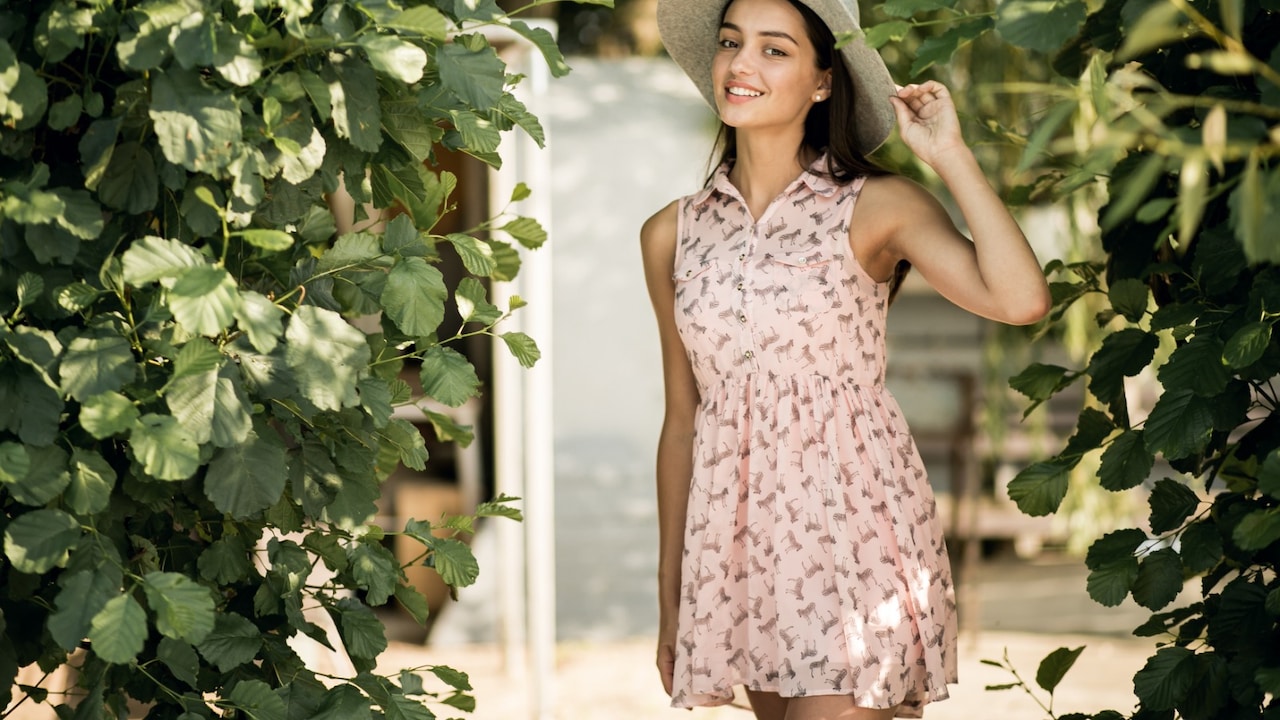
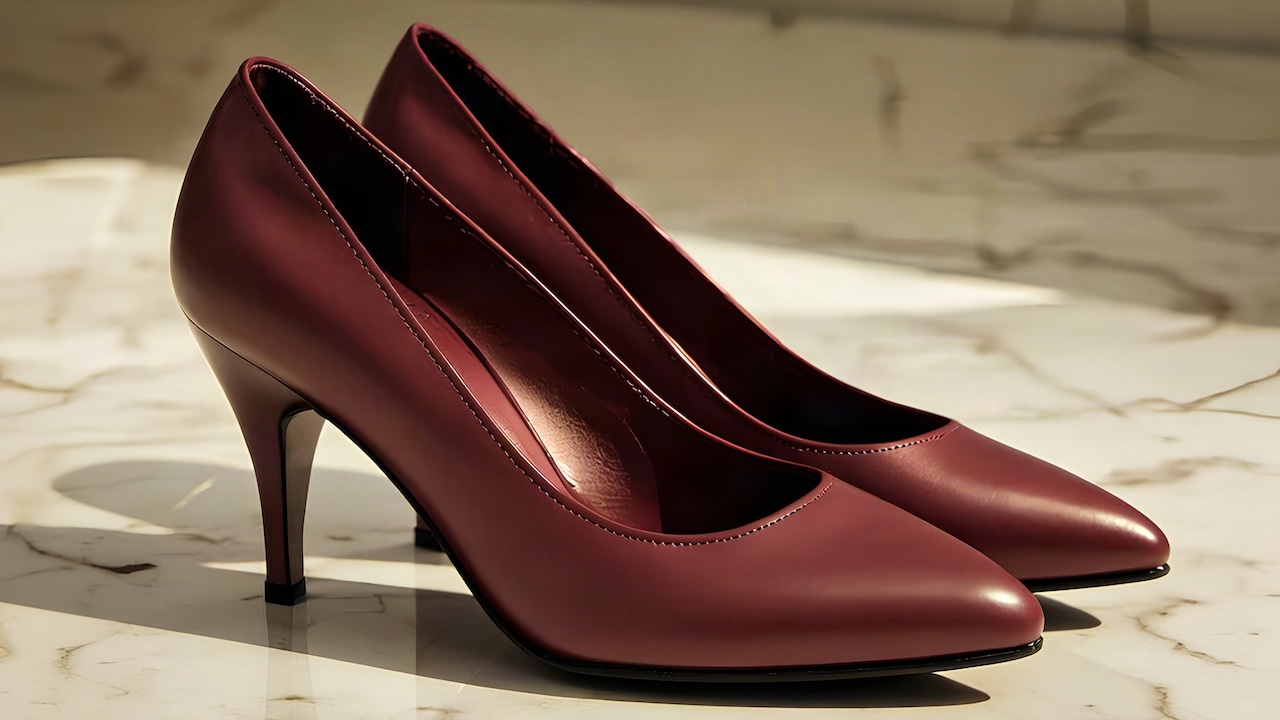
Wrap Dresses For Uneven Waistlines: Styling Science Behind Smoother Curves; Photo Credit: Pexels
Layering Techniques That Stabilise The Silhouette
Layering can strengthen the smoothing effect when styled thoughtfully. Lightweight inner layers prevent shifting while maintaining comfort.
A seamless slip underneath helps the fabric glide evenly, especially with softer materials. This reduces bunching around uneven waist areas. During cooler months, structured blazers add vertical lines that reinforce balance.
Longline layers work particularly well because they extend visual length. Cropped jackets, however, may cut across the waist and interrupt the smoothing effect.
Scarves draped loosely also redirect focus upward. The idea lies in guiding the eye along longer lines rather than across the midsection.
Layering should feel intentional rather than corrective. When done well, it enhances confidence instead of appearing like concealment.
A thoughtfully layered wrap dress transitions easily from office mornings to evening outings, proving its versatility beyond casual wear.
Colour Psychology And Visual Weight
Colour placement changes how proportions appear. Darker shades visually recede, while lighter shades advance.
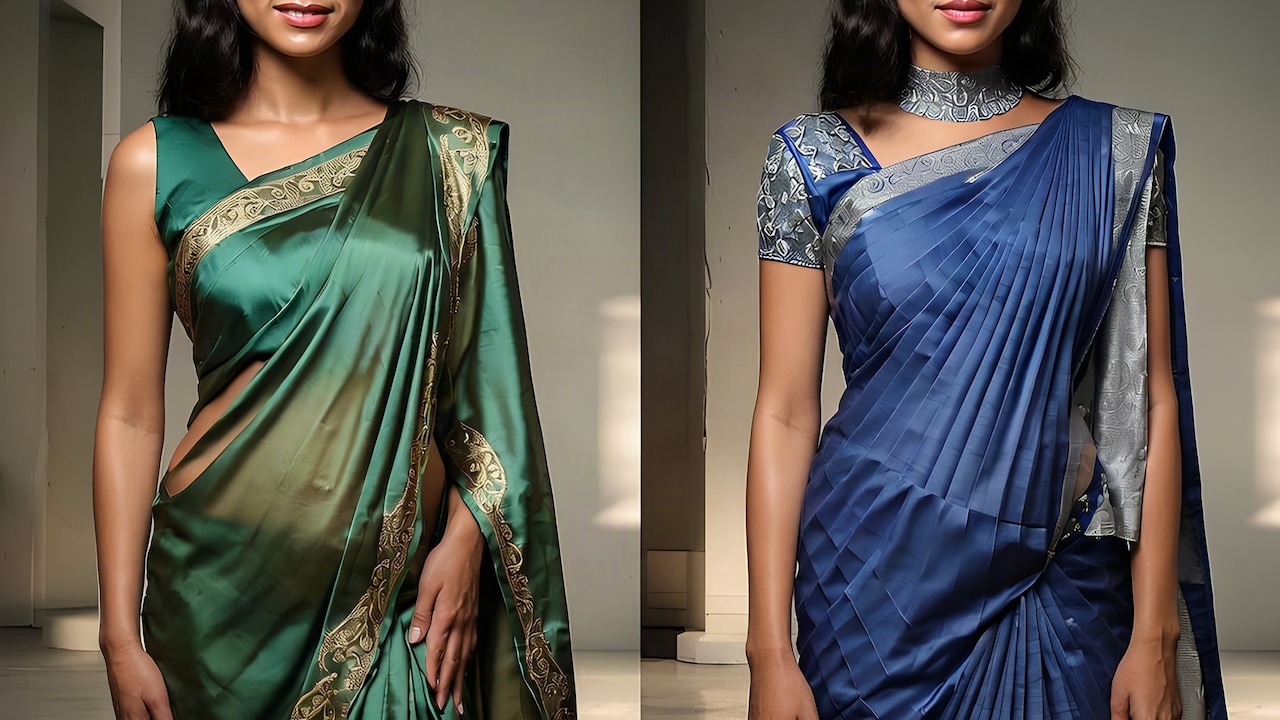
Wrap dresses in deeper tones around the waist create natural contouring. Jewel tones such as emerald, navy, or wine offer elegance while subtly minimising uneven areas.
Monochrome styling works surprisingly well, too. Wearing similar shades from head to toe eliminates harsh visual breaks, allowing the wrap's drape to take centre stage.
Contrast panels near the shoulders or hemline shift visual weight away from the waist. This balances the overall look without complicated styling rules.
Seasonal palettes influence mood as well. Bright colours feel celebratory during festivals, while muted tones suit professional environments. The wrap silhouette adapts seamlessly across both.
Understanding colour psychology turns dressing into a creative exercise rather than a corrective one.
Confidence As The Final Styling Element
No garment succeeds without comfort in one's own movement. Wrap dresses encourage confidence because they respond to the body instead of restricting it.
When clothing adjusts naturally, constant self-correction disappears. There is no need to tug at seams or check alignment repeatedly. That freedom changes posture, expression, and overall presence.
Confidence often comes from predictability. Knowing the dress will sit well after meals, long commutes, or busy celebrations removes anxiety from getting dressed.
Over time, the wrap dress becomes less about hiding unevenness and more about celebrating individuality. Slight asymmetry stops feeling like a flaw and starts looking like a character.
Fashion feels most powerful when it supports real life rather than demanding perfection. The wrap dress succeeds because it embraces that philosophy quietly and consistently.
Products Related To This Article
1. HERE&NOW Women Solid Ribbed Midi Dress
2. Chemistry Wrap Dress
3. Aayu Georgette Maxi Wrap Dress
4. Athena Lavender Solid Accordion Pleats Wrap Dress
5. Selvia Textured Maxi Dress
6. plusS V-Neck Short Flared Sleeves Print Wrap Dress
7. DressBerry Floral Print Georgette A-Line Maxi Dress
8. All about you Box Pleats Wrap Dress with Belt
Wrap dresses endure because they combine design intelligence with emotional comfort. Their diagonal construction, adjustable fit, and fluid fabrics create balance where rigid tailoring struggles. Instead of forcing symmetry, they introduce harmony through movement, proportion, and visual redirection.
Understanding the styling science behind this silhouette transforms shopping decisions. Fabric choice, tie placement, prints, layering, and colour all contribute to smoother curves without discomfort or complicated styling tricks. The result looks natural, adaptable, and effortlessly elegant across everyday routines and special occasions alike.
Bodies change constantly, and wardrobes work best when they evolve alongside them. The wrap dress remains relevant precisely because it adapts rather than dictates. In a world filled with fast trends, this quiet versatility feels refreshing, a reminder that thoughtful design often delivers the most lasting confidence.
(Disclaimer: This article may include references to or features of products and services made available through affiliate marketing campaigns. NDTV Convergence Limited (“NDTV”) strives to maintain editorial independence while participating in such campaigns. NDTV does not assume responsibility for the performance or claims of any featured products or services.)