Dry Food Vs Wet Food: Which Is Better For Indian Dog Breeds
Confused between dry kibble and wet food for your dog? Here's what actually suits different dog breeds based on the climate and daily feeding habits best.
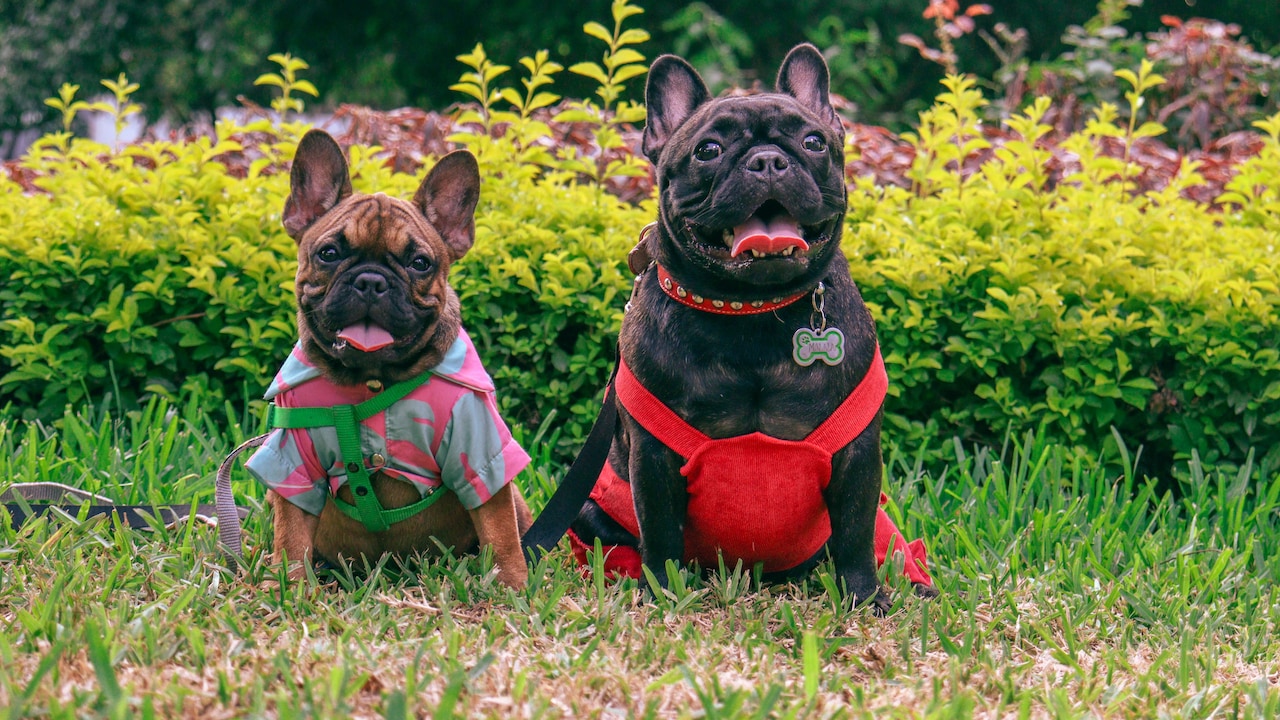
Dry Food Vs Wet Food: Which Is Better For Indian Dog Breeds
Every dog owner has stood in that pet store aisle at least once, staring at kibble bags on one side and shiny wet food tins on the other, wondering which one their dog actually needs. Social media doesn't help either; half the reels say kibble is basically cardboard, and the other half say wet food spoils teeth. So who do you believe?
Confused about dog food? Learn how climate and feeding habits determine the best choice.
Photo Credit: iStock
Here's the thing, though: there isn't one correct answer for every dog. What works for a Labrador might not suit an indie street rescue in the summer heat. Breed, age, climate, and even your budget – all of it plays a part.
Let's break down what dry and wet food actually do for your dog's body and how weather conditions change the equation a little.
What Exactly Is Dry Food And Wet Food
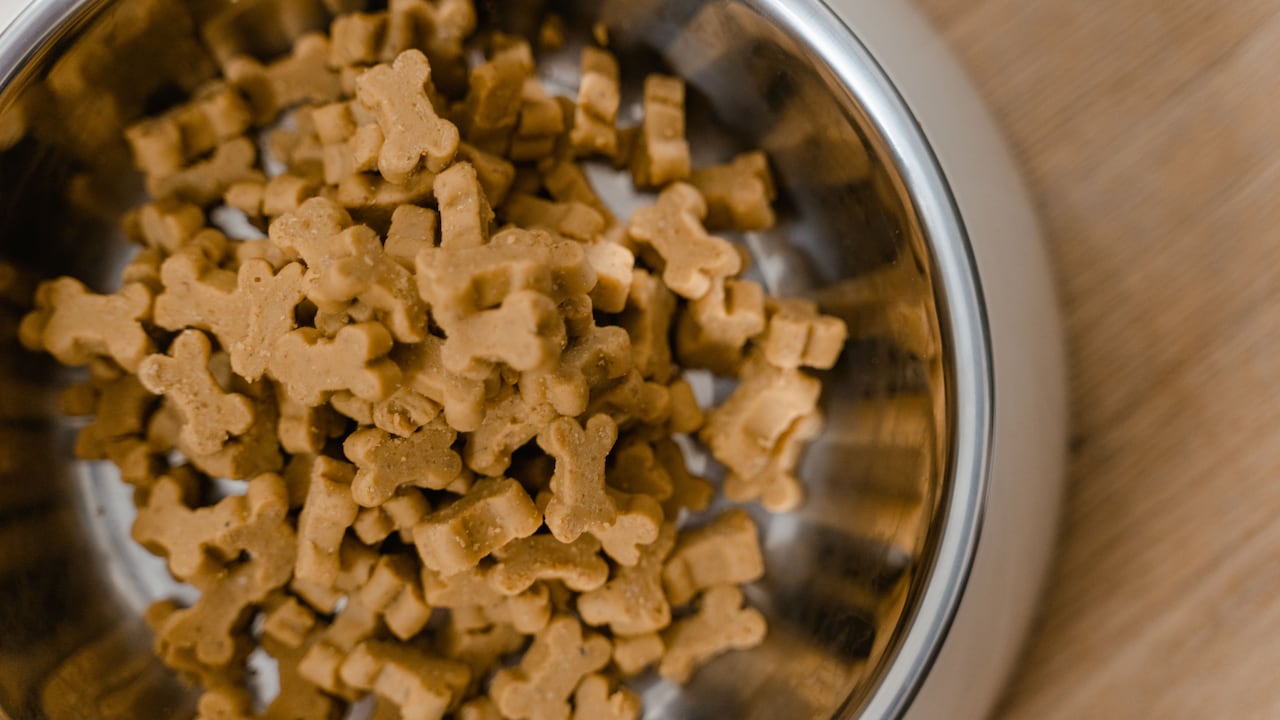
Dry food, or kibble, as most people call it, is basically dehydrated nuggets of meat, grain, and nutrients pressed together. It has very low moisture, usually under 10%. Wet food, on the other hand, comes in tins or pouches and has a moisture content anywhere between 70 and 85%, almost like a stew.
Neither one is "fake" food or "junk", despite what some pet influencers claim. Both go through nutritional formulation; just the processing method is different. Kibble is cooked at high heat and dried; wet food is usually canned and sterilised.
1. How Kibble Is Made
Manufacturers mix ingredients into a dough, which gets pushed through a machine called an extruder under high heat and pressure. It puffs up, gets cut into pieces, and is dried out completely. That's your kibble.
2. How Wet Food Is Made
Wet food is prepared more like a stew or pâté; ingredients get cooked, sometimes with gravy or broth added, then sealed into cans and heat-treated so it stays preserved for months without a fridge.
Nutritional Differences You Should Actually Care About
People assume wet food is "more nutritious" just because it looks fresher. But that's not really true. The nutrient density is usually higher in dry food, gram for gram, simply because there's less water diluting it.
But wet food wins on hydration, and that matters a LOT in summers. Dogs don't always drink enough water on their own, especially older ones or fussy breeds like Pugs.
1. Protein And Fat Content
Dry food typically packs more concentrated protein per 100 g compared to wet food because moisture isn't taking up space. Read the label, though. Cheap kibble brands sometimes use fillers like corn gluten instead of real meat, so protein percentage alone doesn't tell the full story.
2. Moisture And Hydration Benefits
This one's underrated, honestly. Wet food's high water content helps dogs that don't drink enough on their own, including senior dogs, dogs recovering from illness, or breeds prone to urinary issues like Dalmatians.
Which One Suits the Climate And Breeds Better?
The weather and climate are never the same. What suits summer won't work the same in cold mornings, so the food type matters here too.
1. Dogs In Hot, Humid Regions
In cities where it's humid most of the year, wet food spoils fast once opened, within an hour or two if left out. Dry food survives much longer in the bowl and doesn't attract flies as quickly, which is a big plus for households that free-feed.
2. Indie Dogs And Street-Adapted Breeds
Indies have evolved by eating a mixed, often unpredictable diet for generations. Their digestive systems handle variety pretty well. A combination approach, dry food as a base with occasional wet food mixed in, tends to suit them without much fuss.
3. Giant And Large Breeds
Breeds like Rajapalayam or Great Danes need controlled calorie intake to avoid joint stress from excess weight. Dry food makes portion control simpler because it's measurable by cups or grams; wet food's density can be trickier to gauge.
Can You Mix Dry And Wet Food Together
Yes, and honestly, a lot of vets actually recommend this approach for regular pets. It gives you the calorie density of kibble along with the hydration and palatability boost of wet food.
Mixing also helps with fussy eaters. Some dogs, especially ones who've had a health scare or are just plain picky, refuse dry food outright. Adding a spoonful of wet food on top often solves that problem without switching diets entirely.
Start with a 75-25 ratio, mostly dry with a little wet mixed in, and adjust based on how your dog responds over two weeks.

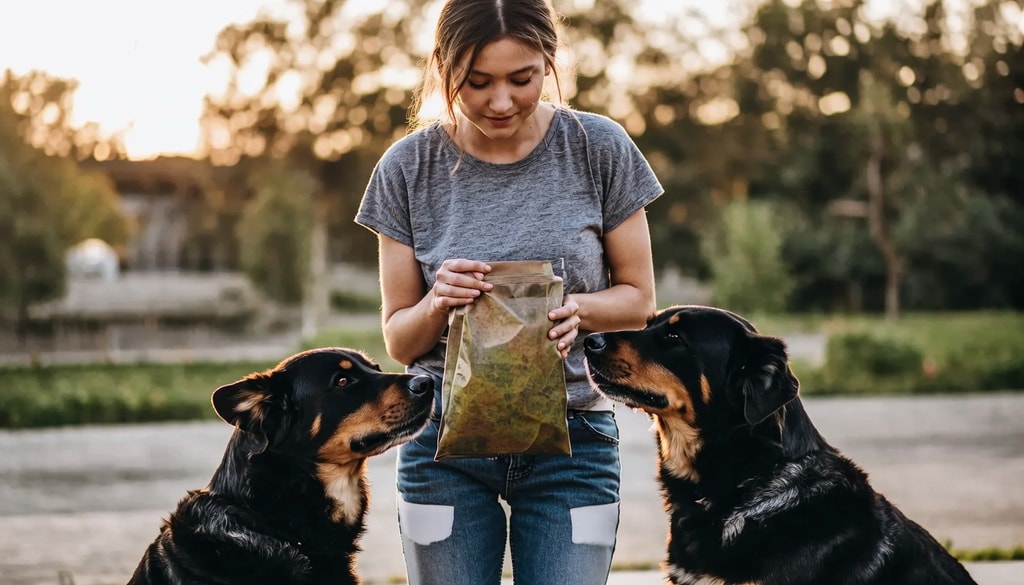
Choose the right food for your dog breed by analyzing local climate and feeding habits.
Photo Credit: iStock
Some Dog Food Products You May Like
1. Pedigree Adult Dry Dog Food, Chicken And Vegetables
2. Drools Optimum Performance Adult Dry Dog Food
3. Royal Canin Maxi Adult Dry Dog Food
4. Farmina N&D Low Grain Chicken And Pomegranate Adult Dry Dog Food
5. Pedigree Adult Wet Dog Food, Chicken & Liver Chunks In Gravy
6. Meat Up Adult Wet Dog Food
7. Drools Adult Wet Dog Food, Real Chicken and Chicken Liver Chunks in Gravy
8. Royal Canin Mini Adult Wet Dog Food Pouch
In conclusion, both dry food and wet food can be healthy options for Indian dog breeds, but the right choice depends on your dog's age, activity level, health condition, and eating habits. Dry food is convenient, cost-effective, and supports dental health, while wet food offers better hydration and is often more appealing to picky eaters. For many Indian pet parents, a combination of both can provide balanced nutrition and variety. The key is to choose high-quality food that meets your dog's nutritional needs and consult a veterinarian if your pet has specific dietary requirements. A well-fed dog is a healthy, happy, and energetic companion, regardless of whether its meals come from a bowl of kibble or a serving of wet food.
Frequently Asked Questions (FAQs)
1. Is wet food bad for a dog's teeth in the long run?
Not really bad, just less useful. Dry kibble gives a bit of scraping action against the teeth that wet food simply can't match. So if your dog eats only wet food, plan on brushing more often or getting dental cleanings done more regularly.
2. Can puppies eat wet food from the start?
Yes, actually, it's often the easier option for them. Puppies chew and digest wet dog food more comfortably in those early weeks. A lot of owners end up softening dry kibble with warm water instead, or just mixing in wet food while weaning.
3. Does wet food make dogs gain weight faster?
Not on its own. Weight gain really comes down to total calories, whatever the food type. That said, overfeeding happens more easily with wet food; portions look smaller than they actually are, so it's easy to misjudge.
4. How long can wet food stay out before it goes bad?
Given how warm it usually is indoors, opened wet food shouldn't really sit out longer than one or two hours. Leftovers go straight into the fridge and should be used up within three days.
5. Should senior dogs switch to wet food completely?
Not always necessary. But plenty of older dogs do better with the added moisture and softer texture, especially ones dealing with dental problems or drinking less water than they used to. A mix of wet and dry tends to work well for an aging pet.
(Disclaimer: This article may include references to or features of products and services made available through affiliate marketing campaigns. NDTV Convergence Limited (“NDTV”) strives to maintain editorial independence while participating in such campaigns. NDTV does not assume responsibility for the performance or claims of any featured products or services.)