Why Your Oral Care Routine May Not Be Working As Well As You Think
Your mouth may feel fresh after brushing, but plaque, poor technique and skipped steps can still weaken your oral care routine. Learn what may be going wrong.
Why Your Oral Care Routine May Not Be As Effective As It Feels
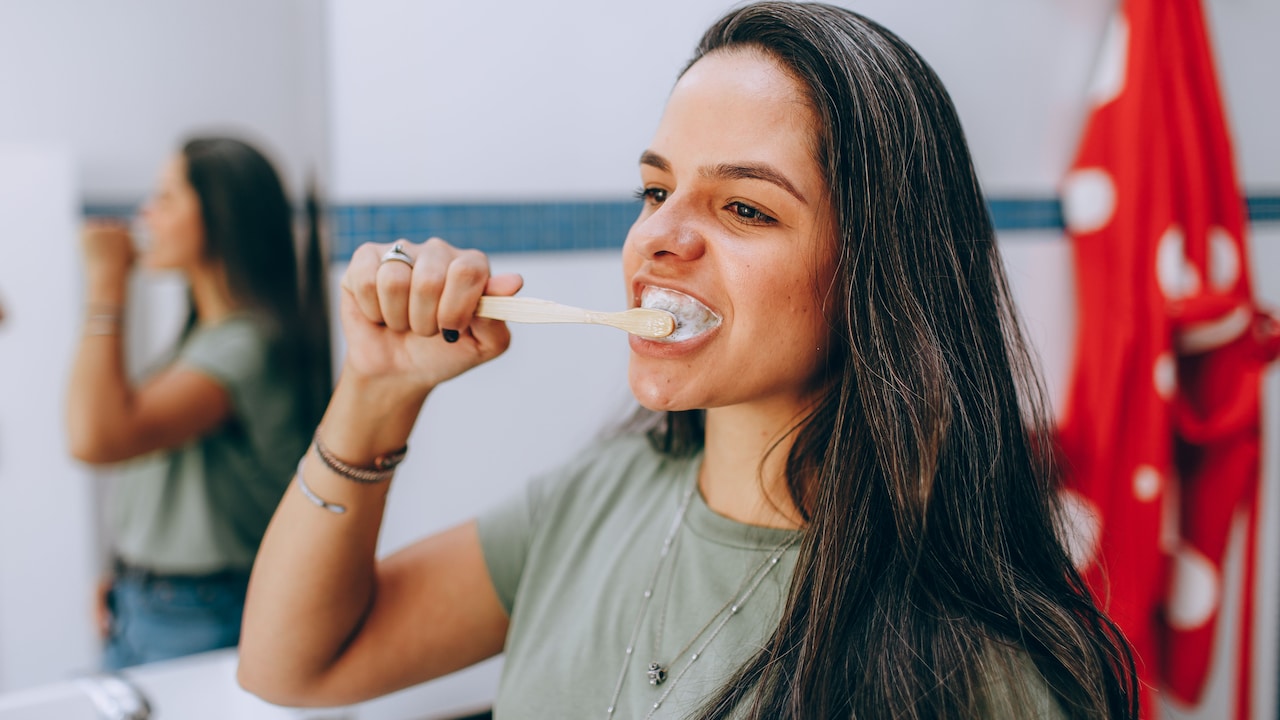
Most people begin and end the day with the same familiar ritual: toothbrush, toothpaste, water, rinse, done. It feels simple, almost automatic. The mouth tastes fresh. The mirror offers approval. Life moves on. Yet dentists often see a different story behind that neat routine. They find swollen gums, plaque tucked near the gum line, stains from tea, and cavities forming in places the brush barely visits. The problem rarely comes from laziness. Many people brush daily and still struggle with bad breath, sensitivity or gum bleeding. The gap lies between feeling clean and becoming clean. A strong oral care routine needs more than speed, foam and confidence. It needs timing, technique and a little patience. Much like making proper chai, the small steps matter.
Why Your Oral Care Routine May Not Be As Effective As It Feels; Photo Credit: Pexels
Where Your Daily Oral Care Routine Falls Short
Brushing Too Fast Leaves Plaque Behind
A rushed brushing session can feel efficient, especially on a busy morning when the pressure cooker whistles, the phone rings and the cab driver calls at the same time. Yet teeth do not reward speed. Plaque clings to enamel like stubborn grime on a steel tiffin. A quick scrub across the front teeth may create freshness, but it often misses the back molars, gum line and inner surfaces.
Many people brush for less than a minute without realising it. The mouth fills with foam, mint takes over, and the brain decides the job has finished. Plaque, however, needs steady attention. Each tooth has several surfaces, and the brush must reach them with care. Slow, small movements work better than dramatic scrubbing.
A simple trick helps: mentally divide the mouth into four parts and spend equal time on each. This turns brushing from a wild sweep into a proper clean. The difference may not feel heroic, but gums notice.
Also Read: Unexpected Finds: Cool Oral Care Products For A Dazzling Smile
Hard Brushing Can Damage More Than It Cleans
A firm hand often feels satisfying. It gives the sense of fighting germs with full commitment. Unfortunately, teeth and gums do not need a wrestling match. Brushing too hard can wear down enamel and push gums back over time. The result may include sensitivity, especially when cold water, ice cream or nimbu soda touches the teeth.
Many people blame toothpaste when their teeth start to hurt, but pressure often plays a quiet role. A toothbrush should glide, not scrape. The bristles need to bend slightly, not flatten like an old broom after Diwali cleaning. Soft or medium bristles usually suit most mouths better than hard ones.
The goal involves loosening plaque, not polishing marble. Gentle circles near the gum line clean more effectively than harsh back-and-forth strokes. A lighter grip can help. Hold the brush like a pen rather than a cricket bat. Clean teeth should not come at the cost of wounded gums.
Minty Fresh Breath Can Hide Bigger Problems
Fresh breath feels reassuring. A strong mint flavour can make the whole mouth feel newly renovated. Yet flavour does not always equal cleanliness. Mouth fresheners, chewing gum and strong toothpaste can mask smells without removing the source. Bad breath often begins when bacteria settle on the tongue, between teeth or around the gums.
Food habits also add drama. Onion, garlic, spices, tea and coffee can linger longer than expected. A mint after lunch may help during a meeting, but it cannot replace cleaning. If breath turns unpleasant again soon after brushing, the routine needs a closer look.
The tongue deserves special attention. Its surface can trap bacteria and food particles. Gentle tongue cleaning once a day can make a noticeable difference. Water intake also matters, because a dry mouth gives bacteria more room to create odour. Fresh breath should come from a clean mouth, not from a mint-flavoured cover-up.
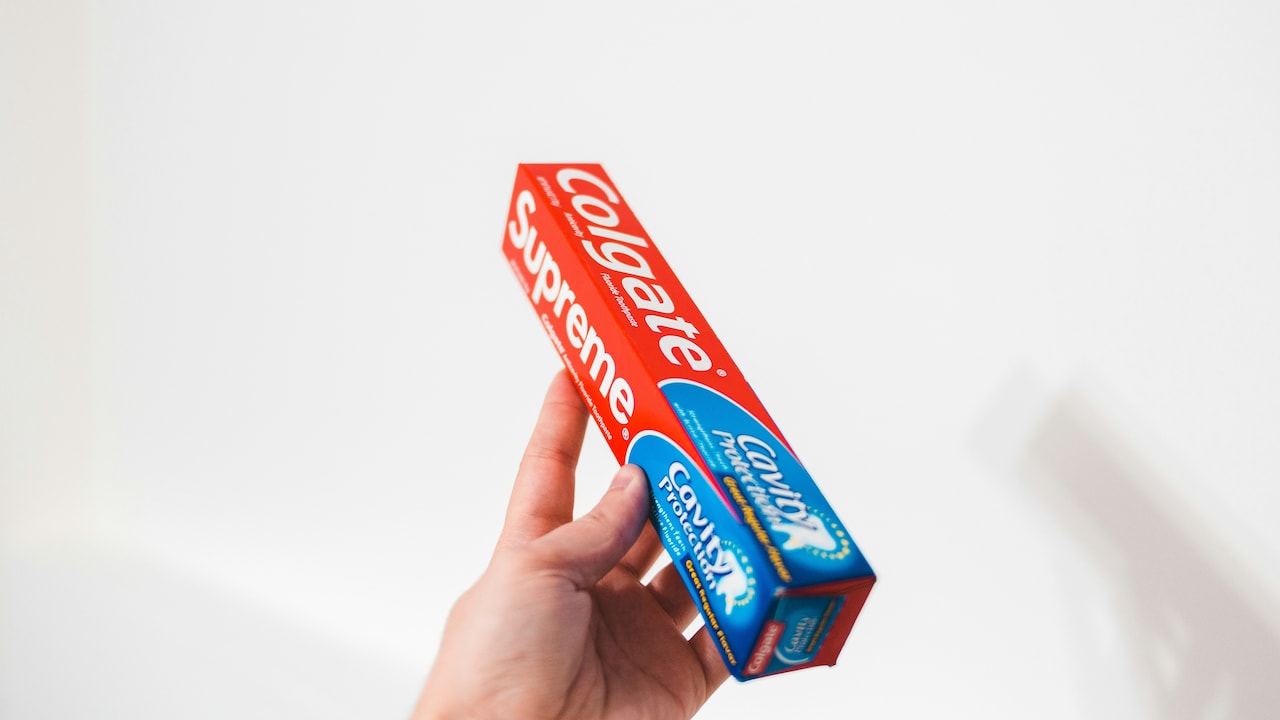
Why Your Oral Care Routine May Not Be As Effective As It Feels; Photo Credit: Pexels
Skipping The Spaces Between Teeth Creates Trouble
A toothbrush cleans visible surfaces well, but it cannot squeeze properly between teeth. Those narrow spaces collect bits of food after meals, especially after poha, peanuts, corn, popcorn, or a festive round of sweets. When these areas stay ignored, plaque builds quietly and gums may become tender.
Many people avoid floss because it feels fiddly, time-consuming or slightly dramatic. Some try it once, see bleeding, and stop immediately. Bleeding gums often mean the area already needs better cleaning, not that floss caused harm. Still, gentle technique matters. Snapping floss into the gums can irritate them. Slow movement along the tooth works better.
Interdental brushes can help people with wider gaps or braces. Even cleaning between teeth a few times a week can improve the routine. The spaces may look tiny, but they have big consequences. A smile can appear clean in the mirror while hidden corners host a full neighbourhood of plaque.
Rinsing Immediately After Brushing Reduces Protection
Rinsing after brushing feels natural. Most people grow up treating it as the final step. Brush, foam, rinse, spit, splash, done. The mouth feels clean and ready. Yet this habit can wash away much of the fluoride left by toothpaste. Fluoride needs some time on the teeth to support enamel and help protect against decay.
Spitting out excess toothpaste after brushing works better than rinsing with several mouthfuls of water. This small change can feel odd at first, especially for anyone used to a dramatic basin-side rinse. But the teeth gain more from the toothpaste when it stays in contact for longer.
The same idea applies to drinking water immediately after brushing. A short gap can help the protective effect last. Oral care does not always need extra products or expensive tools. Sometimes, it only needs one habit removed. Less rinsing may feel less clean for a few days, but teeth may thank the routine quietly.
Using Mouthwash As A Shortcut Falls Short
Mouthwash has a glamorous reputation. It looks bright, smells powerful and creates a sharp, fresh feeling within seconds. After a long day, it can seem like the perfect shortcut. Swish, spit, sleep. Sadly, mouthwash cannot replace brushing or cleaning between teeth. It may reduce odour and reach some areas, but it does not scrub away sticky plaque.
Some mouthwashes also contain alcohol, which may dry the mouth for certain users. A dry mouth can worsen bad breath, making the solution feel oddly circular. The right mouthwash can support a routine, but it should play the role of side actor, not hero.
Timing also matters. Using mouthwash immediately after brushing may wash away fluoride from toothpaste. A different time of day may work better. Anyone with gum issues, ulcers or sensitivity should choose products carefully. The mouth does not need a burning sensation to prove cleanliness. Comfort and consistency matter more than fireworks.
Old Toothbrushes Lose Their Cleaning Power
A toothbrush ages in public. It sits in the bathroom, quietly bending, fraying and losing its shape. Many people keep using it because it still looks like a brush from a distance. But worn bristles cannot reach the gum line well. They spread out, miss plaque and sometimes scratch the gums.
Replacing a toothbrush every few months makes a real difference. The cost can start from around ₹40, which often costs less than a plate of chaat. Electric brush heads also need timely replacement. A brush with splayed bristles does not become more loyal with age. It simply becomes less useful.
Storage matters too. A damp brush trapped in a closed container can stay moist for too long. After brushing, it helps to rinse the bristles, shake off water and keep the brush upright. Sharing toothbrushes should stay firmly out of the question, no matter how close the family feels. Some boundaries protect both love and gums.
Brushing Right After Acidic Foods Can Backfire
Many people brush immediately after breakfast to feel fresh before leaving home. That works fine after many meals, but acidic foods and drinks need care. Citrus fruits, fruit juices, fizzy drinks, vinegar-heavy snacks and even certain pickles can soften the enamel surface for a short while. Brushing at once may rub that softened layer too harshly.
Waiting for a while after acidic foods gives saliva time to balance the mouth. A rinse with plain water can help during that gap. Chewing sugar-free gum may also encourage saliva flow. This does not mean breakfast should become complicated. It simply means timing deserves attention.
Tea and coffee add another layer. They can stain teeth over time, especially when consumed often. Brushing harder will not solve staining and may cause harm. Smarter timing, regular cleaning and dental advice work better. Teeth handle daily food habits well when the routine supports them, not when it attacks them in panic.
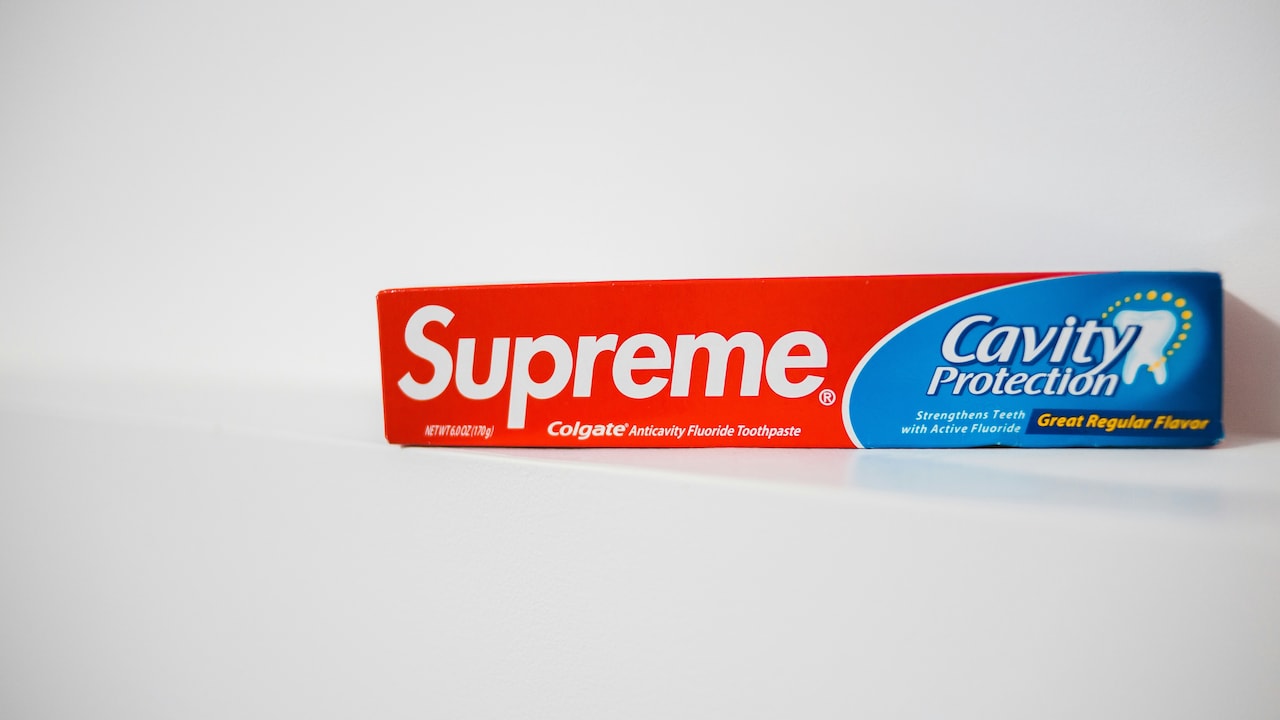
Why Your Oral Care Routine May Not Be As Effective As It Feels; Photo Credit: Pexels
Ignoring Gums Misses Half The Story
Teeth get all the attention because they sit in the spotlight. Gums do the quieter work. They hold teeth in place, protect roots and signal trouble early. Bleeding while brushing, swelling, redness or tenderness should not become normal background music. Gums rarely bleed without reason.
Many people dismiss gum bleeding with a shrug, especially when it stops quickly. Some switch to softer brushing but ignore cleaning between teeth. Others stop touching the area altogether, which allows plaque to grow stronger. Healthy gums need gentle but regular cleaning. The brush should angle slightly towards the gum line, where plaque often gathers.
A dentist can check whether bleeding comes from gum inflammation, tartar build-up or brushing habits. Home care helps, but hardened tartar needs professional cleaning. Gums may not shine like enamel, but they decide the long-term strength of a smile. Treating them as extras in the oral care film creates problems later.
Dental Visits Matter Even When Nothing Hurts
Pain has a loud voice, so people often wait for it before visiting a dentist. This approach feels practical until a small cavity turns into a root canal bill. Oral problems often begin quietly. A tooth can look fine and still hide decay between surfaces. Gum disease can progress with very little pain in the early stages.
Regular dental check-ups help catch issues before they become expensive, stressful and inconvenient. A routine cleaning can remove tartar that brushing cannot shift at home. It can also reveal habits that need correction, such as grinding, uneven brushing or missed areas near wisdom teeth.
The common fear of dental chairs deserves sympathy. The sound of instruments can make even brave adults reconsider life choices. Yet modern dental care has become far more comfortable than old horror stories suggest. A short preventive visit beats a painful emergency on a Sunday night. Teeth prefer maintenance over rescue missions.
Products Related To This Article
1. Salt. Oral Care Balance Mouthwash – 330ml
2. Sensodyne Toothpaste Rapid Relief | Fast Sensitivity Relief Tooth Paste Combo Pack
3. Perfora Power Dental Water Flosser - 300ml
4. Dabur Meswak Complete Oral Care Toothpaste
5. H2ofloss Water Dental Flosser Teeth Pick
6. Sichumaria 40Pcs Brace Interdental Brush
7. Street27® 50pcs Oral Care Swabs Tooth Cleaning Mouth Swabs Soft
8. Macromolecule Care Dental Floss Picks 100 Pieces
An oral care routine can feel perfect and still miss the mark. Foam, mint and speed create confidence, but teeth need something deeper: time, gentleness, consistency and attention to hidden spaces. The best routine does not have to look fancy. It needs a soft brush, proper technique, fluoride toothpaste, cleaning between teeth, tongue care, sensible timing and regular dental visits.
Small changes can transform everyday brushing from a habit into real protection. Spend longer near the gum line. Stop punishing teeth with force. Replace tired brushes. Spit more and rinse less after brushing. Give the spaces between teeth the respect they deserve. These steps sound ordinary, but ordinary habits shape extraordinary health.
A clean mouth should not merely feel fresh for ten minutes. It should stay healthier for years. The mirror may offer the first compliment, but gums, enamel and breath deliver the final verdict.
(Disclaimer: This article may include references to or features of products and services made available through affiliate marketing campaigns. NDTV Convergence Limited (“NDTV”) strives to maintain editorial independence while participating in such campaigns. NDTV does not assume responsibility for the performance or claims of any featured products or services.)