Dry Vs Wet Dog Food: Which Is Better During The Monsoon
Dry vs wet dog food in the monsoon: Find out which option keeps your dog well-fed, well-hydrated, and healthy during humid weather, plus practical feeding tips for pet parents.
Dry Vs Wet Dog Food: Which Is Better During The Monsoon
The monsoon brings a kind of relief from the heat, but for dog parents, it also shows up with its own set of daily pet concerns. Appetite dips, slower digestion, spoilage happening faster, and that thick humidity can make even a regular feeding routine feel a bit harder to manage than usual. If you've been quietly wondering whether dry kibble or wet dog food is the smarter choice during the rainy season, you're honestly not alone in that. The answer isn't really one neat thing you can point to. This guide explores how both food types perform in humid weather, their pros and cons, and how to choose the best one for your dog's health and comfort this season.
Dry Vs Wet Dog Food: Which Is Better During The Monsoon;
Photo Credit: iStock
How Does Monsoon Humidity Affect Your Dog's Appetite And Digestion?
High humidity slows down how effectively your dog regulates body temperature, and that can cause appetite to dip in a way that's easy to miss at first. When combined with the lower activity levels that most dogs experience during the monsoon, this situation can lead to digestive sluggishness, stomach upsets, and reduced water intake.
Dogs still need full nutrition through the season even when they're eating a bit less enthusiastically. During a monsoon, picking the right food format and then serving it fresh and in the right portions can genuinely change how well your dog comes through the season, and it can help stop health issues before they start.
Dry Dog Food: Is It A Good Choice During The Rainy Season?
Dry dog food, or kibble, has been the standard choice for most Indian dog parents for years. It is shelf-stable, convenient to store, and it covers full nutrition in a straightforward format that suits most daily routines.
Step 1: Understand Their Benefits
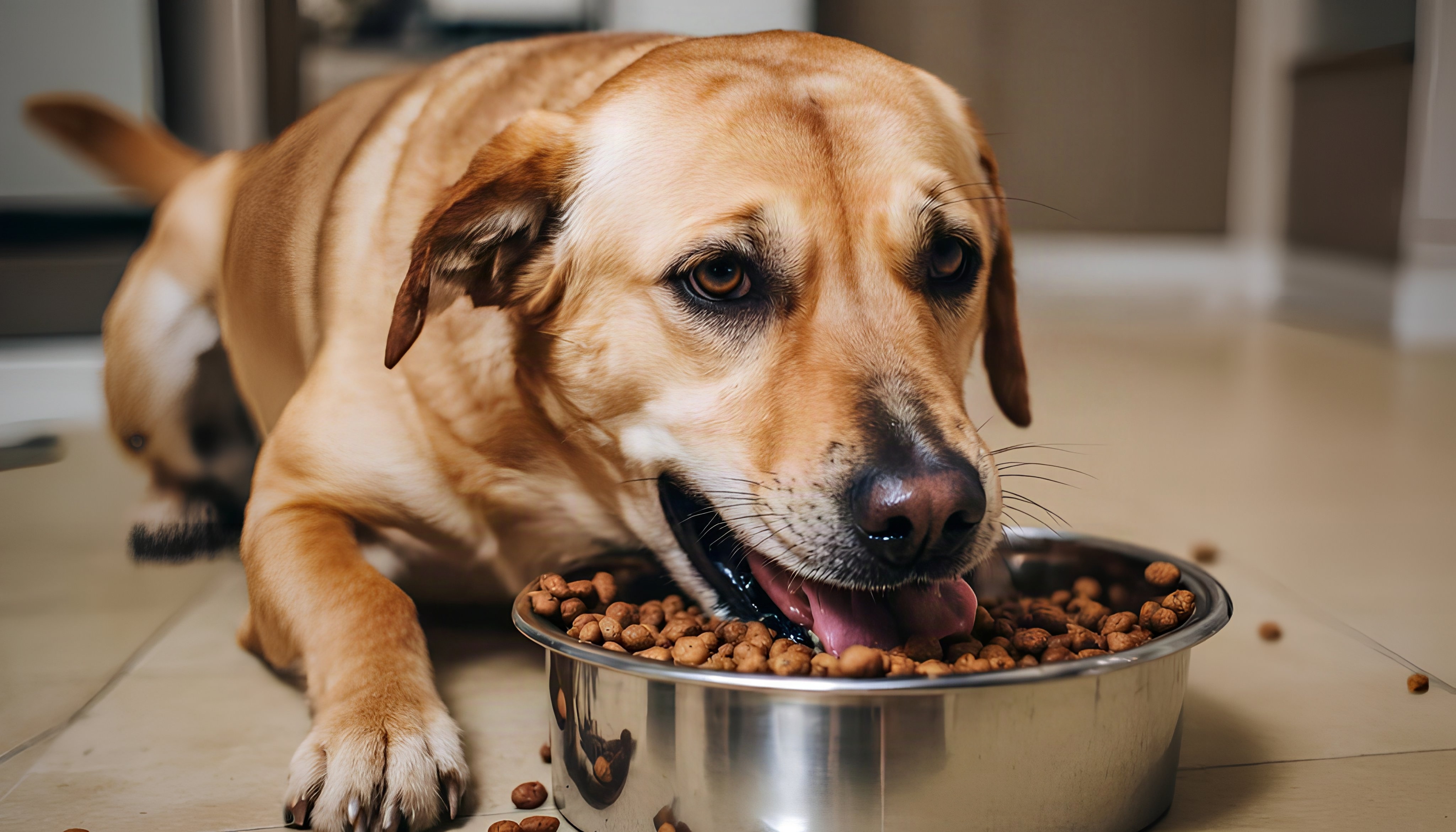
Dry food stays fresh longer once opened compared to wet food, which matters quite a bit during monsoon when everything spoils faster in the humidity. It also supports dental health as dogs chew through each piece, and it is generally easier to portion out consistently. Stored in an airtight container in a cool, dry spot, good quality kibble holds up well through the wet season without losing its nutritional value.
Step 2: Know Their Challenges In Humid Weather
The biggest concern with dry food during monsoon is hydration, honestly. Kibble contains only around 10 percent moisture, so dogs eating a purely dry diet need to drink significantly more water to compensate, and in humid weather dogs do not always feel thirsty enough to drink the amount they actually need. If you stick with dry food through the season, keeping fresh, clean water always available and monitoring how much your dog actually drinks becomes kind of essential.
Wet Dog Food: Does It Perform Better In Humid Conditions?
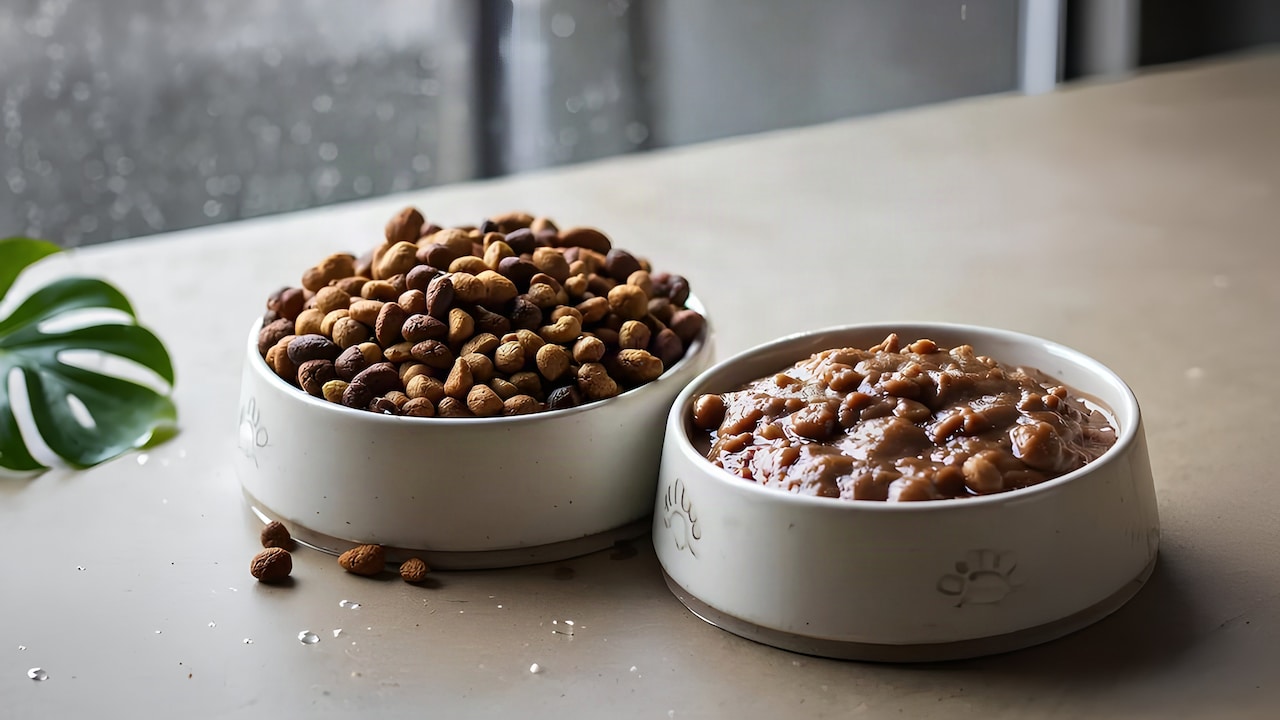
Wet dog food comes in pouches, cans, and trays and typically contains between 70 and 82 percent moisture, making it a naturally hydrating option for dogs through the rainy season.
Step 1: Look At Their Advantages
Wet food provides hydration built right into every meal, which is genuinely helpful during monsoons when dogs tend to drink less water on their own. It is also easier to digest and more palatable, so dogs that go a bit off their food in humid weather are far more likely to eat a full wet meal than a bowl of dry kibble. The stronger aroma of wet food also tends to get fussier eaters back to the bowl more reliably.
Step 2: Consider Their Limitations
Wet food spoils quickly once opened , especially in the high humidity of the monsoon , and that is probably its biggest downside. Leaving wet food out in the bowl for more than 20 to 30 minutes in warm, humid weather is genuinely risky from a food safety standpoint. It also does not support dental health the way kibble does, and it generally costs more per serving than dry food, which adds up over a full season.
Dry vs. Wet Dog Food: Which One Wins In The Monsoon?
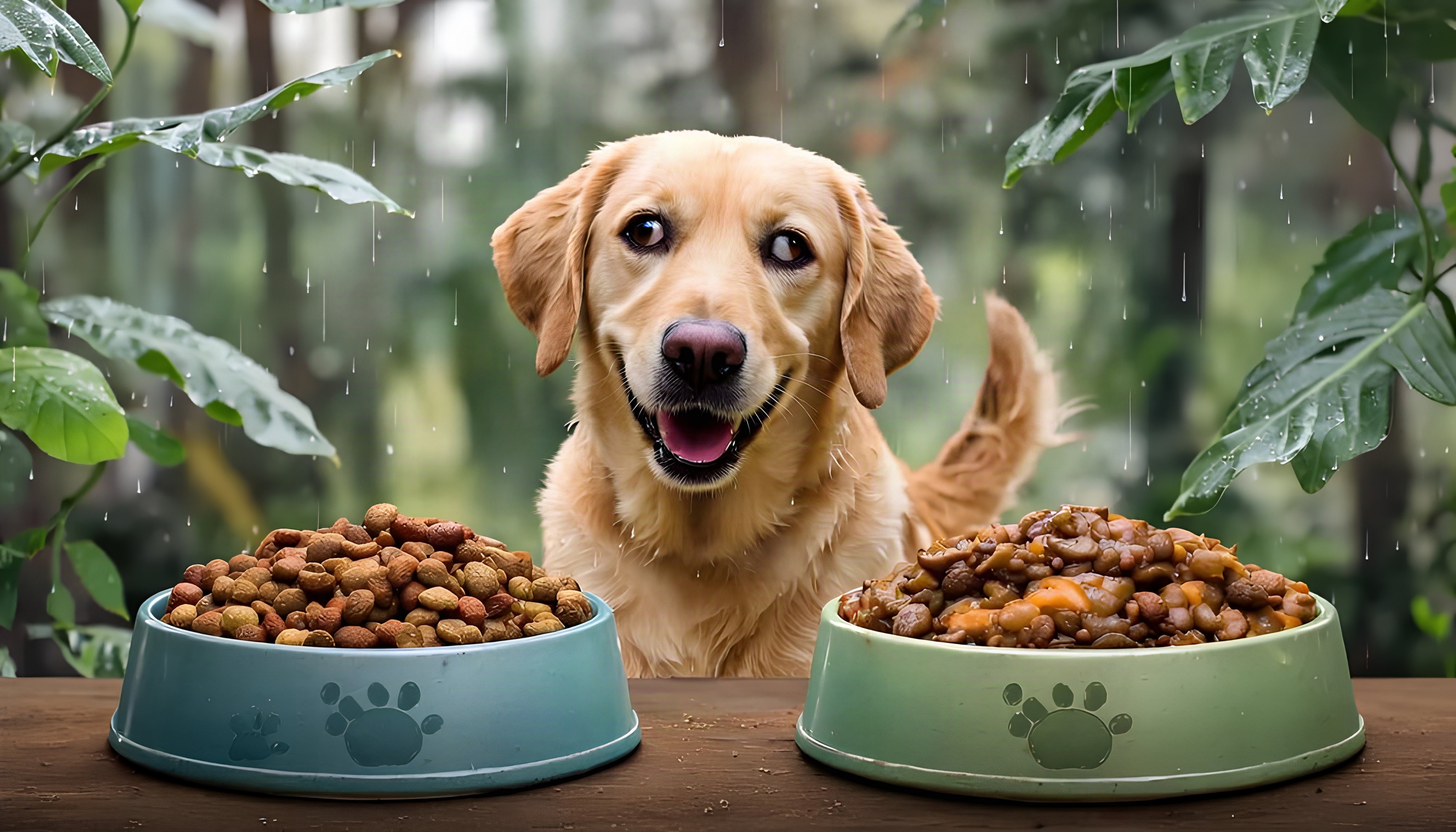
Neither format is really the clear answer for every dog or every household, not quite. The better choice depends on your dog's hydration habits, your home storage situation, and whether your dog is a reliable eater or tends to refuse food when the weather changes.
If your dog drinks water well throughout the day and eats kibble consistently even in humid weather, then dry food with proper storage and always available clean water can work well. But if your dog's appetite dips noticeably in the monsoon, or if you are concerned about hydration, wet food or a mix of both often gives more dependable results.
Lots of dog parents end up combining both formats through monsoon, and honestly it does seem to work better for many dogs: dry kibble as the base through the day, then a wet food pouch or topper at one meal for palatability and hydration support.
How Can You Keep Your Dog Eating Well During The Monsoon?
Regardless of the food format you choose, good feeding habits during monsoon matter just as much as what goes into the bowl.
1. Serve Fresh Food Every Time
Never leave food out in the bowl for long stretches, especially wet food, in humid monsoon conditions. Bacteria and mould multiply much faster in warm wet air, and spoilt food is one of the leading causes of stomach infections in dogs during the rainy season.
2. Keep Drinking Water Always Fresh And Available
Dogs eating dry food especially need consistent access to fresh, clean water through the day. Change the water bowl regularly during the monsoon, not just top it up, since stagnant water in humid conditions becomes contaminated faster than most people expect.
3. Store Dry Food Properly
Opened bags of kibble left loosely folded in a humid kitchen can develop mould faster during the monsoon than at any other time of the year. Transfer dry food to an airtight container and keep it in a cool, dry spot. Never mix old and newly bought food in the same container.
4. Watch For Appetite And Digestive Changes
Reduced activity during monsoon sometimes naturally lowers how much a dog wants to eat. Monitor portions, energy levels, and stool consistency through the season. A sudden drop in appetite or any sign of digestive upset is worth a vet visit rather than just assuming it is seasonal.
Which Dog Food Should You Choose For Your Dog?
Honestly, there is no single neat answer to the question of dry versus wet dog food, especially during the monsoon when conditions change and what works in summer may not be as effective now. Dry food tends to be more practical for storage and dental health. Wet food handles hydration and palatability better when appetite is low.
The most practical approach is matching the format to your dog's habits, while still aiming for fresh servings, proper storage, and consistent access to clean water. Plenty of dog parents end up feeding both through the season: dry kibble at one meal and a wet pouch at another, and that mix gives a decent balance between convenience, nutrition, and keeping a dog eating well through the humidity.
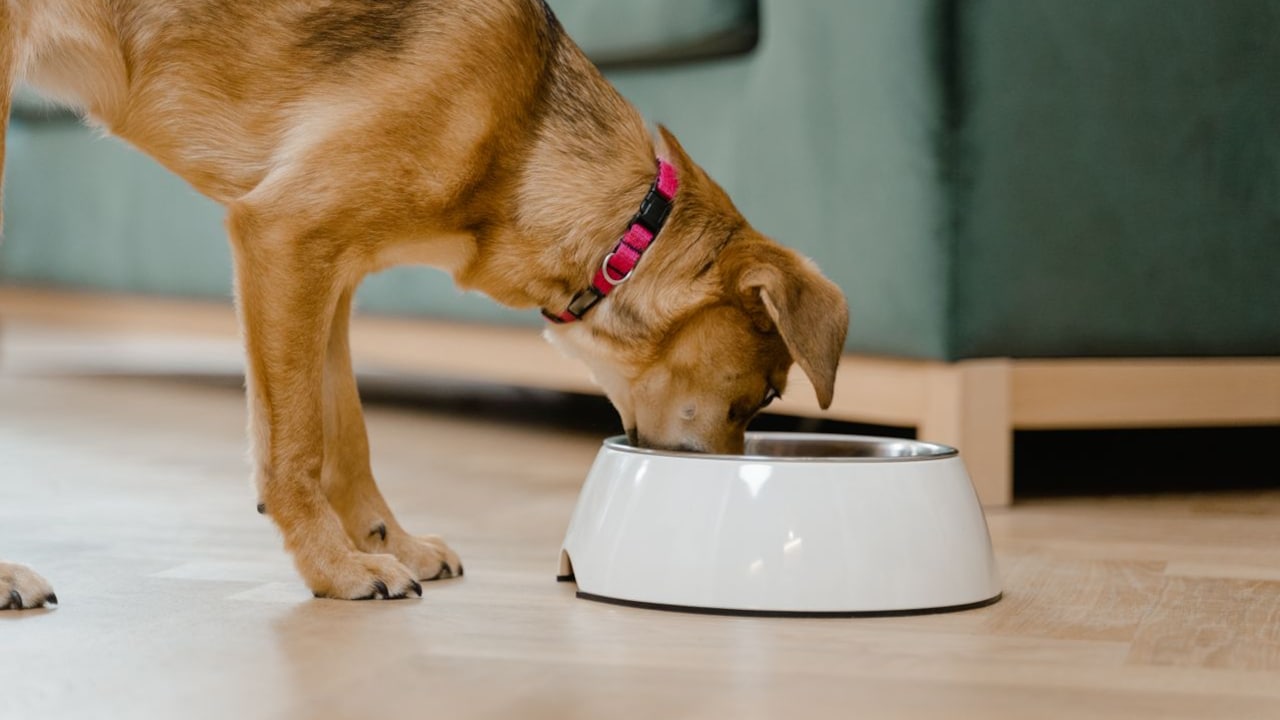
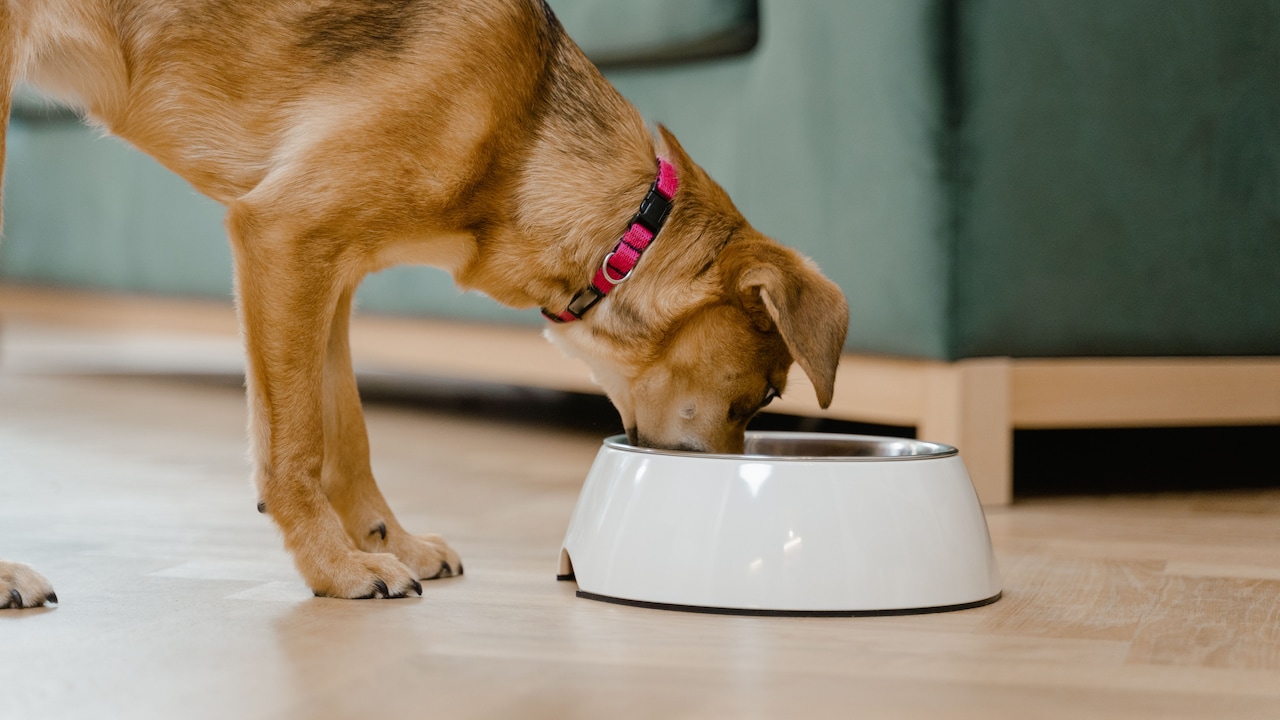
Dry Vs Wet Dog Food: Which Is Better During the Monsoon; Photo Credit: iStock
Some Dog Food Products You May Like
1. Applod Chicken Vegetables Dry Dog Food
<2. Amazon Basics Dry Dog Food Chicken
3. Applod Vegetables Pomegranate Oven-Baked Dry Dog Food
4. Parent Complete Balanced Nutrition Dry Dog Food
5. Meat Up Chicken Chunks Wet Dog Food Pouches
6. Goofy Tails Goofilicious Chicken Dry Dog Food
7. Kennel Kitchen Puppy Adult Chunks Wet Dog Food
8. Drools Adult Chicken Chunks Wet Dog Food Pouches
Providing appropriate nutrition is one of the most effective ways to support your pet's health and happiness. Pet food options are tailored to different breeds, life stages, and nutritional needs. Whether you are looking for a specialised hypoallergenic formula, wet food for enhanced palatability, or breed-specific nutrition, these products offer practical solutions to help pets enjoy a healthier and more active life. Shop now on Amazon
Frequently Asked Questions (FAQs)
1. Is wet dog food better than dry dog food during a monsoon?
It depends on your dog a lot. Wet food handles hydration and palatability better when appetite is low in humid weather, but it spoils faster and costs more per serving. Dry food is more practical to store and manage, but dogs eating only kibble need to drink significantly more water to stay properly hydrated.
2. Can monsoon humidity affect my dog's digestion?
Yes. High humidity combined with lower activity levels can cause digestive sluggishness and reduced appetite in dogs. Food spoilage also happens faster in humid conditions, and contaminated food or water is a common cause of stomach upsets in dogs during the rainy season.
3. How often should I feed my dog during the monsoon?
Feeding frequency does not need to change, but serve fresh food at each meal rather than leaving it out. Two meals a day works for most adult dogs. Remove any uneaten wet food within 20 to 30 minutes to avoid spoilage in humid conditions.
4. Is it safe to feed dry food if my dog is not drinking enough water?
If your dog is consistently not drinking enough water, feeding only dry kibble during monsoon is not ideal since it contains very little moisture. Adding a wet food topper or switching one meal to wet food can help supplement hydration, alongside always having fresh water available.
5. Can I mix dry and wet dog food for my dog during the monsoon?
Yes. Many dog parents feed a base of dry kibble with a wet food pouch or topper at one meal through the monsoon, and this combination works well for most dogs. It balances storage convenience with the palatability and hydration benefits that wet food adds during the humid season.
(Disclaimer: This article may include references to or features of products and services made available through affiliate marketing campaigns. NDTV Convergence Limited (“NDTV”) strives to maintain editorial independence while participating in such campaigns. NDTV does not assume responsibility for the performance or claims of any featured products or services.)