4 Easy Ways To Add More Protein To Your Breakfast And Snacks With Pintola
Want to eat more protein without spending hours meal prepping? Discover four simple ways to add protein to your breakfast and snacks with muesli, oats and peanut butter.
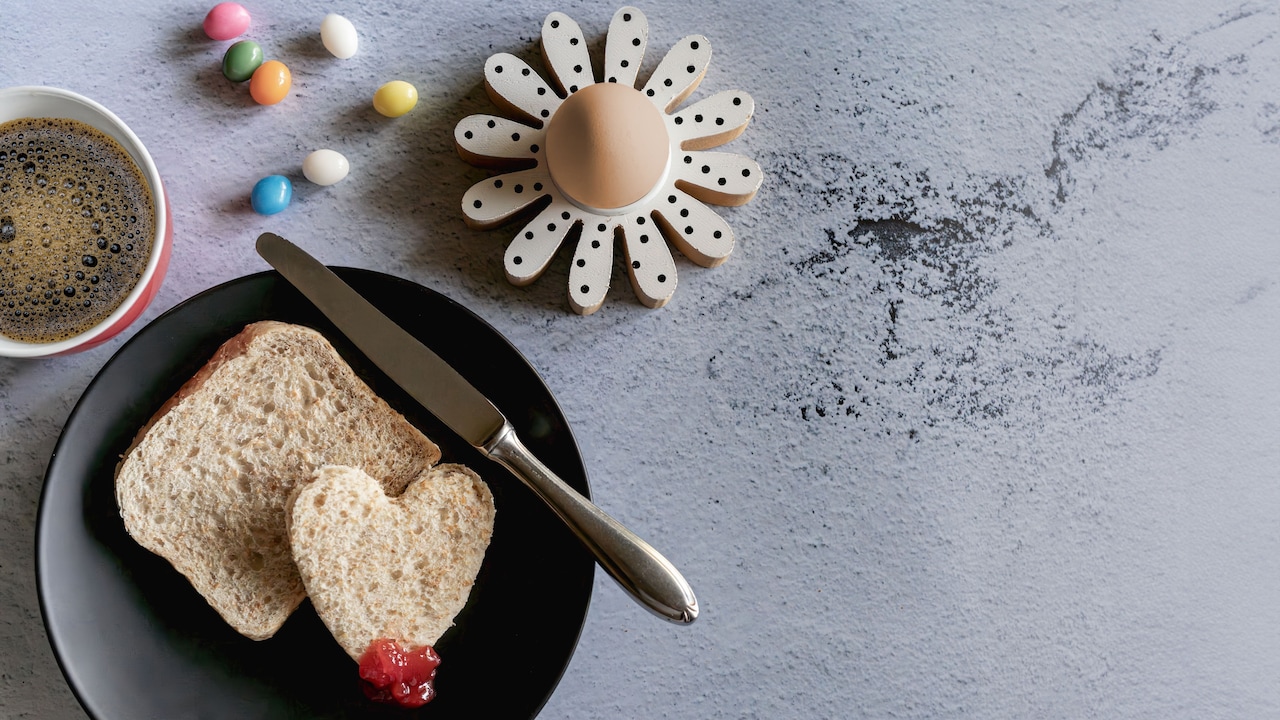
Adding more protein doesn't have to mean complicated meal preparation.
"Eat More Protein" has probably become one of the most repeated pieces of nutrition advice in recent years. Yet protein remains one of the nutrients many Indians struggle to get enough of. A nationwide survey by LocalCircles* found that nearly 60% of urban Indians do not consume protein-rich foods daily, while only four in ten regularly include foods such as eggs, lentils, milk, paneer, fish or nuts in their meals. The survey also revealed that most people are unaware of how much protein they actually need.

Small dietary changes are often easier to maintain than strict meal plans.
Photo Credit: Pexels
Part of the reason lies in the structure of the traditional Indian diet itself. Most meals are built around staples such as rice, wheat, rotis and other cereals, while protein sources often play a secondary role. Adding to the confusion, the commonly quoted recommendation** of 0.8 grams of protein per kilogram of body weight is designed to prevent deficiency, not necessarily to support muscle maintenance or active lifestyles. Research increasingly suggests that people looking to preserve or build muscle may benefit from higher intakes in the range of 1.2 to 1.6 grams per kilogram of body weight.
The roadmap to meeting your daily protein requirements sounds achievable at first. You might think it's just about adding a few more eggs, lentils and servings of meat to your diet. But the reality of making omelettes every morning, boiling eggs in advance, prepping grilled chicken, cooking sprouts and blending smoothies every day with discipline can start to feel like a part-time job. It's a routine many people struggle to squeeze in between work, the gym, hobbies and everything else competing for their time.
The truth is, your already elaborate daily routine doesn't need another task adding to the daily burden. Breakfast and snack time don't have to turn into meal-prep projects either.
For many working professionals, students, busy parents and elderly people living alone, the easier approach is simply finding ways to add a little more protein to foods they are already eating. A bowl of muesli in the morning, an afternoon snack or even a quick slice of toast can become an opportunity to make everyday meals work a little harder.
Here Are 4 Easy Ways To Add More Protein To Your Breakfast And Snacks
1. Reimagine The Bowl Of Milk And Cereal
Many of us grew up starting the day with some version of milk and cereal. The problem was that the bowl often tasted good but didn't necessarily keep us satisfied for very long.
A simple protein-rich upgrade is swapping your regular cereal for a high-protein muesli and building a more substantial breakfast. With Pintola 25g per 100g High Protein Fruit and Nut Muesli, you get a mix of wholegrains such as oats, quinoa, ragi, jowar and brown rice flakes, along with nuts and seeds that add crunch to every spoonful.
Pour it into a bowl, add cold milk or yoghurt, throw in a sliced banana and you're done. No chopping vegetables. No standing over a stove. Just a breakfast that feels familiar yet delivers more protein and fibre than the usual cereal route.
2. Give Your Peanut Butter Sandwich A Protein Upgrade
A peanut butter sandwich is a reassuringly simple and quick solution to hunger pangs. It is easy, portable and works just as well during a rushed morning as it does during a mid-afternoon slump.
Instead of treating it as a childhood favourite, consider it a snack that can help add more protein to your day.
For example, spread Pintola All Natural Peanut Butter Crunchy generously over whole-wheat bread, then add sliced banana or apple for texture and added nutrition. Made from 100% roasted peanuts with no added sugar, Pintola peanut butter delivers 30g of protein per 100g while retaining that rich roasted-peanut flavour.
It's also one of those ingredients that tends to disappear quickly from the kitchen because it can be mixed with almost anything, from toast and smoothies to fruit bowls and even homemade energy bites. One can try different flavours from their wide range of products.
3. Make Oats Feel Less Like A Health Obligation
It's a harsh reality that many people open a pack of oats with good intentions but end up pushing it to the back of the kitchen shelf for reasons ranging from taste and texture to plain boredom.
The issue was never its nutrition. But eating it every day can genuinely feel repetitive, especially when the flavour remains unchanged.
That's where flavour can make all the difference. Pintola High Protein Dark Chocolate Oats combines oats, seeds, raisins and dark chocolate flavour, creating something that feels far more indulgent than the average bowl of porridge.
Add warm milk, top it with chopped almonds and perhaps a spoonful of peanut butter, and suddenly breakfast feels less like a healthy compromise and more like something you actually look forward to eating. It's possibly even Instagram-story-worthy.
4. Turn Snack Time Into Something More Interesting
It's true that many people may not struggle with breakfast. They may manage to eat well in the morning. But that same person could struggle at 4 p.m.
It is often the time of day when concentration dips, work is still unfinished, and the temptation to grab whatever is available for an instant energy boost becomes difficult to ignore.
Instead of reaching for biscuits or something with a lot of added sugar, try building a quick yoghurt-and-muesli cup.
A serving of Pintola 25g per 100g High Protein Dark Chocolate and Cranberry Muesli layered over chilled yoghurt creates a snack that's crunchy, slightly chocolatey and just sweet enough. The cranberries bring a pleasant tartness, while almonds and superseeds add texture that makes every bite more interesting.
It takes less than a minute to put together, which means no advance preparation. Just pour some Pintola muesli into your office mug, add yoghurt from a single-serve pack, and you're good to go. Yet, it feels considerably more satisfying than most desk-side snacks.
The Best Protein Habit Is The One You'll Actually Keep

Amazon Great Indian Festival is live with exciting discounts across grocery and gourment food.
Photo Credit: Amazon
The conversation around protein often becomes complicated, filled with meal plans, recipes and elaborate preparation routines. But for many people, consistency comes from simplicity.
You don't need to reinvent your diet overnight. Sometimes, adding a high-protein muesli to breakfast, choosing high-protein oats over regular ones, or upgrading your snack with a spoonful of high-protein peanut butter from brands like Pintola can make for steps in the right direction.
Unlike ambitious meal-prep plans that last a week, these are changes that can realistically fit into everyday life. And if you're thinking of upgrading your daily protein intake, do explore Amazon for offers on the Pintola product range. The ongoing Amazon Great Indian Festival is offering exciting discounts on grocery items, along with next-day doorstep delivery and special Prime benefits. Click to explore Amazon now.
Frequently Asked Questions (FAQs)
1. Why is protein important for breakfast?
Protein can help keep you fuller for longer, support muscle maintenance and provide sustained energy throughout the day, making it a valuable addition to breakfast.
2. What are some easy ways to add more protein to breakfast?
You can add protein through high-protein muesli, oats, peanut butter, yoghurt, eggs, milk and nuts without making major changes to your routine.
3. Is peanut butter a good source of protein?
Peanut butter contains protein and healthy fats, making it a convenient option for improving the nutritional value of sandwiches, smoothies and snacks. But it is not a replacement for your primary protein sources like meat, fish, eggs, lentils etc.
4. Can high-protein snacks help manage hunger between meals?
Protein-rich snacks may help increase satiety and reduce the urge to reach for highly processed foods between meals.
5. How can busy professionals increase their daily protein intake?
Busy professionals can incorporate protein-rich foods into meals they already eat, such as cereal bowls, toast, yoghurt cups and quick snacks.
Source: *Urban India Faces Protein Awareness Gap: Nationwide Survey Highlights Key Barriers
** How much protein do you need every day?
(Disclaimer: This article may include references to or features of products and services made available through affiliate marketing campaigns. NDTV Convergence Limited (“NDTV”) strives to maintain editorial independence while participating in such campaigns. NDTV does not assume responsibility for the performance or claims of any featured products or services.)