What To Eat During The Navratri Vrat To Stay Energised
Learn what to eat during the Navratri fast to stay energised with balanced meals, fruit, nuts, dairy, fasting grains and plenty of fluids for hydration.
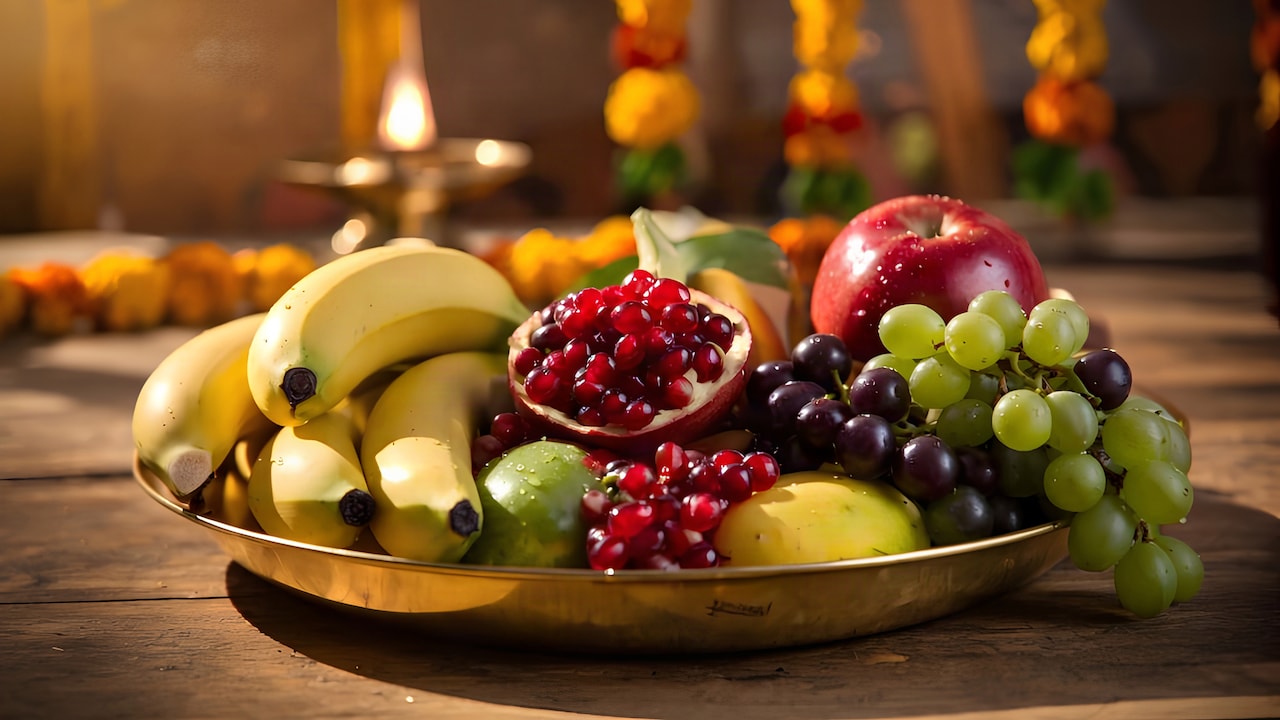
Stay energised during Navratri fasting with these foods
Navratri fasting can change the usual eating pattern for several days, which makes food choices particularly important for maintaining energy. Removing regular grains and legumes from meals can also make it easier to fall short on protein, fibre and certain vitamins and minerals if meals are not planned carefully. Nutrition experts recommend building balanced meals from the foods permitted within the individual's fasting practice. The goal is not simply to eat more fasting-friendly snacks. Meals should provide a combination of carbohydrates for energy, protein and healthy fats for satiety, and fruits and vegetables for fibre and micronutrients.
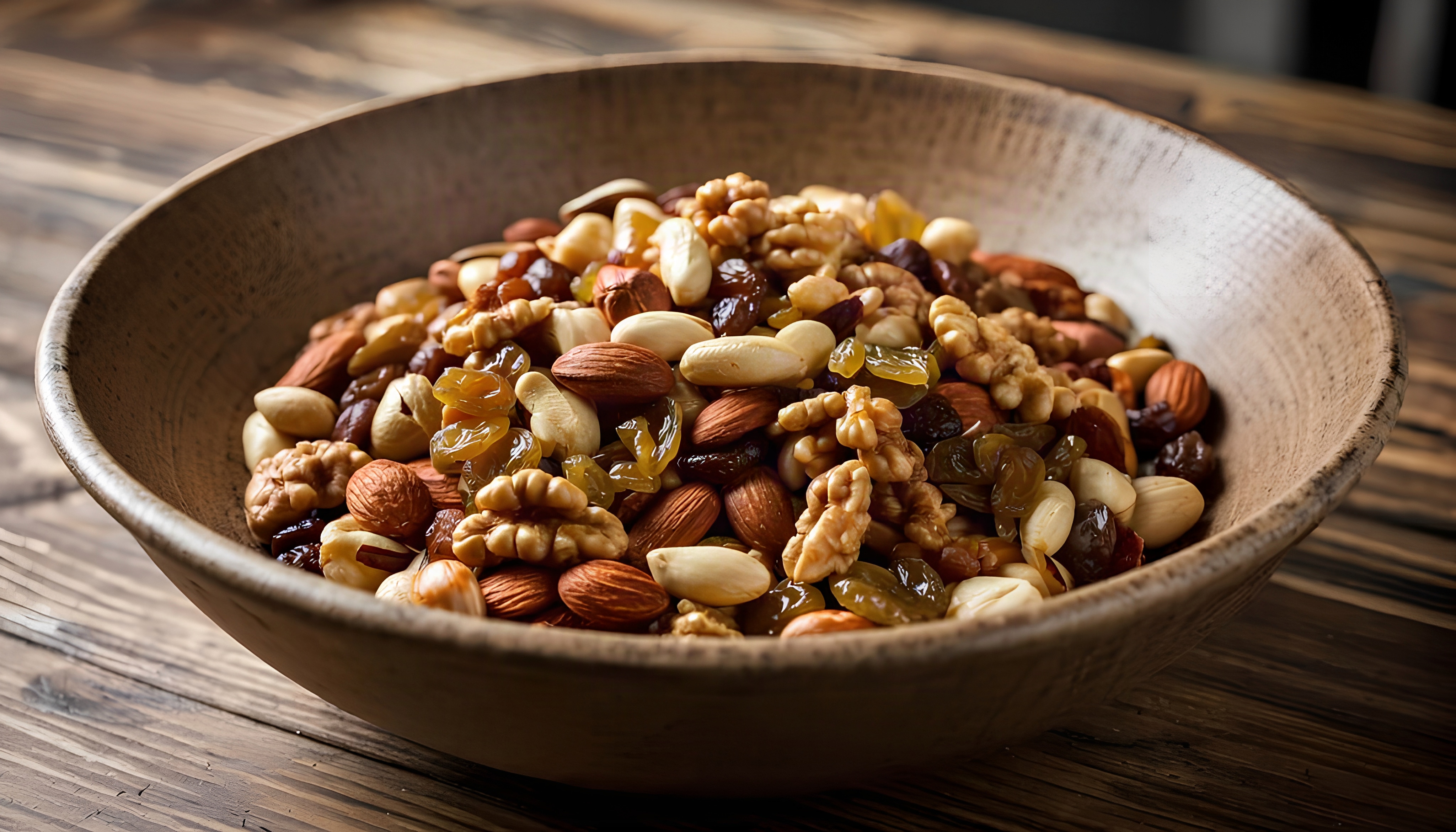
What Foods Can Help Maintain Energy During A Fast?
Photo Credit: iStock
Also, pay attention to your hydration. Hydration is the key, especially if you're fasting in the hot weather or trying to maintain your daily routine, so drink water, coconut water, buttermilk and other suitable fluids.
Also Read: How To Stay Energised Through Navratri Fasting?
What Foods Can Help Maintain Energy During A Fast?
1: Choose Nutrient-Dense Fasting Grains
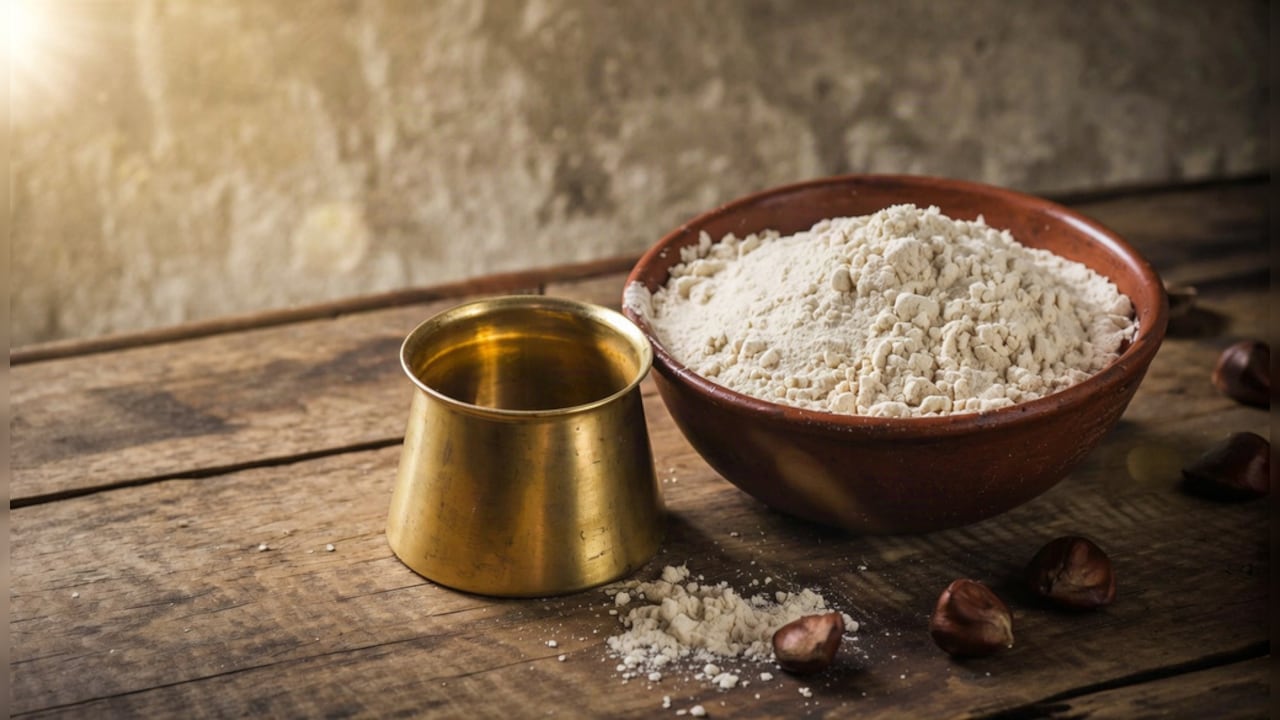
Buckwheat, amaranth and other permitted grains can provide carbohydrates along with useful micronutrients. Buckwheat, for example, provides nutrients including calcium, iron, vitamin B6 and magnesium, while amaranth contributes protein.
Instead, use these ingredients in lighter preparations like rotis, pancakes or other meals, rather than relying mainly on deep-fried versions. To make the meal more balanced, add vegetables and a reliable source of protein.
2: Get Protein From Dairy, Nuts, And Seeds
Excluding regular legumes can make it harder to get protein in. For those who take dairy, curd, milk and paneer are excellent sources of protein. For a vegetarian, nuts and seeds are other sources of plant-based protein.
You could add almonds, peanuts and seeds to meals or eat them as a small snack. Pairing carb-heavy fasting foods with protein and healthy fats can also help with satiety and help prevent hunger from creeping in too soon.
How To Plan Meals To Remain Energised?
Step 1: Start With A Hydrating Breakfast
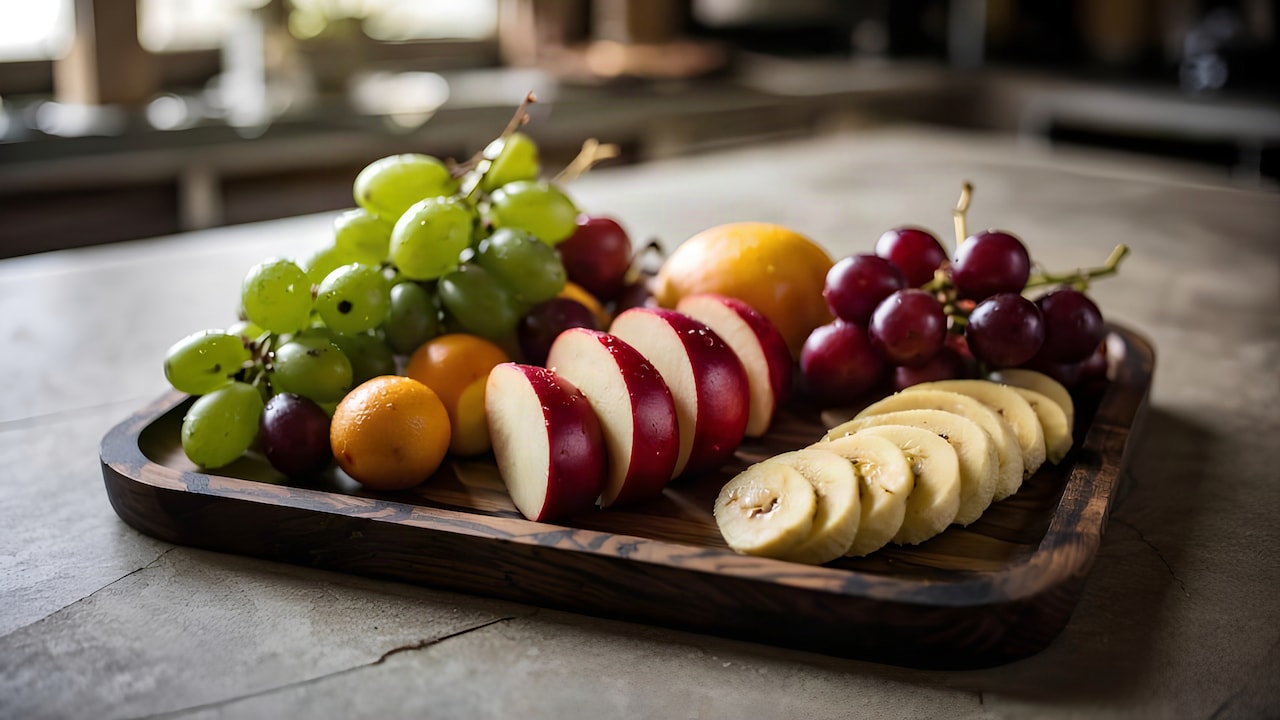
Start your day with water and eat a breakfast of permitted carbohydrates with either protein or healthy fats. You can combine fruit with yoghurt and nuts for a practical option, or try a buckwheat or amaranth preparation for something more filling.
Don't start the day with a large sugary drink or sweet dish on its own. A more balanced breakfast can help provide more steady nourishment and decrease the chances of feeling hungry soon afterwards.
Step 2: Pick A Balanced Main Course
The main meal can consist of a permitted grain like buckwheat or barnyard millet, vegetables and a suitable protein source like curd or paneer.
Potatoes and sweet potatoes also contain carbohydrates. But portions are important because they are relatively carb-dense. Potatoes are more balanced when paired with vegetables and protein than when they are eaten alone.
Step 3: Use Smart Snacks Between Meals
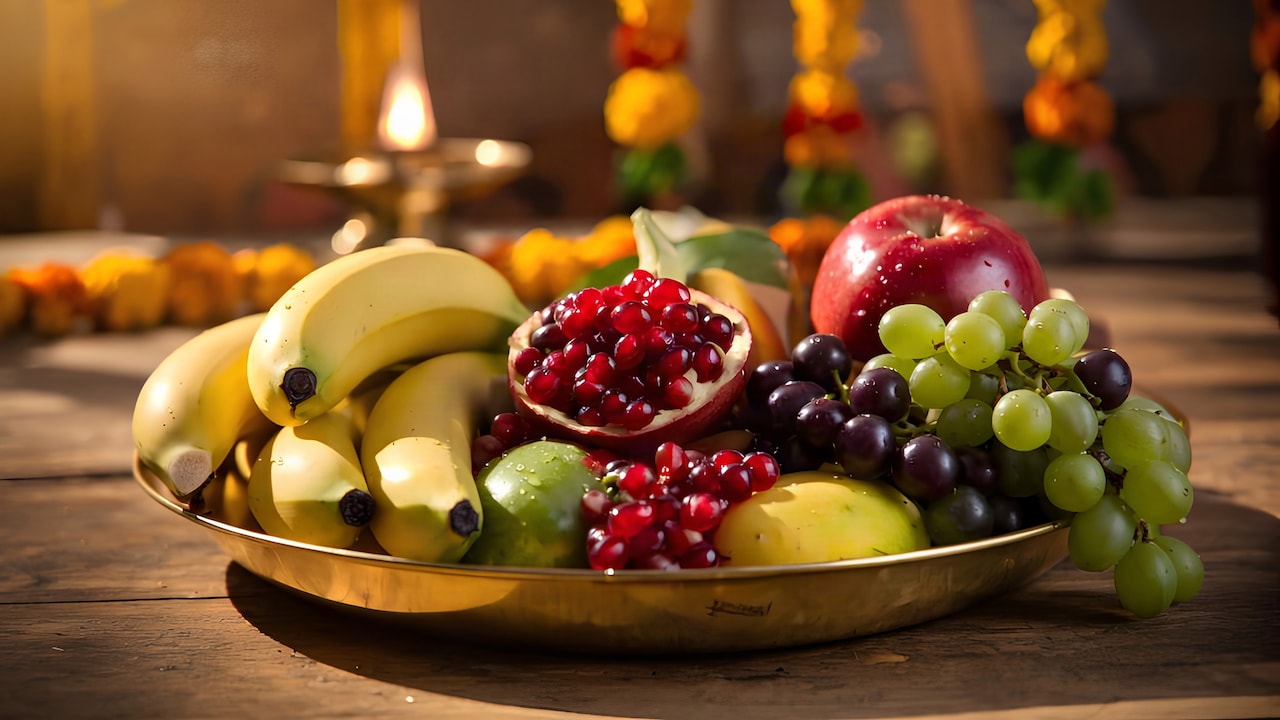
Small snacks can be useful when fasting stretches across a long day, and fruit, lightly roasted fox nuts, almonds, walnuts or a small portion of dried fruit can provide convenient nourishment.
Dried fruit is concentrated in natural sugars, so portions should remain moderate. Nutrition guidance has suggested combining dried fruit with nuts rather than relying on large quantities alone.
Step 4: Keep Dinner Light And Nourishing
The dinner doesn't need to be a big feast, especially since the day's food intake has been restricted. A lighter meal with vegetables, an allowable grain, and an appropriate protein can nourish you without weighing you down.
Vegetarian meals with curd, paneer or other allowed protein can be beneficial, and you might also want to limit fried foods and other rich preparations, which can make you feel sluggish and cause digestive discomfort.
What Are The Benefits Of A Balanced Fasting Diet?
A fasting diet properly planned can increase energy levels but decrease the risk of overreliance on fried snacks and sweets. Fruits, vegetables, nuts and allowed grains also provide a wider range of nutrients than one or two familiar fasting foods. Balanced meals can also help you keep up with normal daily activities during the fasting period.
Protein, fibre and healthy fats can fill you up, while carbs from permitted grains, fruit and root vegetables are a major source of energy. Hydration is another major component of feeling good on a fast, and regular fluids can help reduce fatigue associated with dehydration, especially if you are fasting during physical activity or warm weather.
What Food Mistakes Should You Avoid While Fasting During Navratri?
Mistake 1: Eating Too Many Fried Foods
Fried fast foods are tempting, but if they become a staple in your diet, you will consume too much fat and calories and not enough variety. Fried potatoes, fried flour products, and similar snacks can also cause bloating or sluggishness.
Mistake 2: Consuming Mainly Carbohydrates
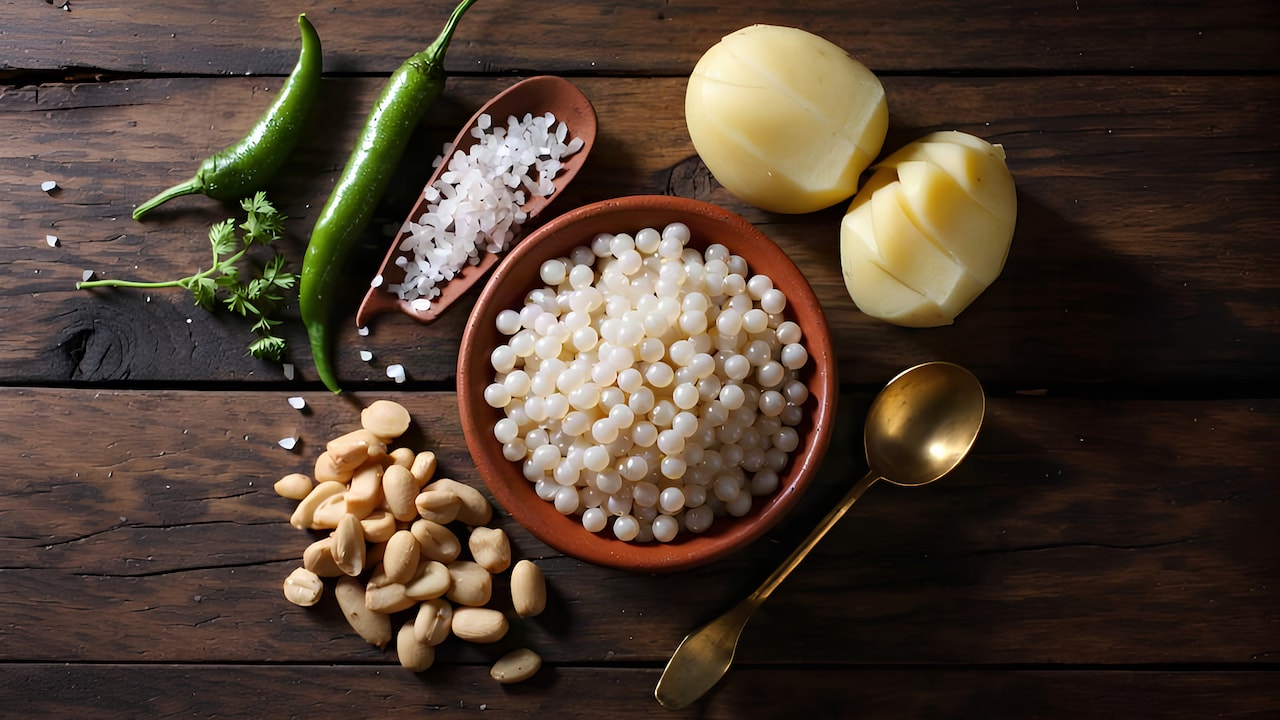
You can get energy from foods such as potatoes, tapioca and allowed flours, but if you don't combine them with enough protein, vegetables or healthy fats, then your meals may be nutritionally unbalanced.
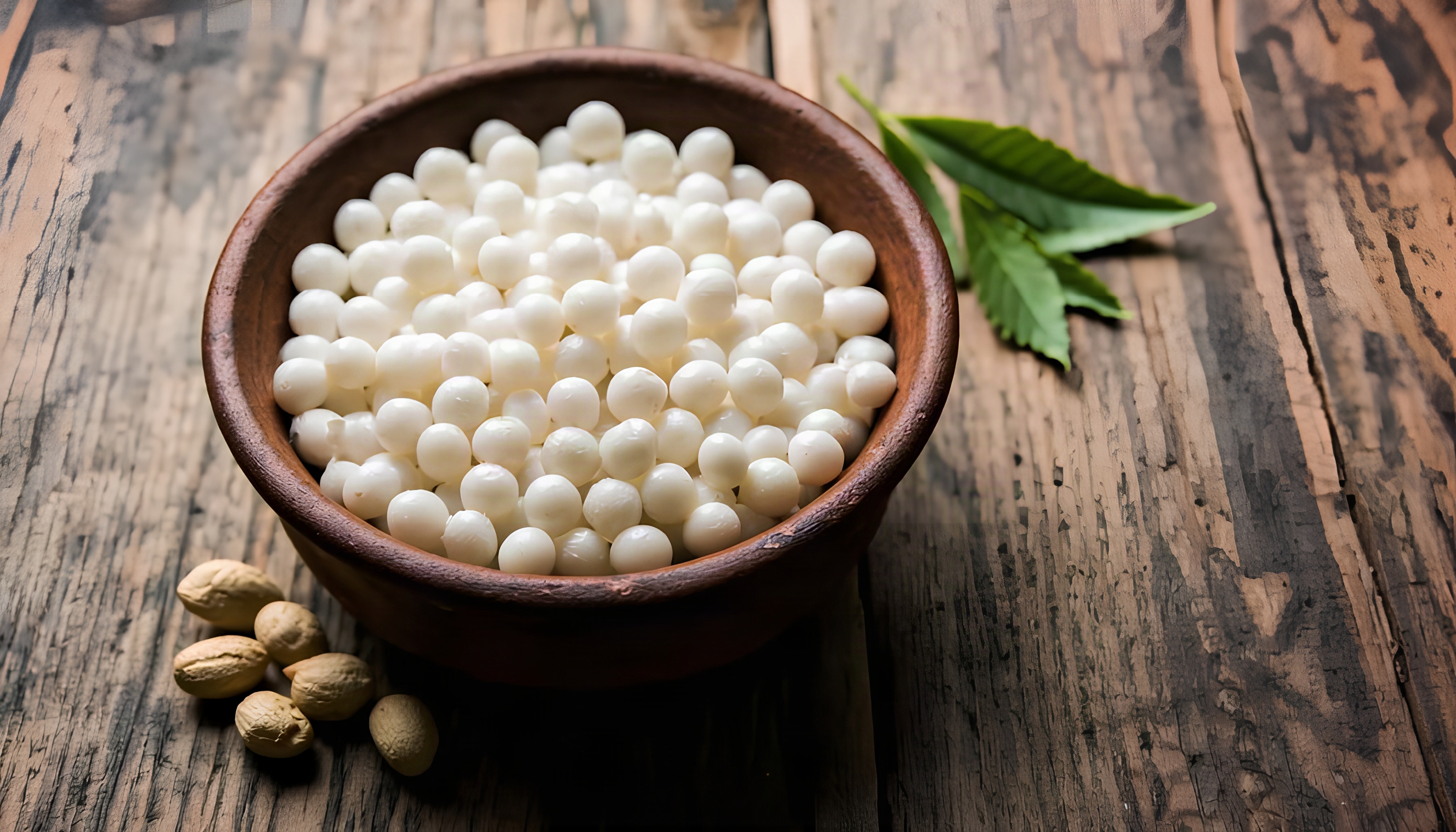
Few Products To Consider From
Photo Credit: iStock
Few Products To Consider From
1. BURLY FIELD Fasting Flour
2. Tanawade's Smart Food Instant Upwas Thalipeeth Mix
3. FitBix Makhana Premium
4. Jabsons Sabudana Mix
5. Roasty Tasty 5 Grain Mix Multigrain Mixture Roasted Snack
6. SUPPLE foods: Multi-Millet Flour
7. Paper Boat Absolute Health Dry Fruits Mix
8. Farmley Panchmeva Dry Fruits Mix
Frequently Asked Questions (FAQs)
1. What is a good breakfast during Navratri fasting?
Fruit with yoghurt and nuts can provide carbohydrates, protein and healthy fats. A suitable buckwheat or amaranth preparation can also make a more substantial breakfast.
2. Can nuts be eaten during Navratri fasting?
Almonds and walnuts are rich in healthy fats, protein and micronutrients, and moderate portions are often consumed in fasting diets.
3. What are the benefits of sabudana for energy when fasting?
Sabudana is a carbohydrate that gives quick energy, but it is low in protein and fibre. To make it a more balanced meal, add peanuts, vegetables or yoghurt.
4. What should be avoided during Navratri fasting?
It is best to limit deep-fried foods, sugary foods and heavily processed fasting snacks. Meals should consist of various permitted foods, not mainly starches.
5. How can energy levels be maintained while fasting?
Eat balanced portions of allowed carbohydrates, protein, healthy fats, fruits, and vegetables, and drink plenty of fluids. People with medical conditions should seek advice from their healthcare professional rather than following a generic plan for fasting.
(Disclaimer: This article may include references to or features of products and services made available through affiliate marketing campaigns. NDTV Convergence Limited (“NDTV”) strives to maintain editorial independence while participating in such campaigns. NDTV does not assume responsibility for the performance or claims of any featured products or services.)