How To Balance Festive Indulgence Without Feeling Sluggish
Want to enjoy festive food without the heavy slump? Here are simple, practical ways to balance festive indulgence without feeling sluggish or drained.
Try these eating tips to avoid festive feasts from draining your energy
The festive season is mostly about food, isn't it? Rich curries, desserts piled high, fried snacks on plates – it all feels great, until it doesn't. Most people feel like a zombie after a big meal or after three days of celebrations in a row. But going cold turkey isn't the answer either. Part of what makes this time of year feel special is the enjoyment of food. The trick is knowing how to be comfortable without sacrificing anything outright. It doesn't have to be all or nothing with festive eating. It's the everyday choices, made slowly, that affect how you feel physically and your energy and mood. You can feel good and eat well.
Start The Day Right Before The Festivities Begin
Photo Credit: iStock
The problem with festive eating is not the food but the way and the timing it lands. It's the three big meals in a row, the chai everywhere so you don't drink water, and the hours sitting after you eat that make you feel like you have to lie flat for two days. A few simple tweaks change the whole experience without feeling like you're on a diet at someone's wedding.
Also Read: Why Do Digestion Problems Spike During The Festive Season?
Start The Day Right Before The Festivities Begin
1. Eat A Proper Breakfast
This is one of the most important things that people often skip during celebrations because they feel they're saving room for the main event. But what actually happens is that you arrive hungry and eat way faster and more than you intended. A light but filling breakfast, something like eggs on toast, poha, or even just fruit with yoghurt, steadies your appetite before the heavy stuff arrives. That helps a tonne.
2. Hydrate Before You Feel Thirsty
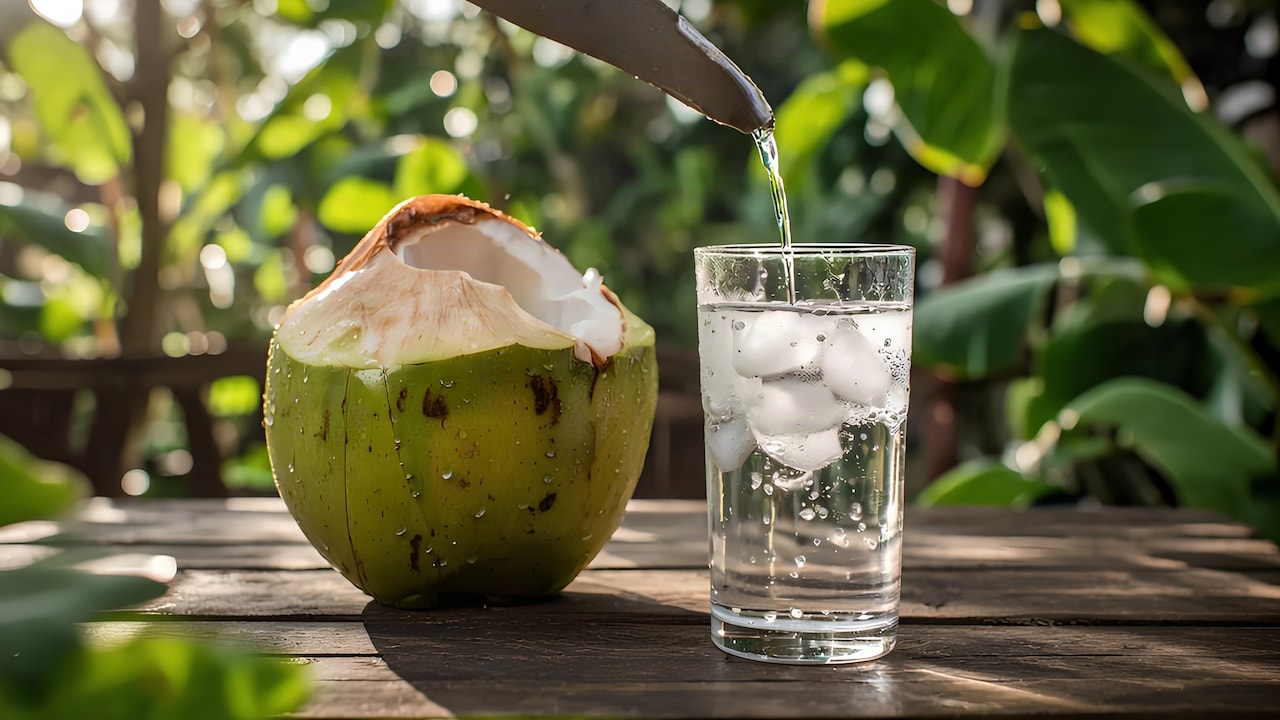
The festive days are generally filled with warmth, busyness, and salty food. By the time you realise you're thirsty, you're already a bit dehydrated, which adds to that foggy, slow feeling. Having a few glasses of water before you leave the house or sit down for a big meal will help your digestion to work more smoothly and keep the sluggishness at bay better than most other tricks.
How To Eat Smartly During The Main Feast
1. Go Smaller On The First Round
There is always more food than you expect at any festive table. And if you start with a moderate plate, you'll also get to actually taste what you're eating. You can always go back for the things you thoroughly enjoyed. Often it's the initial rush to fill the plate that leads to that overfull regret an hour later.
2. Slow Down Between Bites
It sounds boring, but fast eating is a big reason festive meals make us feel heavy. Your body takes about twenty minutes to realise it's full, and if you finish your plate in ten, that delay can really catch up with you. Festive eating has its own rhythm – conversations, laughter, pausing to refill drinks – so instead of eating on autopilot, lean into it and slow down.
3. Pick Your Indulgences Deliberately
Not every dish on a festive table is of equal value to you personally. Rather than sampling a little bit of everything out of habit or politeness, pick what you really want the most and give those dishes due. When you eat less of what you don't care about, you can enjoy more of what you love without feeling overwhelmed.
What To Do After A Heavy Festive Meal
1. Move, Even A Little
A short stroll after a big meal – just ten or 15 minutes around the block or in the garden – can really make a difference to how you feel. It gets the digestion going and prevents that brick-in-the-stomach feeling from taking hold. You don't have to make him exercise; just getting him to move a little is enough.
2. Skip The Sofa Immediately
After a heavy lunch, we feel like lying down flat, but doing so straight after eating slows digestion down and often makes bloating worse. Sitting up for at least thirty to forty-five minutes before lying down gives your stomach the time it needs to get going. Then sleep on.
How To Recover Between Celebration Days
1. Keep The Days In Between Light
If the party lasts for several days, it's more important what you eat in between than what you do at the party itself. Light salad, grilled chicken or paneer, simple meals – give your gut a proper break without starving yourself. You'll be in a much better mood for the next round of celebrations.
2. Prioritise Sleep
Most people don't realise how much heavy food, late nights and stimulants such as tea, coffee or alcohol disrupt sleep. Bad sleep means the next day you crave heavier food and your energy is flat. Simply sticking to a regular bedtime over the festive period will mean you'll recover from those events more quickly and steadily.
Some Products You Should Try
Photo Credit: iStock
Some Products You Should Try
1. Carbamide Forte 30 Billion CFU Probiotics Supplement with Prebiotics
2. Kapiva Digesti Care+ Juice - Provides Relief From Acidity & Bloating
3. A TATA Product – Organic India Moringa Hibiscus Infusion
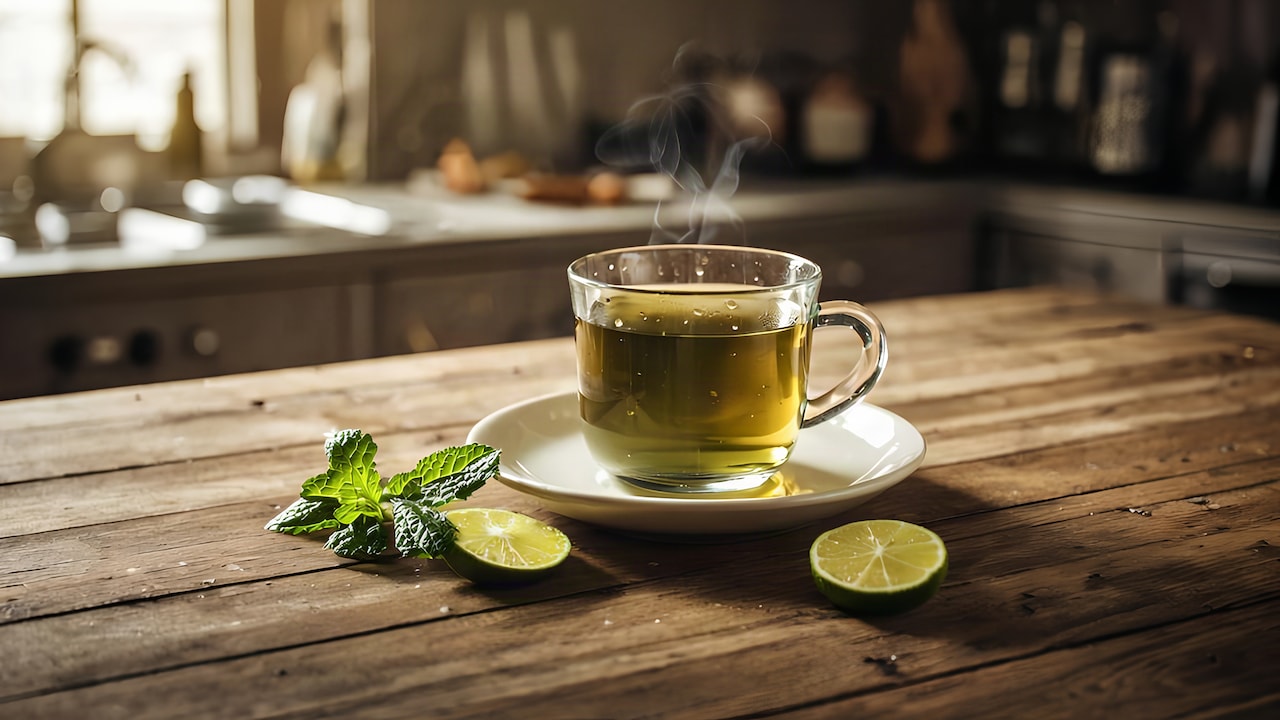
4. Girnar Food & Beverages Pvt. Ltd. Detox Green Tea
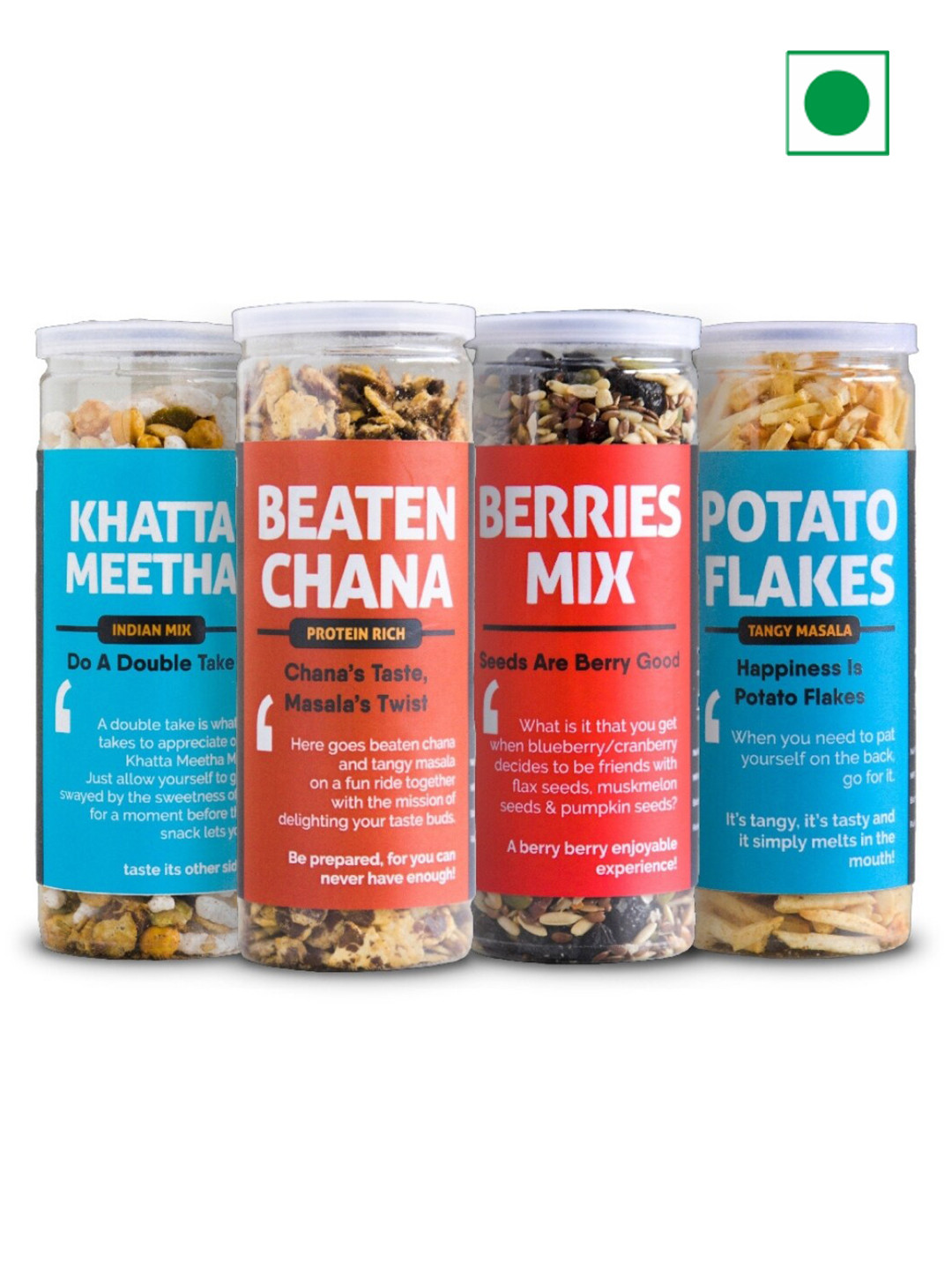
5. GreenFinity Mixed Dry Fruits Pack
6. Go Vegan Watermelon Seeds for Eating
7. Himalaya Ashwagandha
8. Farmley Roasted and Flavoured Makhana
Frequently Asked Questions (FAQs)
1. Does drinking water between meals actually help with festive bloating?
Yes, it does. Water supports digestion and helps your body process rich, salty, or oily food more efficiently. Fizzy drinks and alcohol, on the other hand, often add to bloating rather than easing it.
2. Is it okay to eat late at night during festivals?
Occasional late meals are fine. Eating heavily and then going straight to sleep regularly over several days is what causes most of the sluggish buildup. If it's a late night, keep the portion size lighter than usual.
3. Can I eat festive food every day without feeling terrible?
Yes, with some balance between days. The key is not letting every meal of every day be a heavy sitting. Lighter meals when you're at home, and more indulgent ones when you're out celebrating, keeps the overall load manageable.
4. What foods help with digestion during the festive season?
Yoghurt, fresh fruit, ginger tea, and anything fibre-rich can all help with digestion. Avoiding eating fruit immediately after a very heavy meal is also worth trying — many people find it reduces bloating.
5. How long does festive sluggishness usually last?
For most people, one or two lighter days following a big stretch of celebrations is enough to reset. Prioritising water, sleep, and simple meals speeds the process up considerably.
(Disclaimer: This article may include references to or features of products and services made available through affiliate marketing campaigns. NDTV Convergence Limited (“NDTV”) strives to maintain editorial independence while participating in such campaigns. NDTV does not assume responsibility for the performance or claims of any featured products or services.)