How To Choose A Pet Bed That Survives Scratching, Nesting And Washing
Choose a pet bed that can handle scratching, nesting, muddy paws and frequent washing. Learn which fabrics, fillings and practical features offer lasting comfort, easy cleaning and better value.
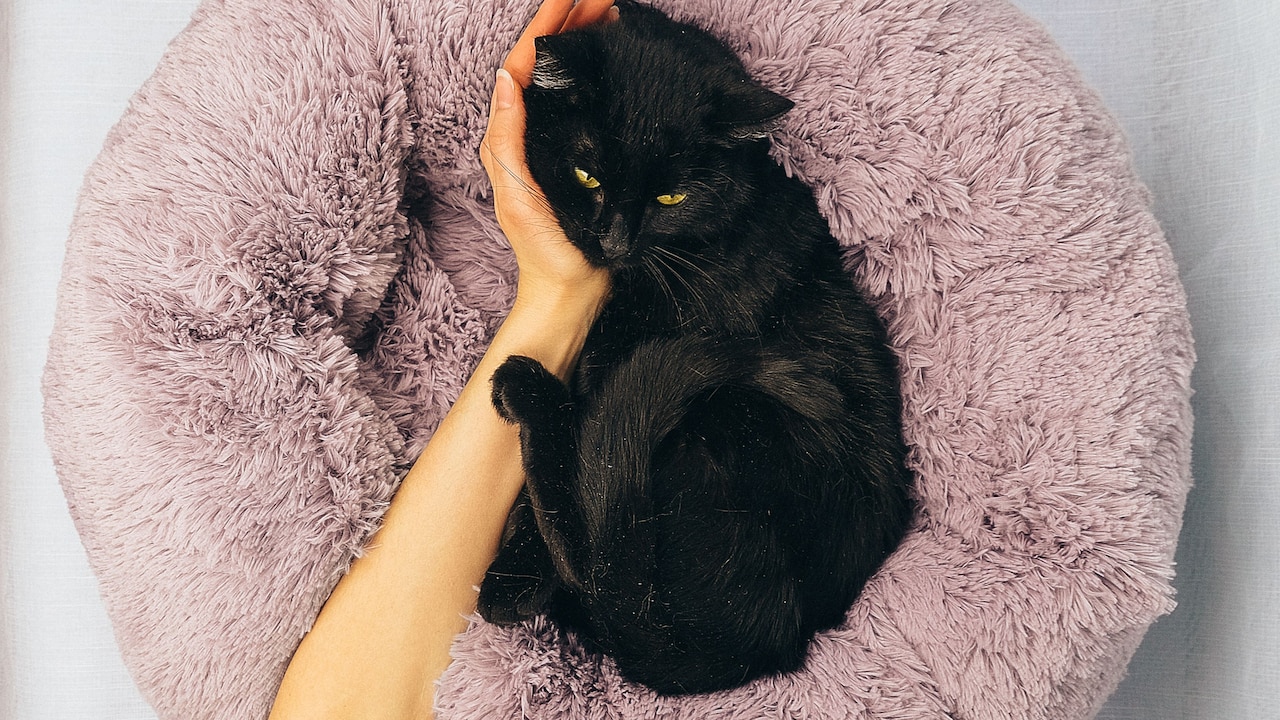
Best Pet Beds For Scratchers, Nesters And Frequent Washing
Buying a pet bed sounds simple until the household's chief comfort inspector gets involved. One dog may circle the bed six times, scratch furiously and collapse with a sigh. Another may treat it like a giant chew toy. A cat may ignore the luxurious cushion completely, only to claim it after the packaging box disappears. The challenge is not merely finding a soft bed. It is finding one that can survive claws, nesting habits, muddy paws, loose fur and frequent washing. A delicate bed may look beautiful on a product page, but torn fabric and clumped filling soon ruin the charm. Durability does not mean choosing something stiff or uncomfortable. Strong fabrics, secure stitching and practical covers can still create a cosy sleeping space. The following ten considerations will help you choose a pet bed that remains comfortable, hygienic and presentable long after the first nap.
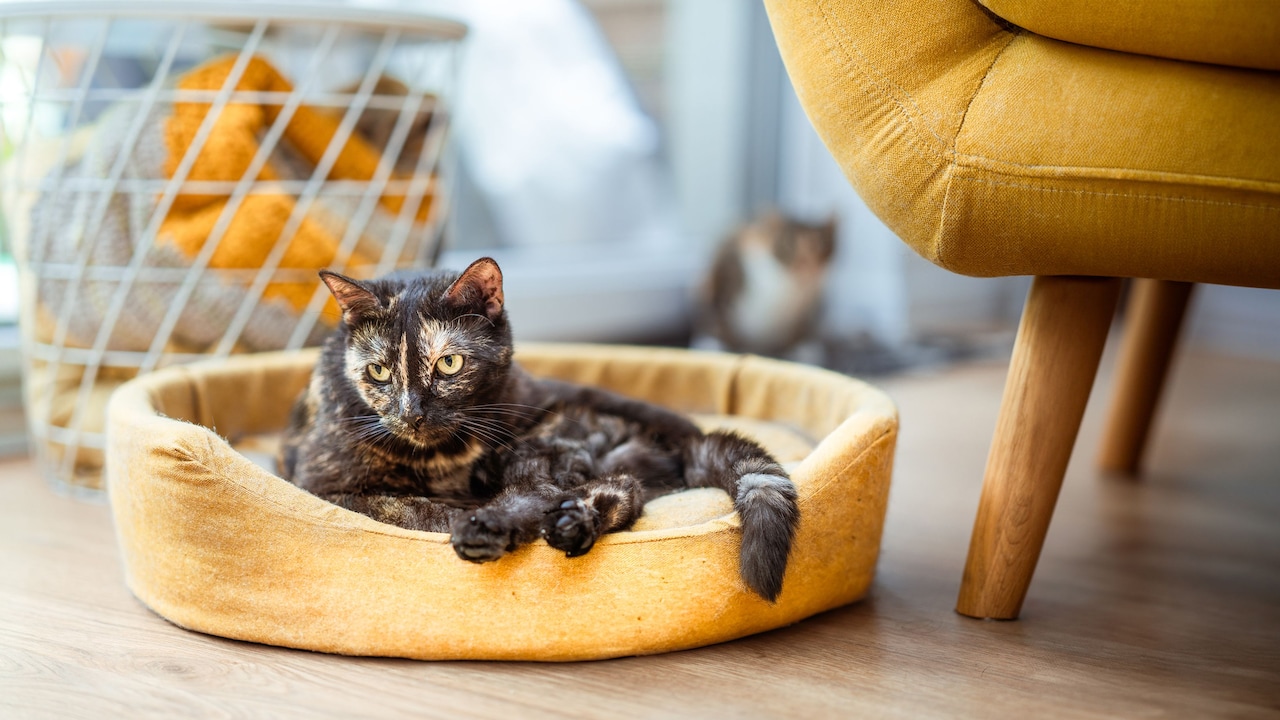
How To Choose A Pet Bed That Survives Scratching, Nesting And Washing
Photo Credit: Pexels
What To Look For In A Durable Pet Bed
Start With Your Pet's Sleeping Habits
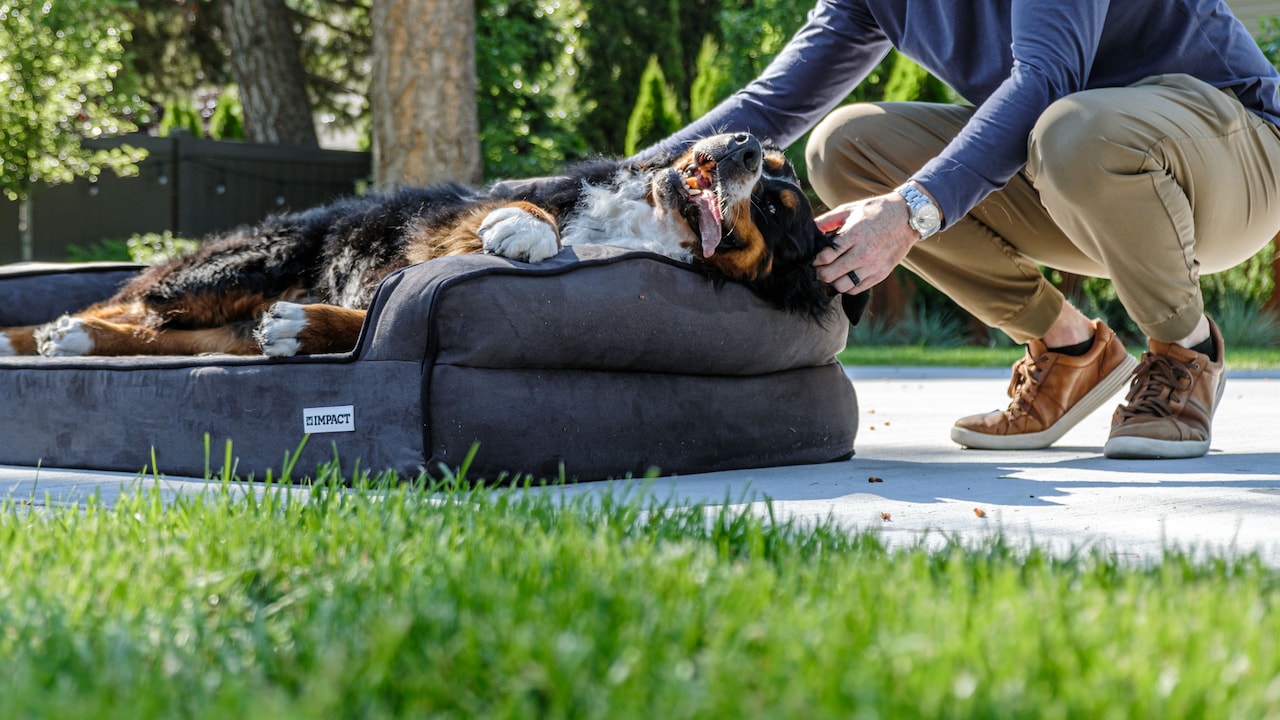
Before comparing fabrics or prices, watch how your pet settles down. Sleeping habits reveal what the bed must endure. Some dogs simply step onto a cushion and fall asleep. Others circle, dig and push the sides until everything feels exactly right. Cats may knead the surface with their claws or squeeze themselves against raised edges.
A determined nester needs a bed with strong seams, flexible padding and a surface that will not snag easily. A pet that stretches out will prefer a flat mattress, while one that curls into a tight ball may feel safer in a bolster or doughnut-shaped bed. Older pets often change positions slowly and need easy access rather than high sides.
Observation saves money because it prevents buying a bed based only on appearance. That elegant cream cushion may suit the living room, but it will not last long beneath a Labrador who digs as though buried treasure lies underneath. Choose for real behaviour, not imaginary good manners.
Choose Tough, Tightly Woven Fabric
Fabric determines how quickly scratching turns into visible damage. Loosely woven materials allow claws to catch between threads, which can cause pulls, holes and frayed patches. A tightly woven surface gives claws fewer opportunities to grip and tear.
Canvas, heavy-duty polyester, denim-style fabric and upholstery-grade materials often perform well in active households. These fabrics usually handle friction better than delicate fleece or loosely knitted covers. Ripstop fabric can also offer extra strength because its reinforced weave helps prevent small tears from spreading.
Texture still matters. A durable cover should not feel like a rough grain sack. Run a hand across the material and check whether it feels comfortable against skin. Pets spend hours resting on their beds, so toughness should never come at the cost of comfort.
Be cautious with decorative stitching, tassels and fluffy trims. They may look charming, but curious paws can turn them into a personal renovation project. Simple surfaces usually survive longer and remain easier to clean.
Inspect The Seams And Stitching
Strong fabric cannot rescue weak construction. Seams often become the first failure point because scratching, stretching and washing place constant pressure on them. Once a seam opens, filling escapes and the bed quickly loses its shape.
Look for double-stitched or reinforced seams, especially around corners and raised sides. These areas experience the most strain when pets dig, lean or jump onto the bed. Piping can strengthen the edges, but it should sit firmly against the cover without loose threads.
Turn the bed over and examine the underside. Neat, secure stitching usually indicates better workmanship than crooked seams or exposed thread ends. Zips should also sit beneath a protective flap. An uncovered zip may irritate the pet, catch fur or become an irresistible target for chewing.
A well-built bed may cost ₹500 or ₹1,000 more than a basic option, but sturdy seams can extend its usable life considerably. Paying slightly more once often feels better than discovering a trail of foam across the floor before breakfast.
Pick Filling That Recovers Its Shape
Pet beds face more pressure than ordinary cushions. Pets repeatedly step, turn, dig and drop their full weight onto the same area. Cheap stuffing can flatten within weeks, leaving a sad crater in the centre.
Dense foam usually retains its shape better than loose fibre filling. Orthopaedic or memory foam can support heavier dogs, senior pets and animals with joint discomfort. However, extremely soft foam may compress too easily, while very firm foam may feel uninviting. A balanced level of support works best for most pets.
Loose polyester fibre feels fluffy at first, but nesting can push it towards the corners. If choosing fibre filling, look for separate internal sections or stitched channels that help distribute it evenly. Beds with removable filling also make reshaping and cleaning easier.
Press the centre firmly before buying. The bed should spring back rather than remain dented. A resilient filling keeps the surface comfortable and reduces the need to shake, punch and rearrange it every evening like an overworked hotel pillow.
Prioritise A Removable, Washable Cover
A washable cover is not a luxury. It is one of the most practical features a pet bed can have. Fur, dust, drool and food crumbs settle into fabric surprisingly quickly. During the rainy season, damp paws can add mud and that unmistakable wet-dog aroma.
Choose a cover that comes off without a wrestling match. A wide zip opening makes removal easier, particularly around thick foam or bulky bolsters. Check the washing instructions before purchasing. Machine-washable fabric saves time, while hand-wash-only covers may become inconvenient after the third muddy adventure.
The material should tolerate regular washing without shrinking, fading or becoming rough. Pre-shrunk fabric and colourfast dyes can help the bed retain its original appearance. Darker shades, earthy colours and small patterns also hide everyday marks better than plain white or pale beige.
A second cover can be useful when the first one is drying. It adds to the initial cost, but it prevents your pet from claiming the sofa as temporary accommodation.
Also Read: Top 5 Affordable Fish Foods To Keep Your Aquarium Fish Healthy And Active
Check Whether The Inner Cushion Is Protected
A removable outer cover helps, but accidents and moisture can still reach the filling. Once foam absorbs urine, drool or dampness, removing the smell becomes difficult. An internal waterproof or water-resistant liner provides a valuable second layer of protection.
The best liners shield the foam without making loud crinkling sounds. Some pets dislike noisy surfaces and may avoid the bed altogether. Breathable waterproof materials offer a better balance because they block moisture while allowing heat to escape.
Check whether the liner can be wiped clean or washed separately. A fully sealed inner cover works well for puppies, senior pets and animals recovering from illness. It also helps during humid weather, when dampness can encourage unpleasant odours.
Water resistance should not replace regular cleaning. It simply prevents a small accident from becoming a permanent feature. Think of the liner as insurance for the expensive part of the bed. Replacing a cover is manageable; replacing a large foam mattress every few months is far less cheerful.
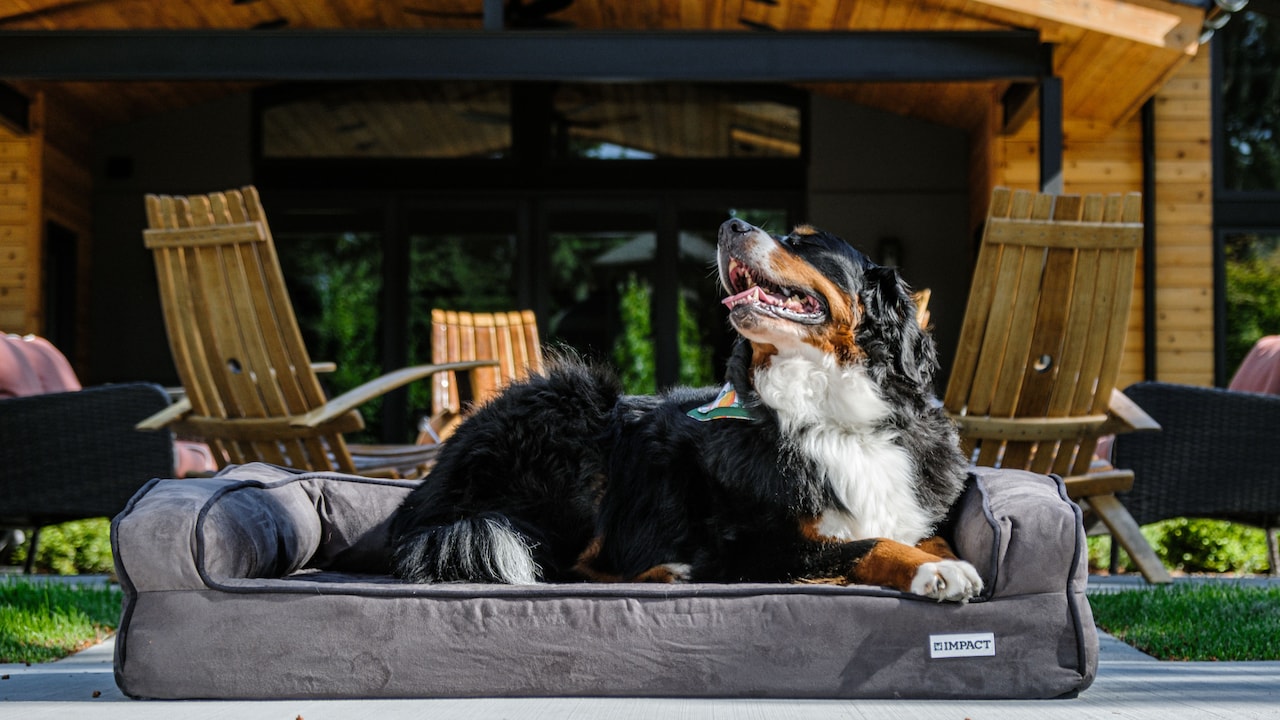
How To Choose A Pet Bed That Survives Scratching, Nesting And Washing
Photo Credit: Pexels
Match The Bed To Your Pet's Size And Weight
A bed that looks roomy in a photograph may feel cramped once your pet stretches out. Measure your pet from nose to tail while sleeping naturally, then add some extra space. For curled sleepers, measure the widest part of the body and allow room for turning.
Weight matters as much as length. A thin cushion may suit a small cat but flatten quickly beneath a 35-kilogram dog. Heavier pets need thicker, denser support and a strong base that will not sag. Raised sides should also remain firm when leaned against.
Avoid choosing an oversized bed simply because bigger seems better. Some pets feel more secure in a snug space, especially those that enjoy curling against a bolster. An enormous mattress may also take up half the room and create an unexpected obstacle during late-night walks to the kitchen.
The correct size reduces strain on the fabric because the pet fits comfortably without constantly pressing against seams. It also makes washing easier, since the cover and cushion remain manageable.
Look For A Non-Slip, Reinforced Base
Scratching and nesting can send a lightweight bed sliding across smooth flooring. This may amuse the family once, but repeated movement can make pets feel unstable and damage the underside. A non-slip base helps the bed stay in place on tiles, marble and wooden floors.
Look for rubberised dots, textured fabric or a grippy waterproof panel underneath. The base should feel substantial rather than thin and papery. Pets often push against the floor while circling or digging, so the underside receives more friction than expected.
A reinforced base also protects the filling from moisture and dust. This feature becomes particularly useful when the bed sits near a balcony, entrance or utility area. However, inspect rubber coatings carefully. Poor-quality backing may crack, peel or stick to the floor after repeated washing.
Place the bed where it does not block a walkway. Even the finest non-slip surface cannot prevent trouble when someone steps on the edge while carrying hot chai. Stability begins with both thoughtful design and sensible placement.
Avoid Designs With Tempting Chew Points
Some pet beds accidentally arrive with a built-in entertainment package. Exposed zips, loose labels, dangling cords and raised corners can invite chewing. Once a pet finds a satisfying edge, even durable fabric may not survive.
Choose a streamlined design with concealed fastenings and minimal decoration. Rounded corners are often less tempting than sharp fabric points. Bolsters should connect securely to the base rather than appearing as separate sections that can be grabbed and shaken.
For persistent chewers, no soft bed is completely indestructible. A heavy-duty mat or tightly fitted crate pad may last longer than a plush cushion. Supervision also matters, particularly with puppies that explore everything with their mouths.
Do not ignore small signs of damage. A loose thread can become a large tear after one energetic afternoon. Trim fraying fibres and repair minor openings promptly. Early maintenance takes minutes and can prevent the bed from becoming a fluffy crime scene scattered across the drawing room.
Consider Long-Term Value, Not Just Price
The cheapest bed is not always the most economical choice. A ₹900 cushion that lasts three months costs more over time than a ₹3,000 bed that remains usable for several years. Value comes from durability, comfort, washable components and the availability of replacement covers.
Examine what the price includes. A strong outer cover, waterproof liner, dense foam and reinforced stitching may justify a higher amount. Brand names alone do not guarantee quality, so compare construction rather than relying on packaging claims such as “premium” or “luxury”.
Replacement parts can extend the bed's life. Some manufacturers sell covers, liners or foam inserts separately. This allows one damaged component to be replaced without discarding the entire bed.
Consider maintenance costs too. A bulky bed that requires professional cleaning may become expensive and inconvenient. A practical machine-washable model often offers better everyday value. The ideal purchase should survive real household life, not merely look impressive until the first muddy paw arrives
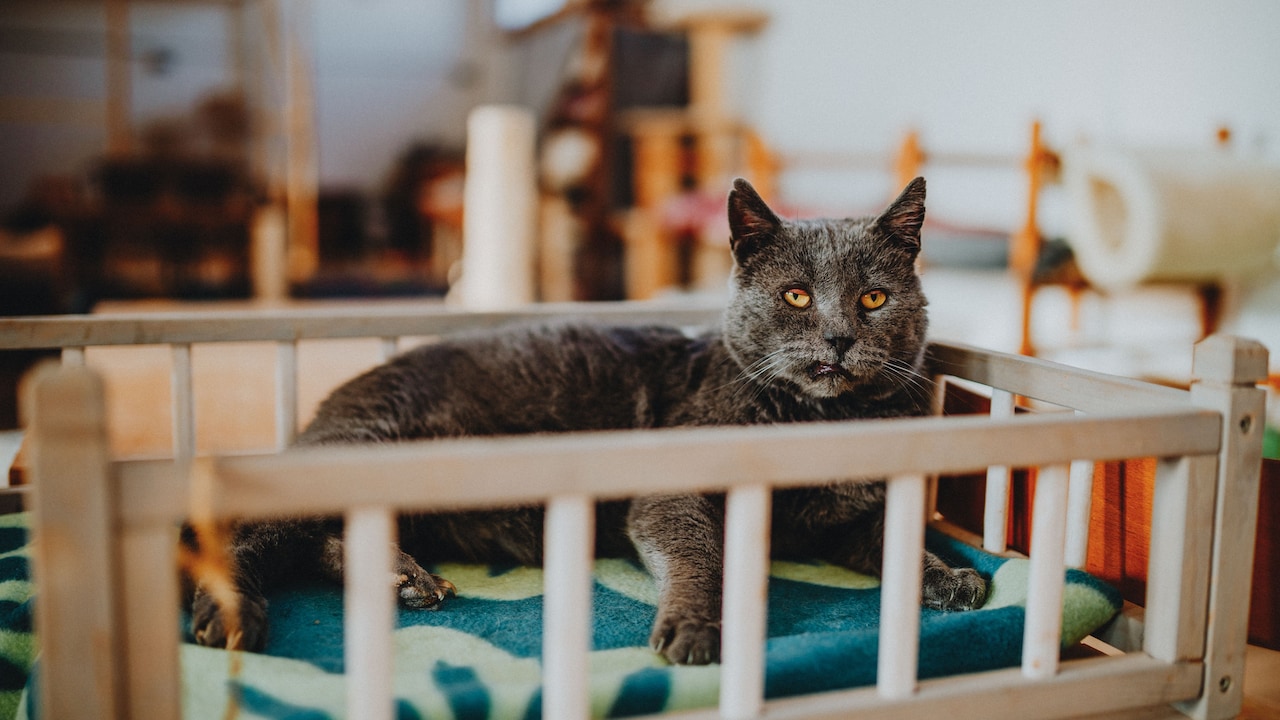
How To Choose A Pet Bed That Survives Scratching, Nesting And Washing
Photo Credit: Pexels
Products Related To This Article
1. Amazon Basics Pet Bed Cave
2. ZEXSAZONE Round Donut Pet Bed for Cats and Puppies Dogs mat
3. Luxury Calming Dog & Cat Bed Small Size
4. Amazon Basics Faux Fur Donut Pet Bed
5. AmazonBasics Small Elevated Cooling Pet Dog Cot Bed
6. Amazon Basics Premium Soft Velvet Pet Hut House
7. Amazon Basics Faux Fur Donut Pet Bed
A durable pet bed combines strong fabric, secure stitching, resilient filling and easy cleaning. It should suit the pet's size, weight and sleeping habits while resisting the daily rituals of scratching, circling, kneading and nesting.
The smartest choice is rarely the fanciest bed in the shop. It is the one designed for ordinary mess, enthusiastic paws and repeated washing. Details such as concealed zips, waterproof liners and reinforced bases may seem minor at first, yet they often decide whether a bed lasts for months or years.
Most importantly, comfort and durability should work together. A bed that survives everything but feels unpleasant will simply gather dust while the pet occupies the sofa. Choose a design that feels inviting, supports the body and stands up to real behaviour. When the right bed finally earns your pet's approval, the satisfied sigh at bedtime will make the careful selection worthwhile.
(Disclaimer: This article may include references to or features of products and services made available through affiliate marketing campaigns. NDTV Convergence Limited (“NDTV”) strives to maintain editorial independence while participating in such campaigns. NDTV does not assume responsibility for the performance or claims of any featured products or services.)