How To Use Wardrobe Fresheners And Stop Them From Making Clothes Smell Artificial
Wardrobe fresheners should make clothes smell clean, not artificial. Learn how to choose subtle scents, control moisture and keep your wardrobe naturally fresh.
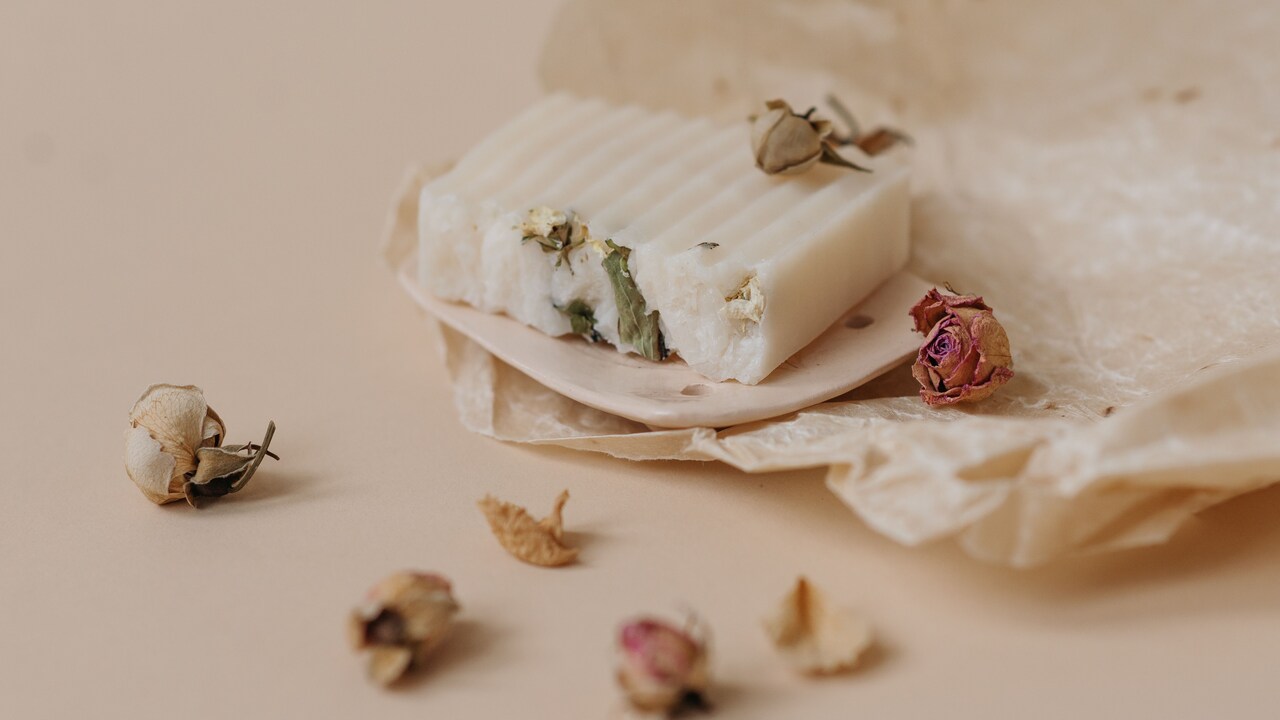
How to use wardrobe fresheners for a good smelling closet
Opening a wardrobe should feel reassuring. Clean cotton, neatly folded clothes and a faint trace of freshness can make even a rushed morning seem more manageable. Yet wardrobe fresheners often produce the opposite effect. One extra sachet or an overenthusiastic spray can leave clothes smelling artificial, heavy and strangely sweet. The problem rarely lies with fragrance alone. Closed cupboards collect moisture, dust, body oils and stale air. When a strong freshener mixes with these odours, it does not remove them. It simply covers them, creating a confusing blend that clings to fabric.
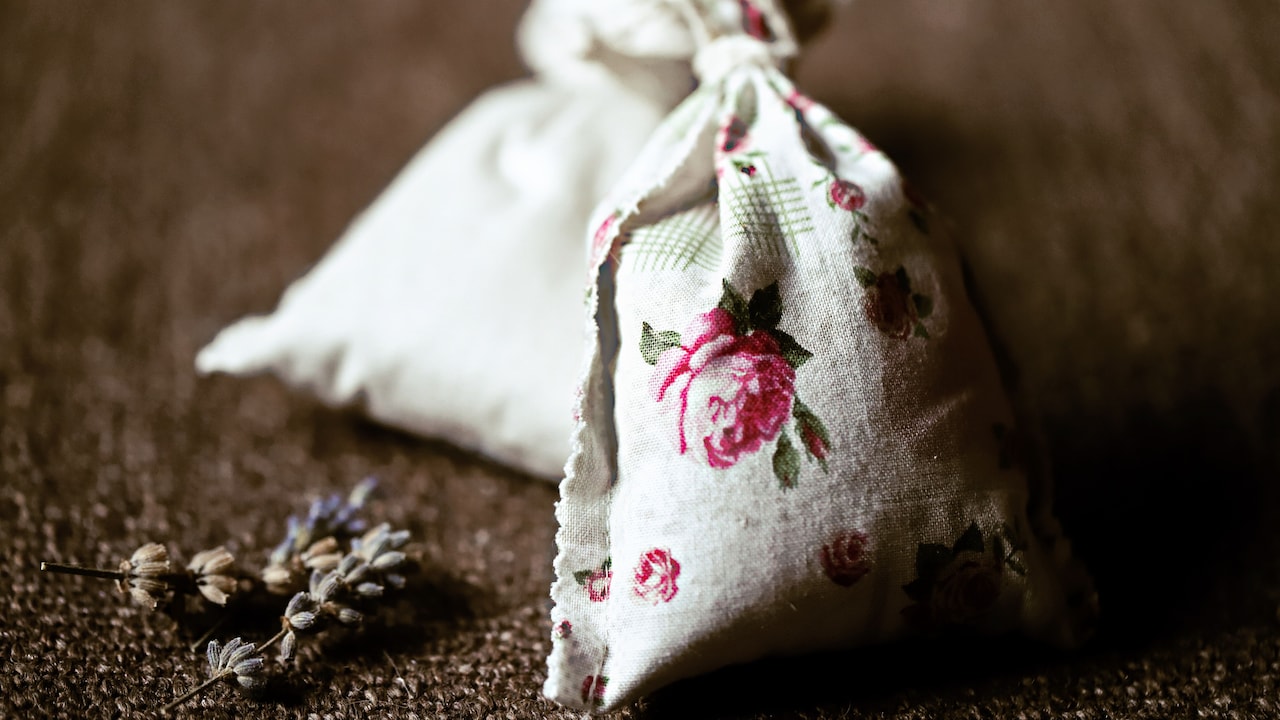
Best ways to use wardrobe fresheners to make your clothes smell good all the time
Photo Credit: Pexels
A better approach begins with balance. Wardrobe fresheners should stay in the background rather than announce themselves before the cupboard door fully opens. Their job is to support cleanliness, not imitate it.
Also Read: Patchouli Aroma Wax Bar Review For Wardrobes, Drawers And Usage Tips
From humid monsoon weeks to tightly packed festive wardrobes, different situations call for different solutions. These ten practical methods will help protect fabrics, reduce mustiness and create a subtle scent that feels natural rather than manufactured.
Simple Ways To Keep Your Wardrobe Fresh Without Overpowering Your Clothes
Clean The Wardrobe Before Adding Fragrance
A freshener cannot rescue a dirty wardrobe. It may hide unpleasant smells for a few days, but the mixture soon becomes heavier and more noticeable. Start by removing every garment, storage box and hanger. Wipe shelves, corners and drawer interiors with a slightly damp microfibre cloth. A mild solution of water and white vinegar works well for laminated surfaces, though delicate wood may require a suitable cleaner.
Allow the entire cupboard to dry before returning anything. This step matters, especially during humid weather. Even a little trapped moisture can create a stale smell that no lavender sachet can defeat.
Vacuum corners and hinges where dust gathers quietly. Check for signs of mould, insects or damp patches near the wall. A cupboard placed against a bathroom wall may absorb more moisture than expected.
Once the space smells neutral, add the freshener. Think of fragrance as the final touch after cleaning, much like applying perfume after a shower rather than before one. A clean base keeps the scent soft, clear and far less artificial.
Choose Light And Familiar Fragrances
Strong fragrances often smell artificial because they contain too many competing notes. A sachet promising rose, vanilla, musk, berries and “midnight breeze” may sound luxurious, but inside a closed wardrobe it can become overwhelming. Simpler scents usually feel more natural.
Choose fragrances already associated with clean homes and fresh fabrics. Lavender, sandalwood, cedar, vetiver, lemongrass and mild citrus notes tend to work well. They feel familiar without demanding attention. A gentle jasmine fragrance can also suit festive clothing, but use it sparingly because floral scents grow stronger in enclosed spaces.
Consider the clothes stored in each section. Cedar suits woollens and winter jackets, while fresh citrus works nicely around everyday cotton wear. Sandalwood pairs well with sarees, shawls and traditional outfits, particularly when stored for long periods.
Avoid selecting a fragrance only because it smells pleasant in a shop. Test it in a small cupboard or drawer first. Scents behave differently when trapped among fabrics. What seems delicate in open air may become remarkably dramatic after one night behind closed doors.
Use Less Than The Packaging Suggests
Wardrobe freshener packaging often encourages generous use, but cupboards rarely need the full recommended quantity. A small enclosed space concentrates fragrance quickly. Two or three products placed together can turn a pleasant scent into something resembling a heavily perfumed lift.
Begin with half the suggested amount. Place one sachet in a large wardrobe or a smaller piece in each separate compartment. Wait at least twenty-four hours before deciding whether more fragrance is necessary. Fabric absorbs scent slowly, so an immediate sniff may not reveal the final result.
For scented blocks, remove only part of the outer wrapping rather than exposing the entire surface. This reduces the release rate and helps the product last longer. When using fragrance cards, cut one into two pieces and spread them across different shelves.
Resist the temptation to keep adding fresheners when the scent seems weak. Step away from the room for a while and return later. The nose quickly becomes accustomed to familiar smells. What seems barely noticeable to one person may already feel strong to everyone else in the house.
Keep Fresheners Away From Direct Fabric Contact
Placing fresheners directly between folded clothes may seem efficient, but it often creates concentrated patches of fragrance. The top kurta may smell intensely perfumed while the rest of the stack remains untouched. Oils from certain blocks, beads or scented papers can also stain delicate fabrics.
Hang sachets from the wardrobe rail or attach them to the inside of the door. Leave enough space between the freshener and the clothes for air to circulate. For drawers, place the product inside a small breathable pouch and keep it near the back rather than pressing it against garments.
Take extra care with silk, zari work, leather, suede and embroidered outfits. These materials can absorb oils or develop marks. Wrap special garments in clean cotton or muslin covers instead of plastic, then place the freshener nearby.
A small ceramic bowl can hold dried fragrance materials safely on a shelf. However, ensure it sits securely where it cannot tip over during a hurried search for matching dupattas. Fragrance should travel gently through the wardrobe air. It should never transfer through direct, prolonged contact.
Air The Cupboard Regularly
Closed wardrobes need ventilation, even when every garment inside looks perfectly clean. Without fresh air, humidity and fabric odours build up. A wardrobe freshener then mixes with that trapped air and begins to smell heavier than intended.
Open the doors for twenty to thirty minutes every few days. Choose a dry, sunny part of the day rather than a damp evening. Keep nearby windows open to improve airflow, but avoid exposing valuable fabrics to harsh sunlight for long periods.
During the monsoon, use a fan or dehumidifier in the room. Cupboards in bedrooms with attached bathrooms may need more frequent airing. Leave a small gap between tightly packed stacks so air can move through them.
Do not overload the wardrobe. Clothes squeezed together retain moisture and prevent fragrance from spreading evenly. Removing a few rarely worn items can improve freshness more effectively than adding another scented block.
Regular ventilation also helps reveal hidden problems. A sudden musty smell may point to a damp wall, wet garment or forgotten laundry bag. Fresh air does more than soften fragrance. It stops unwanted smells from settling in the first place.
Never Store Clothes Before They Are Fully Dry
Slightly damp clothing creates one of the most stubborn wardrobe smells. The fabric may feel dry after ironing, yet moisture can remain around thick seams, waistbands and layered embroidery. Once folded and stored, that moisture produces a sour or musty odour.
Always dry clothes completely before placing them inside the wardrobe. After ironing, allow garments to cool in open air. Warm fabric releases moisture, and folding it immediately traps that moisture between layers. This small habit makes a noticeable difference.
Pay special attention to towels, denim, padded blouses, jackets and heavy festive outfits. These items take longer to dry than light cotton clothing. During humid weather, run a fan nearby or give them additional drying time indoors.
Do not spray wardrobe fragrance onto damp garments. The moisture can intensify the scent and make it cling unevenly. The result often smells less like freshness and more like floral detergent struggling through wet cloth.
When one damp item enters a packed cupboard, neighbouring clothes may absorb its odour. A few extra minutes of drying can save an entire shelf from needing another wash.
Use Natural Fresheners With Restraint
Natural ingredients can create a softer fragrance, but “natural” does not automatically mean subtle. Cloves, camphor, dried citrus peel and essential oils can become overpowering when used carelessly. They may also stain clothing or attract moisture if stored incorrectly.
Dried lavender, vetiver roots, cedar chips and sandalwood pieces work well inside breathable cotton pouches. Replace them when their fragrance fades rather than adding fresh material to the old batch. Mixing several strong ingredients often creates the same artificial effect as an intense commercial freshener.
For essential oils, place one or two drops on a wooden bead, terracotta disc or cotton pad. Keep it inside a ventilated container so it cannot touch fabric. Avoid pouring oil directly onto shelves or garment covers.
Dried neem leaves can help deter insects, though they provide more protection than perfume. Ensure every leaf feels completely dry before storing it.
Natural fresheners suit households that prefer mild scents, but they still need testing. Place a small amount in one drawer for a day. A wardrobe should carry only a whisper of fragrance, not the aroma of an entire spice box.
Match The Freshener To The Fabric
Different fabrics absorb and hold fragrance in different ways. Cotton releases scent relatively quickly, while wool, silk and synthetic materials may retain it for much longer. Using the same freshener across every section can therefore produce uneven results.
Everyday cotton shirts, kurtas and bedsheets can handle light citrus, lavender or lemongrass notes. Woollens often pair better with cedar, which offers a clean, woody aroma without excessive sweetness. Silk sarees and embroidered garments need greater care. A mild sandalwood sachet placed at a distance usually works better than sprays or oily blocks.
Synthetic gym wear and polyester clothing can trap body odours even after washing. Fragrance will not solve this problem. Wash those garments with the correct amount of detergent and dry them thoroughly before storage. Overusing fabric conditioner may also create a waxy smell that clashes with wardrobe fresheners.
Keep heavily scented garments separate from lightly scented ones. A shawl worn with strong perfume can transfer its fragrance to nearby clothing.
Treat each wardrobe section according to its contents. This small adjustment creates a cleaner, more balanced result than using one powerful product everywhere.
Rotate Scents Instead Of Layering Them
When a wardrobe freshener loses strength, adding a different scent on top may seem harmless. However, old fragrance often remains inside fabrics and wooden shelves. A new product then mixes with it, creating an unpredictable combination.
Remove the old freshener before introducing another. Air the cupboard for a day and wipe the shelf if necessary. Give clothes time to release the previous scent. This short reset prevents lavender from colliding with vanilla, sandalwood and whatever “ocean mist” was meant to smell like.
Rotate fragrance families rather than changing them randomly. Move from lavender to mild citrus, or from cedar to vetiver. Avoid jumping from a strong floral fragrance to an equally strong gourmand scent. Similar intensity does not guarantee compatibility.
Seasonal rotation can also help. Citrus and lemongrass feel lighter during hot weather, while cedar and sandalwood suit cooler months. During the monsoon, prioritise moisture control over perfume.
Fragrance fatigue can make people believe a freshener has stopped working. Often, the nose has simply become used to it. A short fragrance-free break can restore sensitivity and reduce the urge to layer multiple products.
Neutralise Odours Before Trying To Mask Them
Some wardrobes do not need more fragrance. They need an odour absorber. Baking soda, activated charcoal and moisture absorbers can reduce stale smells without adding another perfume to the mix.
Place baking soda in a small open container on a stable shelf, away from clothes and children. Activated charcoal bags offer a less messy option and can work well in shoe cabinets or wardrobes near damp walls. Follow the manufacturer's instructions for reactivating or replacing them.
Silica gel packets help manage moisture in drawers and storage boxes. Use larger wardrobe dehumidifiers carefully and empty them before the collected water reaches the marked limit. Spilt liquid can damage shelves and clothing.
Wash garments that carry sweat, smoke, food or perfume smells before storing them. Airing alone may not remove oils trapped in the fibres. Check handbags, shoes and laundry baskets stored inside the cupboard, as they often cause odours blamed on clothing.
Once the wardrobe smells neutral, introduce a mild freshener. Removing unwanted smells first allows a delicate fragrance to remain delicate. Masking them only creates a louder problem.
Refresh Clothes Before Wearing Them
Even a carefully maintained wardrobe can leave clothes with a slight stored smell. Instead of adding more freshener, give garments a few minutes of air before wearing them. Hang the chosen outfit near an open window or under a fan while getting ready.
A handheld steamer can refresh sturdy fabrics and release trapped odours. Always check care labels before steaming silk, wool or embellished garments. For everyday cotton clothing, a light mist of plain water followed by ironing may restore a clean, crisp feel.
Avoid spraying perfume directly onto stored clothes. Fragrance develops differently on fabric and may leave marks. Apply perfume to pulse points after dressing, allowing the wardrobe scent to remain subtle.
For outfits stored over several months, unfold and air them occasionally. Refold along different lines to prevent permanent creases. This works particularly well for sarees, shawls and special-occasion clothing that spends more time waiting than celebrating.
The goal is not to make garments smell freshly washed forever. Clean fabric usually has a very faint scent. A little air and movement often provide the most convincing freshness of all.
Products Related To This Article
1. IRIS Home Fragrances Set of 7 Scented Sachets | Sandal
2. Soul & Scents Vanilla Fragrance Sachet
3. Humicure Moisture Absorber Dehumidifier
4. IRIS Home Fragrance Sachets Pack of 5
5. Scentra Real Wax Wardrobe Freshener Sachets
6. Lavender Fragrance Sachets for Wardrobe
7. Humicure Moisture Absorber Dehumidifier Hanging Bags
A pleasant wardrobe does not need to smell strongly perfumed. In fact, the freshest cupboards often carry almost no obvious fragrance. They smell clean because the clothes are dry, the shelves are dust-free, and the air moves regularly.
Wardrobe fresheners work best as a finishing detail. Choose simple scents, use smaller quantities and keep them away from direct contact with fabrics. Remove old products before adding new ones, and neutralise stubborn odours instead of trying to bury them beneath flowers, fruit and musk.
Humidity, overcrowding and damp garments create more problems than a lack of perfume. Once those issues disappear, even one small sachet can keep a cupboard pleasant for weeks.
The ideal fragrance should greet the senses softly and then fade into the background. Clothes should smell ready to wear, not as though they have spent the night inside a scented candle shop. With thoughtful use, wardrobe fresheners can provide that quiet, comforting sense of cleanliness without leaving an artificial trail.
(Disclaimer: This article may include references to or features of products and services made available through affiliate marketing campaigns. NDTV Convergence Limited (“NDTV”) strives to maintain editorial independence while participating in such campaigns. NDTV does not assume responsibility for the performance or claims of any featured products or services.)