How To Keep Pets Healthy And Happy During Monsoon
Learn how to keep your pets healthy and comfortable during monsoon with tips on grooming, hygiene and nutrition to help them stay joyful through the rainy season.

How To Keep Pets Healthy And Happy During Monsoon
Monsoon brings welcome relief from the scorching summer heat, but it can also create a unique set of challenges for pet owners. Constant humidity, muddy walks, damp fur and an increased risk of skin infections, parasites and digestive issues can make this season uncomfortable for pets if extra care is not taken.

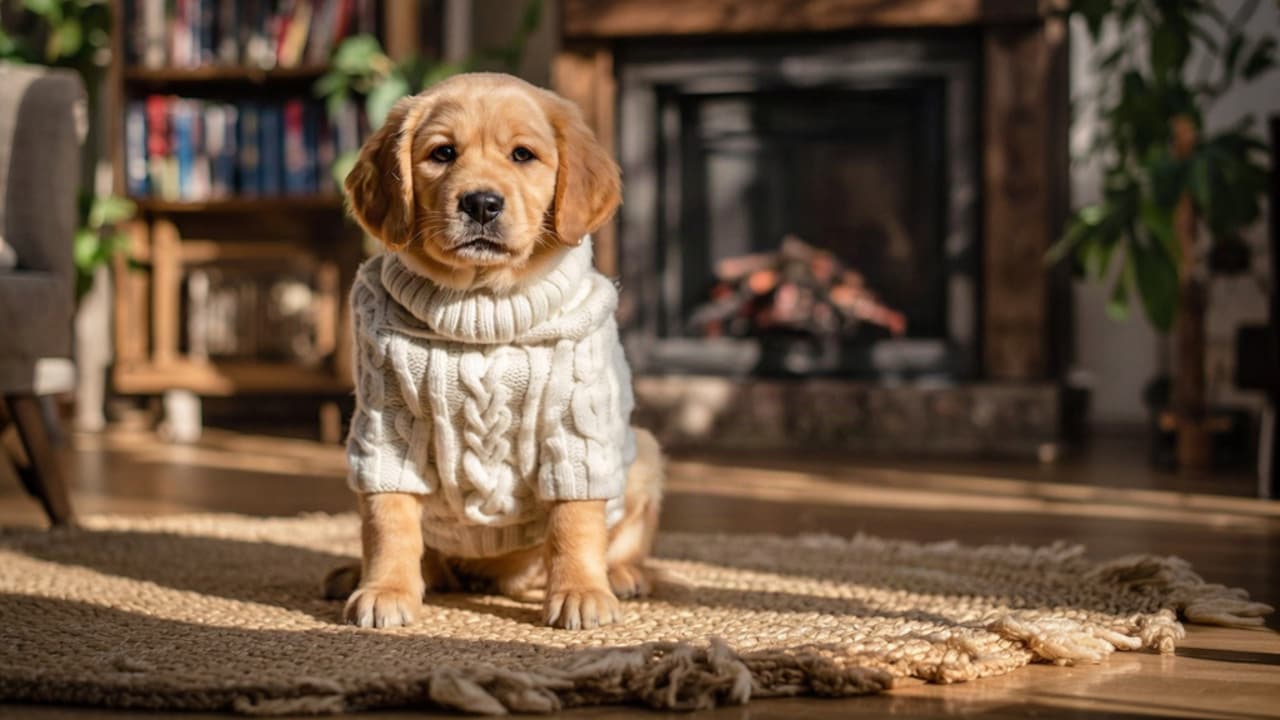
Ensure healthy, joyful pets throughout the rainy season by focusing on regular grooming and nutrition.
Photo Credit: iStock
The good news is that keeping your furry companion healthy and happy during the rains does not require drastic changes. Making a few simple adjustments to their grooming, hygiene, nutrition, and daily routine can significantly help prevent common monsoon-related problems and keep them comfortable, active, and healthy throughout the season.
Why Pets Need Extra Care During Monsoon
All that moisture in the air and on the ground creates conditions where infections, parasites and skin problems take hold far more easily than they would in drier weather.
Step 1: Prevent Seasonal Health Problems
The risk of fungal infections, ticks, fleas and stomach issues goes up noticeably during monsoon. Preventing issues early is much easier than dealing with the consequences once they arise.
Step 2: Maintain Comfort And Well-Being
Wet fur, muddy paws and more time indoors can leave pets unsettled. A little extra attention to the small things each day can make a significant difference.
Keep Your Pet Clean And Dry
You can't be casual about hygiene during the monsoon, especially when the damp lasts for weeks.
Step 1: Dry Them Properly After Walks
Every time your pet comes back from a walk, dry off their paws, belly and coat before they settle in. Moisture sitting in fur is one of the most common causes of skin irritation during the rainy season and it is completely avoidable.
Step 2: Pay Attention To Paw Care
Mud and dirty water collect between paw pads more than you would think. Clean paws regularly and you will save your pet a lot of discomfort and yourself a lot of worry.
Focus On Grooming
Grooming during monsoon is about more than appearances. It plays an important role in keeping pets comfortable, healthy and free from many common seasonal skin problems.
Step 1: Brush Their Coat Regularly
Regular brushing removes loose fur, lets air reach the skin and gives you a proper look at what is going on. It is one of the easiest ways to catch a skin problem early.
Step 2: Avoid Excessively Long Fur
For longer-coated breeds, keeping things trimmed during the monsoon makes everything easier. It dries faster, mats less and is simpler to check after a wet walk.
Protect Against Ticks And Fleas
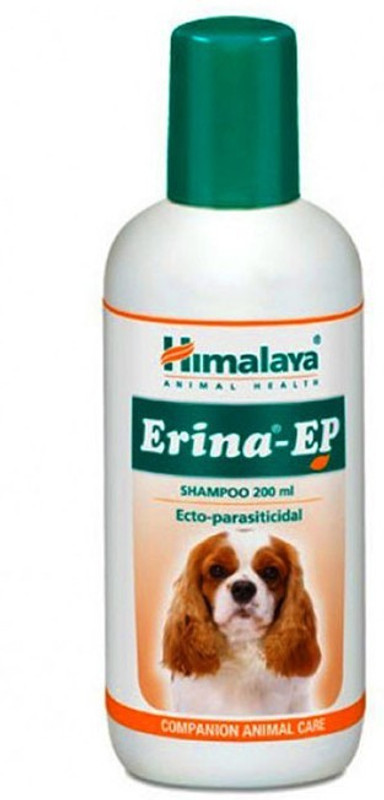
The monsoon creates the ideal conditions for ticks, fleas and other parasites to thrive, making preventive care important.
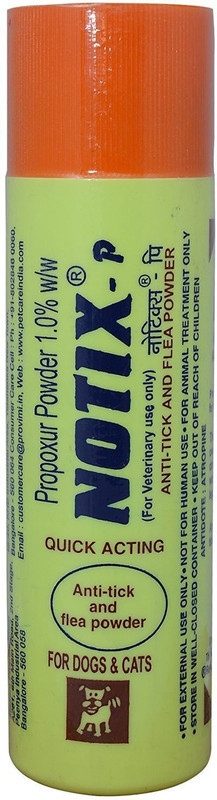
Step 1: Use Preventive Treatments
Talk to your vet about the right prevention for your pet. Do not wait until you spot something because by then it is already a problem.
Step 2: Check Your Pet Frequently
After every walk, go through their coat, ears and paws. Catching something early is always easier than dealing with it once it has taken hold.
Support Their Immune System With Good Nutrition
Good nutrition helps pets stay healthy, active and better prepared to deal with common monsoon-related illnesses.
Step 1: Provide Fresh Food And Water
Humidity makes food spoil faster than usual. Keep meals fresh and water bowls clean and topped up. Small habits that matter more than they seem.
Step 2: Avoid Overfeeding Treats
More time indoors often means more treats being handed out. Keeping their diet balanced helps maintain a healthy weight and keeps digestion where it should be.
Keep Their Living Space Clean
A clean and dry living space can help keep your pet comfortable and reduce the risk of infections during monsoon.
Step 1: Wash Bedding Regularly
Damp and warmth together are precisely what bacteria and fungi need. Washing and properly drying bedding keeps their space genuinely clean.
Step 2: Improve Ventilation Indoors
Open windows when you can. Fresh air moving through the house brings moisture levels down, which is better for your pet and everyone else at home.
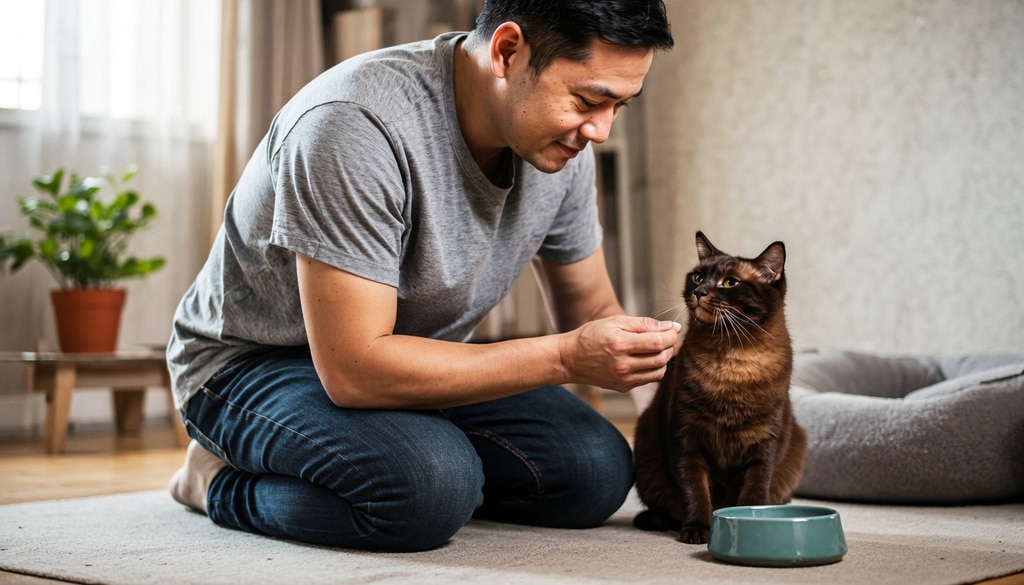
Protect your pet's health this monsoon using essential hygiene practices and balanced, immune-boosting nutrition.
Photo Credit: iStock
Common Monsoon Pet Care Mistakes
Some common mistakes during the monsoon can affect your pet's health and comfort without you even realising it.
Step 1: Do Not Leave Pets Wet For Long
Damp fur sitting too long is one of the quickest routes to skin infections. Dry them off properly every time.
Step 2: Avoid Walking Through Dirty Water
Puddles can carry bacteria, chemicals and parasites. Stick to cleaner routes wherever possible.
Signs Your Pet May Need Veterinary Attention
Knowing the warning signs can help you get your pet the care they need before a small problem becomes a bigger one.
Step 1: Watch For Skin Changes
Persistent scratching, redness, hair loss or a new smell are all signs something needs attention. Do not leave it too long.
Step 2: Monitor Appetite And Energy Levels
If your pet goes quiet, stops eating or behaves differently from usual, call your vet. These are often the first signs that something is not right.
Some Monsoon Pet Care Essentials You Might Like
1. Petkin Quick Wipes For Dogs And Cats
2. The Pet Parents Anti-Tick & Flea Spray for Dogs & Cats
3. Softspun Microfiber Pet Towel
4. CozyPaws Waterproof Dog Mat Bed
5. Beemoony Pet Water Fountain
6. Blutails Pet Grooming Brush
7. Lana Paws Dog Raincoat
8. Foodie Puppies Pet Puzzle Toy Dispenser
In conclusion, keeping your pets healthy and happy during the monsoon requires extra care, hygiene, and attention to their comfort. With increased humidity, muddy surroundings, and a higher risk of infections, it's important to maintain a clean environment, ensure proper grooming, and provide a well-balanced diet to boost their immunity. Regularly drying their fur, keeping their paws clean, and ensuring they have a dry, cozy resting space can make a significant difference. By staying proactive and attentive, you can help your furry companions enjoy the rainy season safely and comfortably.
Frequently Asked Questions (FAQs)
1. How often should I clean my pet's paws during monsoon?
After every outdoor walk. Mud, dirt and bacteria collect quickly and the extra minute it takes is genuinely worth it.
2. Are pets more likely to get infections during monsoon?
Yes. Humidity and damp conditions create exactly the kind of environment where skin infections, fungal issues and parasites thrive on your pets.
3. Can pets exercise indoors during rainy weather?
Absolutely. Indoor games, training and interactive toys keep pets active and stimulated even when going outside is not an option.
4. Should I bathe my pet more often during monsoon?
Not necessarily. Overbathing can irritate the skin. Focus on keeping your pet dry and clean between baths and follow your vet's advice.
5. How do I know if my pet has a skin infection?
Excessive scratching, redness, flaky skin, hair loss or unusual smells are all things to watch for. If any of these symptoms persist, consult your veterinarian promptly.
(Disclaimer: This article may include references to or features of products and services made available through affiliate marketing campaigns. NDTV Convergence Limited (“NDTV”) strives to maintain editorial independence while participating in such campaigns. NDTV does not assume responsibility for the performance or claims of any featured products or services.)