How To Prepare Your Dog For A Long Road Trip
Taking your dog on a long road trip? Here's how to get them ready, keep them safe in the car and what to pack, plus 8 dog travel essentials on Amazon.
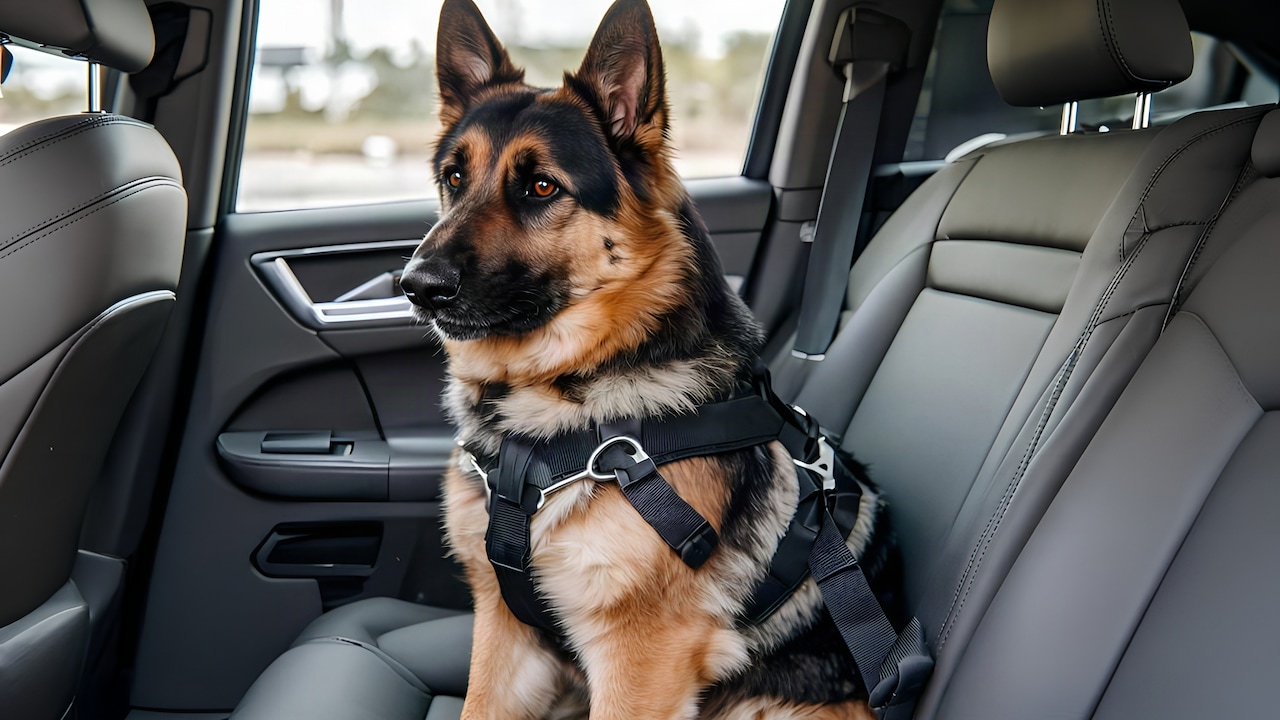
How To Prepare Your Dog For A Long Road Trip
The bags are packed, the car is full, and your dog is already sitting by the door. For them, a car ride usually means the vet, so they're a bit unsure. An hour into the highway, they're panting, pacing on the back seat, and you're searching for a place to stop. Most people don't plan much for the dog on a road trip. They just put them in the back and hope it goes well. Amazon has seat covers, harnesses, water bottles, and other simple things that make the drive a lot easier. Getting a dog ready for a long drive doesn't take much. A few practice rides, a safe spot in the car, and the right things packed make most of the difference. Below, we cover why long drives are hard on dogs, how to prepare in the week before, and what to carry. 8 dog travel picks from Amazon are at the bottom.
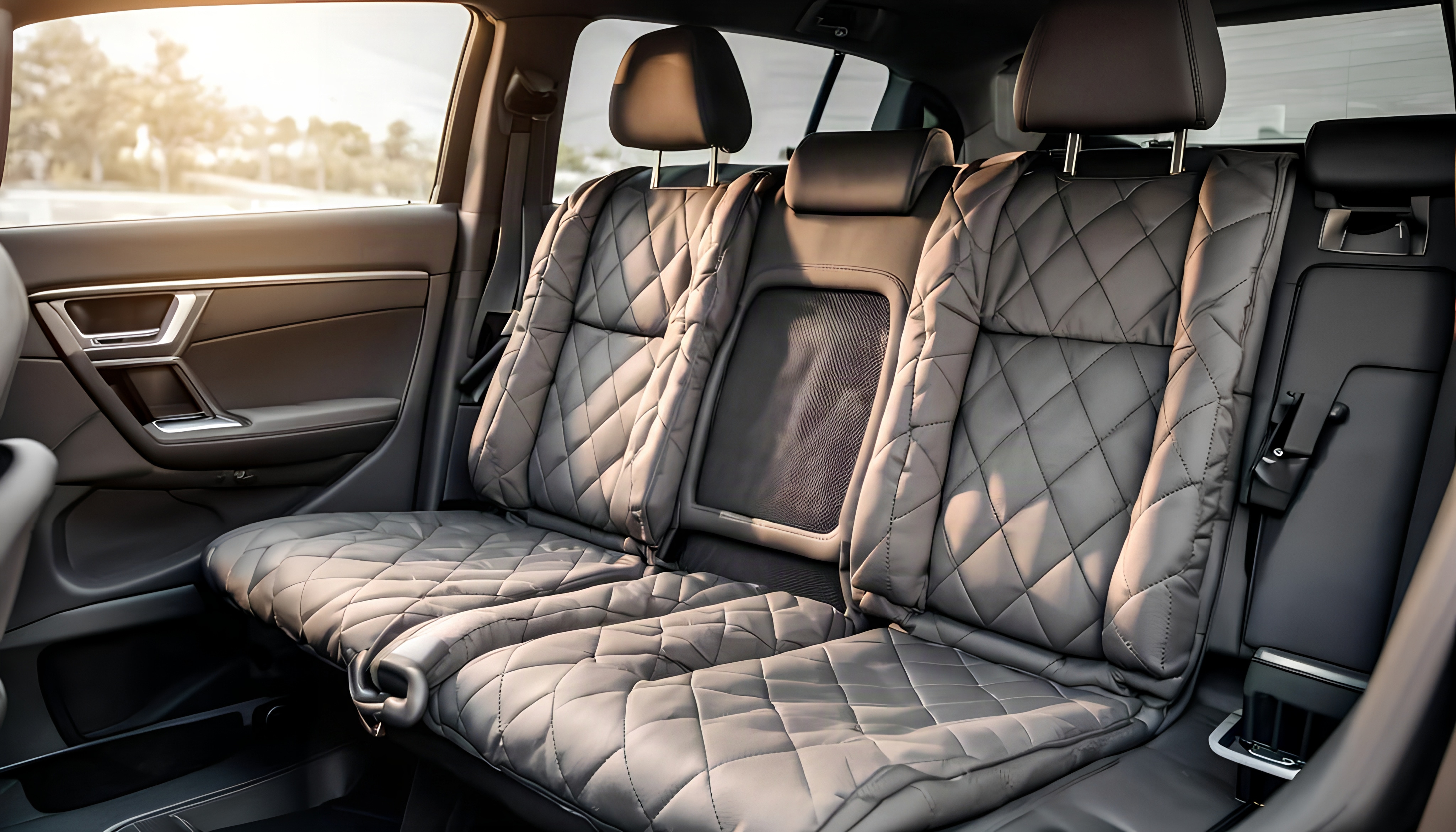
Why A Long Road Trip Is Hard On Dogs; Photo Credit: iStock
Why A Long Road Trip Is Hard On Dogs
Dogs don't know where the car is going. Many only get in the car for vet visits, so they link it with stress. The movement, the engine noise and the smells all add up.
Some dogs also get car sick. You'll notice drooling, yawning a lot or not settling down. Puppies get it more often, and many grow out of it. Feeling sick in the car can also make them nervous about the next trip.
Heat is the other big problem. Cars warm up quickly, especially on summer afternoon stretches. Dogs can't cool down by sweating the way we do, so they overheat faster.
Is Putting Your Dog In The Back Seat Enough?
Not really; a loose dog on the back seat can get thrown forward if you brake hard. They can also jump into the front and distract you. Letting them hang their head out of the window isn't safe either, because of dust and small stones.
The safer option is a harness clipped to a seat belt or a crate that's strapped in. Your dog stays in one place and still has room to sit or lie down.
How To Get Your Dog Ready Before The Trip
Start these preparations about a week before you leave. Small, regular steps work better than doing everything the night before.
1. Start With Short Practice Drives
Take your dog on a few short drives first, around 15 to 20 minutes. End each one somewhere fun, like a park, so the car means something good. A few treats in the car help too.
Slowly make the drives longer. By the end of the week, most dogs settle down much faster once the car starts moving.
2. Book A Quick Vet Check
Visit the vet a few days before the trip. Make sure vaccinations are up to date and carry a copy of the records. Also save the number of a vet near where you're going.
If your dog gets car sick, ask the vet about medicine for travel. Don't give any human medicine without checking first.
3. Keep Meals Light On Travel Day
Give a small meal three to four hours before you leave. A full stomach in a moving car is more likely to cause vomiting.
Keep water available through the drive, though. Offer small amounts at every stop instead of a big bowl at once.
4. Set Up A Safe Spot In The Car
Put a seat cover or a blanket on the back seat, along with something that smells like home. An old towel or their bed works well. A familiar toy keeps them busy on long stretches.
Clip the harness to a seat belt or set the crate up the day before. Let your dog sniff around the car while it's parked so it feels familiar.
What Should Actually Decide What You Pack
Every trip is a bit different. These four things will help you decide what you actually need for your dog.
1. Your Dog's Size
Small dogs are often safer in a soft carrier or a booster seat. Medium and large dogs do better with a harness and seat belt or a proper crate in the back. Check the size chart before ordering anything. A snug fit matters more than looks.
2. The Weather On The Route
In summer, plan stops in the shade and avoid driving during the hottest hours, if you can. Carry extra water. In winter, a light blanket helps on cold mornings. Never leave your dog alone in a parked car, even with the windows down.
3. How Long The Drive Is
For drives over three or four hours, stop every two to three hours. Let your dog drink, walk around and go to the toilet. Keep them on a leash at highway stops, since traffic moves fast.
4. Where You're Staying
Check that the hotel or homestay allows pets before you book. Carry their bed, a bowl and some of their usual food. Changing food on a trip can upset their stomach. Pack a small first-aid kit as well.
So, How Do You Prepare Your Dog For A Long Road Trip?
Start with short practice drives a week before, and get a quick vet check. Keep the meal light on travel day and make a safe spot in the car with a seat cover and harness.
Stop every two to three hours for water and a walk, and never leave your dog alone in a parked car. Pack their bed, food, bowl and poop bags. The 8 Amazon picks below cover the basics for the drive.
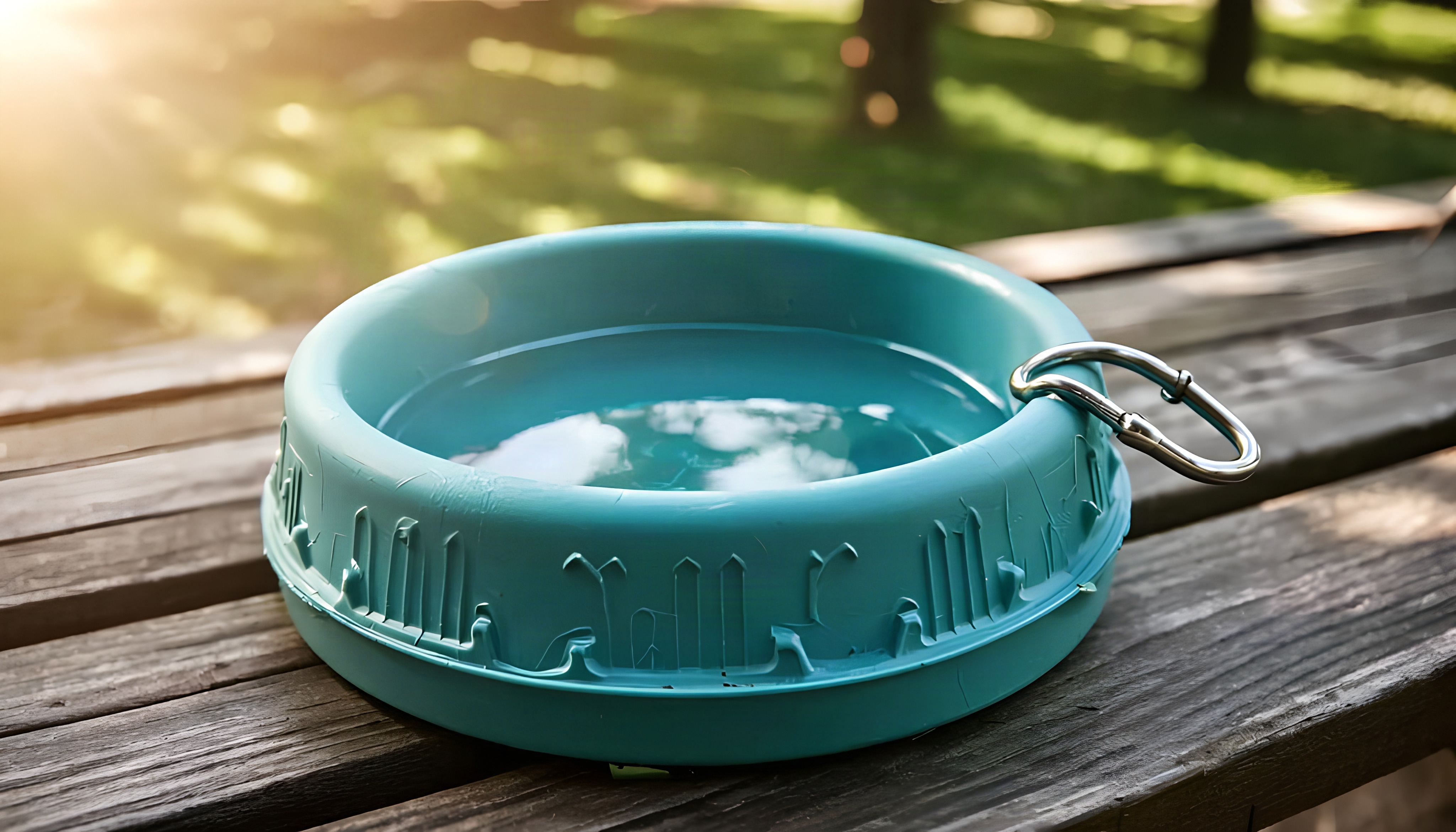
Some Products You May Like; Photo Credit: iStock
Some Products You May Like
1. URPOWER 4-in-1 Convertible Dog Car Seat Cover
2. WapaW 3-in-1 Dog Car Seat Belt and Short Leash
3. HANK No-Pull Reflective Dog Harness
4. Feporen Elevated Dog Car Booster Seat
5. KIKA Pets SPRINGFRAME Soft-Sided Pet Travel Carrier
6. Amazon Basics Pet Bowl Cap Water Bottle
7. Foodie Puppies Foldable Silicone Pet Bowl
8. Earth Rated Dog Poop Bag Holder with Bags
Preparing your dog for a long road trip takes planning, patience, and care. Pack food, water, toys, and medicines, take regular breaks, and keep your dog safe and comfortable. With short practice drives, proper training, and lots of love, your furry friend can enjoy a happy, stress-free journey with you. Shop now on Amazon.
Frequently Asked Questions (FAQs)
1. How often should I stop on a long drive with my dog?
Every two to three hours. Let your dog drink some water, stretch, and go to the toilet before you get back on the road.
2. Should I feed my dog before a road trip?
Give a small meal three to four hours before you leave. A full stomach in a moving car can lead to car sickness.
3. Where should my dog sit in the car?
On the back seat with a harness clipped to a seat belt, or in a strapped-in crate. Keep them out of the front seat.
4. What can I do if my dog gets car sick?
Start with short practice drives and keep meals light. If it doesn't improve, ask your vet about travel medicine.
5. Can I leave my dog in the car for a few minutes?
No. Cars heat up very quickly, even with the windows open. Take your dog with you or have someone stay with them.
(Disclaimer: This article may include references to or features of products and services made available through affiliate marketing campaigns. NDTV Convergence Limited (“NDTV”) strives to maintain editorial independence while participating in such campaigns. NDTV does not assume responsibility for the performance or claims of any featured products or services.)