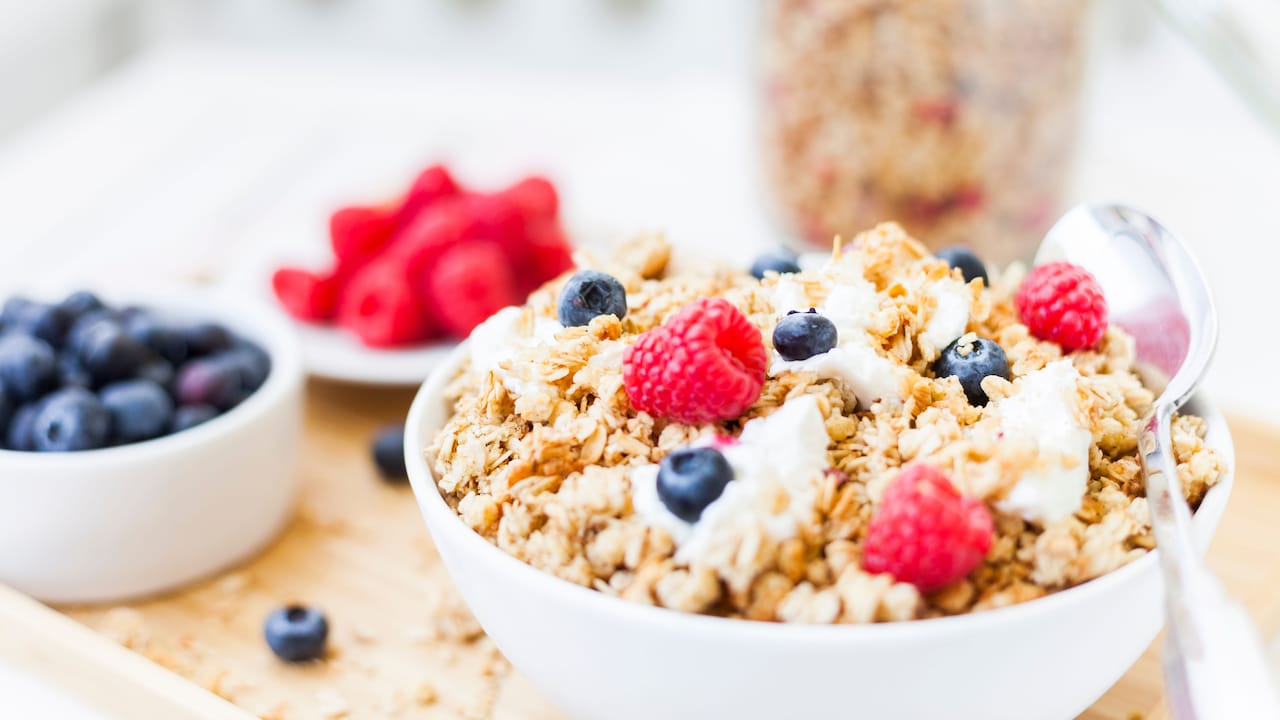
What Kitchen Swaps Help Manage Blood Sugar At Home
Know simple kitchen swaps that may help manage blood sugar at home with healthier alternatives to refined grains, sugary drinks, snacks and cooking ingredients.
What Kitchen Swaps Help Manage Blood Sugar At Home
You don't have to completely change your daily eating habits to get your blood sugar under control; small changes to your everyday kitchen staples can help you create more balanced meals and improve your blood glucose control. Little changes to your diet, like incorporating whole grains instead of refined grains or healthier cooking methods, can add up over time. For those living with diabetes, or striving to keep their blood glucose levels healthier, everyday choices like breakfast cereals, cooking oils, beverages and snacks are worth attention.
Which Everyday Kitchen Swaps Can Help Manage Blood Sugar?
Photo Credit: iStock
But even healthier food choices demand reasonable portion sizes, because carbohydrates from natural, whole foods can affect blood sugar. Here are some easy kitchen swaps that can make everyday meals more blood-sugar-friendly without sacrificing taste or convenience.
Which Everyday Kitchen Swaps Can Help Manage Blood Sugar?
1. Swap Out White Rice For High-Fibre Grain Alternatives
White rice is a staple in Indian meals, but refined grains have less fibre than whole grains, and brown rice, hand-pounded rice, barley and millets such as jowar, bajra and ragi add variety and fibre to everyday meals.
2: Use Whole Wheat Atta Instead Of Refined Maida
Refined flour is used in white bread, naan, biscuits, noodles and many of our daily foods. You can swap out some of these options for whole-wheat versions to boost your fibre intake and make your meals a bit healthier.
3: Switch Out Sugary Tea And Coffee For Unsweetened Versions
A few teaspoons of added sugar in a morning cup of tea or coffee can add up to more added sugar you consume during the day. A good kitchen swap is to slowly decrease the amount of sugar in normal drinks.
4: Eat Whole Fruits Instead Of Drinking Fruit Juice
Fresh fruit juice may seem healthier than packaged sugary drinks, but juicing removes much of the fibre found in whole fruit and makes it easier to consume several servings quickly.
Instead, choose whole fruits such as apples, guavas, oranges, pears and berries in appropriate portions, and pairing fruit with a small serving of nuts or plain yoghurt can also make a snack more balanced.
5: Replace Packaged Snacks With Nuts And Roasted Chana
Biscuits, namkeen, fried snacks and packaged crackers can contain refined carbohydrates, added sugar, salt or unhealthy fats, and keeping healthier snack ingredients readily available can make everyday choices easier.
Alternatives that work well in practice are roasted chana, unsalted almonds, walnuts, pumpkin seeds and peanuts. Plain yoghurt with cucumber or homemade vegetable sticks with hummus can also add a bit of variety.
6: Try Healthier Cooking Methods Instead Of Deep Frying
Deep-fried snacks and processed foods add excess calories and saturated fat to the daily diet. You can improve the balance of your meals by swapping out frequent deep-frying for steaming, boiling, grilling, baking or light sauteing.
For instance, homemade steamed dhokla, grilled paneer, vegetable chilla and lightly cooked vegetable preparations can replace frequently consumed fried snacks. Use cooking oil in measured quantities instead of adding it freely.
What Should A Blood-Sugar-Friendly Kitchen Include?
1: Keep Fresh And Frozen Vegetables Available
Having vegetables like spinach, cauliflower, cabbage, cucumber, broccoli, beans, carrots and capsicum stocked makes it easier to make balanced meals, and non-starchy vegetables are a source of fibre, vitamins and minerals and can add variety to everyday cooking.
2: Include Protein-Rich Ingredients In Your Everyday Meals
Protein can help you feel satisfied with your meals and help you develop a balanced eating pattern. Eggs, fish, chicken, tofu, paneer, plain curd, lentils and chickpeas are useful things to have at home.
3: Read The Labels On Packaged Ingredients Before You Buy Them
Packaged foods can contain added sugars under many different names, such as sucrose, glucose syrup, honey and corn syrup. It is useful to read the nutrition label to identify products with lower added sugar and higher fibre.
Also Read: Pet Food 101: Your Guide to a Healthy, Balanced Diet From Drools, Whiskas, Pedigree To PUREPET
Which Habits To Avoid In The Kitchen?
1: Relying On Artificial Sweeteners Without Reading Labels
Sugar-free does not mean no carbs or no calories. Packaged foods may also contain starches and other ingredients that affect blood glucose. It's more helpful to read the full nutrition label rather than trusting the claims on the front of the pack.
2: Skipping Meals To Manage Blood Sugar
Skipping breakfast or delaying meals is not a good way to manage blood glucose. It may also raise the risk of low blood sugar in people taking insulin or certain diabetes medicines, and the meal schedule should be regular as advised by the healthcare professional.
3: Thinking Natural Sweeteners Are Always Better
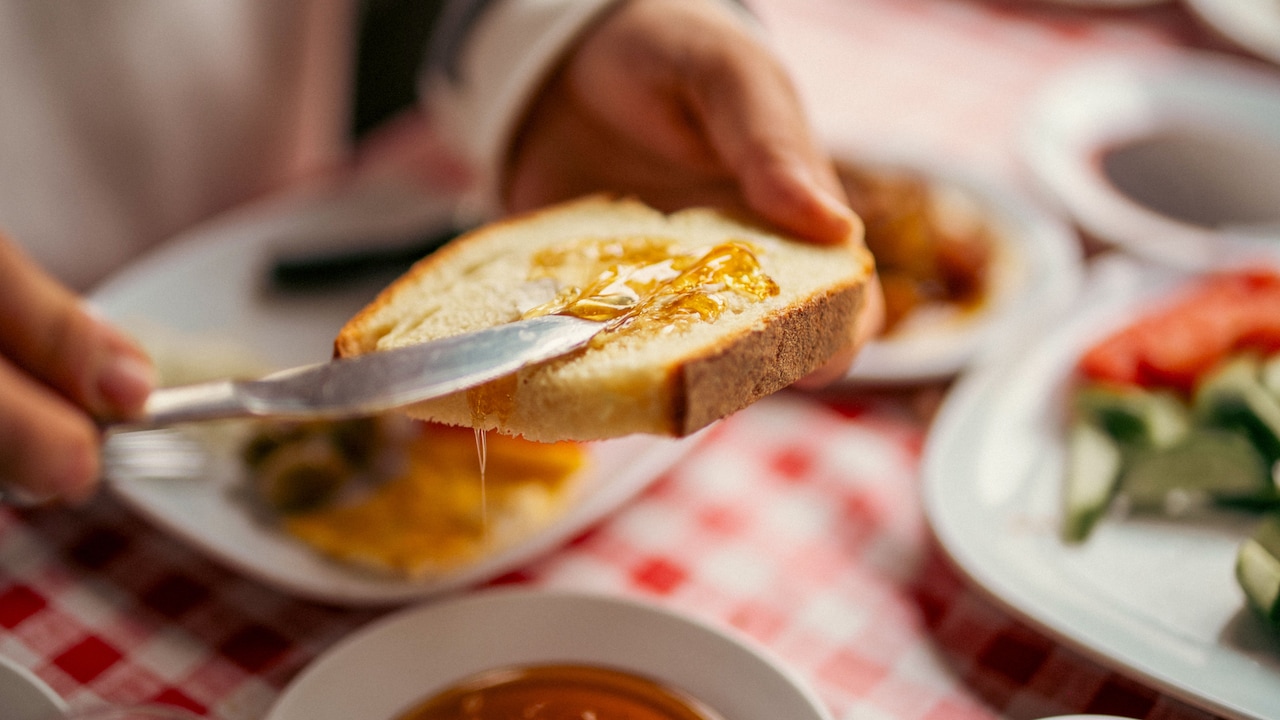
Honey, jaggery, maple syrup and coconut sugar are often marketed as healthier than regular sugar, but they still contain sugars and carbohydrates that can cause blood glucose to rise. It makes more sense to cut down on the total amount of sweetener you add.
Products To Consider From
Photo Credit: iStock
Products To Consider From
1. Vistevia Sugar Free Jam
2. Entisi Store Sugar-Free Dark Chocolate Bar
3. Diabexy Almond Cookies for Sugar Control
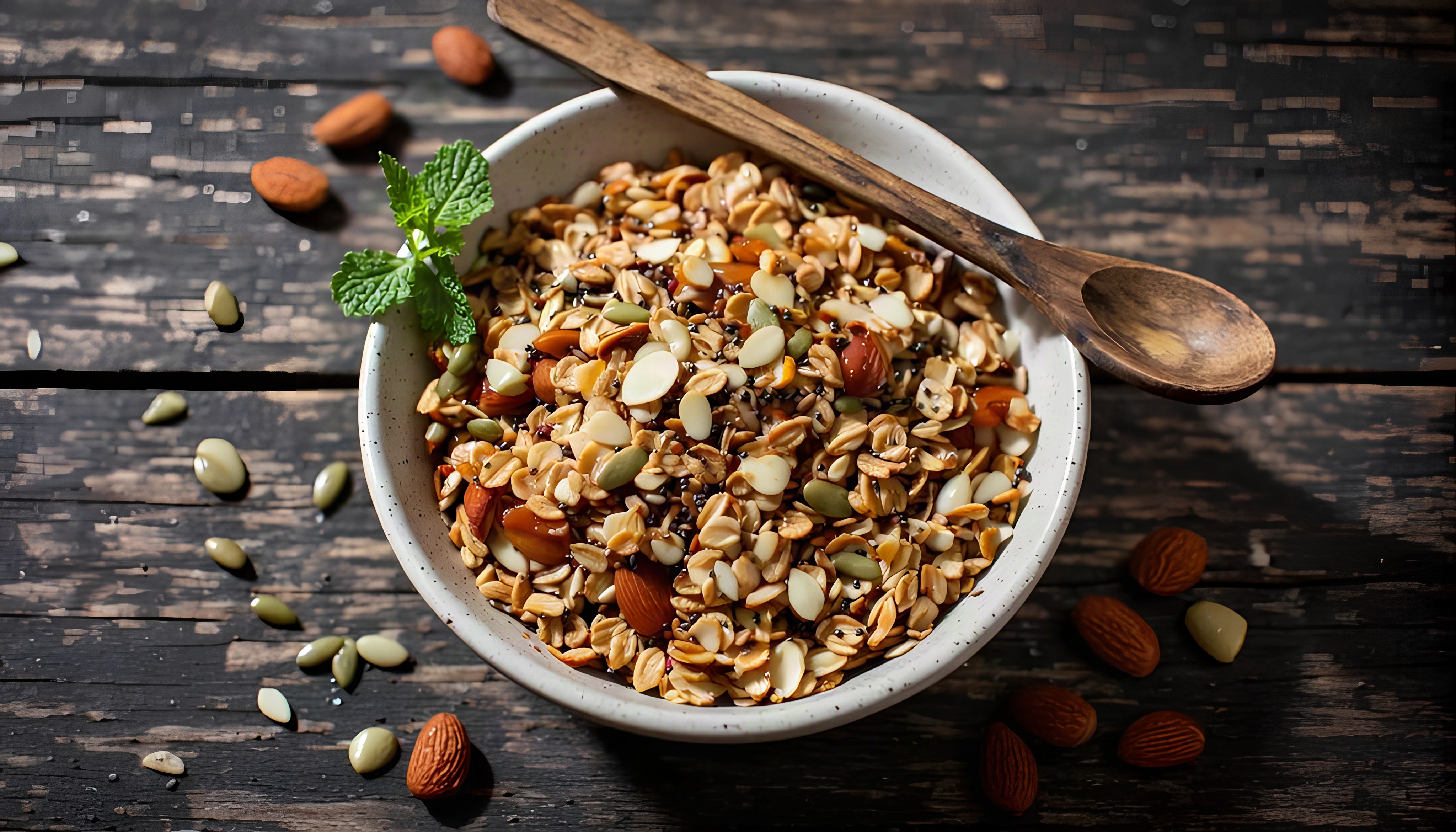
4. The Cinnamon Kitchen Sugar-Free Almond & Seed Granola
5. Sugar Watchers Low GI 7-Grain Atta
6. DAYLON HEALTH CARE Diabetic Care Protein Powder
7. Clever Stevia Sugar
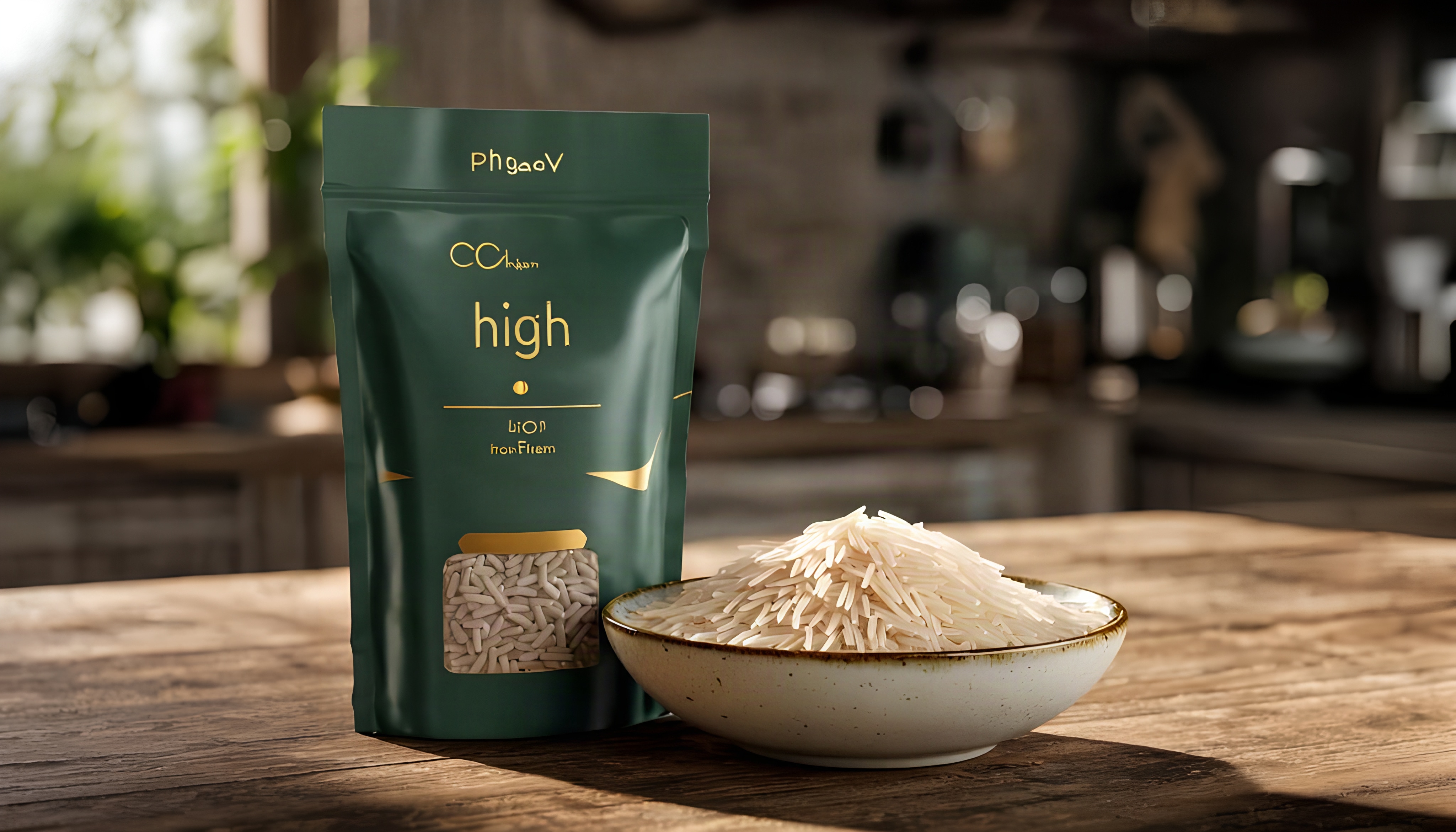
8. Future Foods Premium Diabetic Rice
Managing blood sugar does not always require a complete overhaul of your diet. Simple kitchen swaps, such as choosing whole grains over refined flour, replacing sugary drinks with unsweetened options, and opting for healthy fats and high-fiber foods, can make a meaningful difference over time. These small, sustainable changes can help support steadier energy levels, reduce blood sugar spikes, and promote overall well-being. The key is consistency, as everyday choices in the kitchen can play an important role in maintaining healthier blood sugar levels and supporting long-term health.
Frequently Asked Questions
1. What is the best kitchen ingredient for regulating blood sugar?
No one ingredient alone can control blood sugar. Eating the right amounts of vegetables with fibre, whole grains, lentils, nuts, seeds and protein foods will help you maintain a balanced eating pattern.
2. Is brown rice better than white rice for diabetics?
Brown rice has more fibre than white rice because it retains its outer bran layer. It's a good substitute and still a source of carbs. The size of the serving and what you eat with the rice also matter.
3. Can diabetics eat roti daily?
Yes. Whole wheat roti can be included in a diabetic diet. The number and size of rotis you eat will depend on your carbohydrate needs, activity level and blood glucose targets.
4. Is jaggery better than sugar for blood sugar?
No. Jaggery is still sugar and can still increase your blood glucose levels, and this is not to be taken as a diabetes-friendly substitute for regular sugar.
5. Which fruits are suitable for people managing blood sugar?
Guava, apples, oranges, pears and berries can be included in appropriate portions. Whole fruits are generally preferable to fruit juices because they retain their fibre. Individual carbohydrate requirements should guide serving sizes.
(Disclaimer: This article may include references to or features of products and services made available through affiliate marketing campaigns. NDTV Convergence Limited (“NDTV”) strives to maintain editorial independence while participating in such campaigns. NDTV does not assume responsibility for the performance or claims of any featured products or services.)