Microfiber Cloth: Smarter Cleaning, Easy Tech Care, And A Practical Buying Guide
Microfiber cloth looks simple, yet it transforms your routine. From streak-free screens to spotless kitchens, learn how to choose the right weave, care for it properly, and get more done with less fuss every day.
Microfiber Cloth: Smart Uses, Care Tips, And Buying Guide
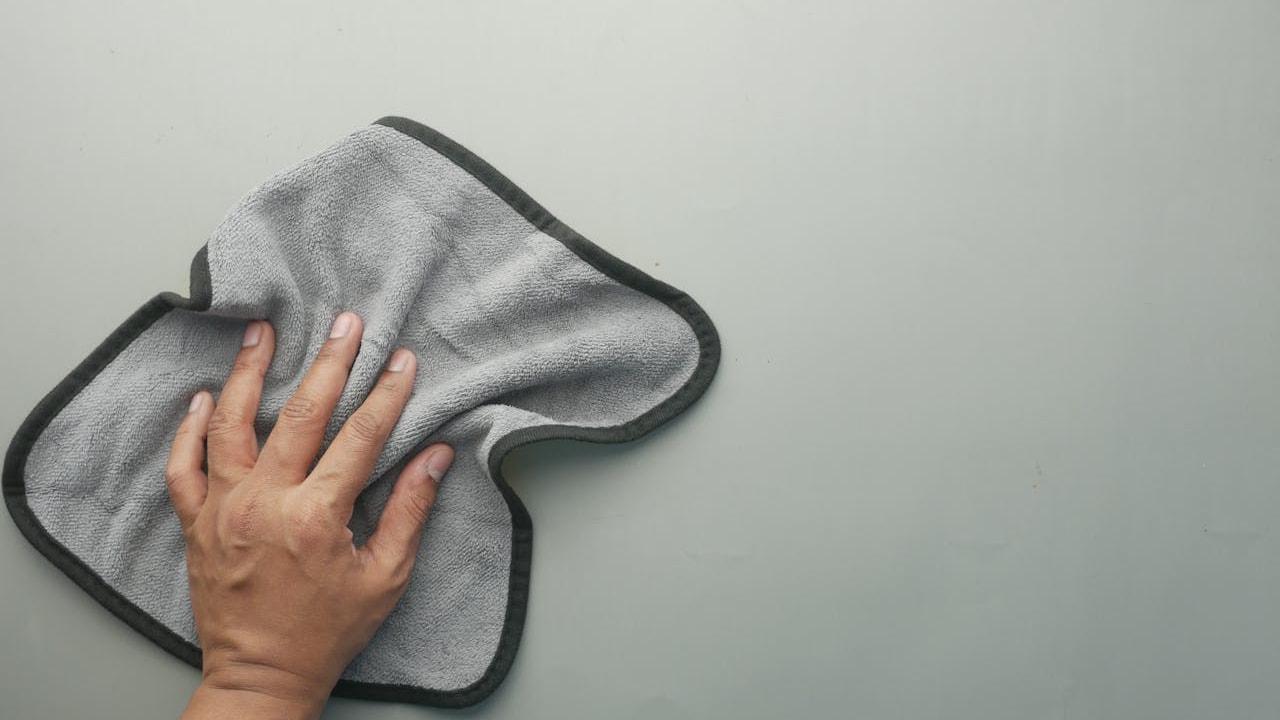
Microfiber cloth has quietly become a modern essential, bridging cleaning, tech care, and everyday convenience. From glasses to gadgets, its ultra-fine fibres lift dust and grime with minimal effort. It is gentle, reusable, and surprisingly versatile, saving time and reducing waste. Whether you are polishing a phone screen or tidying a kitchen, microfiber delivers a streak-free finish. In a fast routine, that little boost matters, and it shows. Let's explore what makes microfiber different, how to pick the right weave, and the care rules that keep clothes working longer. You will find comparisons, practical tips, and a few editor-favourite picks.
A neatly folded set of microfiber cloths showing different weaves, perfect for everyday cleaning and tech care.
Photo Credit: Pexels
We test ideas in real life, from commute smudges to weekend spills, and share honest impressions. If you are balancing budgets, sustainability, and performance, this explainer will help. Consider it a friendly companion for smarter cleaning and calmer days ahead.
Why Microfiber Works Better Than Cotton
Microfiber is woven from ultra-fine synthetic filaments, often a polyester and polyamide blend, that are split during manufacturing to create millions of micro-edges and channels. Those split fibres dramatically increase surface area and capillary action, so the cloth grabs particles, oils, and moisture instead of pushing them around. Cotton can absorb well, but it lacks those microscopic hooks, so it sometimes leaves streaks on glass and steel. In practice, that means a single pass with the right microfiber weave can outperform several passes with cotton, using less pressure, less water, and fewer chemicals.
Choosing The Right Weave, GSM, And Size
Your perfect microfiber is a match of weave, thickness, and dimensions. Waffle weaves excel at drying because the cells trap water and reduce drag on glass. Terry or short-pile cloths are great for general cleaning, lifting crumbs and light grease from worktops. Plush, high-GSM cloths glide across delicate car paint or TV panels without creating micro-marring. For sizes, small lens cloths tuck into pockets for daily tech care, while larger 40 x 40 centimetre cloths handle bathrooms and kitchens. The simple rule: smoother for glass, plusher for paint, terry for tasks, and waffle for drying.
Also Read: Floor Mat Care: How Often To Wash, Rotate And Replace Your Floor Mat - Apply This Hygiene Rule
How To Use Less Product And Still Get Better Results
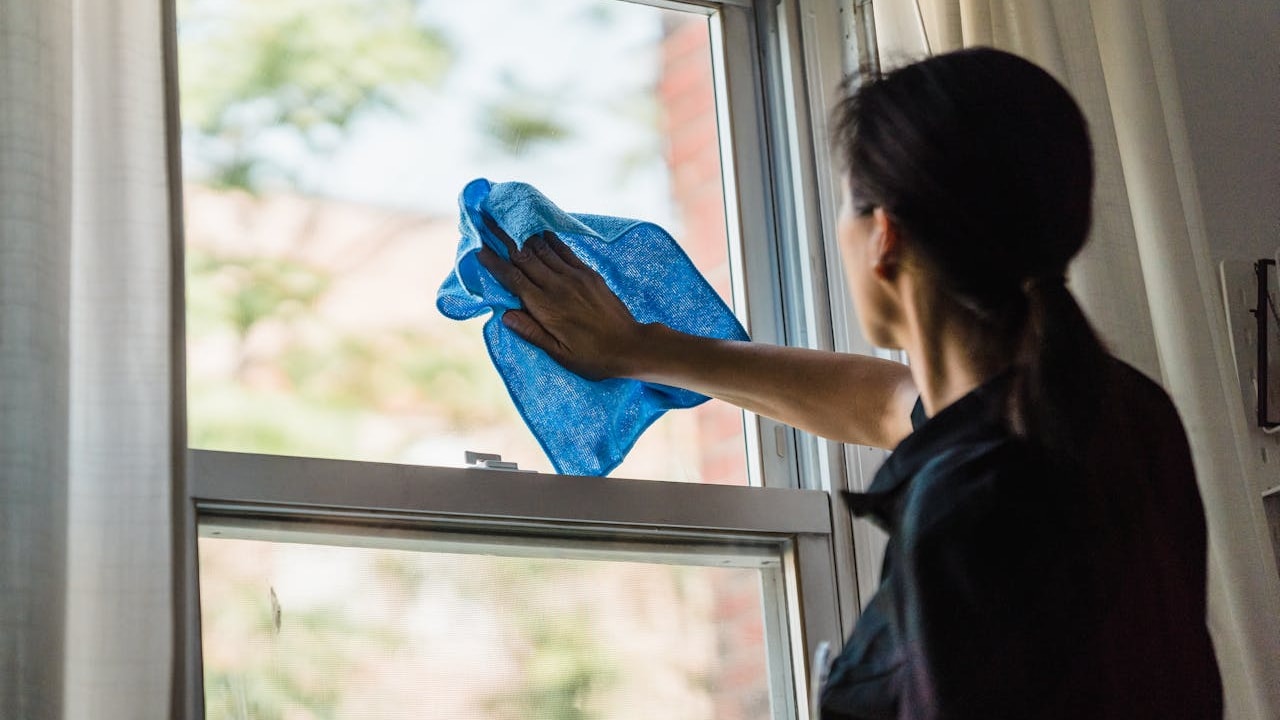
Microfiber amplifies the power of water. Often, a damp cloth is enough for dust, fingerprints, and everyday smudges. For kitchens, mist a light, pH-neutral cleaner onto the surface or directly onto the cloth to reduce overspray. Fold the cloth into quarters to create eight clean faces and rotate as soil builds. For glass, use a two-cloth method: one slightly damp plush or terry for cleaning, and one dry glass cloth for a streak-free finish. You will notice you need fewer sprays and wipes when the cloth is doing the heavy lifting through mechanical pickup rather than chemical force.
Everyday Tech Care Without The Panic
Fingerprints, facial oils, and hand cream build up on phones and laptops, making screens look dull and touch inputs inconsistent. A smooth, tight-weave microfiber safely lifts those films without scratching oleophobic coatings. Always power down screens so you can see residues clearly, then wipe with minimal pressure in overlapping passes. Avoid paper towels, which can leave lint or create hairline defects. For keyboards, a lightly damp terry cloth followed by a dry pass keeps shine under control. Keep one cloth in your work bag and one at your desk so you are never searching when a quick tidy would help.
A glass microfiber cloth polishing a phone screen, capturing the streak-free clarity these fibres deliver.
Photo Credit: Pexels
Smarter Bathroom And Kitchen Cleaning
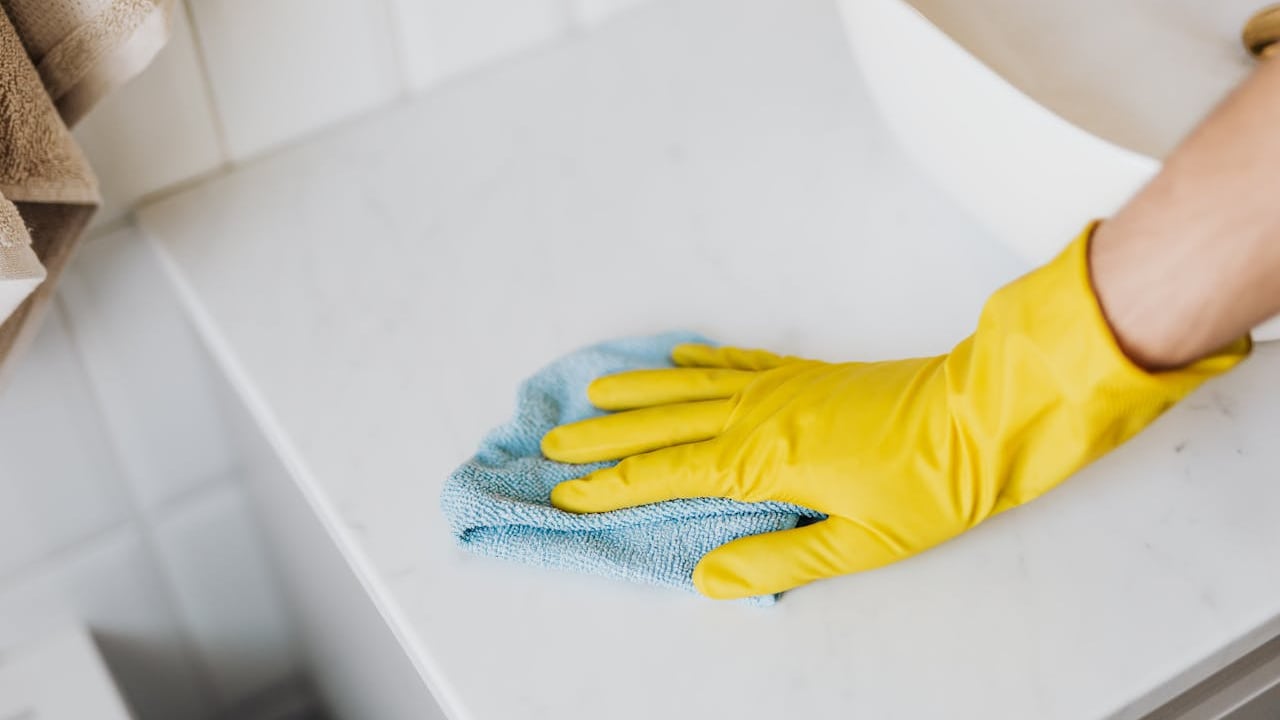
In moisture-heavy rooms, microfiber's absorbency and grip shorten chores noticeably. Use a waffle cloth after showers to squeegee glass and tiles, reducing mineral spots and soap residue. On kitchen counters, a short-pile cloth with warm water removes crumbs and everyday spills in seconds. For stainless steel, go with a plush cloth and wipe with the grain to avoid streaks. Colour-code your sets, reserving distinct colours for bathrooms, kitchens, and general dusting to prevent cross-contamination. This habit saves time and keeps clothes fresher for longer because you will wash them appropriately based on the room and the type of soil.
Care Rules That Keep Clothes Performing
Microfiber is tough, but it needs thoughtful care. Wash in cool or warm water with liquid detergent and avoid fabric softeners, which clog the tiny channels that make microfiber effective. Skip bleach unless the label explicitly allows it, and do not use dryer sheets. Tumble dry low or air dry to preserve the split fibres. Wash cloths together, but separate extremely greasy or gritty ones to avoid embedding soil. If you accidentally use softener, rewash with a hot rinse and a small splash of white vinegar to help strip residues. Store folded, flat, and dry to prevent musty odours.
Also Read: 5 Unique Cleaning Tools Every Home Needs
Sustainable And Cost-Savvy Cleaning
A single high-quality microfiber cloth can replace dozens of paper towels over its lifespan. That reduction in disposables saves money and reduces household waste streams, especially in busy kitchens and multi-device homes. Because microfiber often needs only water for light jobs, you will also cut back on chemical cleaners and plastic spray bottles. While synthetic fibres raise microplastic concerns, washing on gentle, avoiding high heat, and using a microfibre-catching laundry bag can curb fibre shedding. The most sustainable choice is longevity: buy fewer, better clothes, treat them well, and keep them in service for as many cycles as possible.
Quick Techniques That Make A Big Difference
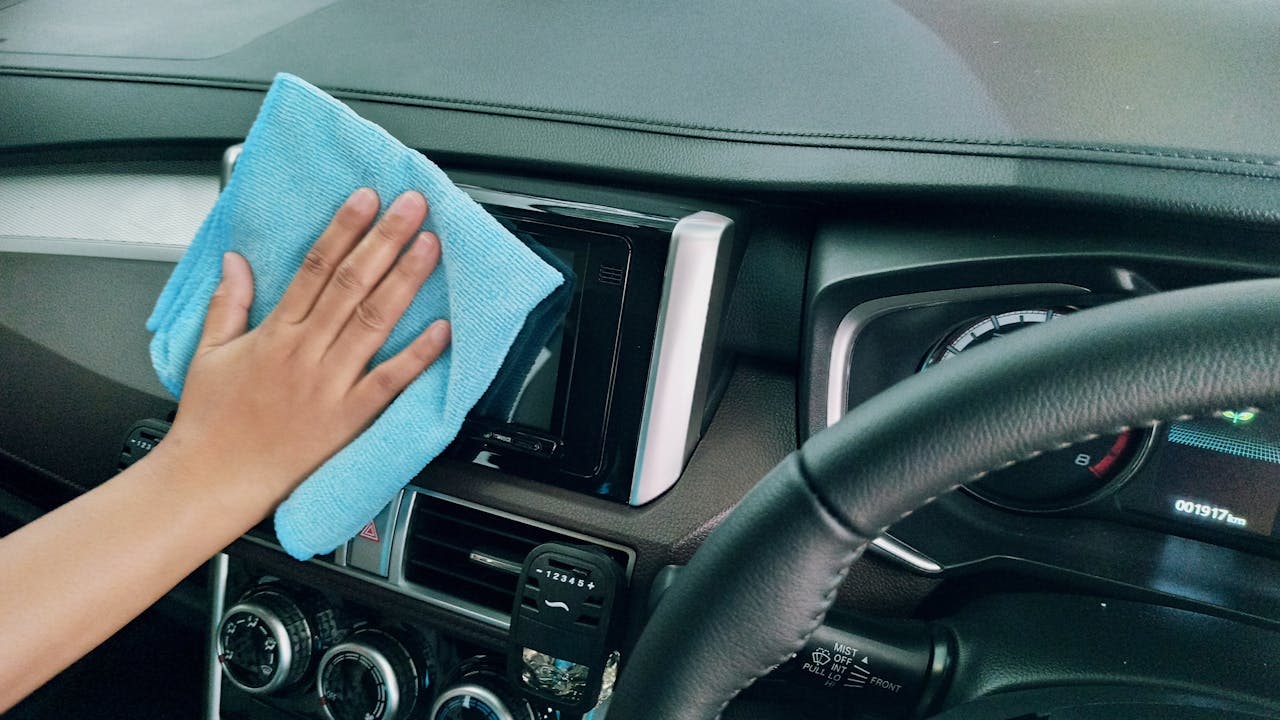
Develop a simple routine. For mirrors, use the two-cloth method and finish with horizontal strokes at the top and vertical at the sides to spot streaks quickly. On cooktops, let the surface cool, mist lightly, and wipe in overlapping S-patterns. For car interiors, a plush cloth prevents drag across piano-black trim. When dusting, barely dampen the cloth to stop particles from becoming airborne. Fold into quarters to create a firm pad and swap faces as you see soil lines. These small, methodical habits produce consistent results and transform a rushed clean into a calm, efficient ritual you will actually repeat.
A waffle-weave microfiber towel drying a kitchen glass effortlessly, highlighting its high absorbency and quick-drying design.
Photo Credit: Pexels
Microfiber cloth is small, affordable, and quietly transformative for daily life. Choose the weave for the job, keep clothes clean, and skip fabric softeners. Use colour coding, fold into sections, and replace when fibres flatten. One well-kept set handles glass, screens, kitchens, cars, and more with ease. Treat it well and it rewards you with faster results, fewer chemicals, and a tidier, calmer routine every single week.
Microfiber Cloth To Buy On Amazon
1. SOFTSPUN Microfiber Cloth Silk
2. ShineXPro Microfiber Car Cleaning Cloth
3. ShineXPro Microfiber Cloth For Car
4. SOFTSPUN Microfiber Cloth
5. SOFTSPUN Microfiber Cleaning Cloths
6. Castrol Microfibre Cloth for Cleaning
7. SOFTSPUN Microfiber Cloth
8. SOFTSPUN Microfiber Cloth
9. MICHELIN 500 GSM
10. Microfiber Towel for Car Cleanin
Frequently Asked Questions (FAQs)
Q1. What makes microfiber different from cotton?
Microfiber uses ultra-fine split fibres that create more edges and channels, so it mechanically lifts dirt and oils rather than just spreading them. This makes cleaning faster, streak-free, and effective with less product.
Q2. Can I use microfiber on my phone and laptop?
Yes, a smooth, tight-weave cloth is safe for screens and lenses when used with light pressure. Power down the device, wipe in overlapping passes, and avoid paper towels that can leave lint or micro-scratches.
Q3. How should I wash microfiber cloths?
Wash cool or warm with liquid detergent, skipping fabric softeners and dryer sheets because they clog fibres. Air dry or tumble low, and separate heavily soiled cloths to keep grit from embedding in others.
Q4. Why does my glass still look streaky?
You may be using too much cleaner, the wrong weave, or a saturated cloth. Try a two-cloth method with one damp cleaner cloth and one dry glass cloth, and rotate to a fresh face as needed.
Q5. How long does a microfiber cloth last?
With proper care, a quality cloth can last hundreds of washes. Replace it when the pile flattens, it stops gripping residue, or it starts leaving lint even after a thorough, additive-free wash.
(Disclaimer: This article may include references to or features of products and services made available through affiliate marketing campaigns. NDTV Convergence Limited (“NDTV”) strives to maintain editorial independence while participating in such campaigns. NDTV does not assume responsibility for the performance or claims of any featured products or services.)