Why Dishwash Liquids Do Not Remove Oil And What Works Better
Dishwash liquids often struggle with stubborn grease. The reason lies in how oil behaves and how these liquids work. Discover why this happens and what simple methods clean oily dishes more effectively.
Why Dishwash Liquids Do Not Remove Oil And What Works Better
A familiar scene plays out in countless homes every evening. A pile of plates glistens under the kitchen light, coated with a thin, stubborn film of oil. A generous splash of dishwash liquid follows, accompanied by hopeful scrubbing. The foam builds, the scent freshens the air, but somehow the grease lingers. This isn't a failure of effort. It's a misunderstanding of how oil behaves. Many assume that more liquid equals cleaner dishes, yet grease has its own rules. It resists water, clings to surfaces, and laughs in the face of light scrubbing. Understanding why dishwash liquids struggle is the first step towards solving the problem. Once the science becomes clear, the solution stops being guesswork and starts becoming strategy. What works better is not always more effort, but smarter methods that align with how oil actually behaves.

Why Dishwash Liquids Do Not Remove Oil And What Works Better
Photo Credit: Amazon
Understanding Why Grease Sticks And What Truly Removes It
The Nature Of Oil: Why It Refuses To Mix
Oil has a personality of its own. It refuses to mix with water because of its molecular structure. Water molecules bond easily with each other, while oil molecules prefer to stay separate. This creates that slippery layer that floats or clings stubbornly.
Dishwash liquids rely on surfactants to break this barrier, but not all formulations are strong enough. When the oil layer is thick, especially after cooking rich gravies or deep-fried snacks, basic liquids struggle to penetrate it.
Think of it like trying to clean butter off a spoon with plain water. No matter how much rinsing happens, the greasy feel remains. That same principle applies to dishes.
The real challenge lies in breaking the bond between oil and surface. Without enough strength or the right conditions, the liquid simply glides over the grease instead of lifting it away.
Low Concentration Formulas Limit Effectiveness
Many dishwash liquids available at affordable prices dilute active ingredients to keep costs low. A bottle priced around ₹100 may prioritise volume over strength. While this makes it accessible, it reduces effectiveness against heavy grease.
Surfactants, the key cleaning agents, need sufficient concentration to surround and lift oil particles. When diluted, they struggle to perform this task efficiently. The result is more scrubbing, more liquid usage, and often, frustration.
This becomes especially noticeable after cooking meals rich in oil or butter. A single wash doesn't suffice, and repeated attempts only partially solve the issue.
Stronger formulations exist, but they often cost more. This creates a trade-off between affordability and efficiency. In many households, this leads to the habit of using excessive liquid, which doesn't necessarily improve results.
Cold Water Reduces Cleaning Power
Temperature plays a silent but crucial role in cleaning. Cold water stiffens grease, making it cling more tightly to surfaces. Dishwash liquids lose efficiency when paired with low temperatures.
Warm water softens oil, allowing surfactants to work more effectively. Without this support, even a good liquid struggles to break down greasy layers.
In many kitchens, cold water is the default. It feels convenient, especially during warmer months. However, this choice unknowingly reduces cleaning efficiency.
A plate washed in cold water may look clean but still retain a thin film of oil. This becomes evident when the surface feels slightly slippery even after rinsing.
The solution lies not in more scrubbing, but in adjusting water temperature. A simple shift can transform the entire washing experience.
Foam Creates A False Sense Of Cleanliness
Foam often tricks the mind. A sink full of bubbles feels like progress, yet foam does not equal cleaning power. Many dishwash liquids prioritise foaming agents to create this visual satisfaction.
These bubbles may look impressive, but they don't necessarily break down grease effectively. The real work happens at a microscopic level, where surfactants interact with oil molecules.
This misunderstanding leads to overuse. More liquid gets added in hopes of more foam, which rarely solves the underlying problem.
It's similar to adding more perfume to mask odour instead of removing its source. The surface appears clean, but the grease remains.
Understanding this difference helps shift focus from appearance to effectiveness. Less foam with stronger cleaning action often delivers better results than a sink overflowing with bubbles.
Hard Water Interferes With Cleaning Agents
Water quality rarely gets attention, yet it significantly affects cleaning performance. Hard water contains minerals like calcium and magnesium, which interfere with surfactants.
These minerals reduce the ability of dishwash liquids to bind with oil. Instead of lifting grease, the cleaning agents become less effective.
This issue often goes unnoticed. People assume the liquid is weak, while the real culprit lies in the water itself.
In areas with hard water, even high-quality liquids may struggle. The result is dull-looking utensils and persistent grease.
Using slightly more concentrated solutions or adding a rinse aid can help counter this effect. Recognising the role of water quality changes the entire approach to cleaning.
Heavy Grease Requires Pre-Treatment
Not all grease is equal. Light oil from simple cooking differs vastly from thick layers left behind after frying snacks or preparing rich gravies.
Dishwash liquids alone may not handle heavy grease effectively without preparation. Jumping straight into washing often leads to wasted effort.
Pre-treatment makes a significant difference. Scraping off excess oil or wiping surfaces with a paper towel reduces the load on cleaning agents.
This simple step transforms the process. Instead of battling thick grease, the liquid deals with a manageable layer.
Skipping this step is like trying to mop a floor covered in mud without first removing the bulk. The result is inefficient and tiring.
A small adjustment in routine can lead to noticeably cleaner dishes with less effort.
Also Read: Do You Really Need A Dishwasher In India: Or Is It A Lifestyle Trap?
Incorrect Scrubbing Techniques Reduce Results
Technique matters more than strength. Aggressive scrubbing often spreads grease instead of removing it. Without proper motion and pressure, oil simply shifts across the surface.
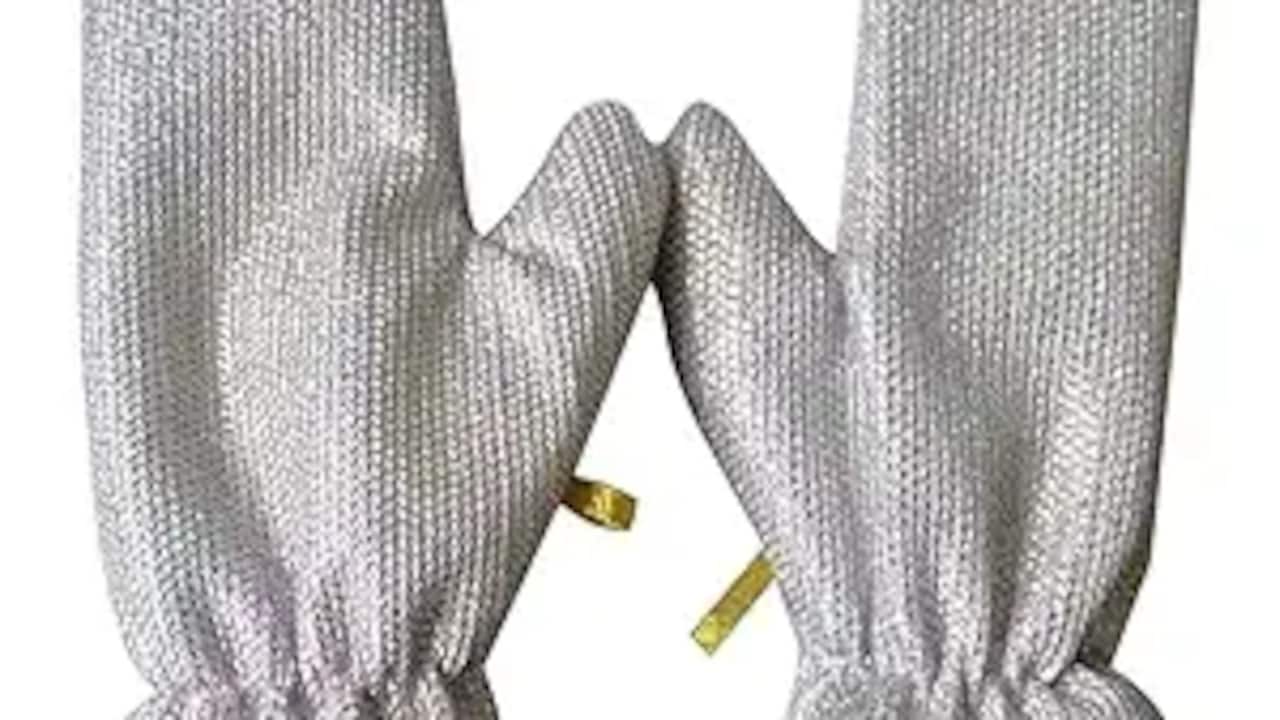
Using the right tools makes a difference. Soft sponges work well for light grease, while scrub pads handle tougher residues. However, the approach must remain controlled.
Circular motions help lift grease effectively. Rushing through the process leaves behind thin films that become visible once dishes dry.
Another common mistake involves overcrowding the sink. Washing too many utensils at once reduces focus and efficiency.
A thoughtful approach, combined with proper tools, enhances the effectiveness of dishwash liquids. Cleaning becomes less about effort and more about method.
Why Dishwash Liquids Do Not Remove Oil And What Works Better
Photo Credit: Amazon
Overuse Of Liquid Does Not Improve Cleaning
There's a common belief that more liquid equals better cleaning. This assumption leads to excessive usage, especially when grease refuses to budge.
However, beyond a certain point, adding more liquid offers no benefit. It only creates more foam and increases rinsing time.
The real solution lies in balance. The right amount of liquid, combined with proper technique and temperature, delivers better results than overuse.
Excess liquid also leaves behind residue if not rinsed thoroughly. This can affect both cleanliness and taste, especially on plates used for serving food.
Understanding this helps reduce waste and improve efficiency. Cleaning becomes smarter, not heavier.
Alternatives That Work Better For Grease Removal
Certain methods outperform regular dishwash liquids when dealing with stubborn grease. Warm water combined with a small amount of baking soda enhances cleaning power.
Natural acids like vinegar help break down oil effectively. These options often complement dishwash liquids rather than replace them.
Traditional cleaning bars or powders also perform well against heavy grease. Their concentrated formulas provide stronger action compared to diluted liquids.
Another effective approach involves soaking utensils in warm water before washing. This softens grease and reduces effort.
These alternatives don't require expensive solutions. Simple adjustments using easily available materials can significantly improve results.
The Role Of Consistency In Cleanliness
Consistency often determines results more than products. Regular cleaning prevents grease from building up into stubborn layers.
Leaving utensils unwashed for long periods allows oil to harden. This makes cleaning more difficult and time-consuming later.
A routine approach ensures that grease remains manageable. Quick rinsing after use reduces effort during washing.
This habit also improves hygiene and keeps the kitchen environment pleasant. Small actions taken consistently create noticeable differences over time.
Cleanliness becomes less of a chore and more of a natural part of daily rhythm.
Why Dishwash Liquids Do Not Remove Oil And What Works Better
Photo Credit: Amazon
Products Related To This Article
1. Trendz Home® 25 Pack Non-Scratch Wire Dishcloth
2. Gala Sponge Wipe for Kitchen 5 Pcs Pack (Multipurpose)
3. Indigenous Living Natural Kitchen Scrubber 12 Economy Pack for Sparkling Clean Surfaces
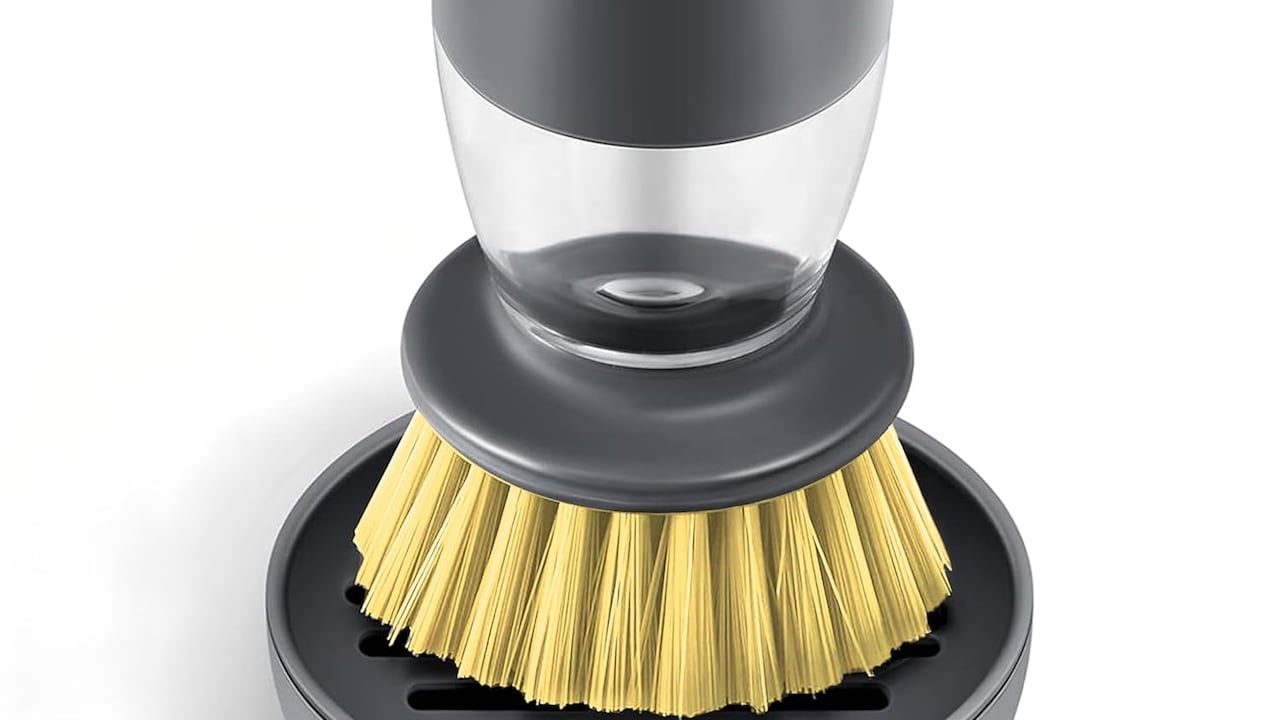
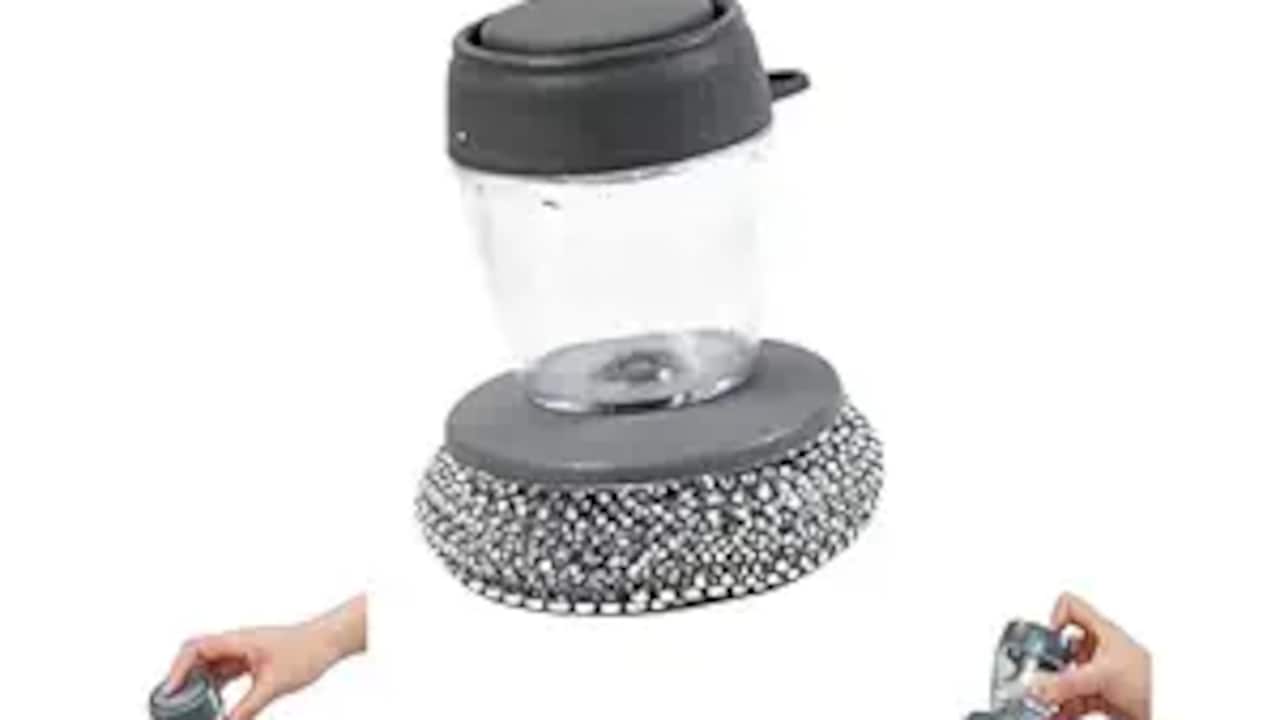
4. Cleaning Brush with Soap Dispenser for Kitchen Sink, Dish, and Utensils
5. Scotch-Brite Heavy Duty Scrub Dots for Powerful Scrubbing
Dishwash liquids often take the blame when greasy dishes refuse to cooperate. Yet, the real issue lies in a mix of science, technique, and habits. Oil resists water by nature, and without the right conditions, even good products struggle.
Understanding how grease behaves changes everything. Warm water, proper concentration, effective scrubbing, and simple pre-treatment steps transform the process. Alternatives like baking soda or vinegar add an extra edge when needed.
Cleaning dishes stops being a frustrating routine and becomes a manageable task. The sink no longer feels like a battlefield. Instead, it turns into a space where a little knowledge goes a long way.
In the end, it isn't about finding a miracle product. It's about using the right approach. Once that clicks, even the greasiest plates don't stand a chance.
(Disclaimer: This article may include references to or features of products and services made available through affiliate marketing campaigns. NDTV Convergence Limited (“NDTV”) strives to maintain editorial independence while participating in such campaigns. NDTV does not assume responsibility for the performance or claims of any featured products or services.)