Why Does My Cat Avoid The Litter Box Sometimes?
Wondering why your cat avoids the litter box sometimes? Discover the most common causes and helpful products that can encourage better litter habits.

Common reasons why cats sometimes abandon the litter box
Nothing catches a cat parent off guard quite like discovering that a normally pristine pet has suddenly decided to boycott their litter box. One day everything is totally fine, and the next you're scrubbing unexpected messes out of your carpets, quiet corners, or favourite furniture. While it is incredibly frustrating, this kind of behaviour is rarely just a random act of rebellion. Cats are massive creatures of habit. When they start dodging the tray, they are usually trying to tell you something.
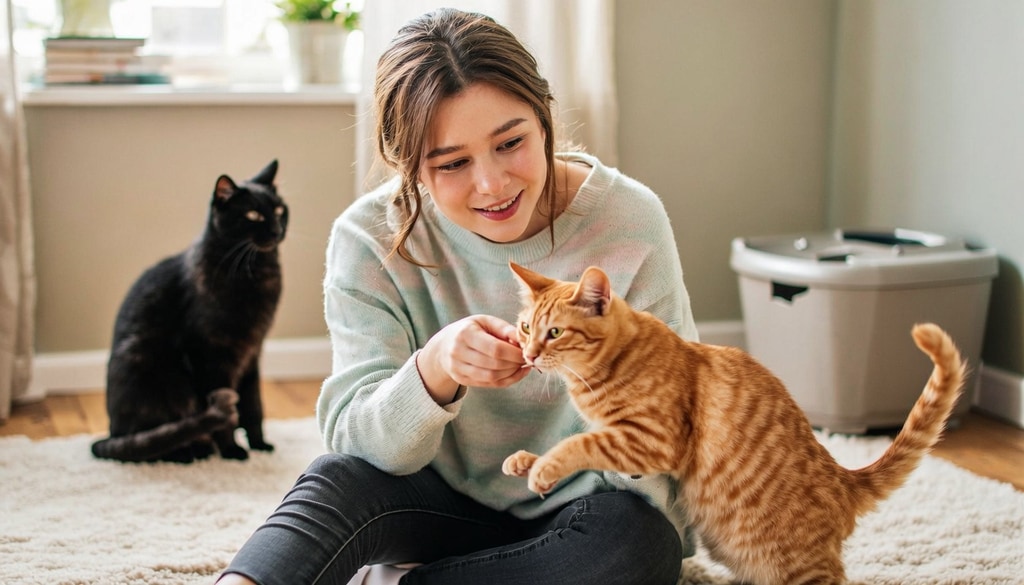
Learn common causes behind feline litter box avoidance and products that encourage better habits.
Photo Credit: iStock
It could be a simple protest against a dirty box, or it might point to a real medical issue. Figuring out what is fuelling this sudden shift is the absolute first step toward making your kitty feel safe, comfortable, and confident again.
Also Read: Explore Daily Pet Foods Under ₹300: Smart Picks For Growing Puppies And Young Cats
Why Cats Suddenly Stop Using The Litter Box?
By nature, cats prefer their private spaces to be clean and predictable. When they abruptly stop using their litter box, they are almost always reacting to a shift in their environment, a disruption in their daily routine, or some sort of physical discomfort.
A dirty litter tray is hands-down one of the biggest culprits. Most felines absolutely despise stepping into a box that hasn't been scooped recently. Similarly, switching things up too fast, like testing out a new brand of litter, moving the box to a different room, or bringing a new pet into the family, can leave a sensitive cat feeling completely rattled.
Physical health plays a massive role here, too. Conditions like urinary tract infections (UTIs), constipation, arthritis, kidney issues, or general tummy trouble can make the act of going to the bathroom incredibly painful. If your cat starts associating the litter tray with physical pain, they will naturally avoid it at all costs.
We also can't overlook stress. Major events like moving to a new house, having guests over, loud noises, or even just rearranging your living room layout can stress a cat out far more than many owners realise.
How To Fix Litter Box Avoidance?
Step 1: Clean The Litter Box More Frequently
Make it a habit to scoop out waste every single day and completely refresh the litter on a regular schedule. Cats are major clean freaks, and even a faint odour or slightly damp texture can be enough to make them look for alternative bathroom spots throughout the day.
Step 2: Check Whether The Litter Type Has Changed
If you recently picked up a different brand, texture, or scented variety of litter, it might be time to switch back to your old faithful. Many cats develop incredibly stubborn preferences and will instantly reject a new material under their paws.
Step 3: Move The Tray To A Quiet Location
Try setting up the litter box in a calm, low-traffic area that is still easy for your cat to reach. Keep it far away from busy hallways, loud household appliances, or cramped spots where your kitty might feel cornered or exposed.
Step 4: Look For Signs Of Stress Around The Home
Take a look at your recent household activity. New pets, frequent visitors, shifted furniture, or a recent move can really throw off a cat's emotional balance. Establishing a predictable daily routine can help them regain their confidence quickly.
Step 5: Schedule A Veterinary Check-Up If Needed
If you've tweaked the environment and the avoidance keeps happening, it's time to call the professional. A quick trip to the vet can rule out or identify underlying urinary, digestive, or joint issues before they turn into bigger health problems.
Common Litter Box Mistakes People Make
1. Cleaning The Tray Too Infrequently:
Plenty of owners underestimate just how picky cats are about hygiene. Even if the box looks perfectly fine to your eyes, your cat's sensitive nose might totally disagree.
2. Using Strongly Scented Litter:
Heavily perfumed litters are usually manufactured to please human noses, not feline ones. Those intense artificial fragrances can actually drive a cat away from the box.
In a multi-cat household, competition over territory can turn the litter box into a battleground. The golden rule among experts is to provide one box per cat, plus an extra one for good measure. These are some of the common reasons why your cat might abandon the litter box sometimes. The next time you notice this pattern, try these easy tips to foster healthy habits.
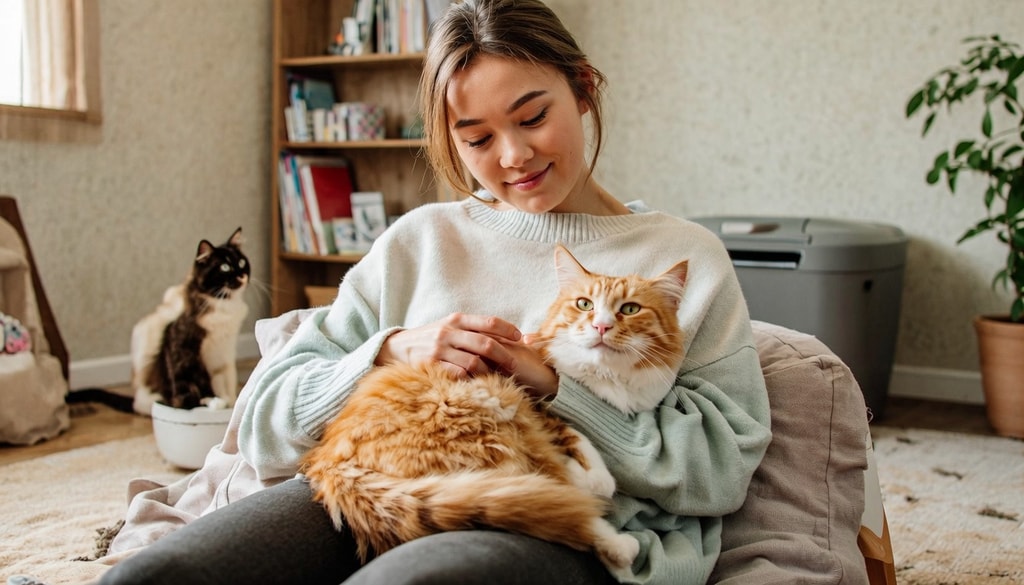
Explore helpful products and simple strategies designed to solve your cat's litter box issues.
Photo Credit: iStock
Some Cat Litter Products You May Like
1. Amazon Basics Cat Litter Box Tray with Free Scooper
2. Amazon Basics Foldable Covered Cat Litter Box with Anti-Spill Tray
3. Amazon Basics No-Mess Enclosed Hooded Cat Litter Box
4. Little Needs Cat Litter Tray with Scooper
5. Little Needs Cat Litter Tray with Rim
6. Foodie Puppies Litter Box with Scooper (Dome Cat Tray)
7. Little Needs Large Open-Top Cat Litter Tray with Scooper Cat's Toilet
8. Foodie Puppies Cat Litter Tray Box Closed Toilet Box with Scraper
Frequently Asked Questions (FAQs)
1. Why does my cat suddenly avoid the litter box?
An abrupt shift like this usually boils down to a few core things: elevated stress levels, a dislike of a new litter texture, a dirty box, sudden environmental changes, or an underlying medical issue that requires a vet's diagnosis.
2. How often should I clean my cat's litter box?
Ideally, you should be scooping out the cat waste daily and completely changing out the litter regularly. A pristine tray keeps your cat happy and keeps your home smelling fresh.
3. Can stress cause litter box problems?
Absolutely. Cats are sensitive to routine disruptions. Major life events like moving, bringing home new pets, hosting guests, or loud noises can easily trigger bathroom avoidance.
4. Should I change litter brands if my cat stops using the tray?
If the issues started right after you bought a new brand, try switching back to the old one. Cats are notorious sticklers for familiar scents and textures.
5. When should I take my cat to the vet?
If your cat is straining to go, crying out in pain, passing blood, or showing signs of lethargy and appetite loss, do not wait. Get them to a veterinarian right away.
(Disclaimer: This article may include references to or features of products and services made available through affiliate marketing campaigns. NDTV Convergence Limited (“NDTV”) strives to maintain editorial independence while participating in such campaigns. NDTV does not assume responsibility for the performance or claims of any featured products or services.)