10 Reasons Slow-Feeder Bowls Do Not Work Equally Well For Every Pet
Slow-feeder bowls can turn five-second meals into calmer feeding sessions, but the same maze that helps one pet may frustrate another. Size, snout shape, food type, health and eating habits all influence whether these bowls actually work.
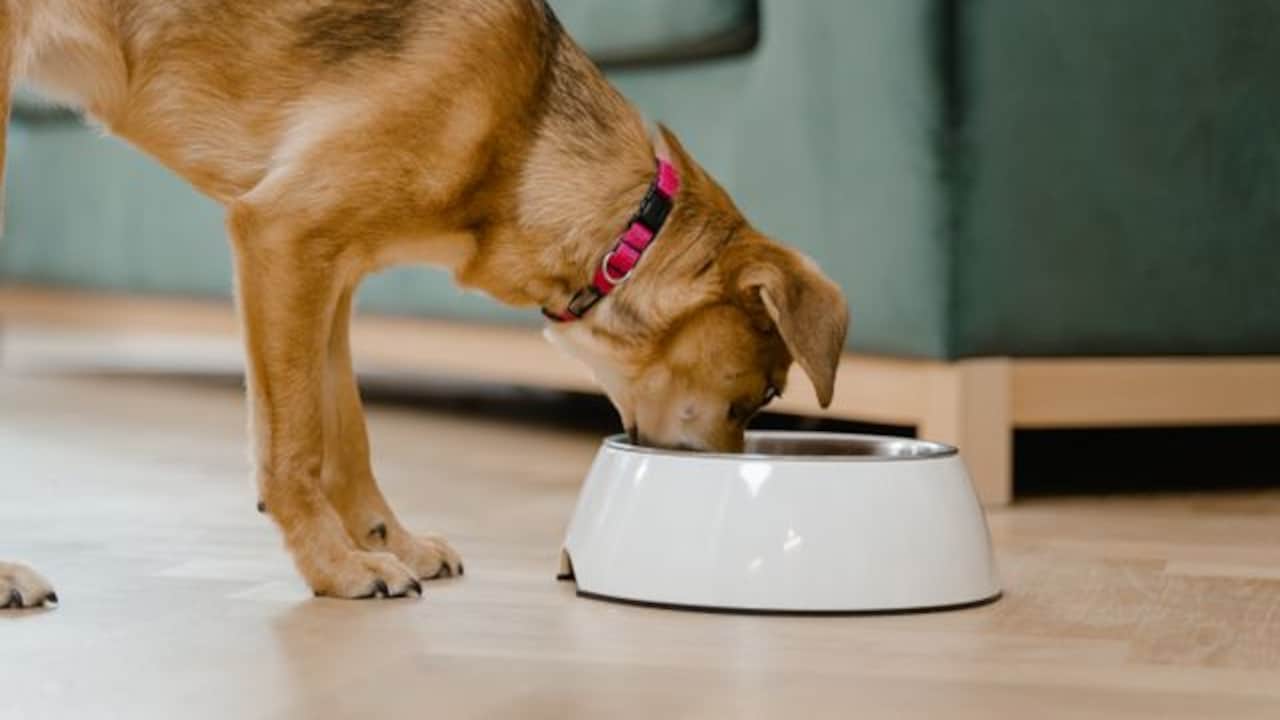
How well do slow feeding bowls work for pets
Some pets approach dinner as though someone has just announced that the kitchen will close permanently in thirty seconds. The bowl hits the floor, there is a blur of whiskers or wagging tail, and the food disappears before anyone has had time to straighten up. For households dealing with enthusiastic gulpers, slow-feeder bowls seem like an obvious solution. Instead of presenting food in one open space, these bowls use ridges, spirals, raised sections and maze-like patterns to make pets work around obstacles. The extra effort can slow some animals down and turn mealtime into a little mental exercise. Yet buying a slow feeder doesn't automatically transform a speedy eater into a relaxed diner.
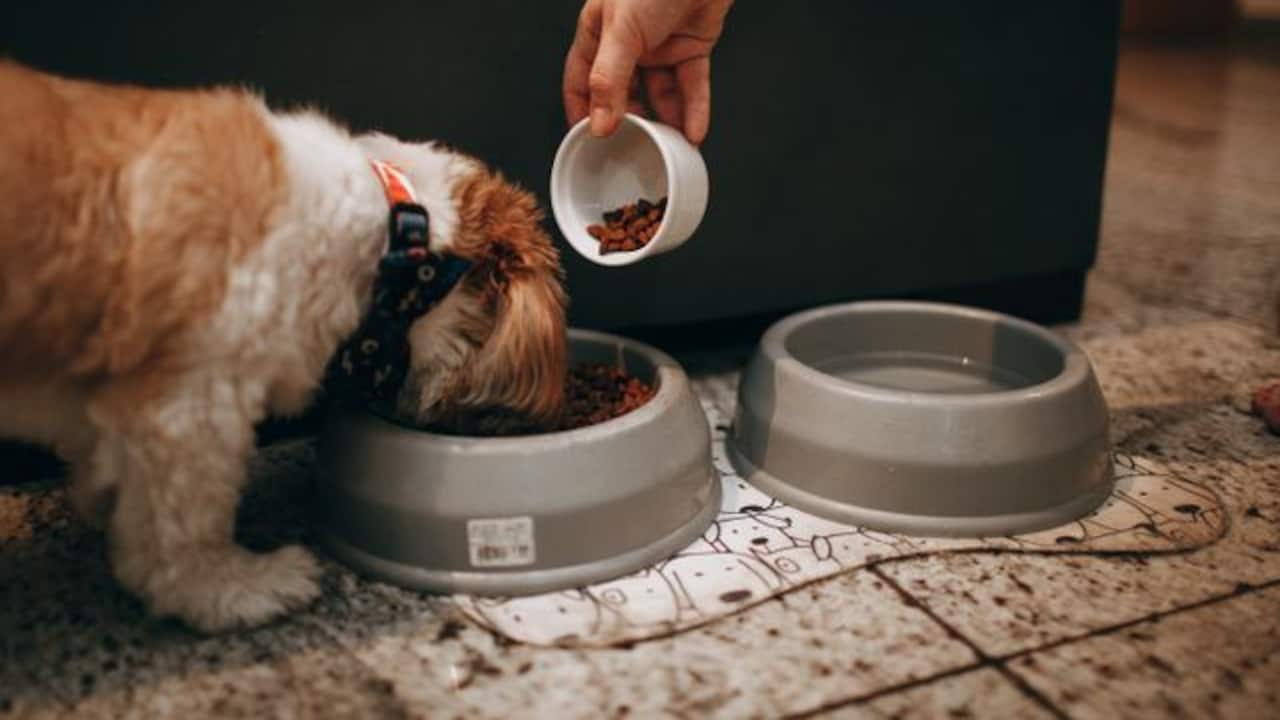
What makes slow feeding bowls an ideal choice for some pets
Photo Credit: Pexels
Pets differ enormously in their anatomy, eating style, temperament and health. Even two animals of the same breed and similar size can react very differently to identical bowls. One may patiently navigate every groove. Another may flip the bowl, abandon dinner or discover an ingenious shortcut within two meals.
Also Read: Automatic Cat Litter Boxes That Do The Dirty Work For You
That doesn't make slow feeders useless. It simply means the right design matters as much as the idea itself. Before declaring that a slow-feeder bowl "doesn't work", it helps to understand why results can vary so dramatically.
Why Slow-Feeder Bowls Work Differently For Every Pet
1. The Maze May Be Too Difficult For Your Pet
A slow feeder should create a small challenge, not turn dinner into an entrance examination. Some designs feature deep channels, tightly packed ridges and narrow spaces that demand considerable precision from the tongue and jaw.
A determined pet may enjoy figuring out the pattern. A less persistent one may sniff around for several minutes, eat only the easiest pieces and wander off looking thoroughly unimpressed.
Difficulty matters particularly when introducing a slow feeder for the first time. Moving directly from a completely open bowl to an elaborate maze can frustrate an animal that has never had to "solve" its dinner before.
Start with a shallow pattern that creates wider spaces between obstacles. Once your pet comfortably clears the bowl, a slightly more complex design may work.
The goal isn't to make food difficult to obtain. It is simply to interrupt rapid mouthfuls. If a pet needs excessive effort to reach every bite, the feeder has crossed from useful enrichment into unnecessary frustration.
2. Snout Shape Changes How Easily Pets Reach Food
A bowl that looks perfectly practical on a product page may feel completely different from muzzle level.
Pets with long, narrow snouts can often reach between taller ridges relatively easily. Flat-faced or short-muzzled animals may struggle with the same pattern because their mouth and nose cannot comfortably fit into narrow channels.
This can lead to some fairly creative eating techniques. A pet may push food out with its paw, tilt its head at awkward angles or simply lick whatever sits near the top while ignoring pieces trapped deeper inside.
Cats present another consideration. Many dislike having their whiskers repeatedly pressed against hard bowl edges or closely spaced obstacles. A very deep maze can therefore cause irritation rather than encouraging slower, calmer eating.
Look at the usable space between the ridges, rather than judging the feeder purely by its overall diameter. Wider, shallower channels often suit pets with shorter faces.
A slow feeder works best when it delays access slightly without forcing the animal into an uncomfortable position throughout the meal.
3. Some Fast Eaters Simply Learn The Puzzle
Never underestimate a hungry pet with a problem to solve.
Slow feeders rely on physical obstacles to interrupt eating. Unfortunately for anyone hoping for a permanent thirty-minute dinner, many animals become remarkably efficient once they understand where the food sits.
During the first few meals, a dog might carefully manoeuvre around each ridge. Two weeks later, the same dog may have developed a highly efficient tongue technique and reduced the entire process to ninety seconds.
Cats can become equally clever. Some scoop kibble over barriers with their paws, while others work systematically around the bowl until the maze barely slows them down.
This doesn't necessarily mean the feeder has failed completely. Even a modest reduction in eating speed may still prove useful. However, expectations need to remain realistic.
If your pet has mastered one pattern, occasionally changing the feeding method can restore some challenge. Rotating between a simple slow feeder, puzzle feeder and scatter-style feeding setup can prevent one technique from becoming completely automatic.
4. Bowl Size Can Work Against The Design
Slow feeders often come labelled small, medium or large, but those descriptions only tell part of the story. The internal feeding area matters just as much as the outer measurement.
A bowl that feels cramped can force a larger pet to push repeatedly against the ridges. Instead of eating slowly and comfortably, the animal may become impatient and attack the food with even more enthusiasm.
An oversized feeder creates the opposite problem. Small pets may move around large obstacles so easily that the maze barely interrupts their normal eating pattern.
Portion size matters too. Putting a tiny serving inside a huge maze may spread food so thinly that the pet spends more time searching than eating. Packing an enormous meal into a shallow feeder can bury the ridges and effectively turn it back into a normal bowl.
Consider your pet's head size, muzzle width and usual portion before choosing a feeder. The most useful size allows comfortable access while still creating enough separation between mouthfuls to reduce rapid gulping.
5. Wet Food And Dry Food Behave Very Differently
A slow feeder that handles kibble brilliantly may become a sticky excavation site after meeting gravy-heavy wet food.
Dry pieces usually roll or settle between ridges, encouraging pets to pick them out individually. Wet food can coat the entire maze, settle into corners and cling to narrow channels. Some pets happily lick every surface spotless. Others lose interest long before the bowl looks remotely clean.
Texture also changes the challenge. Thick pâté-style food can stay where it is placed, while softer food may slide over low barriers and reduce the feeder's slowing effect. Larger pieces of fresh food may not fit comfortably between narrow ridges at all.
Match the pattern to the food you usually serve. Broad, shallow grooves tend to make more sense for wet meals, while more structured mazes can work well with kibble.
Cleaning deserves attention too. If food routinely lodges beneath awkward ridges, the bowl may become more annoying for the human washing it than enriching for the pet eating from it.
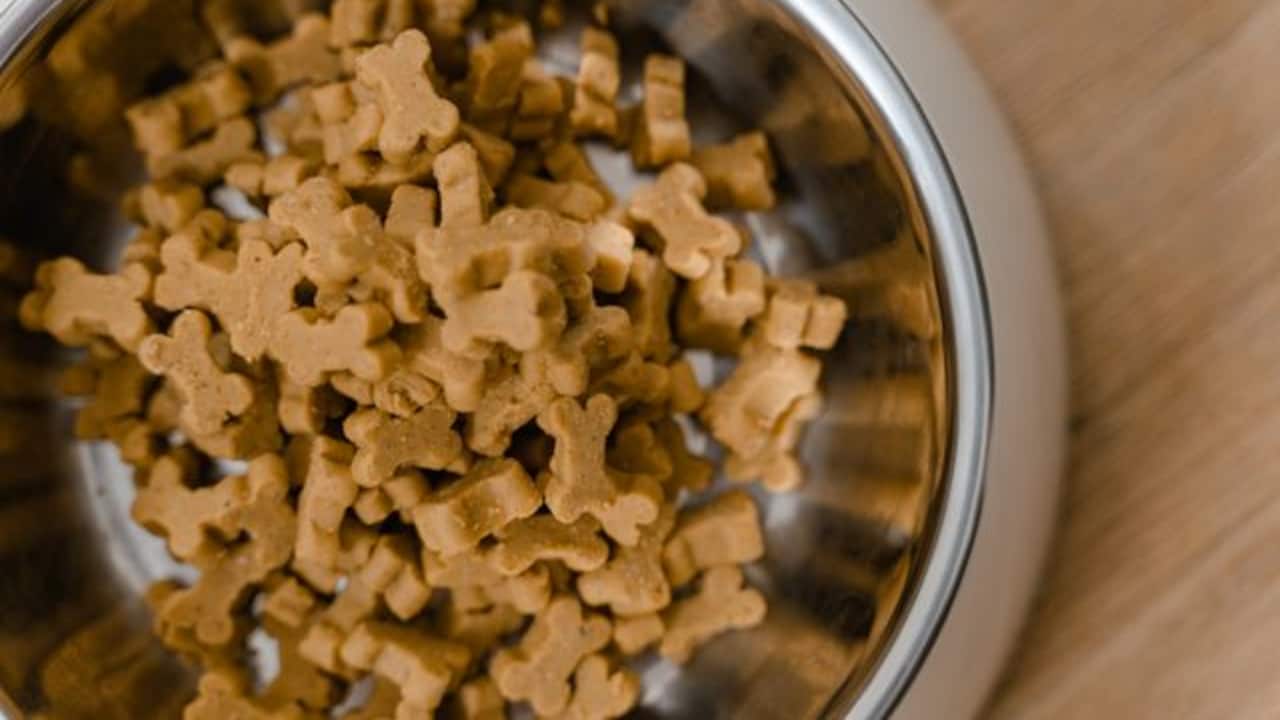
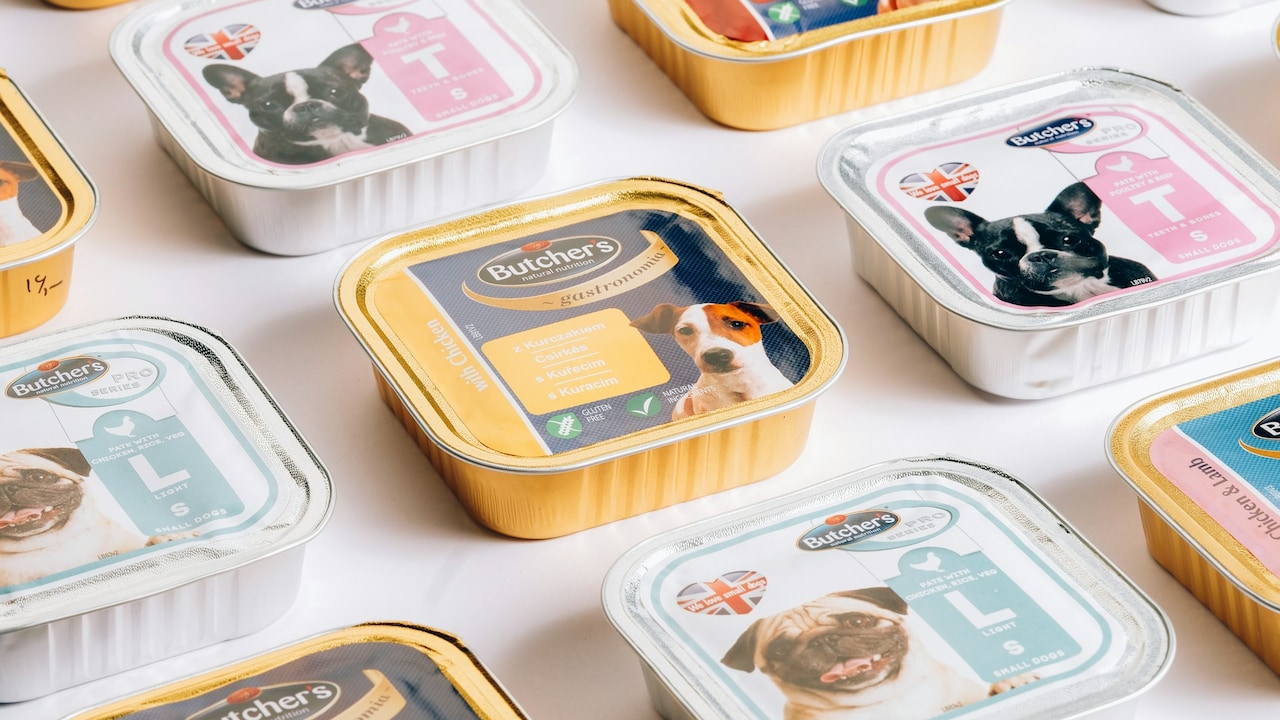
Slow feeding bowls handle wet and dry food differently
Photo Credit: Pexels
6. Anxiety Can Make The Pet Eat Even Faster
Fast eating doesn't always come from enthusiasm. Sometimes it comes from worry.
Pets that previously competed for food, lived around other animals or experienced inconsistent feeding may treat every meal as something they need to secure quickly. In multi-pet homes, even a nearby animal simply watching dinner can create pressure.
A slow feeder adds resistance, but it doesn't remove the underlying feeling that someone else might reach the meal first. In fact, a highly anxious pet may attack the maze more aggressively because the obstacles prevent quick access to food.
Watch the entire feeding environment. Does the pet constantly glance towards another animal? Does its body stiffen when someone walks nearby? Does it rush even when the portion seems generous?
Providing separate feeding spaces can sometimes matter more than buying a more complicated bowl. Predictable meal timings may also help.
A slow feeder addresses the mechanics of eating. When emotional stress drives the speed, changing the surroundings becomes an equally important part of the solution.
7. Age And Mobility Affect How Comfortable Feeding Feels
A young, energetic pet may happily circle a complicated feeder and approach food from several angles. An older animal with stiff joints may have a completely different opinion.
Some slow feeders encourage pets to shift their head repeatedly from side to side or remain bent over for longer than they would with a standard bowl. Pets with arthritis, neck discomfort, dental trouble or reduced mobility may find that tiring.
Senior animals may also have less patience for intricate feeding puzzles, particularly if eyesight or smell has changed with age.
That doesn't mean older pets cannot use slow feeders. The design simply needs to suit their physical abilities. A broad bowl with gentle ridges may provide enough resistance without requiring uncomfortable movements.
Pay attention to posture during meals. Repeatedly stepping backwards, hesitating before lowering the head or abandoning food deserves attention rather than being dismissed as fussiness.
When a pet suddenly changes its eating behaviour, struggles to chew or appears uncomfortable around food, a veterinary check makes more sense than experimenting endlessly with different bowl patterns.
8. Some Pets Turn The Bowl Into A Toy
There is always one pet who reads "slow feeder" and understands "new household sporting event".
Lightweight bowls can slide across smooth floors as enthusiastic eaters push against the maze. Particularly inventive animals may grab an edge, overturn the entire bowl and eat the scattered food from the floor. Technically, the maze no longer causes a problem.
The material and base therefore matter. A non-slip bottom can make a noticeable difference, especially for larger dogs that eat with considerable force. Heavier feeders may also stay in place more reliably than thin plastic versions.
Still, deliberate flipping can signal frustration rather than playfulness. If your pet repeatedly tries to overturn the bowl, consider whether the pattern feels too difficult.
A feeder shouldn't require a wrestling match at breakfast.
Observe what happens during the first few uses rather than simply placing the bowl down and walking away. A pet that calmly works through the grooves has probably found a suitable challenge. One dragging the feeder across the room may need a simpler design.
9. Dental Problems Can Make Slow Feeders Uncomfortable
When a pet suddenly struggles with a feeder it previously used without fuss, the bowl may not deserve all the blame.
Dental sensitivity can change the way animals approach food. Sore gums, damaged teeth or other oral discomfort may make manoeuvring kibble around firm ridges unpleasant. Some pets start eating from only one side of the mouth. Others drop pieces repeatedly or favour softer food.
Because slow feeders demand more manipulation than ordinary bowls, they can make subtle difficulties easier to notice.
Avoid assuming that reluctance means the pet has become lazy or bored. Look for changes such as unusual chewing, pawing at the mouth, excessive drooling, unpleasant breath or a sudden preference for soft textures.
A different bowl might improve comfort temporarily, but persistent symptoms need professional attention.
Slow feeding should support healthy eating rather than make an uncomfortable meal last longer. When pain enters the picture, slowing the animal down is no longer the main issue. Finding out why eating has become difficult matters far more.
10. A Slow Feeder Cannot Fix Every Cause Of Rapid Eating
Perhaps the biggest mistake involves expecting one bowl to solve every version of fast eating.
Some pets eat rapidly because they love food. Others feel competition, receive portions that don't satisfy them, follow irregular meal schedules or simply developed the habit early in life. Certain health problems can also cause unusual hunger or noticeable changes in appetite.
A slow feeder can change how quickly food becomes physically available, but it cannot explain why a pet suddenly seems ravenous.
Consider the wider pattern. Has eating speed always been high, or has it changed recently? Is the pet searching constantly for more food? Has its weight, thirst, energy or behaviour changed?
Sudden appetite changes deserve veterinary advice rather than another increasingly complicated maze.
For otherwise healthy enthusiastic eaters, combining an appropriate feeder with sensible portions and consistent mealtimes often works better than relying on the bowl alone. Some pets may also benefit from dividing their normal daily food into several smaller meals, provided this fits their feeding plan.
Products Related To This Article
1. Eha Earth-Friendly Maze Pet Bowl for Dog Made with Rice Husk
2. PetVogue Slow Feeder Interactive Pet Dog Bowl
3. Zenify Dog Bowl Slow Feeder
4. Anipaw Dog Slow Feeder Bowls Silicone Spiral Pet Food Feeder
5. Upsky Slow Feeder Dog Bowl Fun Feeder No Chocking Slow Polypropylene Feeder
6. Mint Green Slow Feeder Dog Bowl - Anti Choke
7. Foodie Puppies Pet Slow Feeding Lick Mat for Dogs
Slow-feeder bowls can be genuinely useful, but success depends on much more than choosing the bowl with the most impressive-looking maze. Snout shape, age, temperament, food texture, bowl size and even household dynamics can change the experience.
The best slow feeder doesn't make a pet battle for dinner. It creates just enough resistance to encourage calmer eating while keeping the meal comfortable and rewarding. Watch how your pet actually uses the bowl rather than how the product promises it should work. Sometimes a simpler pattern solves the problem better than the fanciest maze on the shelf.
(Disclaimer: This article may include references to or features of products and services made available through affiliate marketing campaigns. NDTV Convergence Limited (“NDTV”) strives to maintain editorial independence while participating in such campaigns. NDTV does not assume responsibility for the performance or claims of any featured products or services.)