Lohri 2026: Why We Offer Til, Phulley And Moongphali? Read To Know
Celebrate Lohri 2026 with meaning! Discover why sesame seeds, popcorn and peanuts are offered to the bonfire, their cultural significance, and the traditions that make this harvest festival special.
Lohri marks the end of winter and the start of longer days.
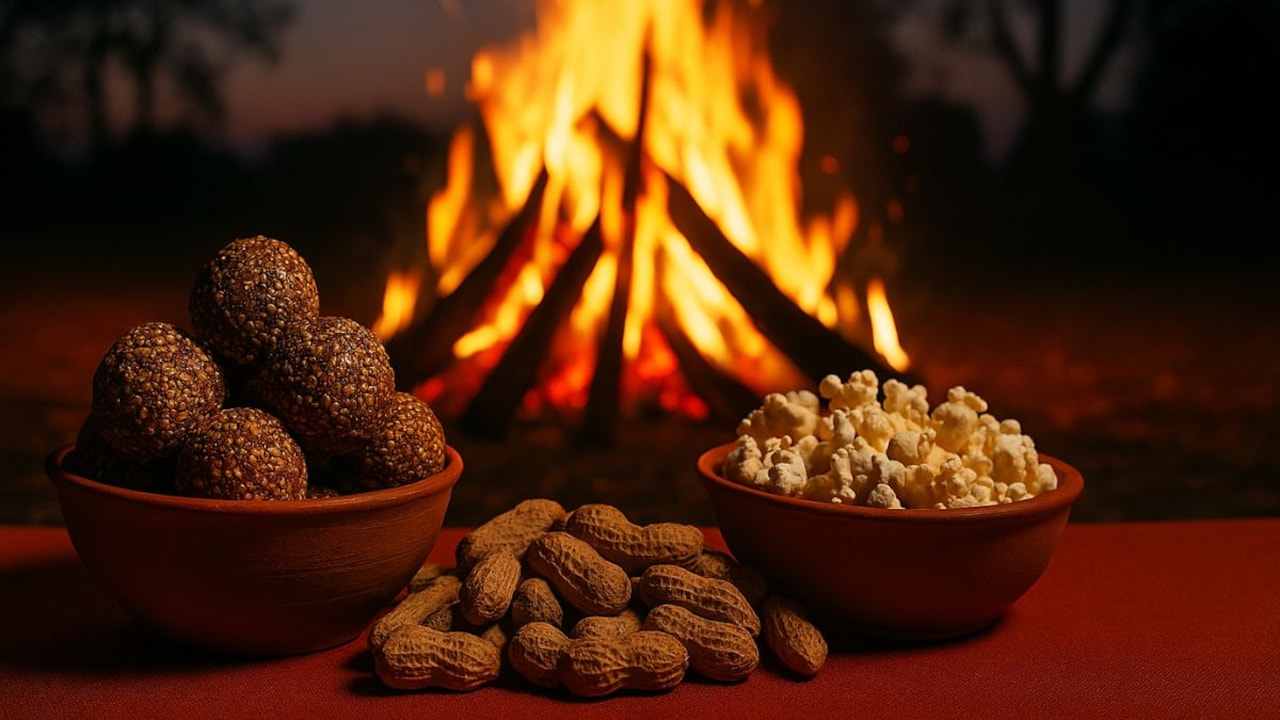
This year, January 13, 2026 arrives with breath visible in the air and bonfires blooming across North India. Lohri is not just an evening of flames and folk songs; it's a carefully woven ritual that greets the sun's northward turn and salutes the grit of agrarian life. The offerings we cast into the fire, til (sesame), phulley (popcorn), and moongphali (peanuts), carry stories, symbolism, and seasonal wisdom.
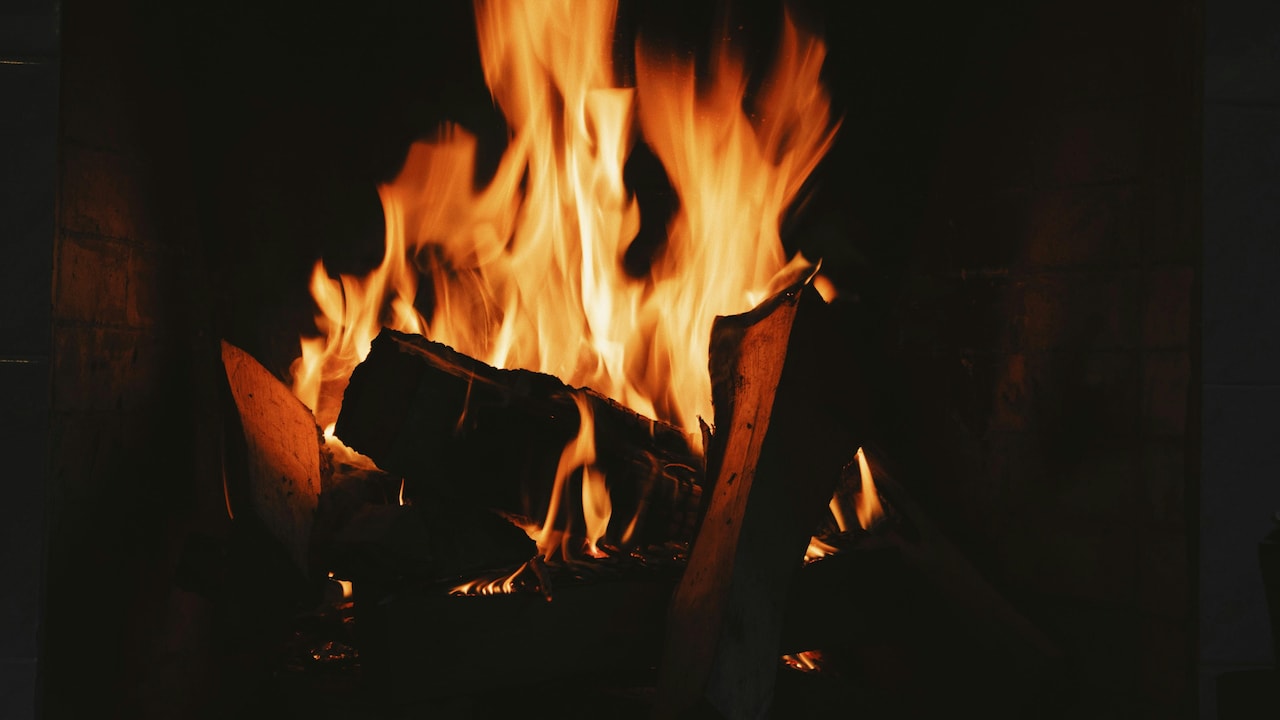
Lohri is celebrated on January 13 every year.
Photo Credit: Pexels
The festival sits just before Makar Sankranti, a solar milestone marking Uttarayan - the sun's journey to the Northern Hemisphere. That's why Lohri consistently falls around January 13, with Sankranti the next day. For 2026, Lohri is widely noted on Tuesday, January 13, followed by the Sankranti moment and observances on January 14, aligning the celebrations with the solar calendar that underpins them.
Also Read: Lohri 2026: Top 5 Suits You Can Wear During The Festival
A Circle Of Fire: Warmth, Community, And The Return Of Light
Gatherings begin at sunset, when families and neighbours form a circle around the flames. The bonfire is the festival's beating heart, a public altar in the open air. In the Punjabi ethos, it's both symbolic and social: protection against cold and darkness, gratitude for nature's generosity, and a communal space where hierarchy melts away.
Contemporary cultural features describe the fire's role with a blend of reverence and practicality; offerings are not temple-bound but offered under the sky, as a nod to the sun and the season. Lohri thereby becomes a celebration of returning daylight, of longer hours to work and thrive, and of life continuing in rhythm with the land.
Why Do We Offer Til (Sesame) On Lohri 2026?
To grasp why sesame is central to Lohri, consider the festival's name itself. Many traditions hold that "Lohri" derives from "Tilohri", a combination of "til" (sesame) and "rorhi" (jaggery), suggesting that sesame and jaggery are at the very origin of the celebration's identity. This etymology is widely referenced in cultural histories and government heritage resources, emphasising sesame's auspicious status and its practical place in winter fare.
Sesame's symbolism is rich: prosperity, fertility, and good fortune. In winter, Ayurveda praises til for its warming qualities, healthy fats, minerals, and energy, all of which are well-suited to the weeks when fog settles, and bodies seek strength. On Lohri night, til laddoos, gajak, and revari appear in every home, each bite offering warmth and sweetness. When a handful of sesame is cast into the bonfire, it's both a prayer to Agni and a thank-you to Surya, a compact ritual marrying health, hope and gratitude.
Why Do We Offer Phulley (Popcorn) On Lohri 2026?
Popcorn might look playful, yet it carries a gentle metaphor. Each kernel that bursts open suggests small beginnings blossoming into abundance, a hopeful image for the agricultural months ahead and the celebration of existing harvest. Children relish phulley's crackle, and adults toss them to the flames with a smile. It's the festival's most democratic snack, light and joyful.
Festival guides and lifestyle features note phulley among the standard Lohri offerings, often alongside sesame, jaggery and peanuts. The gesture is communal: simple food shared, worry released, and joy affirmed. On streets and in courtyards, sand-roasted popcorn has become part of Lohri's sensory memory, the muffled pops woven into boliyan and dhol beats, the aroma mingling with cold air and warm conversation.
Why Do We Offer Moongphali (Peanuts) On Lohri 2026?
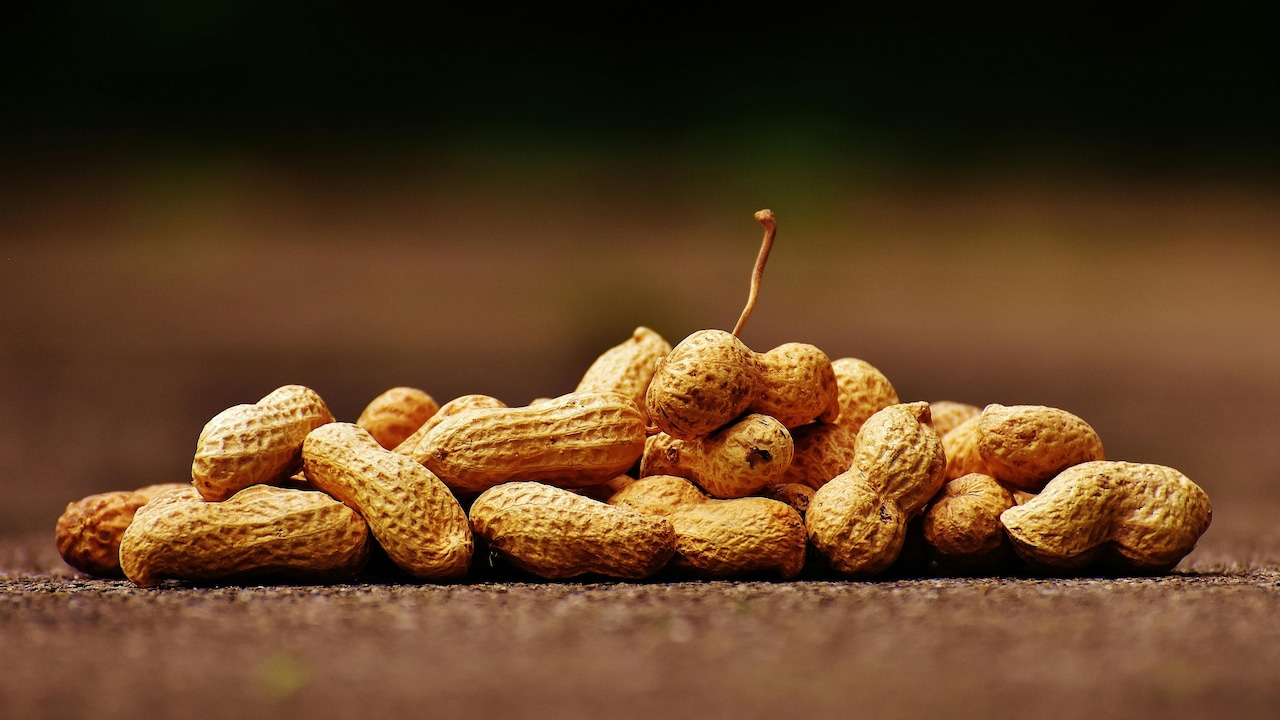
Til, phulley and moongphali are offered to the bonfire for blessings.
Photo Credit: Pexels
Peanuts sit at the practical heart of the winter ritual. They are protein-dense, economical, and satisfying when roasted, the sort of food that makes sense when temperatures drop and nights are long. Tradition reads them as a sign of good luck and earthly bounty, placing moongphali alongside til and gur as standard offerings to the Lohri fire.
Cultural explainers emphasise that the act of circumambulating the bonfire, casting peanuts, sesame, popcorn, puffed rice and sugarcane pieces into the flames, binds families in a shared choreography of thanks. In villages and cities alike, peanuts affirm Lohri's agrarian roots: the land gives, we acknowledge; the season turns; we prepare for the harvest to come.
Why Do We Offer Gur (Jaggery) On Lohri 2026?
While your headline focuses on til, phulley and moongphali, gur deserves a brief spotlight. As suggested above, paired with sesame, jaggery adds sweetness and vitality, a symbol of the life we hope to lead in the months ahead. It's not merely a treat; it's a seasonal choice aligned with Ayurveda's winter counsel, and with the conviviality that defines Lohri feasts. Think revari, gajak and til laddoos, winter's medicine wrapped up as celebration.
The Folklore Of Dulla Bhatti
Lohri's flame also lights up a story. The legend of Dulla Bhatti, the Punjabi Robin Hood, surfaces every year in sung boliyan. Bhatti is remembered for rescuing girls from exploitation and arranging their marriages, a tale of courage and compassion that has become part of Lohri's ethical pulse. The famous refrain "Sunder mundriye" keeps that memory in rotation, aligning the festival's merriment with a tradition of justice and care.
Historical and cultural sources trace Lohri's celebrations through centuries, including references to 19th-century court festivities where bonfires and public generosity were recorded. In that long arc, the Dulla Bhatti songs act as living archives, ensuring Lohri retains its human concern alongside its seasonal exuberance.
The "First Lohri": Blessings For New Beginnings
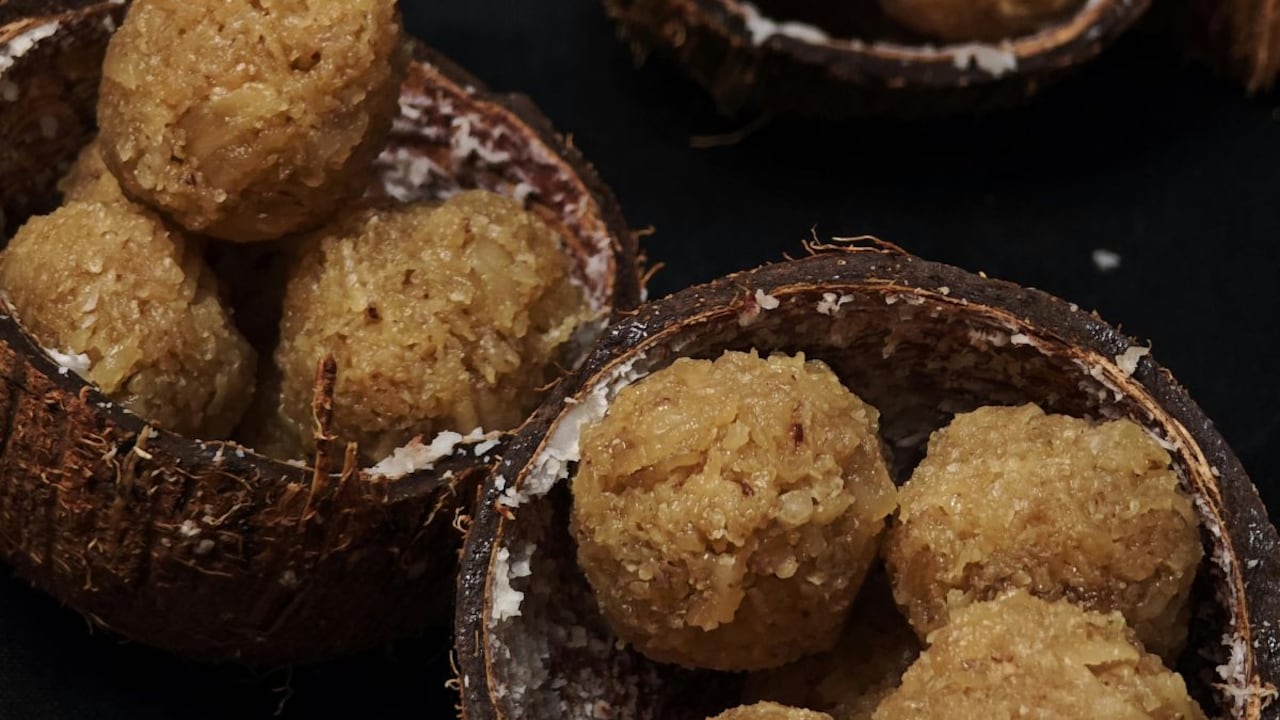
The festival honours harvest, community and cultural roots.
Photo Credit: Pexels
Across Punjab and the wider region, Lohri has special resonance for newlyweds and families with newborns. The bonfire becomes a public witness to private joy, with extra prayers and rituals wrapped around the circle of flames. This emphasis on new beginnings mirrors the festival's core message: longer days ahead, warmer light returning, life renewing.
Food and festival coverage underline how families mark these milestones, sharing sweets, singing, and seeking blessings for prosperity and health. The ritual is affectionate and communal, its meaning clear even if you're miles from a farm: celebrate what's begun, honour what sustains, and welcome what's coming next.
Seasonal Sense
Strip Lohri down to the basics, and you find a beautiful logic. The foods we offer are seasonally apt, warming, energy-rich, and nourishing. Sesame and jaggery bring fats and minerals; peanuts add protein and satiety; popcorn contributes fun and lightness. Journalists and cultural writers repeatedly point out how traditional winter snacks, pinni, panjeeri, gajak, and revari, are better aligned with the climate than trendy imports, proving that ancestral kitchens understood seasonality long before nutrition labels did.
In 2026, this logic holds. Til symbolises prosperity and inner warmth. Phulley embodies joy and transformation. Moongphali stands for strength and luck. Together, they nourish body and spirit, and they keep the ritual intelligible: gratitude to nature, respect for fire, and faith in returning light.
The Moment It All Comes Together
Picture the circle this year. A grandmother scatters sesame with the confidence of old habit. Children clutch cones of popcorn, delighted by each burst. Someone passes warm peanuts from palm to palm, then feeds them to the flames, grinning at the heat. A plate of revari goes around; voices rise with boliyan; the drum cracks open a space for dance. What looks like simple merriment is a carefully engineered ritual ecosystem.
Every gesture is both ancient and freshly relevant: walking clockwise around the fire, offering til, phulley and moongphali, singing of Dulla Bhatti, sharing saag and roti, sweetening the night with gur. The bonfire's light softens the edges of winter and brightens the horizon of longer days to come. And the offerings answer the festival's quiet question: what can we give back to the season that shapes us?
This January 13, let your hands tell the story, sesame for luck and warmth, popcorn for delight, peanuts for strength, and a piece of jaggery for the sweetness you hope to carry through the year. Lohri will give back what it has always promised: gratitude, courage, and the simple, enduring human joy of standing together in the light.
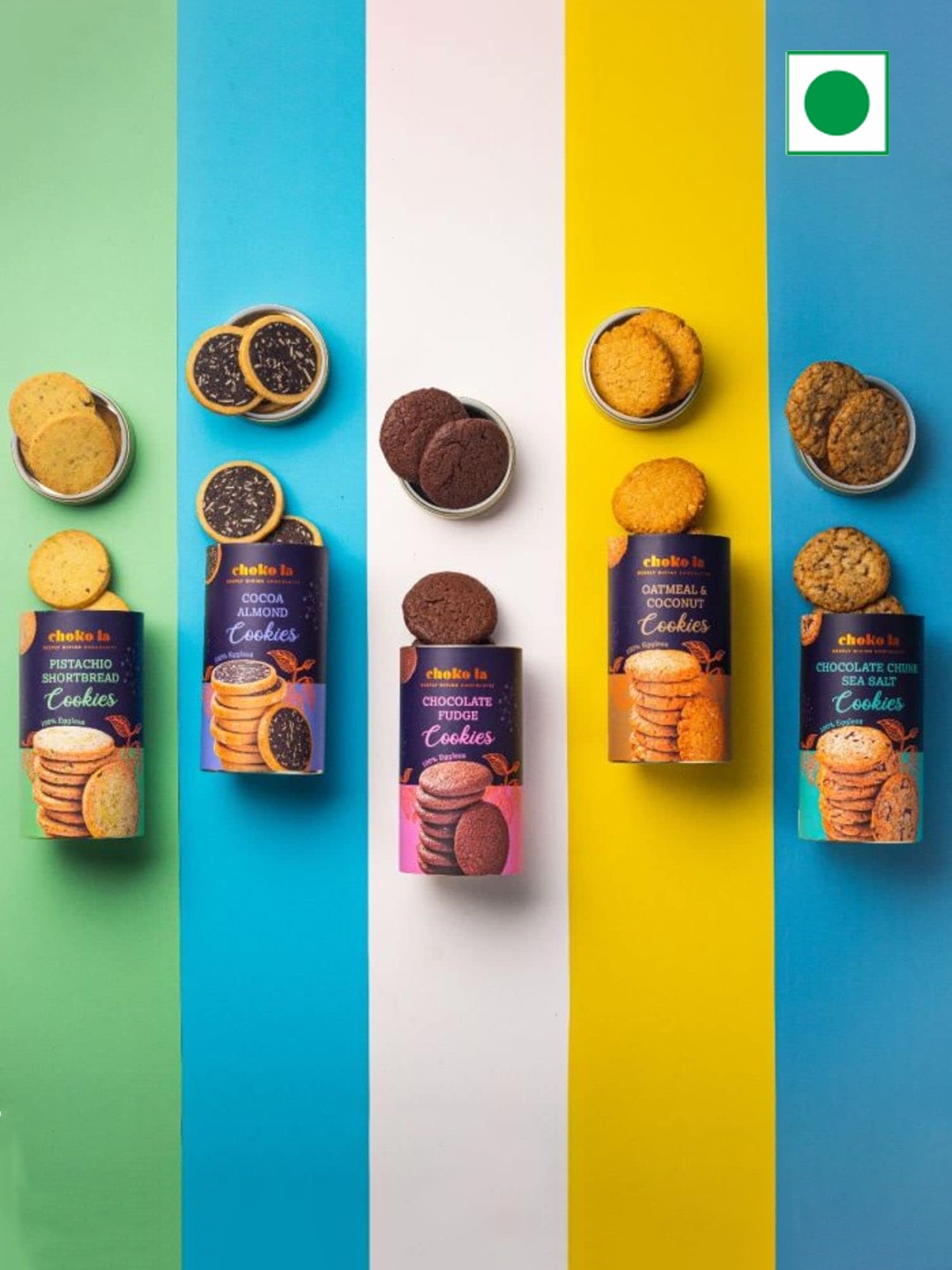
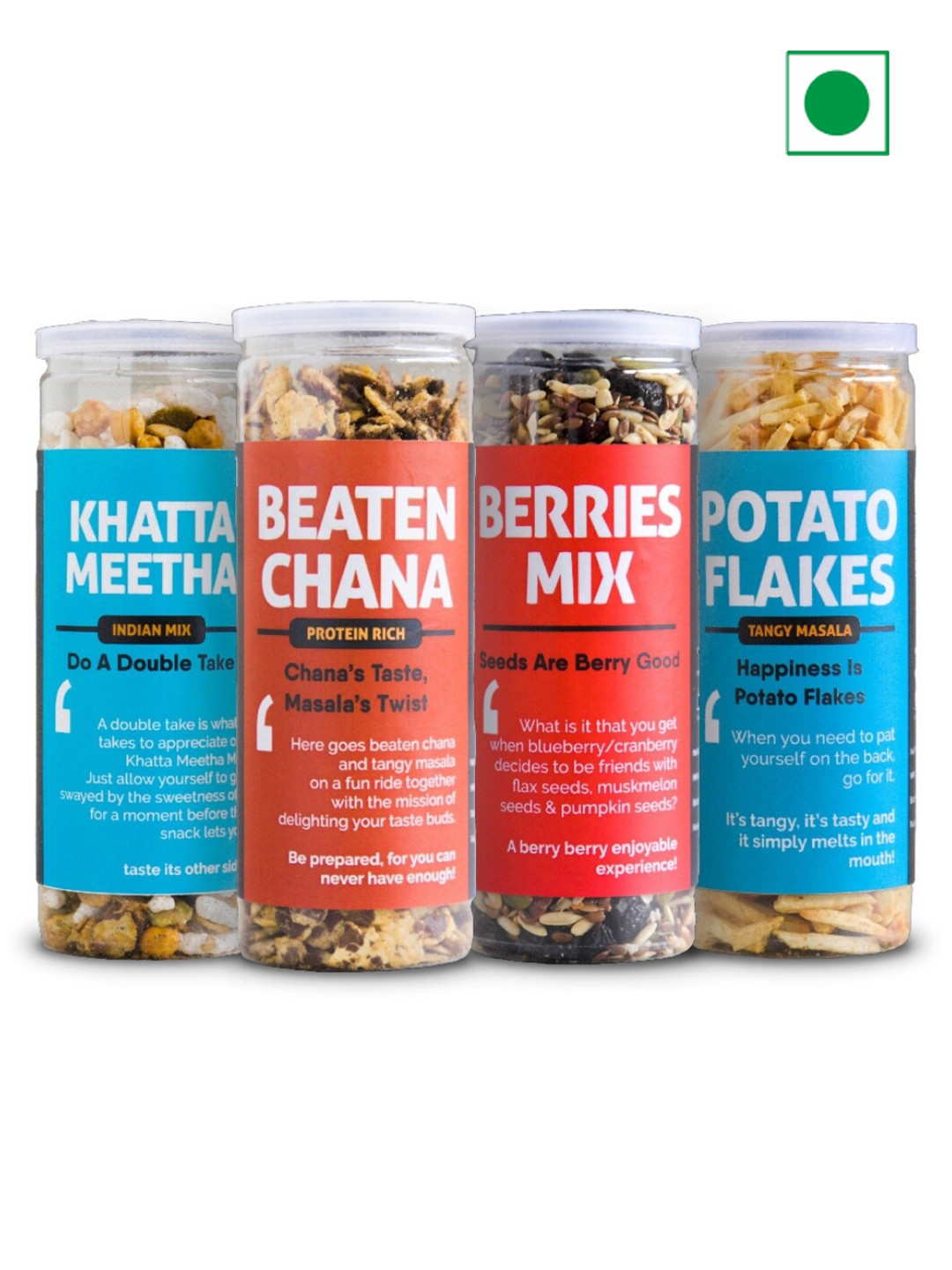
Some Lohri Related Products You May Like
1. Paper Boat Chikki Jar, Peanut Bar | Gajak | Sweets | Made with Jaggery
2. Hyperfoods Lohri Gifts Pack of 6 Gajak
3. Hyperfoods New Year Gifts For Friends Gift For Makar Sankranti Gajak Barfi
4. Amazon Brand - Vedaka Raw Peanuts
5. Kitoko Rajwadi Revadi
6. MITHILA FOODS Moori Lai Laddu
7. ORGANIC NATURE Homemade Gud ki Rewari
8. Paaramparik Til Laddu Sugar Free
Frequently Asked Questions (FAQs)
1. What is Lohri and why is it celebrated?
Lohri is a Punjabi harvest festival marking the end of winter and the sun's northward journey, celebrated with bonfires, songs and traditional foods.
2. Why do we offer til, phulley and moongphali during Lohri?
These offerings symbolise prosperity, joy and strength, and are also seasonally nourishing during winter.
3. When is Lohri celebrated in 2026?
Lohri falls on January 13, 2026, the evening before Makar Sankranti.
4. What foods are traditionally eaten on Lohri?
Popular Lohri foods include til laddoos, gajak, rewari, peanuts, popcorn, sarson da saag and makki di roti.
5. What is the significance of the Lohri bonfire?
The bonfire represents warmth, light and the return of longer days, and serves as a communal space for offerings and celebration.
(Disclaimer: This article may include references to or features of products and services made available through affiliate marketing campaigns. NDTV Convergence Limited (“NDTV”) strives to maintain editorial independence while participating in such campaigns. NDTV does not assume responsibility for the performance or claims of any featured products or services.)