How To Choose The Right Cycle For Your Routine: City, Fitness Or Leisure Explained
Choosing a cycle sounds simple, but step into any store and the rows of frames, gears and glossy colours can feel overwhelming. Explore how riders pick a cycle that fits their lifestyle.
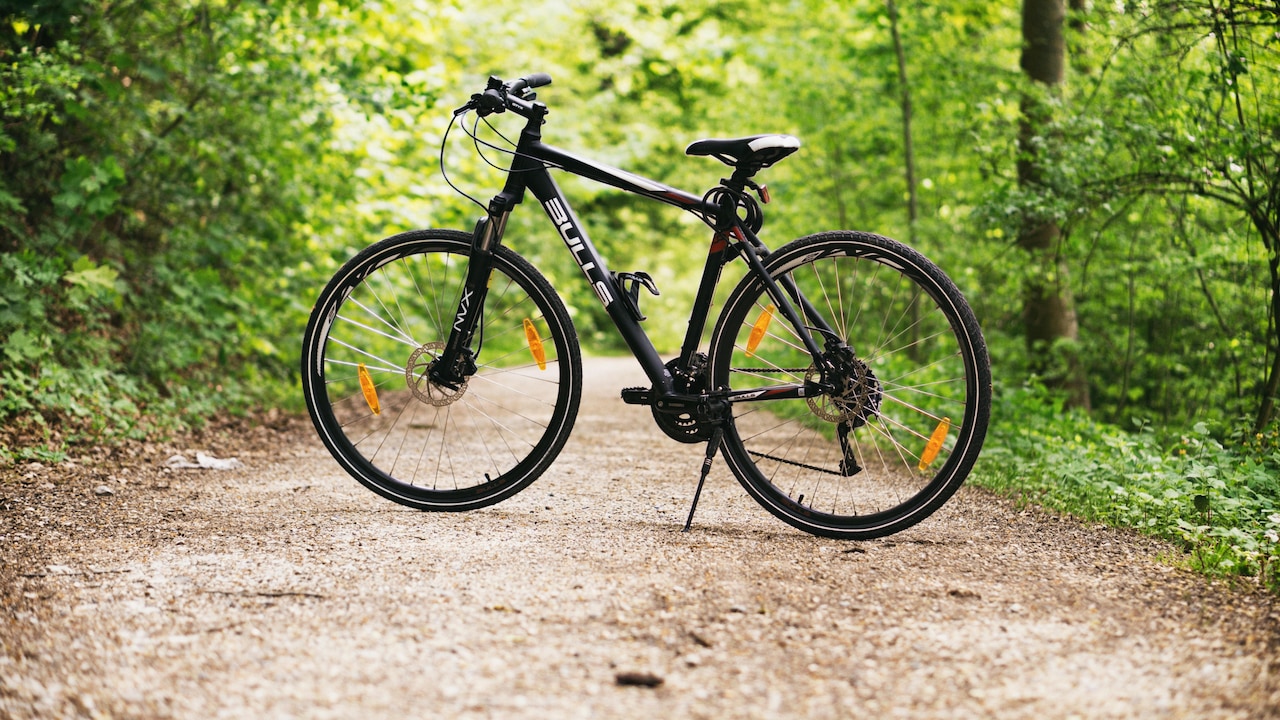
Explore 10 easy tips on how to choose the right cycle online for fitness, city and more.
Cycling has quietly become part of daily life again. Early mornings now hum with the sound of tyres rolling past tea stalls, and late evenings often feature someone pedalling home with a backpack bouncing rhythmically behind them. Whether it's rising fuel costs, crowded buses, or a renewed love for fresh air, more people are rediscovering the joy of cycles. But with so many cycling styles and types available, selecting the right one can feel like decoding a puzzle. A city bike promises comfort, a fitness bike demands energy, and a leisure bike whispers weekend serenity. So, here we reveal how to choose the right cycle for your routine.
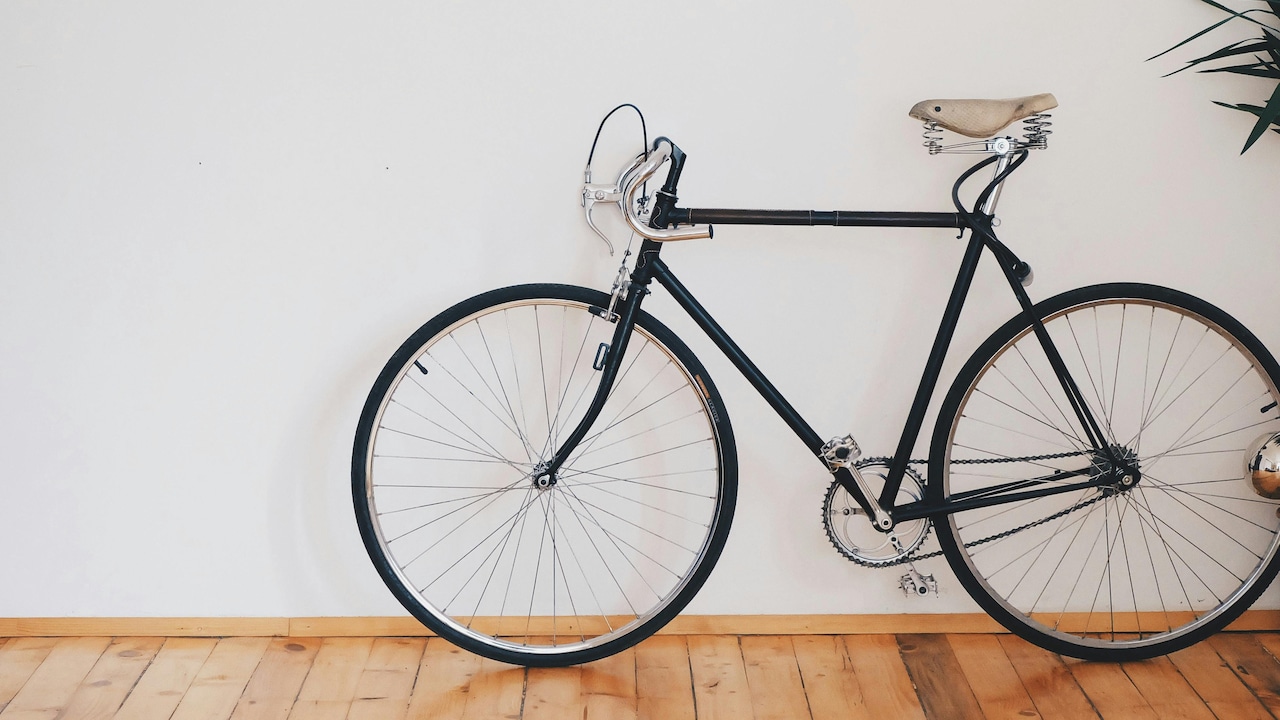
Here Is All About How To Choose The Right Cycle For Your Real Routine: City, Fitness Or Leisure; Photo Credit: Pexels
Key Factors That Shape the Perfect Cycling Experience
1. Understanding Your Daily Route and Riding Purpose
The first step to choosing a cycle is knowing where those wheels will actually go. For many, the daily route is a blend of narrow lanes, uneven patches, and stretches of smoother road. Some pedal through morning market chaos, dodging fruit carts and the occasional curious cow. Others take quieter paths lined with gulmohar trees, using the ride as a gentle warm-up before a demanding day.
Think about the purpose that drives the decision. If the cycle replaces auto rides or helps reach the metro station quicker, comfort and practicality matter most. If fitness goals are calling, then speed and precision become important. And if the dream is slow, mindful rides during early Sunday calm, then convenience and ease take centre stage.
Understanding both the terrain and intention helps narrow the choices. A city bike absorbs bumps with grace. A fitness bike pushes the pace on open stretches. A leisure bike brings carefree comfort. When the route and intention are clear, the choice becomes far simpler.
2. Weight, Frame Material and How They Change the Ride
The frame decides a cycle's personality. A lighter frame feels quick and responsive, wonderful for longer rides or fitness routines. Aluminium frames, often seen in city and fitness cycles, strike a sweet spot: light, durable and easy to manoeuvre. Steel frames, slightly heavier, offer a smoother, more forgiving ride, perfect for relaxed cruising or short daily errands.
Picture lifting the cycle to the second floor because the building lift hasn't worked since last year. A lighter cycle suddenly becomes a blessing. On the other hand, some enjoy the grounded feel of a steel frame, especially when weaving through uneven paths or carrying a small bag of groceries hung from the handle.
Frame geometry also affects comfort. A more upright structure keeps the back relaxed, while a slightly forward-leaning design encourages faster speeds. Matching your comfort preference with a suitable frame material and style makes everyday rides far more enjoyable.
3. When Gears Matter and When They Don't
Gears can look intimidating, small shifters, numbers, and talk of “ratios”. But the idea is simple: gears help control effort. For those riding on mixed terrain or tackling flyovers regularly, gears bring relief. They reduce strain and help maintain rhythm, especially during early morning rides when energy hasn't fully kicked in.
However, for flat-city commutes, gears may not be essential. Many riders prefer single-speed cycles for their simplicity. There's no worrying about adjustments, maintenance stays low, and pedalling feels straightforward. Single-speed cycles shine in crowded areas where frequent stops are expected.
If the daily route includes varied paths, occasional slopes or a deliberate fitness target, gears are worth the investment. But if life involves easy cruising through familiar neighbourhood roads, single-speed cycles keep the experience light and fuss-free.
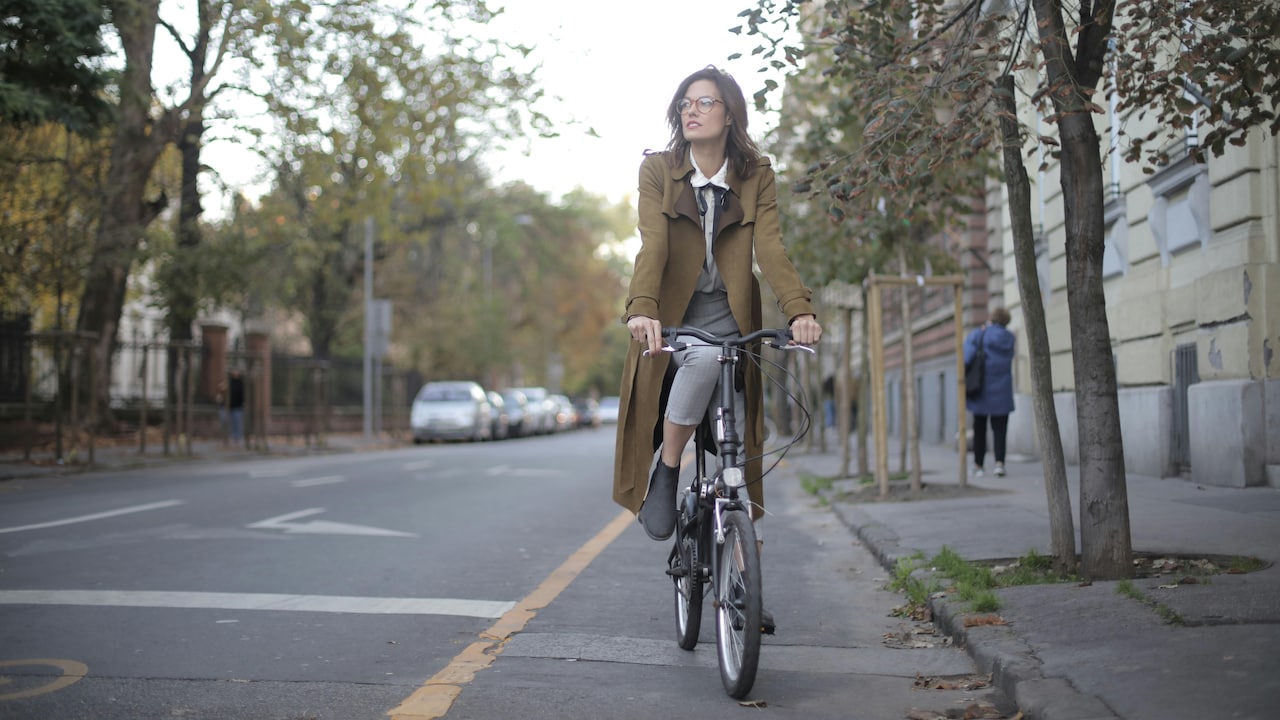
Always consider the gears when buying cycle for yourself; Photo Credit: Pexels
4. Tyres and Wheels: How Much Cushion Your Ride Really Needs
Tyres decide how comfortably the cycle glides over real-world roads. Wider tyres with generous grip make bumpy stretches feel kinder. They handle potholes, wet patches, and surprise speed breakers well. Such tyres are ideal for city or leisure riders who prioritise comfort over speed.
Slimmer tyres, found on fitness-oriented cycles, focus on efficiency. They create less friction and feel smooth on open stretches, perfect for maintaining a brisk pace. However, they're not as forgiving of rough patches.
Wheel size also plays a role. Standard 26” or 27.5” wheels suit most riders and terrains. Larger 29” wheels roll easily over obstacles and maintain momentum, appealing to those covering longer distances.
Choosing tyres and wheels should depend on where you expect the cycle to roll most often. Comfort and control often win for daily use; speed and precision matter more for fitness routines.
5. Brakes: Safety First, Always
Reliable brakes turn a good ride into a safe one. There are two common types: rim brakes and disc brakes. Rim brakes are lighter and work well for basic city commutes. They're budget-friendly and easier to maintain. However, in monsoon weather or on muddy patches, disc brakes outperform them.
Disc brakes, found on mid- to high-range cycles, deliver sharp, consistent stopping power. They shine in chaotic traffic where sudden halts are common, especially with unpredictable pedestrians stepping onto the road without warning. Many riders feel more confident with disc brakes during evening rides where dim lighting demands quick responses.
Selecting the right brakes depends on riding conditions. If safety is a concern or if the daily route includes heavy traffic, disc brakes offer that extra layer of control. For simple neighbourhood rides, rim brakes quietly get the job done.
6. Comfort Features: Saddle, Handlebars and Riding Posture
Comfort decides whether the cycle becomes a daily companion or a forgotten purchase parked beside the water tank. A supportive saddle makes all the difference, especially during longer rides. Cushioned saddles suit leisure and city riders, while sportier, slimmer saddles appeal to fitness enthusiasts who want maximum efficiency.
Handlebar style affects posture. Flat handlebars offer stability and keep the rider upright, reducing strain on the back and neck. They're common in city and leisure cycles. Slightly curved or aerodynamic handlebars tilt the posture forward, ideal for those chasing speed or endurance.
Small adjustments can transform the experience. Raising the saddle a little or adjusting the handlebar angle can prevent soreness. A comfortable posture ensures the ride feels natural, not like a daily workout for the spine.
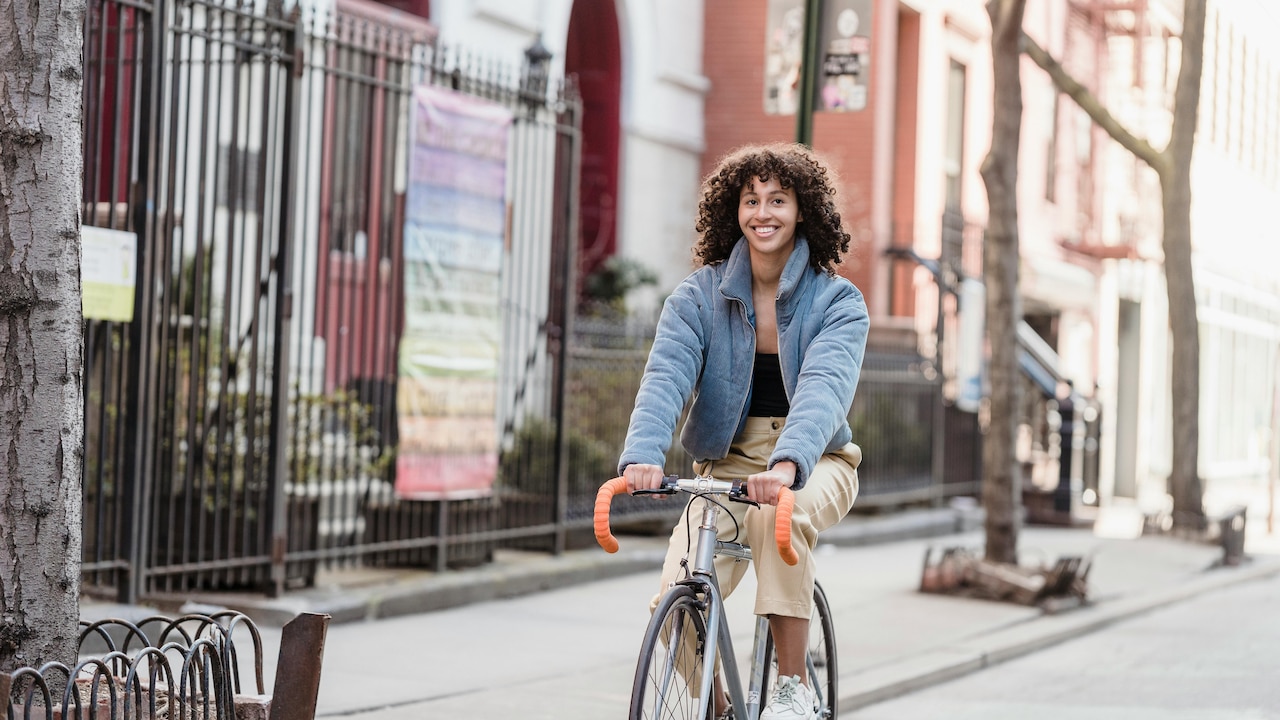
Look for comfortable features for a smooth ride; Photo Credit: Pexels
7. Budget Planning and What Truly Adds Value
Cycles now range from ₹5,000 to ₹50,000 and beyond. But price alone doesn't dictate usefulness. Many practical city cycles sit comfortably under ₹15,000, offering durability, decent brakes and a smooth ride. Fitness cycles, especially those with high-quality gears and lightweight frames, usually start around ₹20,000.
Instead of chasing flashy features, it helps to focus on essentials. Good tyres, a reliable braking system, a comfortable frame and dependable build quality matter more than trendy colours or unnecessary accessories. A simple mudguard or bottle holder may sound trivial, but they often prove far more useful than premium decals or oversized branding.
Planning a budget should include maintenance. A well-kept cycle always performs better, and occasional servicing, often ranging from ₹300 to ₹800, keeps everything running smoothly. Choosing value over glamour leads to a cycle that stays faithful for years.
8. Test Rides: Why They Should Not Be Skipped
A test ride reveals truths that no product description can. The moment the pedals turn, the cycle either feels like a natural extension of the body or something slightly off. Some riders immediately connect with a lightweight frame; others prefer a steadier feel.
A quick ride around the shop, over small bumps or tight turns, helps understand balance, comfort and handling. The saddle height, the handle's grip, the effort needed to pedal, and even the quietness of the chain tell a story. Sometimes, a model that looked perfect online feels awkward in real life. A few minutes of riding can save both money and unnecessary frustration.
9. Maintenance and Long-Term Durability
A cycle is an investment that thrives with a little care. Regular chain lubrication keeps pedalling smooth. Checking tyre pressure every few weeks ensures efficiency and prevents punctures. Wiping the frame after dusty rides maintains its shine and prevents wear.
Durability depends on how thoughtfully the cycle is used. Avoiding heavy impacts, parking under shade, and servicing at least twice a year help keep the cycle in great shape. Even affordable models last long when maintained well, while high-end cycles suffer quickly without attention.
Shops often offer maintenance packages that include basic cleaning, brake adjustment and gear tuning. These small steps keep safety intact and extend the life of the components. A well-maintained cycle doesn't just perform better; it continues to feel trustworthy and enjoyable ride after ride.
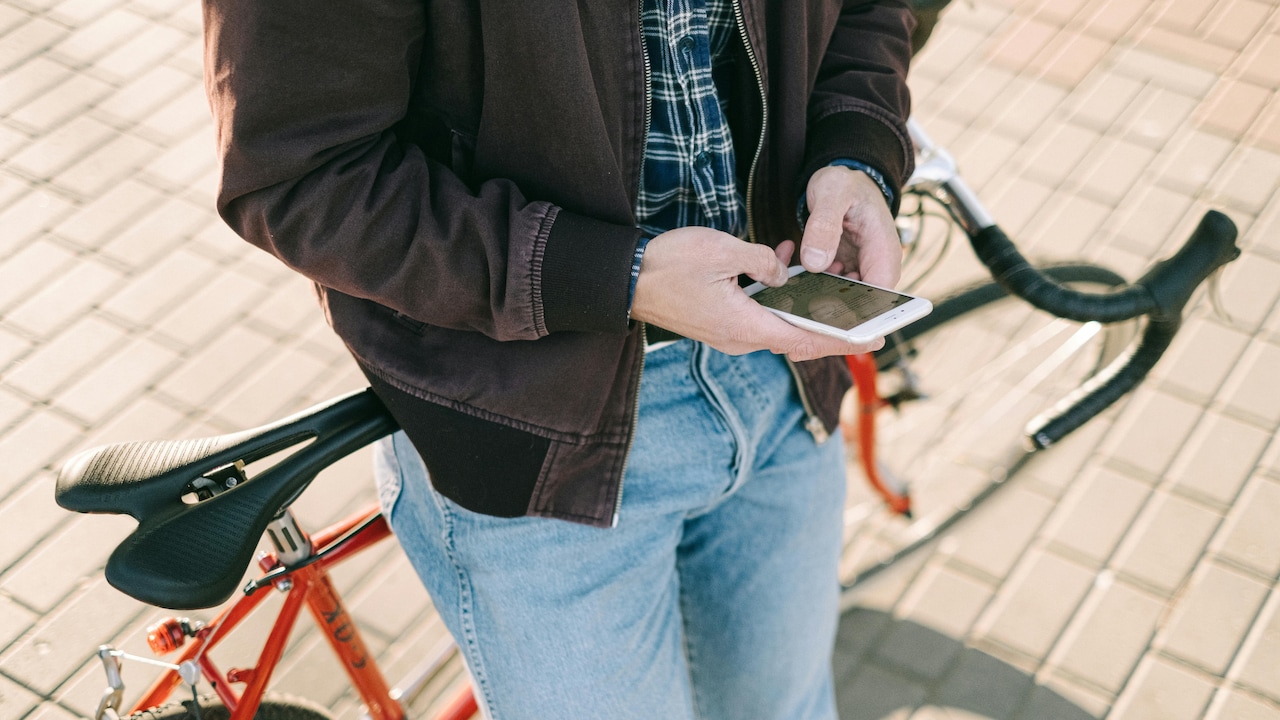
Opt for easy to maintain models that don't require much maintenance; Photo Credit: Pexels
10. Matching the Cycle to Your Personality and Routine
Ultimately, the perfect cycle reflects more than routine; it aligns with personality. Some prefer zipping past long queues of vehicles, enjoying the small victory of reaching home before anyone stuck in traffic. Others love the meditative rhythm of pedalling at dawn, watching the city wake up slowly. And many cherish relaxed evening rides through quieter streets, soaking in the breeze.
City cycles suit those who value practicality and ease. Fitness cycles belong to energetic riders who enjoy pushing limits. Leisure cycles cater to those who want simple, joyful moments on two wheels. Each style carries its own charm, and the ideal choice depends on what feels right emotionally as much as functionally.
A cycle should make daily life smoother, healthier and happier. When the cycle matches the rhythm of the rider, every ride, short or long, feels rewarding.
Products Related To This Article
1. Leader Beast 26T IBC Premium City Bike Cycle with Inbuilt Carrier
2. Leader Scout MTB 26T Bike Without Gear Single Speed for Men
3. VESCO Envy Black 26T Road Bike with Inbuilt Carrier
4. Hero Rove IC 24T Single Speed Mountain Bicycle for Adults with Inbuilt Carrier
5. Cradiac Squad 21 Speed High Performance Steel Mountain Cycles for Men
Choosing the right cycle isn't about following trends or picking the flashiest model. It's about understanding daily habits, comfort needs and the kind of experience desired on the road. Whether weaving through busy streets, chasing fitness goals or enjoying peaceful neighbourhood loops, the right cycle blends seamlessly into life.
With clarity about purpose, comfort, budget and riding style, selecting a cycle becomes a joyful decision rather than a confusing one. A well-chosen cycle becomes more than a vehicle, it becomes a companion that encourages healthier routines, clearer thoughts and a touch of everyday adventure.
(Disclaimer: This article may include references to or features of products and services made available through affiliate marketing campaigns. NDTV Convergence Limited (“NDTV”) strives to maintain editorial independence while participating in such campaigns. NDTV does not assume responsibility for the performance or claims of any featured products or services.)