How To Choose The Right Protein Powder If You're New To Supplements
New to protein powder and wondering which one you should buy? Here's how to pick the right type, check the label, and avoid common mistakes beginners make.

How To Choose The Right Protein Powder If You're New To Supplements
Walk into any supplement store today, and you'll probably freeze up a little. Whey, isolate, casein, plant-based, and mass gainer – the shelf looks like a chemistry lab, and every tub claims to be "the best." For someone who has never used a scoop before, the selection can feel more confusing than it needs to be. But here's the thing: choosing a protein powder isn't actually that complicated once you know what you're looking at. Most of the confusion comes from marketing language, not from the product itself. This article breaks it down in a way that should make sense even if you've never read a supplement label before. Nowadays, protein powder has slowly become part of everyday fitness routines, not just for bodybuilders anymore. Working professionals use it to fill protein gaps from a typical dal-chawal-heavy diet, and college students use it post-workout. If you're choosing your first tub, you're not alone.

New to protein supplements? Here is your ultimate beginner guide to choosing the perfect powder; Photo Credit: iStock
Also Read: Fuel Your Fitness Goals: Top 10 Best Protein Powders Under ₹1,999 You Can Buy Today
What Should You Actually Look For In A Protein Powder?
Before you get distracted by flavour names like "Belgian chocolate" or "kesar pista", there are a few basics worth checking first. These three things matter more than the packaging ever will.
1. Type Of Protein
Whey, casein, and plant-based protein all behave differently in the body. Whey digests fast and works well right after a workout. Casein digests slowly, which some people prefer before bedtime. Plant-based options, made from pea or rice protein, suit those who are vegan or lactose intolerant. For a first-timer, whey is usually the easiest starting point.
2. Protein Per Scoop
Check the label, not the front of the tub. A good scoop should give you somewhere between 20 and 25 grams of actual protein. Some brands print "30g protein blend" in bold, but once you read the nutrition panel, the real protein number is much lower.
3. Added Sugar And Fillers
A beginner-friendly powder shouldn't have sugar as the second or third ingredient. Seek options with under 2 to 3 grams of sugar per scoop, and avoid anything with a long list of artificial fillers you can't pronounce.
Whey Concentrate, Isolate, or Plant-Based?
This is where most beginners get stuck, so let's simplify it a bit.
1. Whey Concentrate
Whey concentrate is the most common and the most affordable type. It has slightly more lactose and fat compared to isolate, but for someone just starting, that's rarely a problem. If your goal is general fitness and you're not lactose-sensitive, concentrate works perfectly well.
2. Whey Isolate And Plant-Based Proteins
Isolate goes through extra filtering, so it has less lactose and a slightly higher protein percentage. It costs more, and a beginner doesn't need to spend that extra money right away. Only choose plant-based protein if you can't tolerate dairy, as it may take time to get used to its taste and texture.
Common Mistakes First Timers Make
Everyone makes a few mistakes when they buy their first tub. Knowing them in advance can save you both money and a bad first experience.
1. Buying Based On Price Alone
The least expensive tub on the shelf frequently compromises on protein quality. That doesn't mean you need the most expensive one either. A brand that provides lab testing reports is typically the safest option, falling somewhere in the middle of the price range.
2. Ignoring Your Diet
Protein powder is meant to fill a gap; it isn't meant to replace real food. If your daily meals already include eggs, dal, paneer or chicken in decent quantity, you may not even need a full two scoops a day. Many beginners end up over-supplementing without realising it.
How To Actually Start Using It
For beginners, one scoop a day, right after your workout, is sufficient. You don't need to double up just because the tub suggests it. Mix it with water to cut calories or milk for creaminess and fullness.
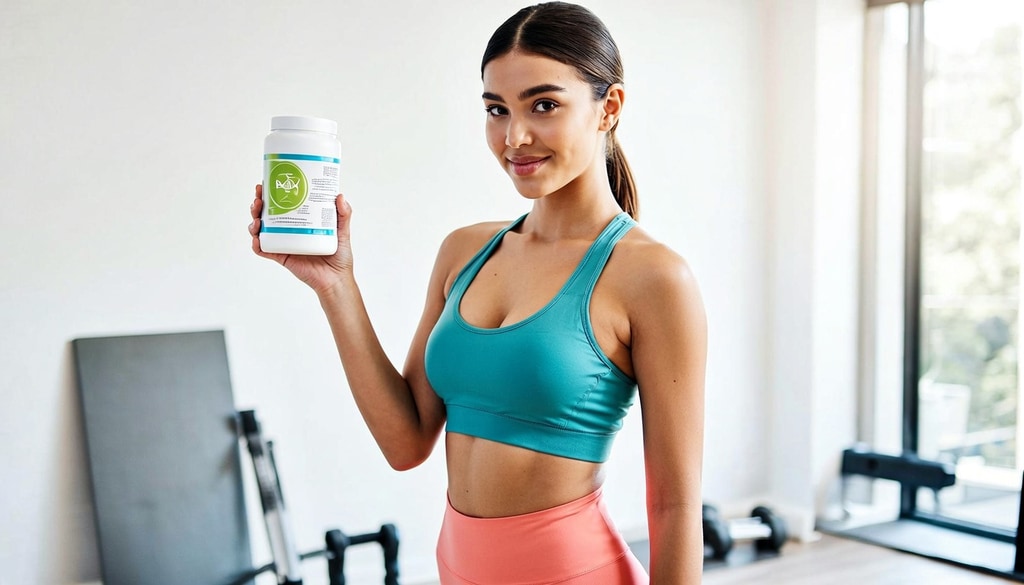
Discover how to select the best protein powder and avoid common mistakes when starting out; Photo Credit: iStock
Some Protein Powder Options You May Like
1. MuscleBlaze Biozyme Performance Whey Protein Powder
2. NAKPRO NUTRITION Impact Whey Protein Isolate & Concentrate
3. NUTRABAY Gold 100% Pea Protein Powder
4. Bigmuscles Nutrition Premium Gold Whey
5. Tata 1mg Pro+ Soy Protein Supplement Powder
6. Optimum Nutrition (ON) Gold Standard 100% Whey Protein Powder
7. Yogabar ProClean Plant Protein Powder
8. Sparkfusion Plant Protein Powder: Isolated Pea & Brown Rice Protein Powder
Protein powders provide a wide variety of choices to suit fitness goals, dietary needs, and budgets. From plant‑based blends to whey isolates, each option supports muscle recovery and overall wellness. Ultimately, they make it simple, accessible, and effective to achieve daily nutrition targets. Shop now on Amazon
Frequently Asked Questions (FAQs)
1. Is protein powder safe if I've never used supplements before?
Yes, for a healthy adult, 1 scoop per day is completely fine. In case of any kidney diseases or other illnesses, you need to consult your doctor first.
2. Can protein powder be used as a substitute for food?
No, protein powder can be used only to supplement your regular diet and should never replace your meals.
3. How long does it take to notice any changes after taking protein powder?
The answer depends on the person; however, usually, people start noticing better recovery and slight improvement in their strength in about 3-4 weeks after regular intake combined with workouts.
4. Will protein powder help me gain weight?
Yes, but only if your overall daily calorie intake increases. Protein powder alone won't make you gain weight because 1 scoop of whey protein contains fewer calories.
5. Is whey protein suitable for vegetarians?
Yes, whey is made from milk; thus, it's a vegetarian product, but not vegan. For vegans, it is better to choose pea or rice-based protein.
(Disclaimer: This article may include references to or features of products and services made available through affiliate marketing campaigns. NDTV Convergence Limited (“NDTV”) strives to maintain editorial independence while participating in such campaigns. NDTV does not assume responsibility for the performance or claims of any featured products or services.)