How To Handle Acidity After Heavy Festive Meals
Suffering from acidity after heavy festive meals? Here are simple, effective home remedies and lifestyle tips to ease heartburn, bloating, and indigestion fast.
How To Handle Acidity After Heavy Festive Meals
Festive meals are a treat to the eyes – big spreads, rich gravies, fried snacks, and desserts that you only see once a year. But somewhere between the second helping and the third sweet, your belly starts protesting. Do you feel that tight, burning sensation in your chest or throat? That is acidity, and it is one of the most common complaints after heavy festive eating. The oily food, irregular timing of meals, and eating much more than usual put your digestive system under real pressure. Doing it quickly and gently can make the difference between a miserable evening and a comfortable one. Find some products from Amazon to ease your acidity. While most people will take an antacid tablet without a thought, there are some simple ways of managing acidity without resorting to medication. It's the little things, more than you might think, from what you drink to how you sit after eating. Here are some tips for both immediate relief and a few habits to incorporate into your party routine.
Why Heavy Festive Meals Cause Acidity In The First Place; Photo Credit: iStock
Why Heavy Festive Meals Cause Acidity In The First Place
1. Too Much Food, Too Fast
If you eat a huge amount all at once, which is what happens at almost every festive gathering, your stomach produces more acid to break down the load. There is no comfortable place for that excess acid to go, so it pushes up into the oesophagus. Add a few fried snacks and sugary sweets, and the stomach empties even slower, which just prolongs that burning feeling.
2. The Role Of Spices And Fatty Foods
Rich and spicy foods and deep-fried foods relax the lower oesophageal sphincter, the small muscular valve that keeps stomach acid in its place. When that valve loosens, acid reflux is almost a certainty. That's why a heavy biryani or a plateful of samosas hits different than a light meal, particularly when you've had enough before that dish even rolls around.
Also Read: From Edible Seed To Dry Fruits: Top 10 Healthy Foods You Can Add To Your Breakfast Routine
Quick Home Remedies To Ease Acidity After Eating
1. Sip Cold Milk Or Buttermilk
Milk is cold and contains calcium, so it also has a natural antacid action. A small glass after a big meal can neutralise stomach acid rapidly. Buttermilk is similar – light and easy on the stomach; the lactic acid in it helps balance the digestive environment. Add a pinch of cumin or black salt to buttermilk; it makes it more effective and tastes even better as well.
2. Chew Some Fennel Seeds
Fennel seeds contain compounds that relax the muscles of the gastrointestinal tract, reduce gas, and ease that uncomfortable bloated feeling. A little teaspoon, chewed slowly after eating, will settle the stomach in fifteen or twenty minutes. It's one of the easiest, most approachable things you can grab when you're at someone else's house during the holidays.
3. Drink Warm Ginger Water
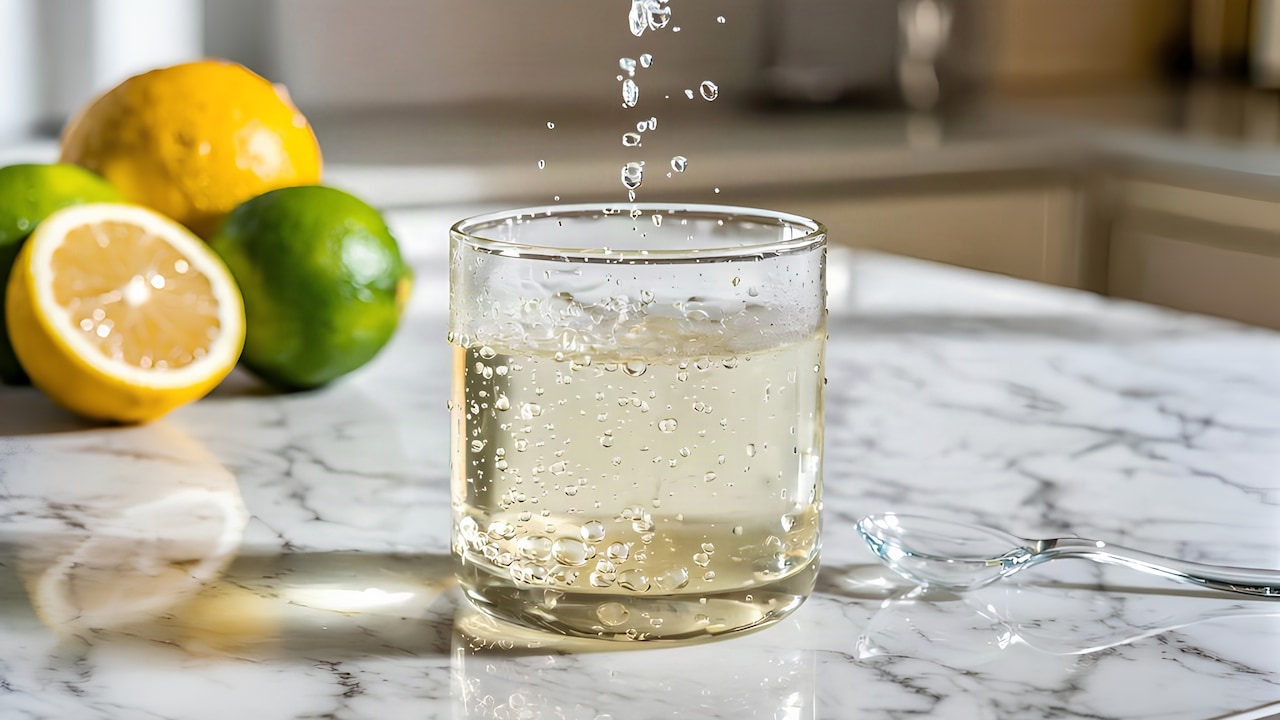
Ginger has anti-inflammatory properties that help calm an irritated stomach lining. A cup of warm water with a few slices of fresh ginger or a pinch of dried ginger powder helps to soothe the nausea and reduce the burning sensation. It's worth keeping fresh ginger on hand at this festive time specifically for these purposes.
Lifestyle Adjustments That Help Right After A Meal
1. Stay Upright, Don't Lie Down Immediately
If you lie down after a large meal, you are almost guaranteed to get acid reflux, as there is no gravity to keep the contents of the stomach down. After eating, sit down or take a slow, short walk for at least thirty minutes to give your digestive system time to process the food properly. A gentle walk around the house is more than enough; you don't need anything strenuous.
2. Loosen Tight Clothing
Sounds small, but it really makes a difference. Tight waistbands and shapewear put physical pressure on your stomach and push acid up. Changing into looser clothing after a festive meal is not just a matter of comfort; it actually reduces the pressure on your stomach that contributes to reflux. Even having one unbuttoned is more helpful than most people realise.
What To Avoid After A Heavy Festive Meal
1. Skip The Tea Or Coffee Right After Eating
A big meal feels like a natural time to enjoy a cup of tea, but both tea and coffee are known to relax the oesophageal sphincter and make acid reflux more likely. If you need something warm, try plain warm water with a little cumin, or opt for peppermint tea instead, which is much easier on the stomach after a rich spread.
2. Avoid Carbonated Drinks
The gas in fizzy drinks, which includes sodas, sparkling water, and even some packaged juices, presses on the stomach, which can make burping and reflux worse. If you're already full and uncomfortable after a meal, plain water is always the better choice.
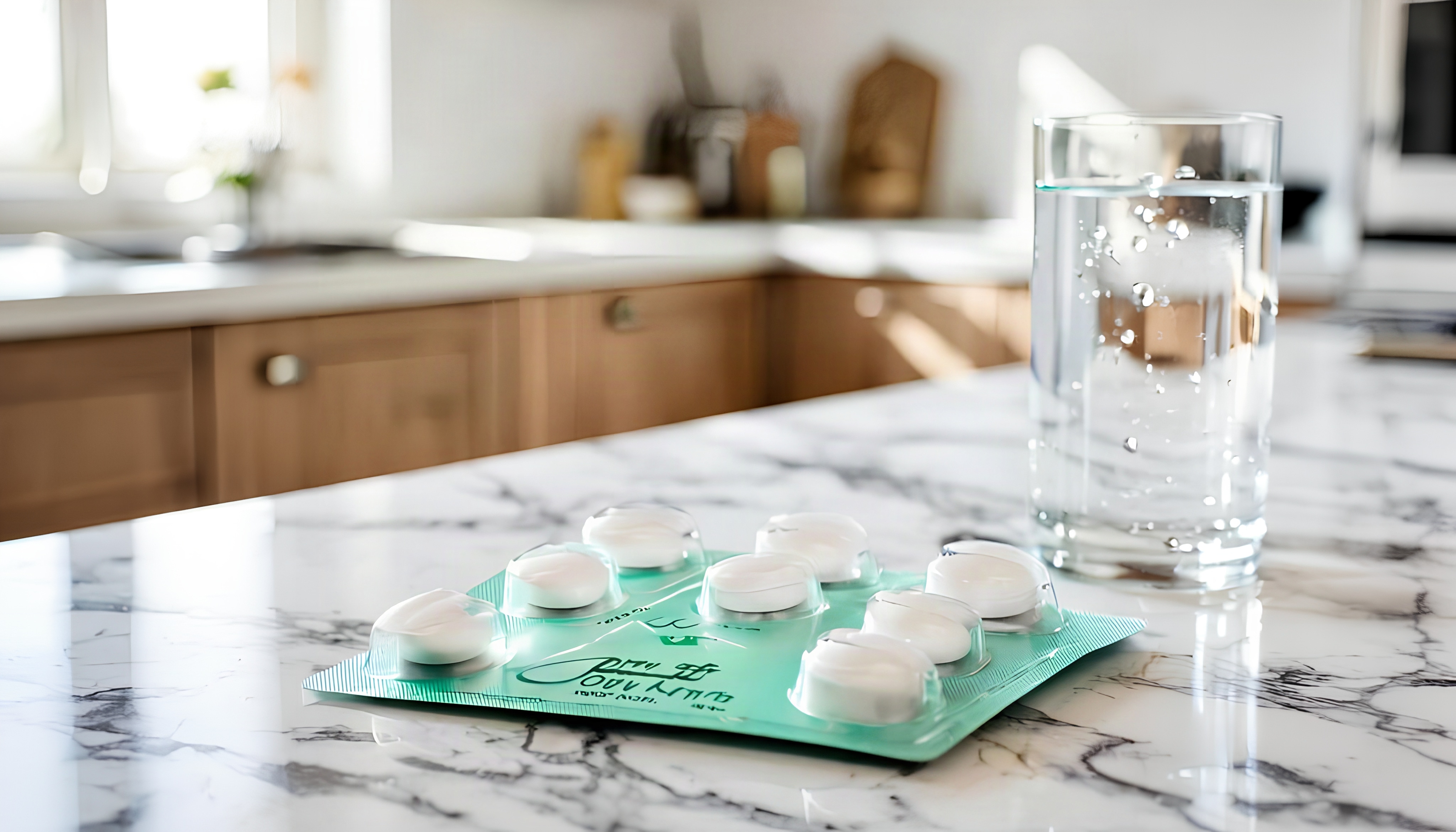
Some Products You May Like; Photo Credit: iStock
Some Products You May Like
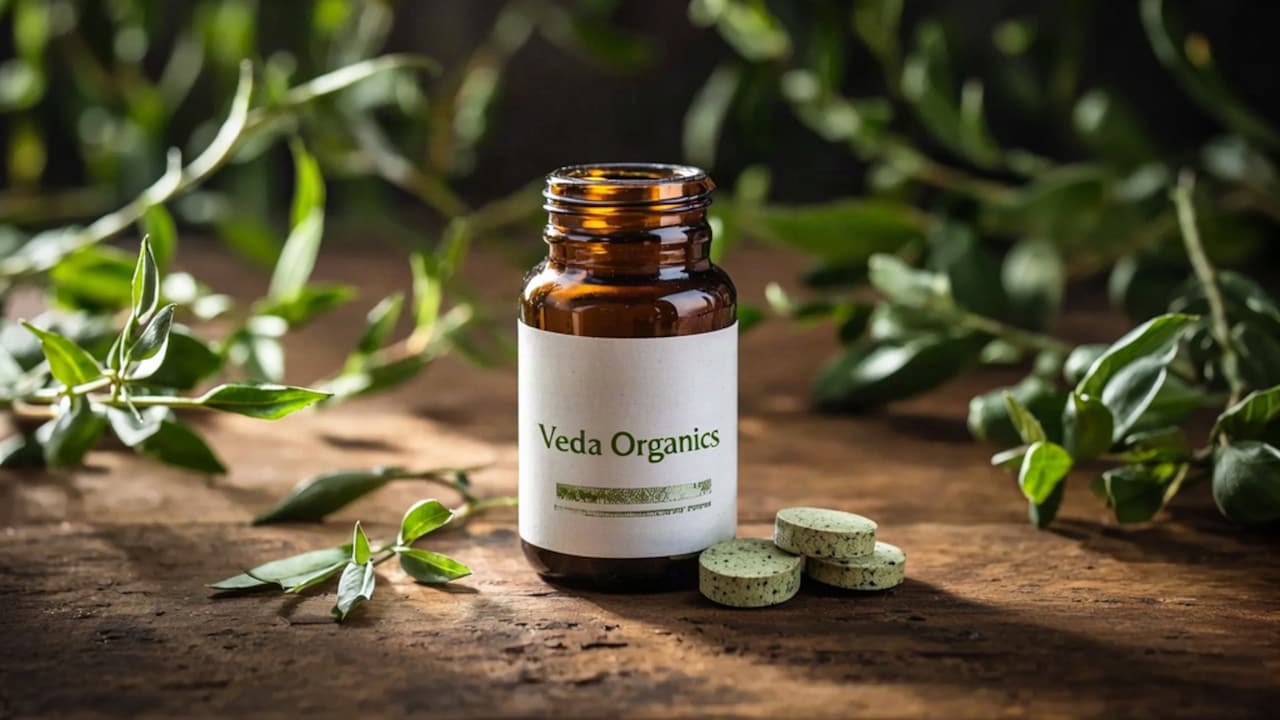
1. Vedistry Dipya Acidity Relief Tablet
2. Zandu Pancharishta Ayurvedic Digestive Tonic
3. Healing Hands Acidity and Indigestion Kit
4. Wellbeing Nutrition Melts Acidity Relief
5. Jiva Saaf Saaf Tablets
6. A TATA Product – Organic India Bowel Care
7. Mankind Gas-O-Fast for Relieving Acidity
8. DR VAIDYA'S Acidity Relief Capsules Ayurvedic Medicine For Acidity and Gas
Handling acidity after heavy festive meals is about smart habits and quick remedies. Stay hydrated, avoid lying down immediately, choose lighter portions, and try natural aids like ajwain water or cold milk. With mindful eating and simple home remedies, you can enjoy festive feasts without the discomfort of acidity. Shop now on Amazon.
Frequently Asked Questions (FAQs)
1. How long does acidity last after a heavy meal?
For most people, acidity from overeating settles within one to two hours with basic remedies like fennel seeds, buttermilk, or a short walk. If it persists for several hours or keeps recurring, it's worth speaking to a doctor.
2. Is it okay to take an antacid immediately after eating?
An occasional antacid is generally fine, but relying on it regularly after every large meal isn't ideal. It masks the symptom without addressing the cause. Try home remedies first and use an antacid only if the discomfort is quite severe.
3. Can drinking water help with acidity after eating?
Plain warm water can help dilute stomach acid and ease mild acidity. However, drinking excessive quantities right after eating can overfill the stomach and worsen things, so small, steady sips are better than gulping.
4. Does sleeping position matter when you have acidity at night?
Yes. Sleeping on your left side is known to reduce acid reflux because of the position of the stomach. Elevating your head slightly with an extra pillow also helps prevent acid from travelling upward during the night.
5. Which foods make acidity worse during festive meals?
Fried snacks, very spicy curries, heavy sweets, carbonated drinks, and alcohol are the main culprits. Eating slowly and skipping second helpings of the richest dishes can make a noticeable difference to how you feel afterwards.
(Disclaimer: This article may include references to or features of products and services made available through affiliate marketing campaigns. NDTV Convergence Limited (“NDTV”) strives to maintain editorial independence while participating in such campaigns. NDTV does not assume responsibility for the performance or claims of any featured products or services.)