How To Set Up A Small Home Gym For Rainy-Season Workouts
Learn how to set up a small home gym for rainy-season workouts with compact gear, smart storage, safe flooring, ventilation and easy workout ideas at home.
How To Set Up A Small Home Gym For Rainy-Season Workouts
When monsoon clouds roll in, outdoor runs, evening walks and that quick trip to the neighbourhood gym can suddenly feel like a lot of effort. For many people, rainy days become an easy excuse to skip workouts altogether. But you don't need a spare room filled with expensive machines to stay active. A small corner at home can become a practical workout zone if you choose versatile equipment and organise it well.So, how do you set up a small home gym that works when the rainy season is here? The whole trick is you plan around the space you have, not just “what you want”, then pick equipment that can handle more than one job.
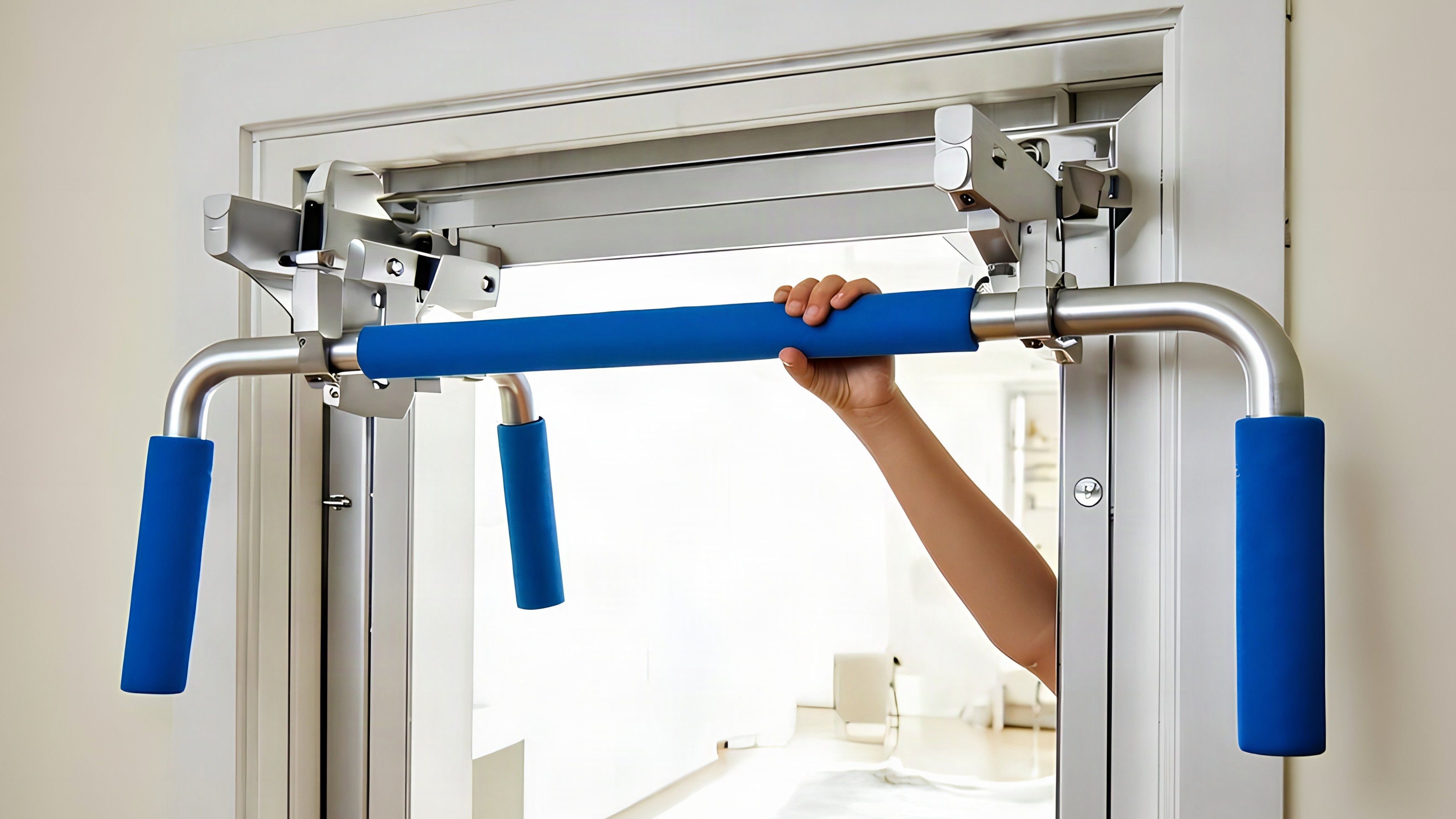
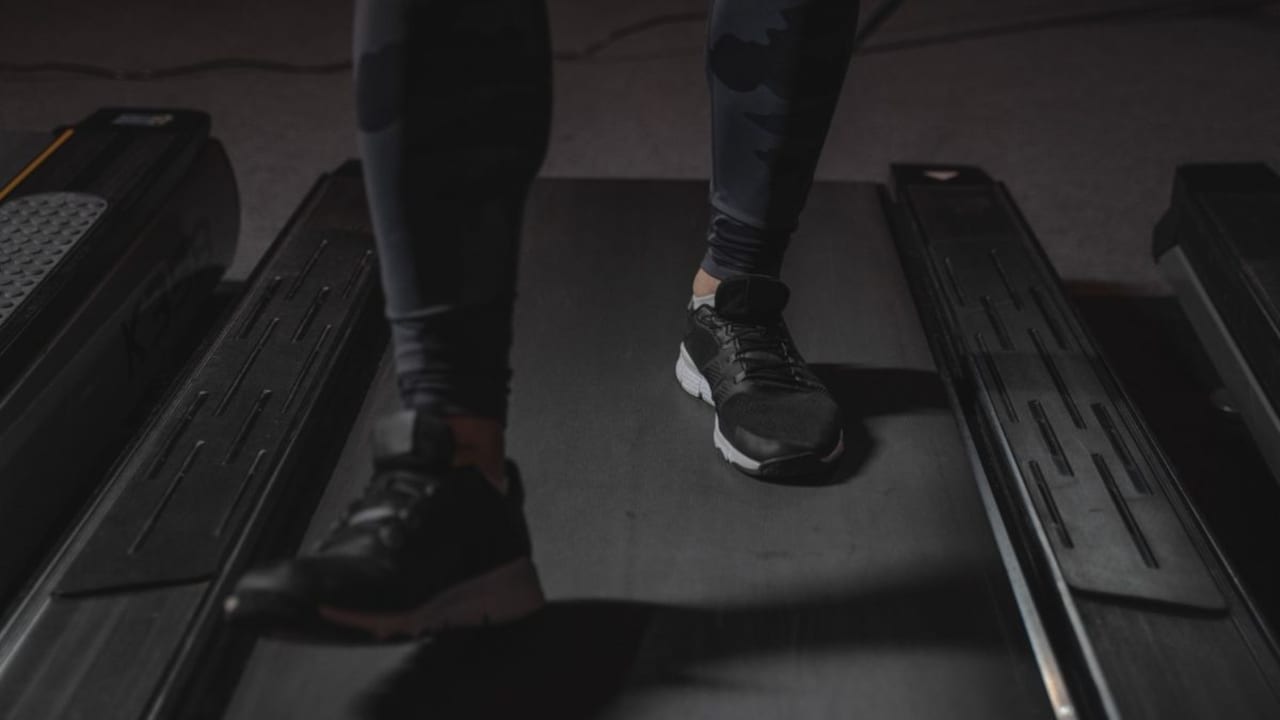
How To Set Up A Small Home Gym For Rainy-Season; Photo Credit: iStock
What Should You Plan Before Setting Up A Small Home Gym?
Before buying anything, look at the space you already have. A corner of the bedroom, study, living room or spare room can work if it gives you enough room to move without bumping into furniture.
Think about the exercises you normally enjoy. If your routine is mostly strength training, dumbbells and resistance bands may be enough. If you prefer yoga, mobility or bodyweight workouts, a good mat and some storage may be all you need.
Step 1: Pick a Dry, Well-Ventilated Spot
Pick a spot that is out of the direct rain, away from damp walls and all those places where water can sneak in. If there is a window or door nearby, it is even better, because doing indoor workouts can quickly make a small room feel warm and also closed in.
Step 2: Measure the Available Floor Space
Leave enough clearance for movements such as squats, lunges, stretching and arm exercises. Keep doors, cupboards and frequently used furniture accessible. A smaller workout area that allows free movement is much more useful than a larger space packed with equipment.
Step 3: Start With Multi-Purpose Equipment
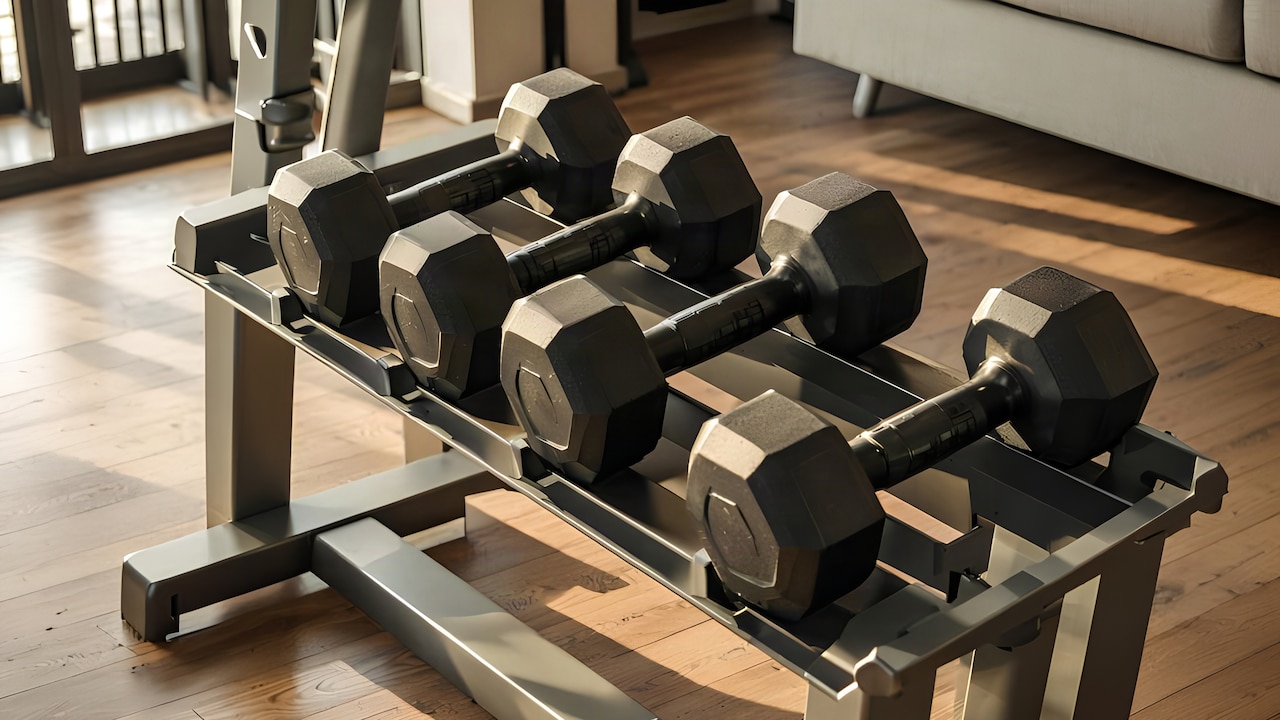
When space is limited, every piece of equipment should really earn its spot. Adjustable dumbbells can cover a bunch of strength exercises, while resistance bands can be leaned on for upper-body and lower-body work, plus mobility, too.
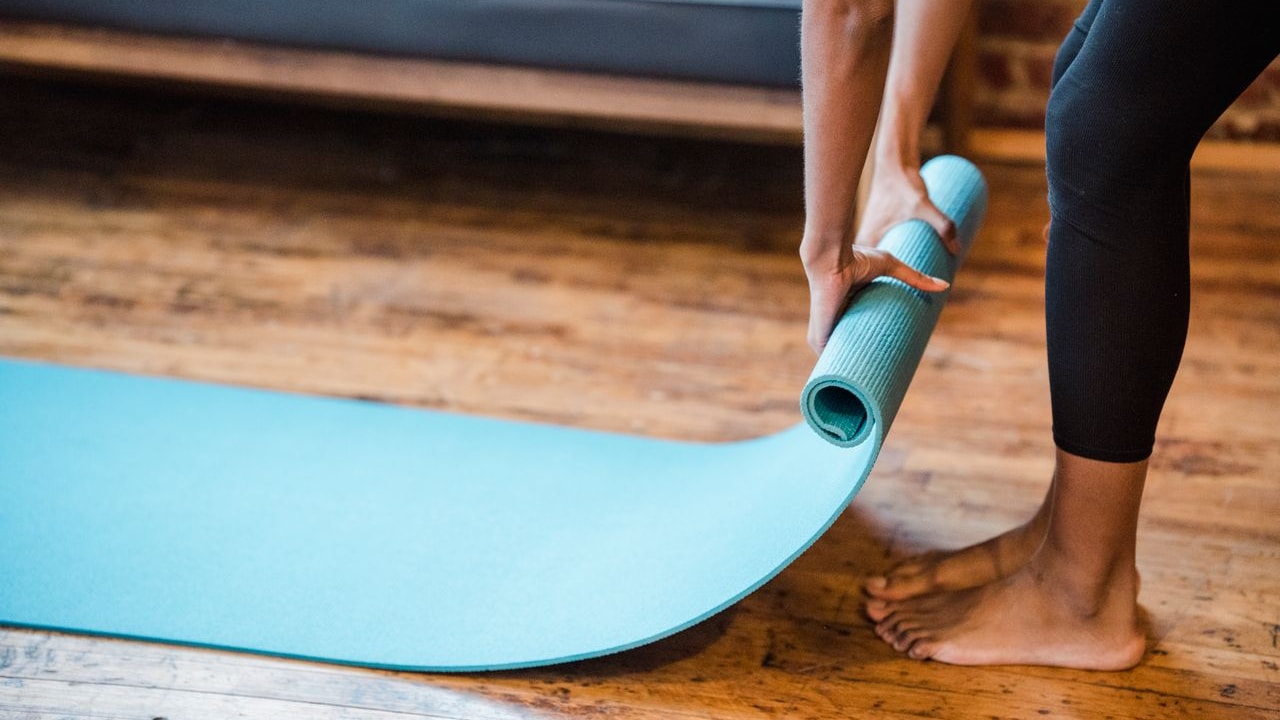
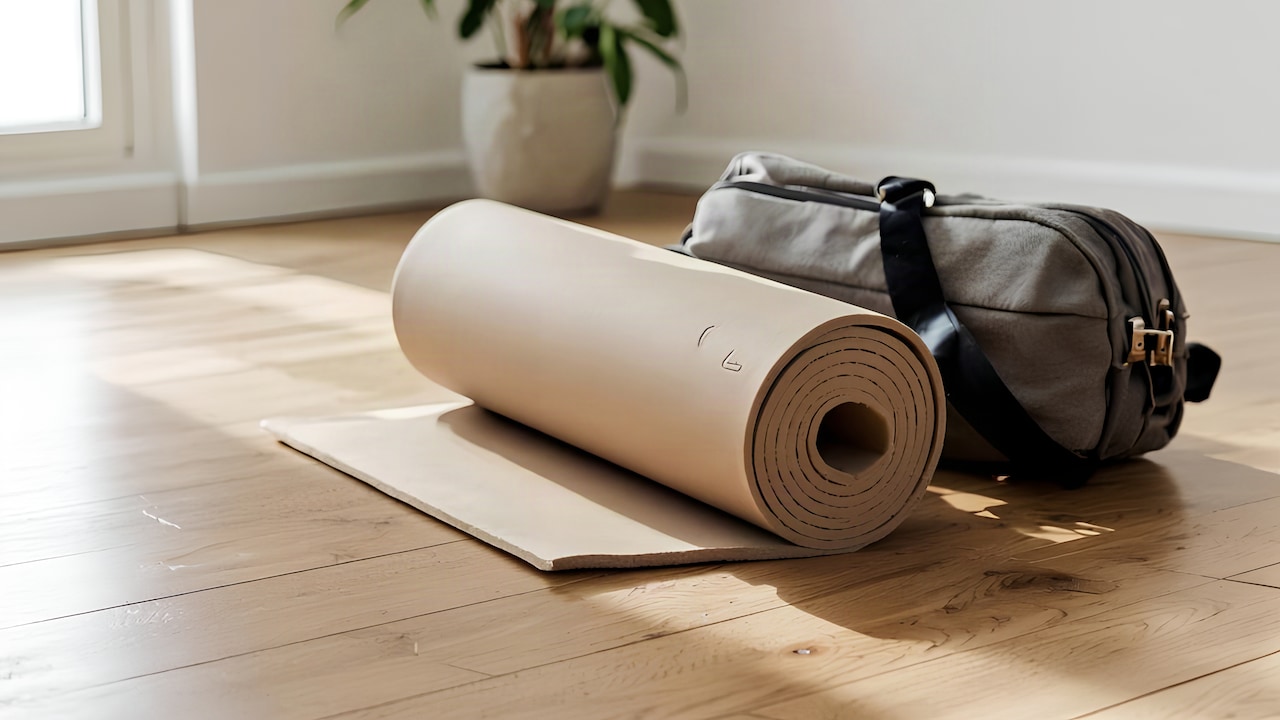
A yoga or exercise mat can also act as your stretching and bodyweight training surface. Rather than grabbing several machines right away, start with a few flexible pieces and tack on additional equipment only after you're sure you'll use it.
Step 4: Protect The Floor From Sweat And Impact
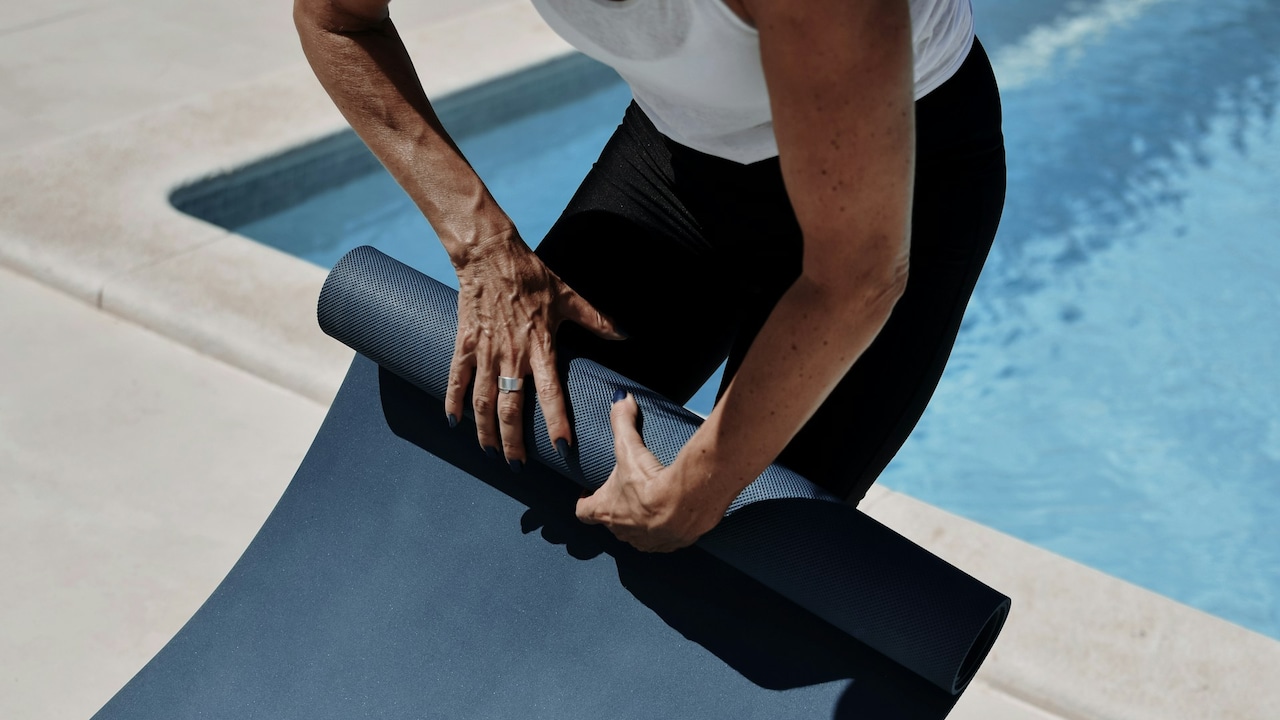
A suitable exercise mat can make the space more comfortable while creating a dedicated workout surface. For strength workouts, consider a thicker, non-slip mat or appropriate protective flooring, especially if weights are involved.
During the monsoon, pay extra attention to moisture. Let the mats dry fully after you clean them, or after you have been sweating heavily, because damp can hang around. Also try not to leave any wet gear just sitting there directly on wooden surfaces or on carpeted floors.
Step 5: Create A Simple Storage System
Small gyms can become cluttered surprisingly quickly. Keep frequently used equipment within easy reach, but don't leave everything spread across the floor.
Wall hooks, baskets, compact racks or a small shelf can help organise resistance bands, skipping ropes, towels and other accessories.
Step 6: Keep Ventilation And Humidity In Check
Rainy weather can make indoor spaces humid, especially if the windows are kept closed for long stretches. With decent airflow, though, workouts can feel more comfortable, and the room generally dries out faster after you're done exercising.
Try to open a window or door when the weather conditions allow it, or use a fan to get better air circulation. Steer clear of working out in a damp corner, where condensation or extra moisture has gathered, and let wet mats, as well as towels, dry properly.
Step 7: Build a Workout-Friendly Layout
Think of your home gym as a small movement zone rather than a collection of products. Keep the centre as open as possible and place heavier or less frequently used equipment along the edges.
You can create separate areas for strength, cardio and stretching without needing physical partitions. For example, keep dumbbells against one wall, your mat rolled nearby and smaller accessories in a basket or rack.
Step 8: Make The Setup Easy To Use Every Day
The best home gym is one that doesn't require ten minutes of rearranging before every workout. Keep your essentials visible and easy to access, and return everything to the same place after use.
You can also keep a simple workout plan ready so that rainy weather doesn't become a decision-making problem. A 20- or 30-minute routine using the equipment you already own can be enough to keep you moving consistently.
Also Read: 7 Home Fitness Buys Worth It This Monsoon
Which Equipment Is Most Useful For A Small Home Gym?
For a compact setup, try to prioritise the gear that lets you do several exercises without taking over the whole room too much. A pair of dumbbells can cover presses, rows, squats and also lunges, and resistance bands add another kind of resistance in a way that usually doesn't need much storage.
A mat is handy for those floor-based sessions, plus stretching and mobility-type work. You can also use a skipping rope as a small cardio choice but only if you've got enough ceiling height and floor clearance to use it safely and not smack into furniture.
You might even add a foldable bench if strength training is your main focus. Bigger items, like treadmills or bulky multi-gym machines, should be looked at later, once you've checked the floor space you actually have.
How Can You Make A Small Gym Comfortable During Monsoon?
Comfort matters because rainy-season workouts can feel very different from exercising in a well-ventilated commercial gym. Keep a towel and water bottle nearby, wipe down equipment after use and avoid storing damp accessories in closed containers.
Lighting can also change the feel of a small workout area. If the room is naturally dark during rainy days, adequate indoor lighting can make the space more inviting.
Most importantly, don't try to recreate a commercial gym at home. The goal is to create a convenient space where you can move, train and finish your workout without battling clutter.
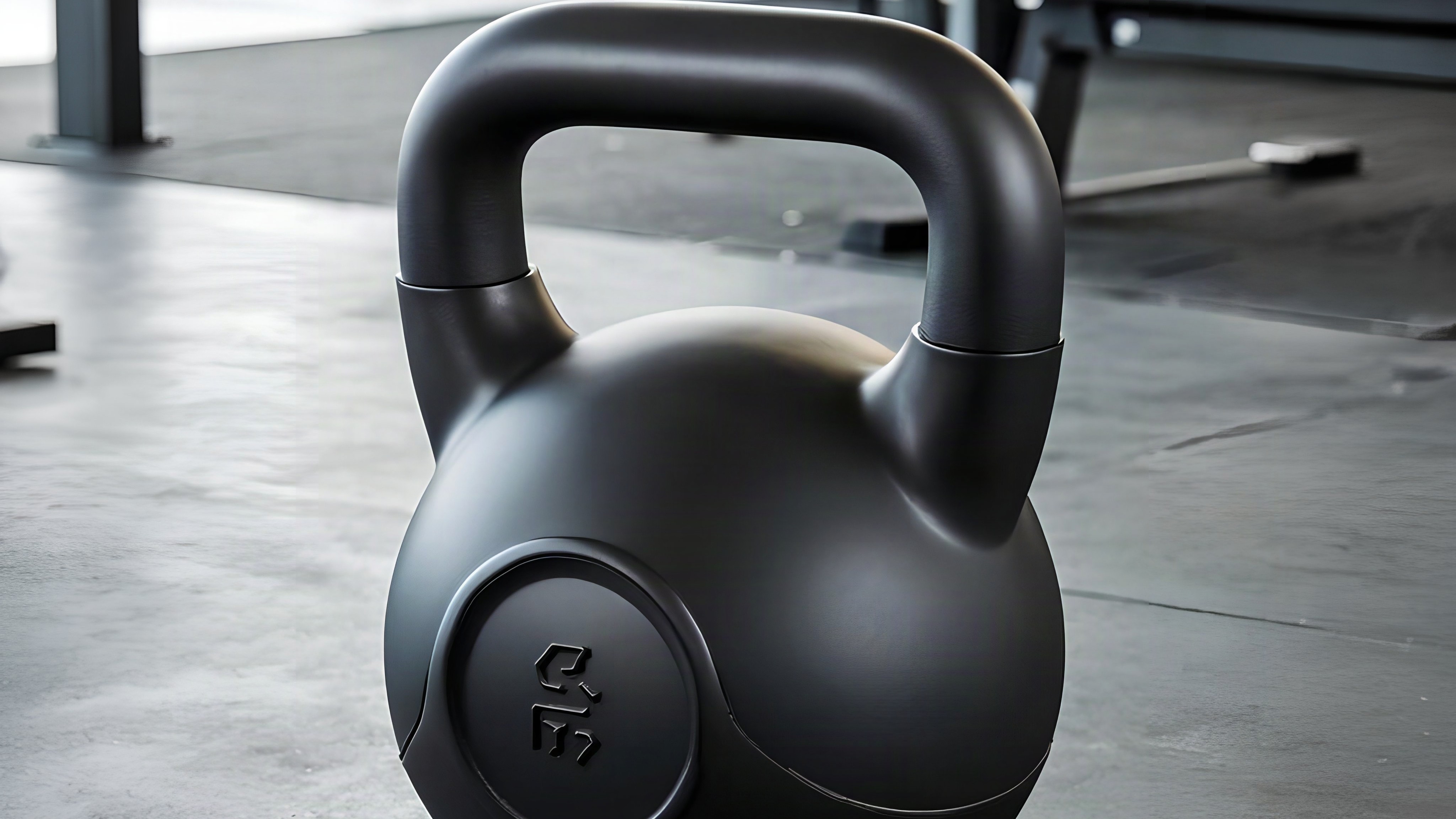
How To Set Up A Small Home Gym For Workouts; Photo Credit: iStock
Some Home Gym Products You May Like
1. De Jure Fitness PVC Kettlebell
2. LIVOX Gym Equipment Set for Home Workout Combo
3. Fashnex Resistance Bands Set for Exercise
B09G9W3WFL
4. Albio Overhead Hand Shoulder Pulley Equipment Kit
5. Lifelong Pull-Up Bar for Home
6. Protoner PVC 3-in-1 Convertible DM 4-40 Kg Dumbbell Set and Fitness Kit
7. Boldfit Heavy Resistance Band for Exercise & Stretching
8. Slovic Resistance Tube
While equipment is always great to have, none of them will be helpful unless you actually want to use them on a regular basis. For that, focus on the goals is a must and while buying, don't just pick up things without giving it a thought. First, see if you actually have the time, then check out your requirement and and thirdly, see how much area you can spare at home. Shop now on Amazon.
Frequently Asked Questions (FAQs)
1. How much space do I need for a small home gym?
You can create a useful workout corner without dedicating an entire room. The main point is getting enough clear floor space to do your planned exercises safely and comfortably too.
2. What equipment should I buy first for a home gym?
Start with versatile basics like dumbbells, resistance bands, and an exercise mat. Add the larger equipment only after you really get what your workout needs and what space you can spare.
3. Can I set up a home gym in a small bedroom?
Yes. A bedroom corner can work surprisingly well if you keep the exercise bit clean and not crammed, plus pick compact or even foldable gear and tuck it away again once you are done.
4. How do I prevent my home gym from getting damp during monsoon?
Keep the workout area away from leaks and damp walls, improve airflow and allow mats, towels and other equipment to dry completely before storing them.
5. Is a home gym useful for rainy-season workouts?
Yes. A compact indoor setup can make it easier to maintain your exercise routine when rain, wet roads or poor outdoor conditions make regular outdoor workouts inconvenient.
(Disclaimer: This article may include references to or features of products and services made available through affiliate marketing campaigns. NDTV Convergence Limited (“NDTV”) strives to maintain editorial independence while participating in such campaigns. NDTV does not assume responsibility for the performance or claims of any featured products or services.)