How To Use A Candy Thermometer Correctly For Perfect Desserts Every Time
A candy thermometer removes guesswork from sugar and chocolate work. Learn how to use it correctly to avoid burnt caramel, seized chocolate, and ruined desserts every time.

How To Use A Candy Thermometer Without Ruining Desserts: Simple-Temperature Control Tips.
Every dessert lover remembers that one kitchen mishap. Sugar turned grainy, syrup burned, or chocolate seized at the worst moment. Many of these heartbreaks trace back to temperature control. Sugar behaves like a moody artist. Treat it well, and it shines. Ignore its limits, and it throws a tantrum.
A candy thermometer offers clarity in this chaos. It removes guesswork and brings precision to recipes that demand it. Yet many home cooks treat it like a decorative accessory or distrust it entirely. That approach often leads to sticky countertops, wasted ₹300 worth of sugar, and a vow never to attempt caramel again.
Understanding how to use this simple tool makes dessert-making calmer and far more rewarding. From festival sweets to weekend treats, temperature accuracy ensures consistency in every dish. This article walks through practical, kitchen-tested ways to use a candy thermometer properly. Expect relatable examples, gentle humour, and advice that fits real kitchens, not showroom counters.
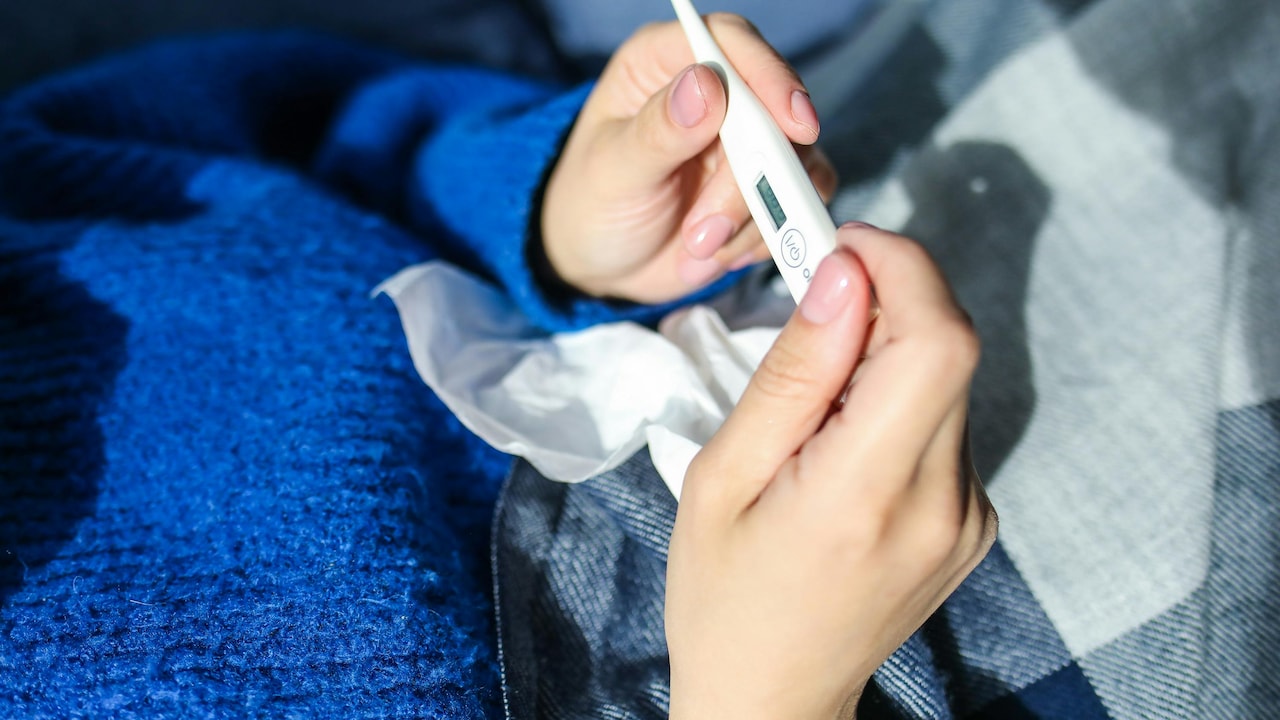
How To Use A Candy Thermometer Without Ruining Desserts; Photo Credit: Pexels
Getting It Right: Practical Tips for Using a Candy Thermometer
1. Understanding What a Candy Thermometer Actually Does
A candy thermometer measures high temperatures, far beyond what a regular kitchen thermometer handles. Sugar syrups climb rapidly from gentle simmer to fiery lava. Visual cues often mislead, especially in humid weather or crowded kitchens.
This tool tracks precise stages of sugar cooking, from thread stage to hard crack. Each stage suits a different dessert. Rasgulla syrup demands a lighter stage, while brittle requires a higher one. Guessing here risks texture disasters.
Many cooks assume bubbles tell the story. Bubbles lie. Large bubbles may appear early, while small bubbles may persist even as sugar burns. The thermometer cuts through that confusion. It gives numbers, not opinions.
Understanding this purpose builds trust in the tool. It does not complicate cooking; it simplifies it. With practice, the thermometer becomes a quiet guide, standing guard while flavours develop properly.
2. Choosing the Right Candy Thermometer for Home Kitchens
Not all candy thermometers suit every kitchen. Some clip onto pots, others float, and digital versions beep with enthusiasm. Each type has strengths.
Clip-on thermometers work well for deep pans and long cooking times. They sit securely and offer constant readings. Floating thermometers suit larger syrup volumes but need monitoring to avoid bumping pot edges. Digital versions provide speed and clarity but demand battery care.
Durability matters. A sturdy glass thermometer handles heat better than flimsy plastic parts. Clear markings help during rushed moments. Look for one that reads up to at least 200°C. That range covers most sugar work.
Price varies widely. A reliable option often costs between ₹600 and ₹1,200. Spending slightly more saves repeated replacements and ruined batches. The right choice feels like a helpful assistant, not an unpredictable guest.
Also Read: Health Alert! Top 5 Infrared Thermometers and Contactless Devices Under ₹1000 You Should Own
3. Preparing the Thermometer Before Cooking Begins
Many dessert mishaps start before the stove even turns on. A candy thermometer needs preparation. Washing it thoroughly removes factory residue or storage dust. Dry it properly to avoid water droplets affecting readings.
Calibration matters too. Place the thermometer in boiling water. It should read close to 100°C at sea level. Minor variations happen, but large differences signal trouble. Adjust expectations accordingly or replace the tool.
Placement requires attention. Clip-on thermometers should sit with the bulb fully submerged but not touching the pot's base. Contact with metal skews readings and leads to overcooked sugar.
This preparation takes minutes but saves hours of frustration. Treat the thermometer with the same respect as ingredients. That mindset sets the tone for smooth dessert-making and fewer panicked moments.
4. Managing Heat Levels Without Panic
High heat tempts impatience. Sugar heats quickly and punishes haste. Medium heat offers control and consistency. Sudden temperature spikes often overshoot the target stage.
A thermometer helps track progress, but heat control still matters. Adjust the flame gradually. When the temperature approaches the desired stage, lower the heat slightly. This pause allows fine-tuning.
Crowded kitchens add challenges. A pressure cooker whistling nearby or oil heating for snacks distracts attention. Keeping focus on the sugar pot avoids disasters.
Calm cooking produces better desserts. Rushing leads to scorched flavours and wasted ingredients. The thermometer acts as a steady voice, reminding cooks to slow down and trust the process.
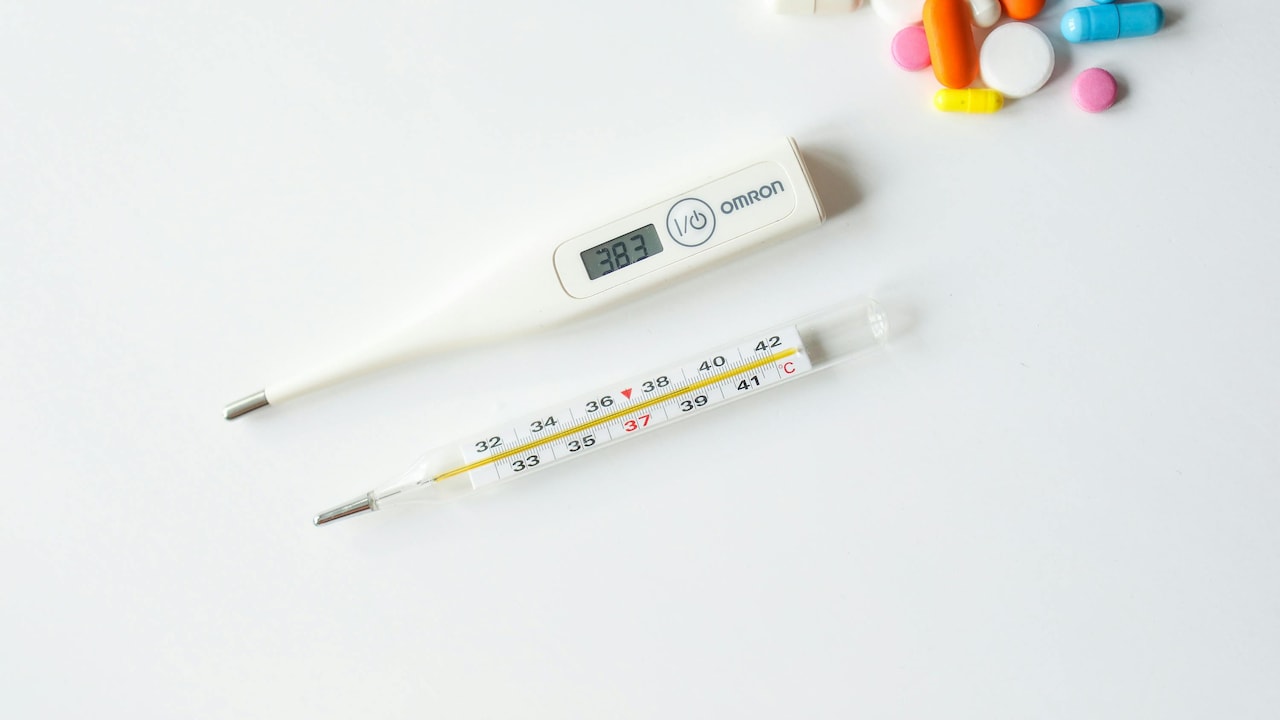
How To Use A Candy Thermometer Without Ruining Desserts; Photo Credit: Pexels
5. Knowing the Key Sugar Stages and Their Uses
Sugar stages sound intimidating, but follow a logical progression. Each stage suits specific sweets. Understanding these stages prevents mismatched textures.
The thread stage works for soaking syrups. Softball stage suits fudge and traditional milk sweets. Firm ball stage appears in marshmallows and nougat-style treats. The hard crack stage creates brittle and spun sugar decorations.
The thermometer identifies these stages accurately. Without it, cooks rely on water tests, which feel messy and inconsistent. Numbers offer clarity.
Memorising a few key temperatures builds confidence. Keeping a small chart nearby helps too. With time, recognising these stages becomes second nature, turning complex recipes into familiar routines.
6. Avoiding Common Thermometer Mistakes
Several mistakes sabotage desserts despite good intentions. Letting the thermometer touch the pot bottom ranks high among them. This contact reads metal heat, not sugar temperature.
Another mistake involves delayed cleaning. Sugar hardens quickly. Leaving residue turns cleaning into a chore and risks inaccurate future readings. Rinse the thermometer in warm water immediately after use.
Ignoring steam also causes trouble. Condensation clouds glass thermometers, making numbers hard to read. Wipe gently with a dry cloth when safe.
Finally, avoid multitasking during critical moments. Checking messages while sugar climbs invites disaster. Respect the thermometer's warnings. It speaks in numbers, but those numbers matter deeply.
7. Using a Candy Thermometer for Chocolate Work
Chocolate demands precision too. Tempering chocolate without a thermometer feels like driving blindfolded. Proper temperatures ensure shine, snap, and smooth texture.
Dark, milk, and white chocolate each require different ranges. Overheating causes seizing or dull finishes. A thermometer removes uncertainty.
Place the thermometer carefully to avoid scraping the bowl. Stir gently and monitor steadily. When chocolate reaches the correct temperature, remove it promptly.
Festival treats and gift boxes benefit hugely from tempered chocolate. Shiny truffles impress guests and travel better in warm weather. The thermometer turns chocolate work from intimidating to enjoyable.

How To Use A Candy Thermometer Without Ruining Desserts; Photo Credit: Pexels
8. Adjusting for Weather and Kitchen Conditions
Humidity affects sugar behaviour. Monsoon air thickens syrups and slows evaporation. Dry winter days accelerate cooking.
A candy thermometer accounts for these variations better than visual cues. Trust the temperature, not the clock. Recipes often suggest time ranges, but those ranges shift with the weather.
Altitude also influences boiling points. Kitchens in hill towns may notice lower boiling temperatures. Adjust target readings slightly if needed.
Understanding these factors reduces frustration. Desserts behave differently across seasons and locations. The thermometer adapts quietly, offering consistency despite changing conditions.
9. Building Confidence Through Practice
Confidence grows through repetition. Start with simple recipes. Sugar syrup for jalebi or gulab jamun offers excellent practice. These recipes forgive minor errors and build familiarity with temperature changes.
Celebrate small successes. Each properly cooked batch reinforces trust in the thermometer. Gradually attempt complex recipes like caramel or nougat.
Mistakes happen. Sugar burns, thermometers slip, and distractions occur. Treat these moments as lessons, not failures. Replace ₹200 worth of sugar if needed and try again.
Over time, the thermometer feels less like a tool and more like a partner in creativity.
10. Caring for the Thermometer for Long-Term Use
Proper care extends the thermometer's life. Clean it promptly after use. Avoid sudden temperature shocks, such as plunging hot glass into cold water.
Store it safely, away from heavy utensils. A cracked thermometer offers unreliable readings. For digital versions, remove batteries during long storage.
Occasional recalibration ensures accuracy. Boiling water tests take minutes and prevent surprises during important cooking sessions.
A well-maintained thermometer supports countless desserts. It earns its place in the kitchen drawer through reliability and consistency.
Products Related To This Article
1. Inkbird Stainless Steel Digital Meat Thermometer
2. Kitchen Thermometer Digital Multi-Functional with Instant Read Cooking Thermometer
3. Themisto Digital LCD Cooking Food Meat Probe Kitchen BBQ Thermometer
4. Candy Sugar Thermometer
5. ThermoPro TP-02S Instant Read Meat Thermometer Digital Cooking Food Thermometer
Dessert-making thrives on balance. Creativity meets science, and patience meets precision. A candy thermometer bridges these worlds effortlessly. It removes fear from sugar work and replaces it with confidence.
Used thoughtfully, this small tool prevents wasted ingredients, burnt flavours, and shattered expectations. It supports festive traditions, weekend experiments, and quiet moments of kitchen joy.
Understanding how to use a candy thermometer properly transforms dessert-making from a stressful to a satisfying experience. With practice, patience, and a little humour, even complex sweets feel achievable. Sweet success often comes down to one simple thing: knowing the right temperature at the right time.
(Disclaimer: This article may include references to or features of products and services made available through affiliate marketing campaigns. NDTV Convergence Limited (“NDTV”) strives to maintain editorial independence while participating in such campaigns. NDTV does not assume responsibility for the performance or claims of any featured products or services.)