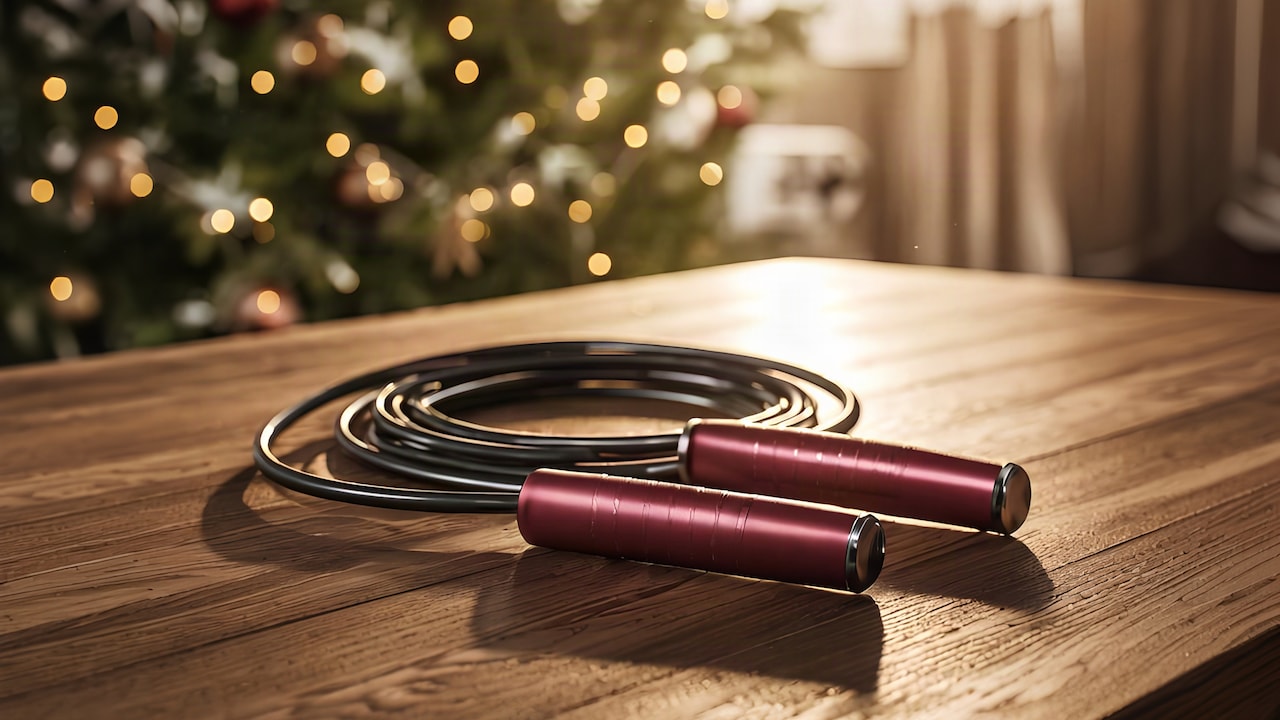
Resistance Bands Vs Dumbbells: Which Builds Strength During the Monsoon
Resistance bands vs dumbbells for monsoon workouts: Discover which effective home fitness option helps you build total strength during the rainy season.
Resistance Bands Vs Dumbbells: Which Builds Strength During Monsoon
The monsoon brings a kind of welcome break from the heat, but for people trying to keep up a strength training routine, it also shows up with its own set of complications. Outdoor workouts become less practical, gym trips feel like more effort than usual, and the general sluggishness of humid weather can make it genuinely challenging to stay consistent.

Resistance Bands Vs Dumbbells: Which Builds Strength During Monsoon
Photo Credit: iStock
If you've been quietly wondering whether resistance bands or dumbbells are the smarter choice for building strength at home during the rainy season, you're honestly not alone. The answer isn't really one clean thing you can point to. This guide looks at how both options hold up for monsoon training, what works well about each one, what can get tricky, and how to settle on the best choice for your fitness goals and home setup through the season.
Also Read: How To Use Resistance Bands For A Full-Body Workout
How Does Monsoon Humidity Affect Your Workout Routine?
High humidity makes physical effort feel harder than usual, and that can cause motivation to dip in a way that's easy to blame on laziness when it's actually just physiology. When combined with the limited outdoor access that most people experience during the monsoon, this situation often leads to skipped workout sessions, declining consistency, and a gradual loss of the strength gains achieved during the summer.
Resistance Bands: Are They A Good Choice During The Rainy Season?
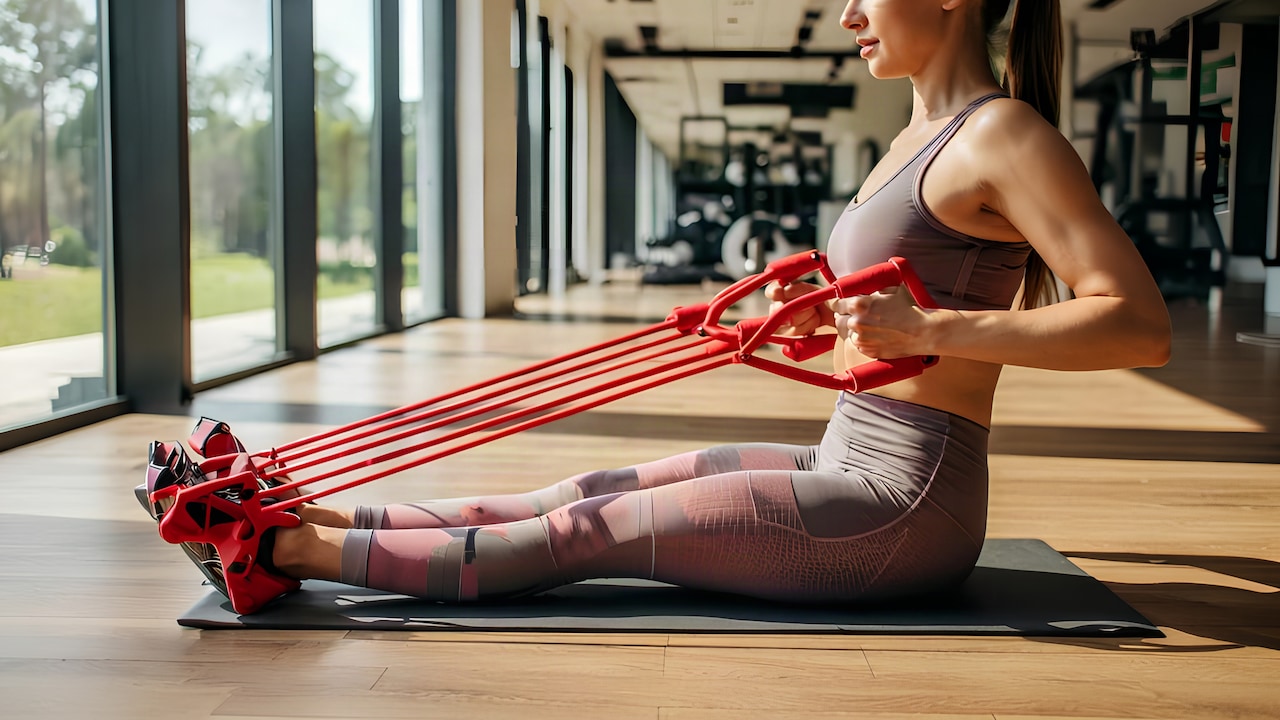
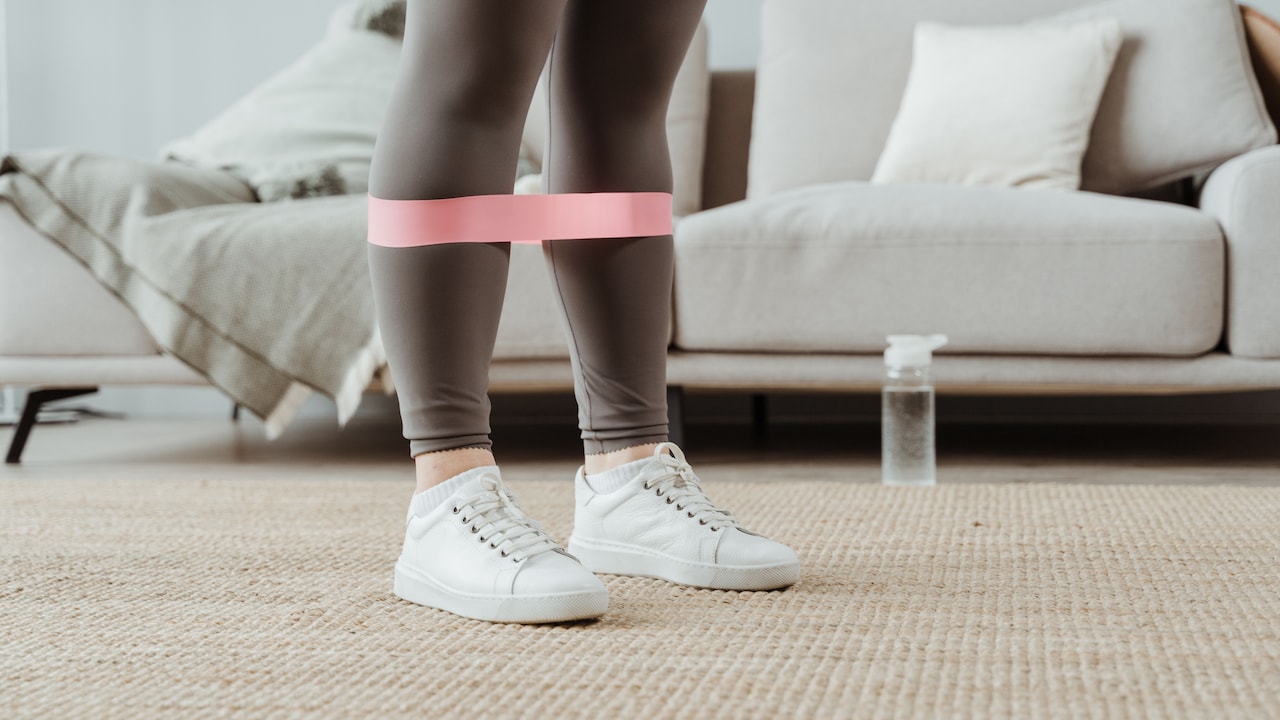
Resistance bands have gotten more popular as home gym equipment in recent years, especially with people who live in smaller spaces. They are affordable, take up almost no storage room, and can replicate a surprisingly wide range of exercises you would normally do in a gym.
Step 1: Understand Their Benefits
Resistance bands allow smooth, joint-friendly resistance through the full range of motion, which can actually reduce injury risk compared to fixed weights when form breaks down during fatigue. They are also portable and easy to store, which matters quite a bit during monsoon when dragging equipment in and out is not practical. A good set of bands covers everything from warm-up mobility work to serious strength training, and the progressive resistance levels mean you can scale difficulty up as you get stronger.
Step 2: Know Their Challenges In Humid Weather
The main concern with resistance bands during monsoon is moisture, honestly. Latex bands especially can deteriorate faster when stored in damp, humid conditions over time , and if a band develops a small nick or crack in humid air it can snap mid-exercise in a way that does not happen with a dumbbell. So keeping bands dry, storing them away from humidity, and checking for wear before each session—well, that becomes kind of essential throughout the season.
Dumbbells: Do They Perform Better In Humid Conditions?
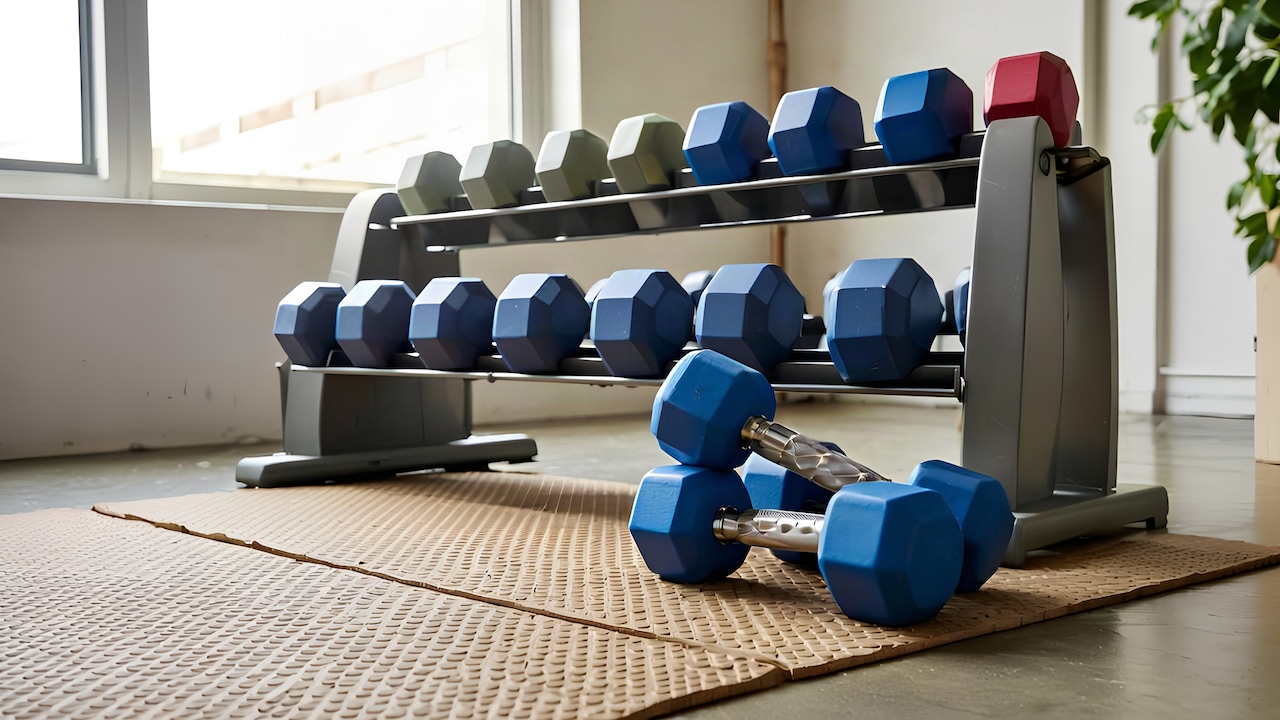
Dumbbells are the more traditional choice for home strength training, and for good reason. They provide fixed, reliable resistance and the mechanical simplicity means there are no components that can degrade over time the way a latex band can.
Step 1: Look At Their Advantages
Dumbbells provide consistent, quantifiable resistance that makes progressive overload easy to track, so your dumbbell at 5kg today is still 5kg in three months, regardless of humidity or storage conditions. They are also genuinely versatile, covering pressing, rowing, curling, and hinging movements without any attachment changes. For anyone who wants to track measurable strength progress through monsoon, the simplicity of knowing exactly how much you are lifting each session is a real advantage.
Step 2: Consider Their Limitations
Dumbbells take up considerably more space and cost significantly more than resistance bands , especially if you want a range of weights rather than just a single pair. Metal dumbbells can also develop surface rust in persistently humid conditions if they are not wiped down and stored properly. They're also less forgiving on joints if form slips during a session, and they don't travel well for anyone who moves between home and a second location during the rains.
Resistance Bands Vs Dumbbells: Which One Wins In The Monsoon?
Neither option is really the perfect answer for every person or every home setup, not quite. More like, the better choice depends on how much space you have, what your strength and how seriously you want to track progressive overload through the season.
If you have the space and budget for a set of dumbbells and want reliable, trackable resistance through the monsoon, dumbbells provide a more straightforward path to measurable strength gains. But if your apartment is small, your budget is tighter, or you want something you can use anywhere without worrying about rust or storage, resistance bands often give more practical value.
How Can You Stay Consistent With Strength Training During The Monsoon?
Regardless of the equipment you choose, building habits that work within monsoon constraints matters just as much as which tool you pick up.
1. Set Up A Dedicated Workout Space At Home
Designating even a small corner of a room as your workout area during monsoon removes one of the biggest barriers to consistency, which is the decision of where to train each session. Keep your bands or dumbbells close to that spot to avoid setup friction.
2. Train At A Fixed Time Each Day
Monsoon disrupts outdoor routines and gym schedules in unpredictable ways. Locking in a fixed daily training window, even a short one, matters more than the duration of the session itself. Consistency at 20 minutes daily beats an occasional two-hour session in this kind of weather.
3. Store Equipment Properly In Humid Conditions
Wipe down dumbbells after every session to prevent surface rust in persistent humidity. Store resistance bands in a dry drawer or box away from direct humidity rather than leaving them looped on a hook near a window. Small storage habits during monsoon can significantly extend the lifespan of both types of equipment.
4. Adjust Expectations For Energy And Output
Humid weather genuinely reduces how much energy is available for high-intensity effort. Trying to match peak summer performance through monsoon often leads to frustration and skipped sessions. During the season, reduce the intensity slightly, concentrate on technique and consistency, and your strength will remain intact without causing burnout.
Which Equipment Should You Choose For Monsoon Training?
Honestly there is no single neat answer in the resistance bands versus dumbbells question , especially during the monsoon when home conditions vary so much from apartment to apartment. Resistance bands tend to be more practical for space-limited setups and travel. Dumbbells give more reliable progressive overload and do not carry any degradation risk from latex exposure to humidity.

Resistance Bands Vs Dumbbells: Which Builds Strength During Monsoon
Photo Credit: iStock
Some Strength Training Products You May Like
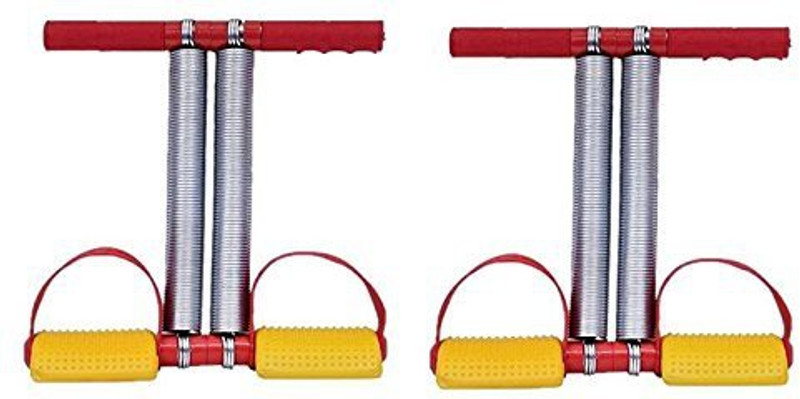
1. Fashnex Premium Resistance Band
2. Cult. Fit Resistance Band Portable
3. BULMARCs Resistance Band Workout Set
4. QUXIS Resistance Band Multi-Colour Set
5. Adjustable Dumbbell Strength Training
6. Symactive Adjustable Dumbbells
7. Lifelong Dumbbells Home Exercise
8. FitBox Sports Dumbbells Black
Frequently Asked Questions (FAQs)
1. Are resistance bands better than dumbbells for monsoon workouts?
The effectiveness of resistance bands versus dumbbells depends more on your specific setup than on the equipment itself. Bands win on space and storage; dumbbells win on trackable, predictable resistance, and neither is objectively better since they just solve different problems.
2. Can monsoon humidity affect my home workout equipment?
Yes, latex bands can degrade faster in damp storage, and metal dumbbells can rust if you skip wiping them down. Neither is a big deal if you store things properly, but both are simple to ignore until something actually goes wrong.
3. How often should I train at home during monsoon?
You can maintain the same training frequency as usual, but do not expect the same results, as humidity can make physical effort feel more challenging. Pull the intensity back a notch, keep the consistency, and the fitness holds.
4. Is it safe to use resistance bands if they show signs of wear?
If a resistance band shows nicks, cracks, or discolouration, it should be replaced before training, not after. A band snapping at full stretch can cause real injury, and humid conditions speed that kind of deterioration up.
5. Can I use both resistance bands and dumbbells together during the monsoon?
Yes, and many people find the combination works better than picking one. Bands for warm-ups and higher-rep work, and dumbbells when you need heavier loading.
(Disclaimer: This article may include references to or features of products and services made available through affiliate marketing campaigns. NDTV Convergence Limited (“NDTV”) strives to maintain editorial independence while participating in such campaigns. NDTV does not assume responsibility for the performance or claims of any featured products or services.)