How To Choose A Treadmill: Motor Power, Space, Durability and What To Check Before You Buy
How to choose a treadmill: This treadmill buying guide helps you pick the right model by explaining key factors like motor power, available space, and durability for long-lasting performance.
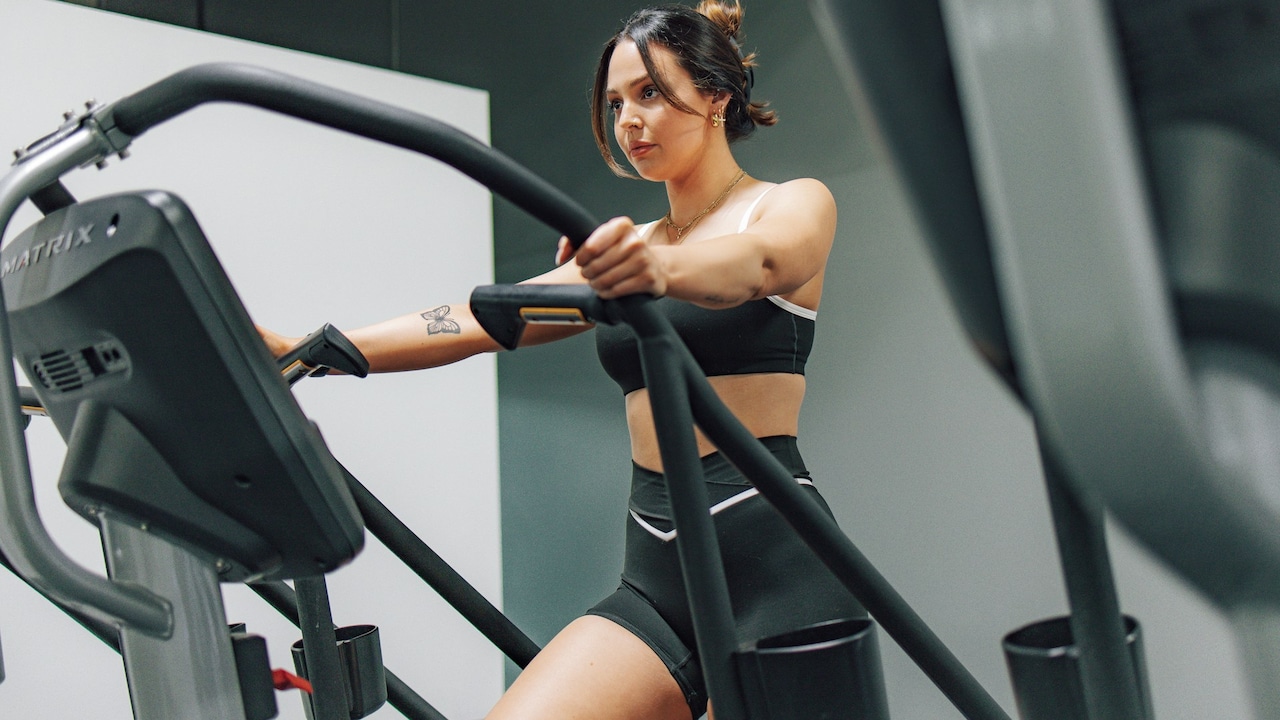
How To Choose A Treadmill - Motor Power, Space And Durability: Just Check Our Buying Guide.
Fitness at home no longer feels like a luxury. With busy schedules, packed gyms and unpredictable weather, a treadmill has quietly become a household essential. Yet, choosing a treadmill can feel overwhelming. Walk into any store or browse online, and there's an avalanche of terms, HP, incline levels, cushioning systems and foldable frames. Add varied price ranges from ₹20,000 to over ₹1,50,000, and confusion sets in fast. So, this buying guide will show you how to choose a treadmill and explain the importance of motor power, space, and durability.
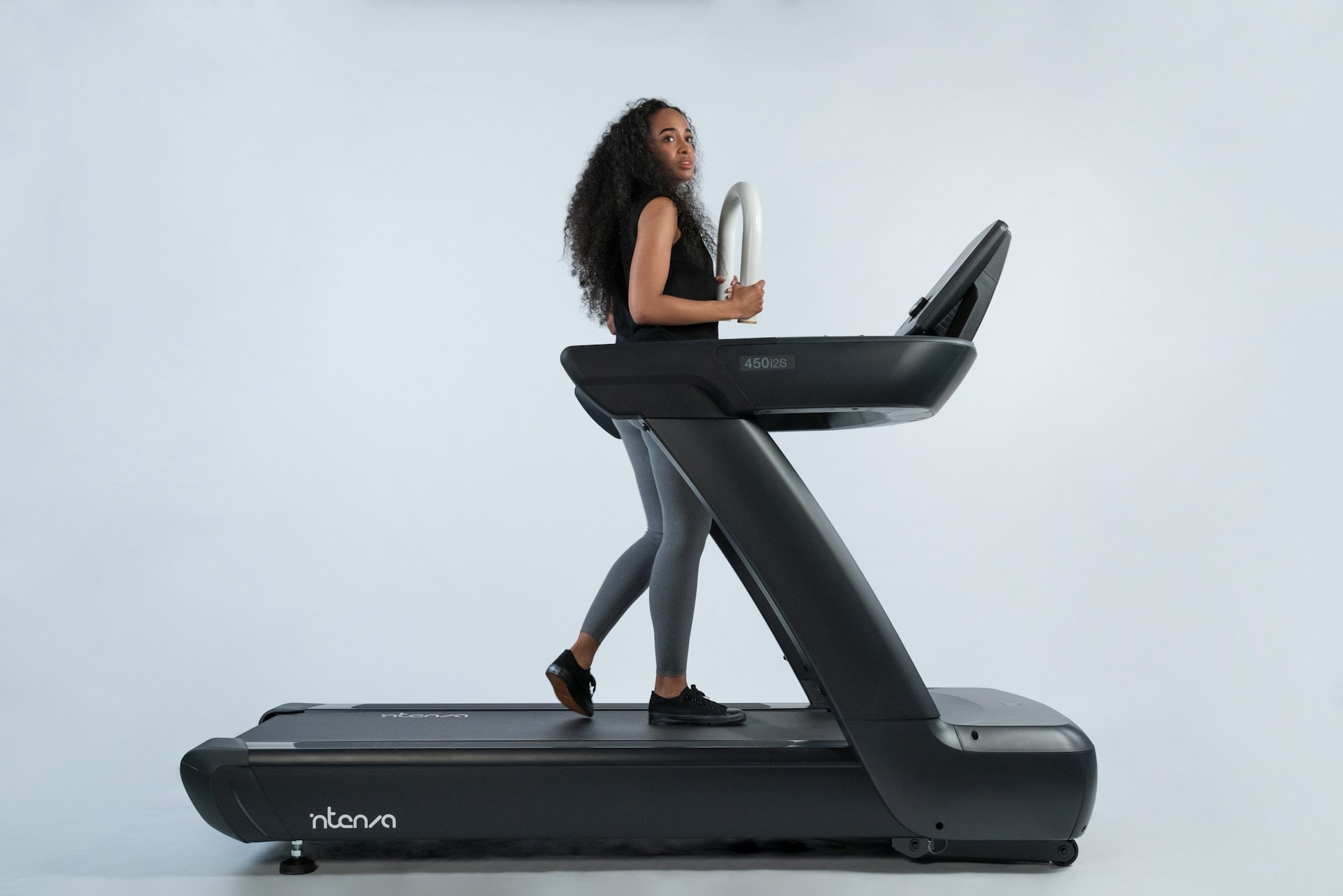
Top 10 tips to buy the best treadmill for your home; Photo Credit: Unsplash
A treadmill should not end up as an expensive clothes hanger in the corner of a room. The right model blends seamlessly into daily life, supports fitness goals and lasts for years without constant repairs. This buying guide strips away the noise and focuses on what truly matters: motor power, space, durability and everyday usability. With practical examples, cultural context and clear explanations, the aim remains simple: help readers make a confident, informed choice.
Also Read: Top 5 Budget Treadmills Under ₹25,000 In India For A Stylish Home Gym
Essential Things to Check Before Bringing a Treadmill Home
1. Understanding Motor Power: The Heart of the Treadmill
Motor power often gets reduced to a single number, yet it plays the biggest role in performance and lifespan. For home use, continuous horsepower (CHP) matters more than peak HP. A treadmill boasting 3.0 HP peak may sound impressive, but 1.5–2.5 CHP delivers steady performance for walking, jogging and running.
For brisk walkers, 1.5 CHP works well. Joggers benefit from 2.0 CHP, while runners or families with multiple users should look closer to 2.5 CHP. A stronger motor runs cooler, quieter and lasts longer. It also handles higher body weight without strain.
Cheap motors tend to overheat, leading to frequent breakdowns. Repairs quickly eat into savings. Spending slightly more upfront often prevents frustration later. Also, DC motors suit home use due to lower noise, while AC motors fit gyms but raise electricity bills.
Think of the motor as the engine of a car. No one enjoys driving uphill with a struggling engine. The same logic applies here, smooth performance keeps motivation alive.
2. Speed Range and Incline: Matching Fitness Goals
Speed and incline shape workout intensity. Entry-level treadmills usually offer speeds up to 10–12 km/h, enough for walking and light jogging. Runners should look for 14–18 km/h to support interval training and endurance runs.
Incline adds variety without increasing speed. A 10–12% incline simulates outdoor terrain and boosts calorie burn. Manual incline feels outdated and interrupts workouts. Motorised incline ensures smooth transitions and safer sessions.
Households aiming for weight loss benefit from incline walking. It burns calories faster while staying easy on joints. Morning walkers often enjoy a steady incline with music or a podcast, turning exercise into a calming ritual.
Avoid getting swayed by extreme numbers unless needed. A treadmill with 20 km/h speed and 20% incline sounds exciting, but unused features add cost without value. Fitness progress thrives on consistency, not gimmicks.
Choose speed and incline options that align with realistic routines, not aspirational fantasies inspired by late-night ads.
3. Running Surface and Belt Quality: Comfort Comes First
A cramped running surface ruins workouts. Comfortable belt size matters more than flashy screens. Walkers feel fine with 45–48 cm width, while runners need at least 50–55 cm. Length matters too, 120 cm works for walking, but runners should aim for 130–140 cm.
Belt thickness influences durability and comfort. Multi-ply belts reduce slippage and wear. Thin belts stretch faster, leading to jerky movement. Over time, this strains knees and ankles.
Cushioning systems absorb impact and protect joints. Good cushioning feels firm yet forgiving. Overly soft decks feel unstable, while hard decks cause discomfort. People with knee concerns should prioritise shock absorption.
Imagine running on uneven pavement every day, it drains enthusiasm quickly. A well-designed running surface transforms workouts into enjoyable sessions rather than chores. Comfort encourages consistency, and consistency brings results.
4. Space Planning: Measure Before You Buy
Space remains a deal-breaker in many homes. A treadmill may fit in the living room during delivery but feel overwhelming once installed. Measuring available space beforehand saves regret.
Check both open and folded dimensions. Foldable treadmills suit compact homes, but ensure enough clearance behind the machine for safety, at least 1.5–2 feet. Ceiling height matters too, especially for taller users and incline training.
Some models fold vertically, others horizontally. Hydraulic soft-drop systems prevent sudden slamming, protecting floors and fingers alike. Wheels help with repositioning, though frequent moving can become tedious.
Placement matters psychologically. A treadmill tucked away in a dark corner often gets ignored. Positioning it near a window or TV increases usage. Morning sunlight or favourite shows add motivation without effort.
Space-smart planning turns a treadmill into a natural part of daily life rather than an obstacle to navigate around.
5. Weight Capacity and Frame Strength: Built to Last
Weight capacity reflects overall build quality. A treadmill rated for 100 kg may technically support that load, but daily use near the limit strains the frame and motor. Choosing a model with 20–30 kg extra capacity ensures stability and longevity.
Steel frames outperform aluminium in durability. Look for reinforced joints and wider base frames. Wobbling during runs signals poor construction and raises injury risk.
Households with multiple users should prioritise higher capacity models. Children, adults and elders using the same machine demand sturdiness. Cheaper models may suit occasional use but struggle under daily routines.
Think of furniture, no one buys a chair that creaks under weight. A treadmill deserves the same consideration. Solid construction offers peace of mind and silent confidence during every stride.
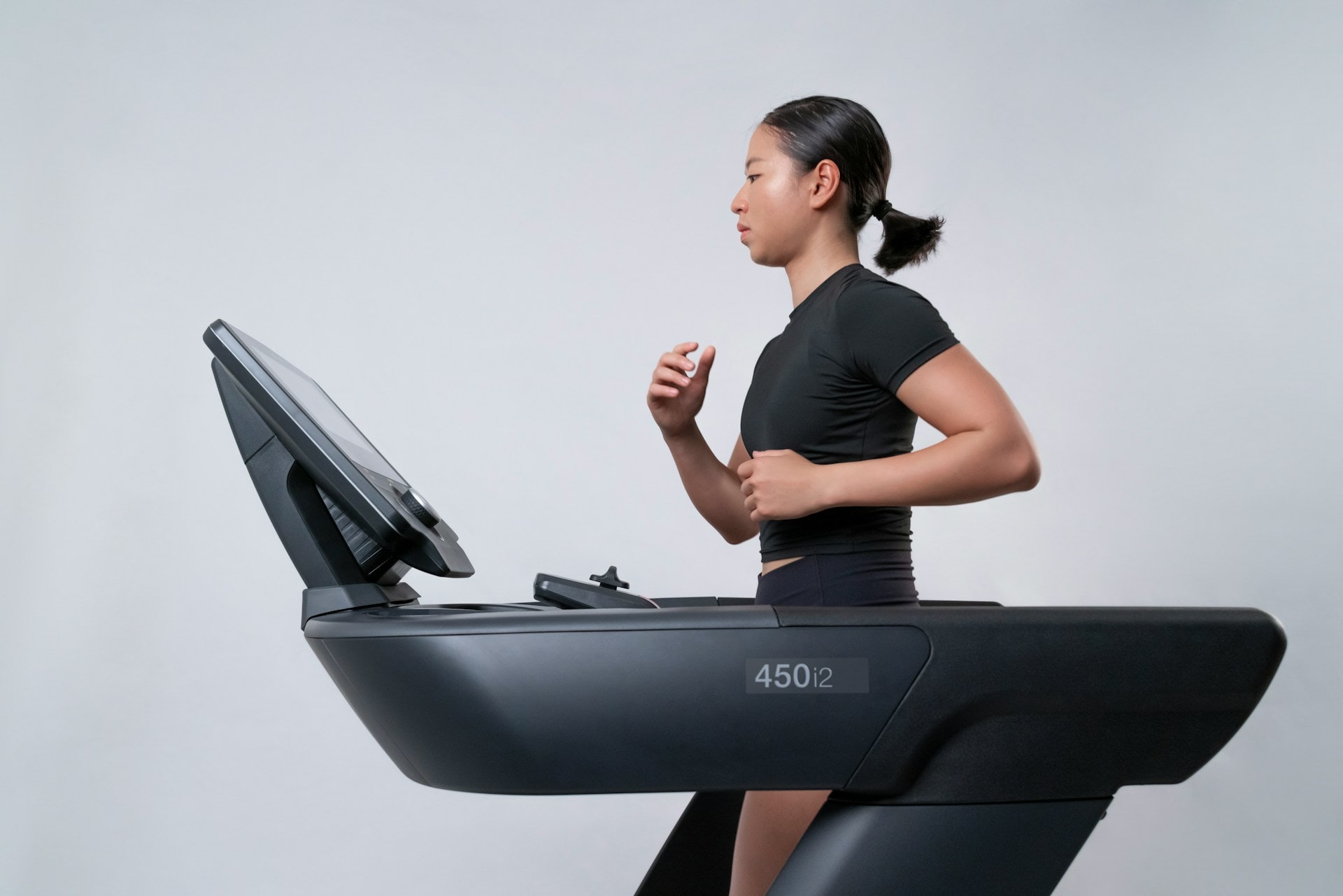
Always consider weight capacity and strength of the frame; Photo Credit: Unsplash
6. Noise Levels and Vibration: Keeping the Peace at Home
Noise often gets overlooked until complaints start pouring in. Loud motors and vibrating frames disrupt early morning workouts and late-night sessions. DC motors generally operate quieter than AC ones, making them ideal for homes.
Rubberised rollers, quality belts and stable frames reduce vibration. Cheaper treadmills transmit movement through floors, annoying neighbours below. Anti-vibration mats help but cannot fix poor design.
Testing noise levels before buying proves helpful. In-store demos reveal more than online descriptions. At home, peaceful workouts encourage consistency without guilt.
Imagine squeezing in a quick run before work without waking the household. Quiet performance turns fitness into a private moment rather than a noisy announcement.
7. Console Features and Programs: Useful, Not Flashy
Touchscreens, Bluetooth speakers and app integration look tempting, yet usefulness varies. A clear display showing speed, time, distance and calories remains essential. Pre-set programs add variety but rarely replace personal motivation.
Heart rate sensors offer guidance, though chest straps provide better accuracy than hand grips. App connectivity helps track progress, especially for those who enjoy data-driven fitness.
Avoid paying extra for features that rarely get used. Many people end up watching television instead of built-in screens. Simplicity often wins.
A console should support workouts, not distract from them. Intuitive controls matter more than futuristic designs. When buttons respond quickly, workouts flow smoothly.
8. Maintenance, Warranty and After-Sales Support
Treadmills require maintenance. Lubrication, belt alignment and occasional servicing keep them running smoothly. Brands offering accessible service centres and responsive support deserve preference.
Warranty coverage reveals confidence in product quality. Look for at least 1–2 years on parts and labour, with longer warranties on motor and frame. Some brands offer lifetime frame warranties, adding reassurance.
Cheap treadmills often come with limited support, leading to long downtimes. Replacement parts become difficult to source. Spending slightly more on a reliable brand saves time and stress.
After-sales support matters most when things go wrong. A helpful technician restores trust faster than any glossy brochure.
9. Power Consumption and Electricity Costs
Electricity costs add up over time. Efficient motors consume less power while delivering consistent performance. Most home treadmills use between 1–2 units per hour, depending on speed and user weight.
Using incline increases consumption slightly. Regular maintenance keeps motors efficient and reduces wastage. Switching off completely after workouts prevents phantom power drain.
Comparing energy usage feels boring at first, yet it influences long-term affordability. Over a year, savings reflect noticeably on electricity bills.
Fitness should energise the body, not drain the wallet. Smart choices balance performance with efficiency.
10. Budget Planning: Getting Value for Money
Price alone does not define value. Entry-level treadmills under ₹30,000 suit casual walkers. Mid-range options between ₹40,000–₹70,000 balance performance and durability for families. Premium models above ₹80,000 cater to serious runners.
Avoid stretching budgets for features that sound impressive but add little value. Focus on motor quality, frame strength and comfort. Seasonal discounts and festive sales often bring substantial savings.
Think long-term. A treadmill that lasts seven years costs less per year than a cheap model replaced every two years. Value lies in reliability and daily satisfaction.
Choosing wisely feels rewarding long after the excitement of purchase fades.
Products Related To This Article
1. PowerMax Fitness TDM-97 4HP Manual Incline Motorized Foldable Treadmill
2. Lifelong FitPro Motorized Treadmill for Home
3. 91-Durafit Ace 4.5 HP Peak BLDC Motorized Treadmill
4. Sparnod Fitness STH-1200 Motorized Treadmill for Home Use
5. Cockatoo Smart-Run A6 6HP Peak Auto Incline DC Motorized Treadmill
A treadmill should feel like a trusted companion, not a complicated machine gathering dust. The right choice supports daily routines, fits comfortably into living spaces and withstands years of use. Motor power ensures smooth performance, space planning prevents clutter, and durability guarantees peace of mind. A well-chosen treadmill encourages movement, lifts mood and quietly supports healthier habits every day.
(Disclaimer: This article may include references to or features of products and services made available through affiliate marketing campaigns. NDTV Convergence Limited (“NDTV”) strives to maintain editorial independence while participating in such campaigns. NDTV does not assume responsibility for the performance or claims of any featured products or services.)