Vitamin C vs Zinc: Which Helps More During Monsoon
Vitamin C vs zinc during monsoon season: find out which nutrient supports immunity, when supplements may help, and which option could suit your daily routine.
Vitamin C vs Zinc: Which Helps More During Monsoon
The monsoon brings cooler evenings, fresh greenery and a welcome break from the summer heat, but it can also mean more runny noses, sore throats and seasonal illnesses. With people spending more time indoors during heavy showers, it's natural to think about ways to support your health through the rainy months. That's where vitamin C and zinc often enter the conversation. But if you're standing in front of a shelf of supplements wondering, “Should I choose vitamin C or zinc?”, the answer isn't as simple as picking one over the other. Both nutrients have important roles in normal immune function, but they work differently and the evidence around supplements isn't the same. So, which one deserves more attention during monsoon season? From understanding what each nutrient does to knowing when a supplement may actually make sense, here's a practical look at vitamin C vs zinc and what you should consider before buying either one.
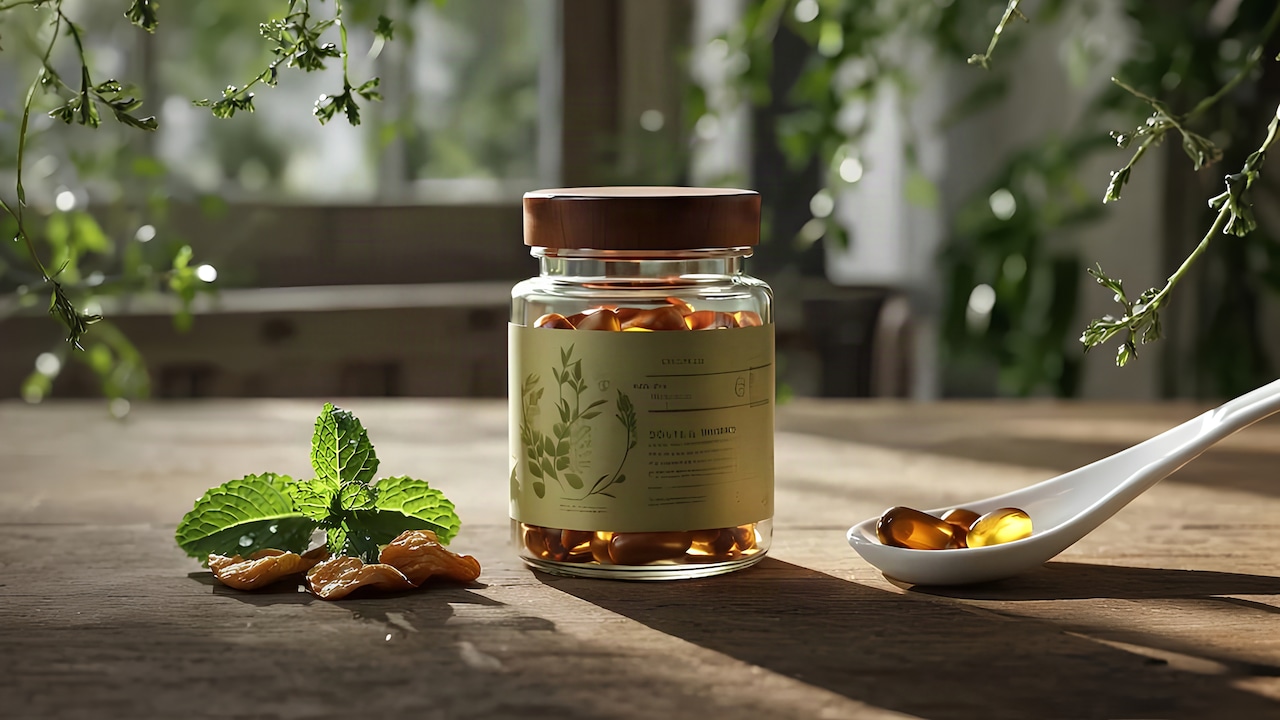
Is vitamin C or zinc better during monsoon season? Photo Credit: iStock
Why Vitamin C And Zinc Become Popular During Monsoon
The rainy season itself doesn't cause a vitamin C or zinc deficiency, and taking supplements doesn't guarantee that you'll avoid a cold. In fact, evidence suggests that regular vitamin C supplementation doesn't prevent common colds for most people, although it may slightly reduce how long they last. Zinc has a different story, with some research suggesting that certain zinc preparations may shorten an existing cold when used appropriately.
That doesn't mean you need to stock up on both nutrients as soon as the first rain arrives. Your everyday diet remains the best starting point. Citrus fruits, guavas, peppers and vegetables can provide vitamin C, while meat, seafood, dairy products, beans, nuts and whole grains can contribute zinc.
The important question is whether you're actually getting enough. A supplement can be useful when your diet doesn't meet your nutritional needs, but simply taking a larger dose isn't a shortcut to better immunity.
Also Read: A Beginner's Guide To Choosing The Right Health Supplements
How To Choose Between Vitamin C And Zinc
Choosing between vitamin C and zinc becomes much easier once you stop thinking about them as competing “immunity” products. Start by looking at your diet. If you regularly eat plenty of fruit and vegetables but don't consume many zinc-rich foods, your nutritional needs may point you in a different direction.
It's also worth checking whether you're already taking a multivitamin. Some products contain both vitamin C and zinc, which means adding another supplement could unintentionally increase your total intake.
Step 1: Check Your Existing Diet
Before buying anything, look at what you normally eat during the week. A varied diet containing fruit, vegetables, protein sources, whole grains, nuts and dairy can provide both nutrients naturally.
Step 2: Read The Nutrient Amount Carefully
Don't choose a supplement simply because the front label highlights a large number. Check the serving size and the actual amount of vitamin C or elemental zinc provided per serving.
Step 3: Avoid Stacking Similar Supplements
Taking a multivitamin, immunity tablet and separate zinc supplement together can quickly become unnecessary. Check every label first so you know exactly what you're consuming.
Step 4: Choose A Convenient Format
Tablets, capsules, chewables and effervescent products are all available. Pick a format that fits comfortably into your routine rather than choosing a product purely because its packaging looks appealing.
Step 5: Know When To Ask A Professional
If you have a diagnosed deficiency, take regular medication, are pregnant or breastfeeding, or have an underlying health condition, speak with a doctor or pharmacist before starting supplements.
Common Vitamin C And Zinc Mistakes People Make
Surprisingly, many supplement errors are due to how people use them, not the product itself.
1. Assuming More Means Better
A high-strength tablet isn't automatically more effective. Both vitamin C and zinc have recommended amounts and upper limits, so taking excessive quantities can create unnecessary side effects.
2. Using Supplements Instead Of Food
Supplements shouldn't replace a varied diet. Fresh fruit, vegetables, whole grains, dairy, meat, seafood, beans and nuts can provide a broader range of nutrients than a single tablet.
3. Taking Several Products Together
It's easy to take a multivitamin in the morning and then add separate vitamin C and zinc tablets without checking the labels. Always calculate your total intake first.
4. Expecting Instant Protection
Vitamin C and zinc aren't shields against every cough, cold or infection. They support normal nutritional needs, but sleep, hygiene, balanced meals and adequate hydration still matter.

Can vitamin C prevent monsoon-related infections? Photo Credit: iStock
Some Vitamin C And Zinc Products You May Like
1. Wellbeing Nutrition Vitamin C + Zinc
2. Fast&Up Charge Natural Vitamin C - 60 Effervescent Tablets
3. Carbamide Forte Zinc Citrate with Vitamin C
4. Eucee Vitamin C+Zinc
5. YourHappyLife 5X Magnesium Glycinate Supplement With Zinc
6. Miduty Liposomal Vitamin C Supplement - Antioxidant Vitamin
7. THE BODY RESERVE Natural Vitamin C Tablets
8. Nutrela Vitamin C and Zinc for Men & Women
All these options are available online, backed by thousands of real customer reviews, and formulated to work with your body rather than just around it. Pick the one that fits your routine, and start showing your immune system the support it has always deserved. Shop now on Amazon.
Frequently Asked Questions (FAQs)
1. Is vitamin C or zinc better during monsoon season?
Neither is automatically better. Both support normal immune function, while zinc has some evidence suggesting that certain preparations may modestly shorten an existing common cold.
2. Can vitamin C prevent monsoon-related infections?
Vitamin C supplements haven't been shown to reliably prevent common colds in most people. A varied diet containing vitamin C-rich foods remains the better foundation.
3. Can zinc help if I already have a cold?
Some research suggests that certain zinc preparations may reduce the duration of a common cold when taken early, but results vary, and side effects can occur.
4. Can I take vitamin C and zinc together?
Yes, combination supplements are available, but taking both doesn't automatically provide greater protection. Check the labels and your total daily intake before combining products.
5. Should I take vitamin C or zinc every day during the monsoon?
Not necessarily. If your diet already provides enough of these nutrients, routine supplementation may not be needed. If you suspect a deficiency, speak with a healthcare professional.
(Disclaimer: This article may include references to or features of products and services made available through affiliate marketing campaigns. NDTV Convergence Limited (“NDTV”) strives to maintain editorial independence while participating in such campaigns. NDTV does not assume responsibility for the performance or claims of any featured products or services.)