Why Your Exercise Cycle Speed Keeps Skipping: And Simple Ways To Fix It
Is your exercise cycle speed jumping, freezing or dropping to zero? From loose sensors to weak batteries, discover the common causes behind skipping readings and the simple fixes that can get your workout tracking smoothly again.
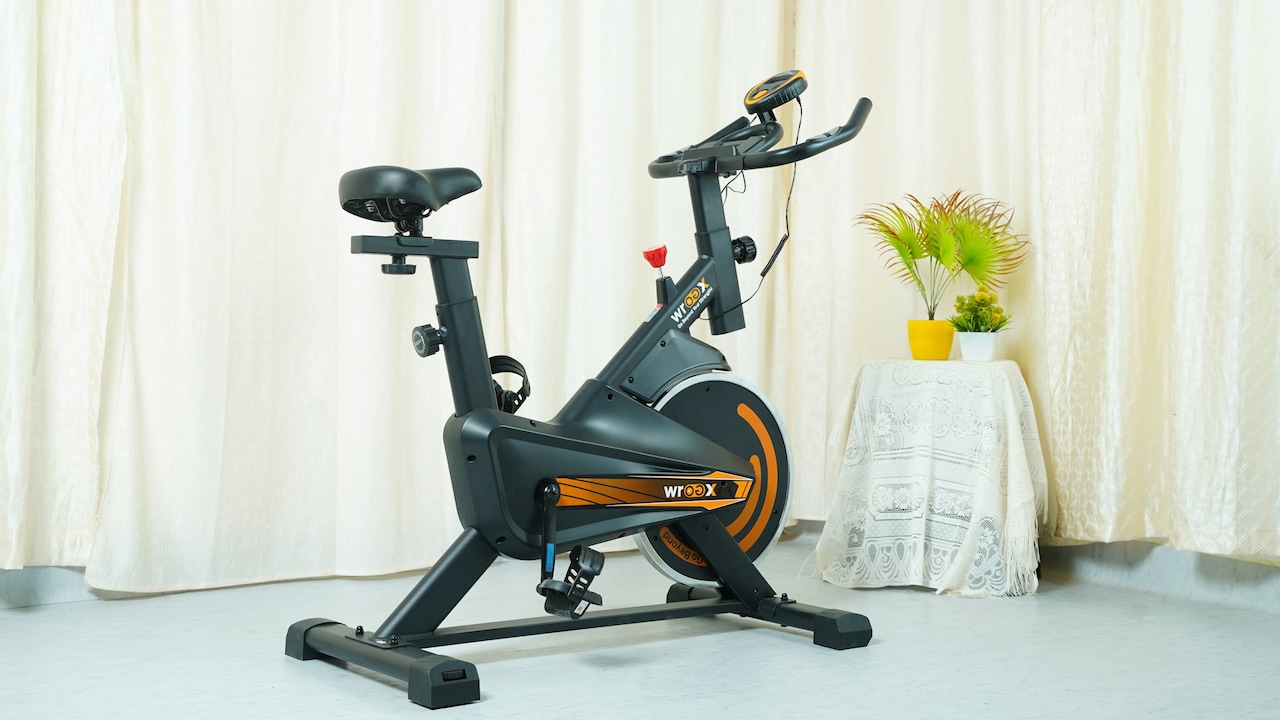
How to find the real cause behind why the gears of your exercise cycle skip
An exercise cycle often becomes the most dependable member of a home fitness routine. It never complains about early mornings, busy roads or summer heat. It simply waits in the corner, ready for a steady ride before breakfast or a quick session after work. Then the speed begins to skip. The display jumps from 22 km/h to 8 km/h, freezes for several seconds or suddenly shows zero despite constant pedalling. It can feel as though the cycle has developed a dramatic personality overnight. More importantly, unreliable speed readings make it difficult to track progress, maintain workout intensity or compare one session with another.

What actually causes exercise cycle gears to skip; Photo Credit: Unsplash
Fortunately, the problem rarely means the entire machine has failed. Most skipping speed readings come from small issues involving the sensor, magnet, wiring, battery or console settings. Many can be fixed at home with basic cleaning, careful adjustment and a little patience. The following ten causes cover the most common reasons an exercise cycle loses track of speed.
Also Read: Building A Home Gym? These Amazon Cardio Equipment Bestsellers Are Worth It
Common Reasons Your Exercise Cycle Speed Keeps Skipping
1. The Speed Sensor Has Shifted Out Of Position
Most exercise cycles calculate speed through a small sensor placed near the flywheel or pedal mechanism. A magnet passes the sensor during every rotation, allowing the console to estimate speed and distance. When the sensor shifts even slightly, it may fail to detect every pass.
This often happens after the cycle gets moved across a room, bumped during cleaning or used for intense standing rides. A tiny gap can create surprisingly large errors. The display may work normally at first, then skip once pedalling becomes faster.
Check the area near the flywheel and look for a small magnet and sensor facing each other. Their exact location varies by model, but they usually sit close together without touching. Gently adjust the sensor until the gap narrows. Avoid forcing any part, as plastic brackets can crack.
After adjustment, pedal slowly and watch the display. A steady reading usually means the alignment has returned. Sometimes the simplest fix involves moving a component only a few millimetres, which feels almost unfair after twenty minutes of suspicious staring.
2. The Magnet Is Loose Or Misaligned
The magnet plays a small but crucial role in speed tracking. Each time it passes the sensor, it creates the signal that tells the console the pedals are turning. When the magnet becomes loose, tilted or displaced, the sensor receives an irregular signal.
A loose magnet may produce a classic pattern: the speed appears correctly for several rotations, disappears briefly and then returns. Faster pedalling can make the problem worse because the magnet moves more sharply and may wobble away from the sensor.
Inspect the flywheel, crank or pedal arm, depending on the cycle design. Look for a small round or rectangular magnet attached near the rotating mechanism. It should sit firmly in place and pass directly in front of the sensor.
Tighten it carefully if the fitting allows. If adhesive once held it in place, use a suitable strong adhesive recommended for plastic or metal surfaces. Let it set fully before using the cycle.
Avoid sticking the magnet at a random angle. Correct positioning matters more than brute strength. A secure magnet that misses the sensor remains as useful as a doorbell installed inside a cupboard.
3. Dust Has Collected Around The Sensor
Exercise cycles attract more dust than their clean appearance suggests. Sweat, fabric fibres and household dust gradually settle around the flywheel, crank and sensor housing. Over time, this layer can interfere with the sensor's ability to detect the magnet consistently.
Homes near busy roads may notice the problem sooner. Open windows bring in fine dust, while ceiling fans help it travel into places no cleaning cloth seems able to reach. A cycle used near a balcony or kitchen can collect even more residue.
Switch off the machine and unplug it before cleaning. Use a dry microfibre cloth to wipe accessible areas around the sensor and magnet. A soft brush can loosen dust from narrow spaces. Avoid pouring water or spraying cleaner directly onto electronic components.
For stubborn grime, lightly dampen the cloth rather than the machine. Dry the area completely before reconnecting the power.
Regular cleaning once every few weeks can prevent erratic readings and reduce mechanical noise. It also offers the satisfying discovery that the mysterious black fluff near the flywheel did not, in fact, arrive with the machine.
4. The Console Battery Is Running Low
A weak battery can make an exercise cycle console behave unpredictably. The screen may fade, numbers may flicker, and speed readings may appear late or skip altogether. Many users suspect a serious sensor fault when the real culprit costs less than a plate of chaat.
Battery-powered consoles need enough voltage to process signals from the speed sensor. As the battery weakens, the display may still switch on but fail to read data reliably. This partial performance often creates confusion because the console does not look completely dead.
Replace all batteries at the same time, even if only one appears weak. Mixing old and new batteries can create an uneven power supply and shorten the life of the replacements. Use the battery type recommended in the manual and check the compartment for corrosion.
If the metal contacts look dusty, wipe them gently with a dry cloth. For light corrosion, a cotton bud with a small amount of white vinegar can help, followed by thorough drying.
After fitting fresh batteries, reset the console if required. A steady display may return immediately, proving that not every fitness problem demands a ₹2,000 service visit.
5. A Cable Connection Has Become Loose
Speed data travels from the sensor to the console through thin wires hidden inside the frame or handlebar column. If one connection becomes loose, the signal may break whenever the cycle vibrates. The result often looks like random skipping, especially during vigorous pedalling.
Loose cables commonly occur after assembly, relocation or handlebar adjustment. A connector may look attached while sitting only halfway inside its socket. Repeated movement then interrupts the contact.
Turn off the cycle and inspect visible cable connections around the console, handlebar stem and frame joints. Disconnect and reconnect them firmly, making sure each plug sits straight. Never pull a connector by the wire. Hold the plastic end instead.
Look for bent pins, frayed insulation or crushed sections. Damaged wiring may require replacement rather than a quick adjustment. Electrical tape can protect minor outer wear, but it cannot restore a broken internal conductor.
When reassembling the cycle, avoid trapping wires between metal panels. A pinched cable may work during a gentle ride and fail during a sprint, rather like mobile internet disappearing exactly when an important payment needs confirmation.

A loose cable connection can also cause the exercise cycle to skip
Photo Credit: Pexels
6. The Console Needs A Reset
Exercise cycle consoles sometimes store incorrect data after a power interruption, battery change or unusual sensor reading. The machine may remain mechanically sound while the display continues showing erratic speed. A reset can clear the confusion.
The reset process differs between models. Some consoles have a small reset button. Others require battery removal or disconnection from the mains for several minutes. Certain advanced cycles offer a reset option within the settings menu.
Start by switching off the cycle. Remove the batteries or unplug the power adaptor, then leave the machine disconnected for five to ten minutes. This allows stored electrical charge to clear. Reconnect the power and enter basic details such as time, user weight or resistance settings if prompted.
Check the manual before performing a full factory reset, as it may erase saved workout records. That personal best from last month deserves a respectful farewell rather than sudden digital disappearance.
After resetting, begin with a slow ride and gradually increase speed. If the reading remains stable, the issue probably came from a temporary software or memory glitch rather than a physical fault.
7. The Pedalling Motion Is Uneven
Not every skipping speed reading comes from the machine. Uneven pedalling can also create irregular sensor signals, particularly on basic exercise cycles that calculate speed from crank rotations.
A rider may push strongly with one leg, pause briefly at the top of each rotation or lose rhythm while adjusting posture. The console then receives inconsistent movement and may display sudden changes. This becomes more noticeable at low resistance, where the pedals spin freely, and small interruptions affect momentum.
Focus on making each rotation smooth and circular. Keep both feet secure in the pedal straps and position the balls of the feet over the pedal centres. Avoid pressing only on the downward stroke. Instead, guide each foot through the full circle.
Seat height also matters. When the saddle sits too low, the knees bend excessively, and pedalling becomes choppy. When it sits too high, the hips rock from side to side. Set the saddle so the knee retains a slight bend at the lowest pedal position.
A steady rhythm improves speed readings and reduces joint strain. It may also make the workout look less like a hurried attempt to escape an imaginary street dog.
8. The Resistance System Is Causing Irregular Movement
Resistance problems can indirectly affect speed readings. If the resistance changes unevenly, the flywheel may slow or surge despite steady effort. The console then displays fluctuating speed because the actual rotation has become inconsistent.
On magnetic cycles, a resistance cable or magnetic brake may sit too close to the flywheel. On friction-based models, a worn resistance pad can grip unevenly. Motor-controlled cycles may experience calibration errors that cause sudden changes in load.
Pedal at a moderate pace and listen for rubbing, scraping or rhythmic clicking. Notice whether the resistance feels smooth through each rotation. If one section feels heavier, inspect the resistance mechanism according to the manual.
Manual resistance cables can sometimes be adjusted through the control knob or tension bolt. Friction pads may need cleaning or replacement. Electronic systems may require recalibration.
Do not apply cooking oil, coconut oil or general household lubricant near the flywheel unless the manufacturer recommends it. Such experiments can attract dust and damage braking surfaces.
A properly functioning resistance system should feel predictable. The only sudden challenge during a workout should come from ambition, not from the cycle deciding to recreate a hill in Shimla without warning.
9. The Cycle Is Standing On An Uneven Surface
An exercise cycle needs a stable base to measure movement accurately. When one foot rests higher than another, the frame can rock during pedalling. This vibration may disturb sensor alignment, loosen cable connections or create inconsistent flywheel movement.
Tiled floors often look level but may have slight slopes or raised edges. Thick rugs can also compress unevenly under the machine. The problem usually becomes obvious during fast cycling, when the handlebars sway, or the frame produces a faint knocking sound.
Place the cycle on a firm, flat surface. Use the adjustable levelling feet found on many models to remove wobbling. Turn each foot gradually until all contact points rest securely on the floor.
A protective exercise mat can help, especially on smooth tiles. It reduces slipping, protects the flooring and catches sweat. Choose a dense mat rather than a soft foam one that sinks under pressure.
Test stability by holding the handlebars and gently rocking the cycle before mounting. It should remain firm.
A stable machine improves sensor performance and makes workouts feel safer. It also prevents neighbours downstairs from wondering whether furniture rearrangement has become a daily cardio routine.
10. The Sensor Or Console Has Worn Out
Sometimes cleaning, resetting, and adjustment do not solve the problem because a component has reached the end of its working life. Speed sensors can weaken, wires can break internally, and console circuits can fail after years of use.
A worn sensor often produces no reading or frequent drops despite correct magnet alignment. A faulty console may show strange symbols, freeze repeatedly or display incorrect values across several functions, including speed, time and distance.
Test the simpler causes first. Replace batteries, check connections, clean the sensor and reset the console. If the issue continues, contact the manufacturer or an authorised technician. Share the model number, purchase details and a clear description of the problem.
Replacement sensors often cost less than a new console, while basic wired sensors may remain reasonably affordable. Service charges vary by brand and location, so ask for an estimate before approving repairs.
Avoid opening sealed electronic parts unless the warranty has expired and proper technical knowledge is available. A screwdriver and confidence can form a dangerous partnership.
When repair costs approach the price of a new cycle, compare both options carefully. Reliability, warranty and spare-part availability should guide the final decision.
Products Related To This Article
1. Lifelong Fit Pro Spin Fitness Bike for Home
2. Fitkit by Cult FK7002 Spin Bike with 6Kg Flywheel
3. PowerMax Fitness BS-125 Spin Exercise Bike For Home Use
4. Flexnest Flexbike Lite Exercise Cycle Smart Bluetooth Exercise Cycle
5. Propel FitnessOne HU 57i Silent Upright Cycling Machine for Home
6. PowerMax Fitness BS-125 Spin Exercise Bike For Home Use
7. Let's Play® Professional Indoor Upright Exercise Bike
A skipping speed display can interrupt motivation, but it rarely signals the end of an exercise cycle's useful life. In many cases, the cause lies in a misaligned sensor, loose magnet, weak battery, dusty component or unstable surface. These problems often need only a few minutes of attention.
Begin with the easiest checks. Clean the sensor area, replace the batteries, inspect the magnet and secure visible cable connections. Then confirm that the cycle stands level and that the pedalling motion feels smooth. A reset may help when the hardware appears fine, but the display continues to misbehave.
More serious problems, such as damaged wiring or a failing console, deserve professional inspection. Trying to force delicate parts can turn a small fault into an expensive repair.
Most importantly, do not let an unreliable number spoil the habit itself. Speed provides useful feedback, but consistency matters more. A steady twenty-minute ride still strengthens the body even when the screen acts confused.
Once the reading returns to normal, the cycle can go back to its proper role: supporting fitness quietly, rather than creating a suspense thriller between the sofa and the shoe rack.
(Disclaimer: This article may include references to or features of products and services made available through affiliate marketing campaigns. NDTV Convergence Limited (“NDTV”) strives to maintain editorial independence while participating in such campaigns. NDTV does not assume responsibility for the performance or claims of any featured products or services.)