Treadmill Placement Mistakes That Increase Noise And Floor Vibration
Poor treadmill placement can amplify noise, shake floors and disturb the whole home. Learn the common setup mistakes behind excess vibration, and the simple fixes that make workouts quieter and steadier.

Why Your Treadmill Is So Noisy: 10 Placement Mistakes To Avoid
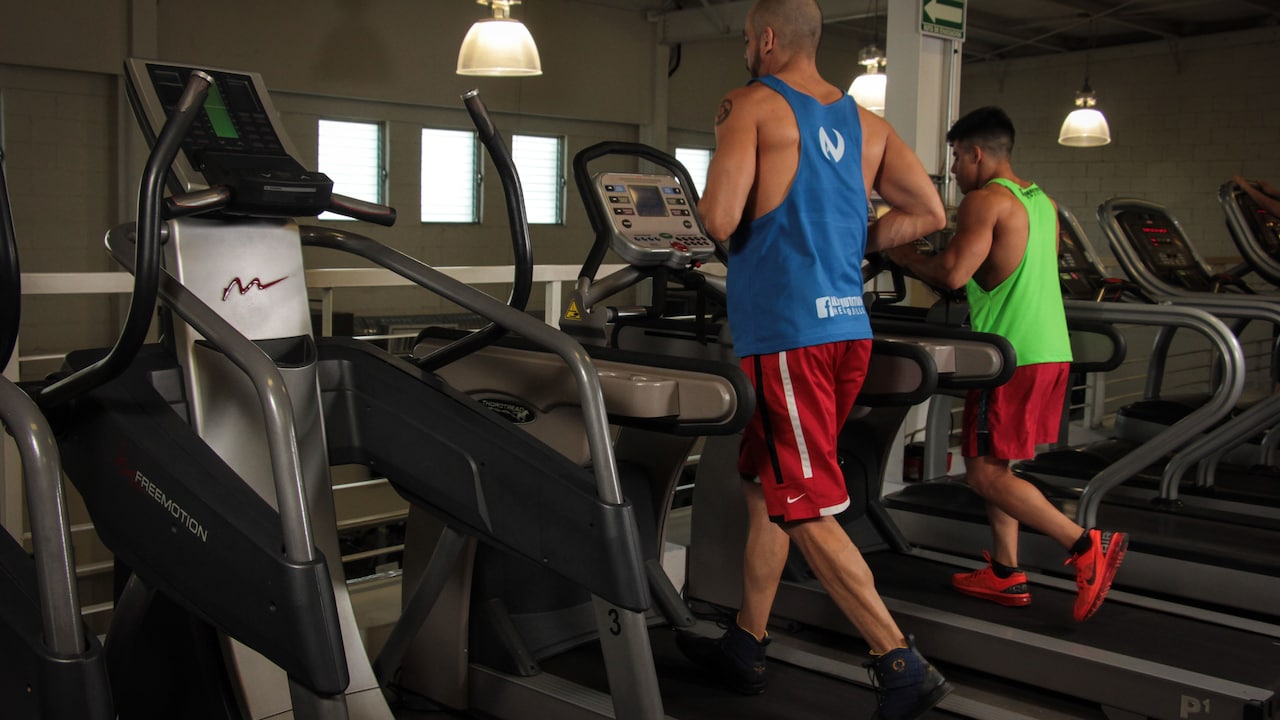
A home treadmill promises convenience. No traffic, no crowded gym and no need to negotiate with unpredictable weather. Yet the excitement can fade quickly when a gentle evening walk sounds like roadwork in the next room. The problem often starts with placement. A treadmill contains a moving belt, rollers, a motor and a frame that absorbs repeated impact. Every footstep sends energy through the machine and into the surface below. When the floor cannot absorb that energy, vibration travels through walls, doors, furniture and even ceiling slabs.
Why Your Treadmill Is So Noisy: 10 Placement Mistakes To Avoid
Photo Credit: Pexels
Many people assume the motor causes all the noise. In reality, the motor may only contribute a steady hum. The heavier thumping usually comes from foot impact, an uneven base or a hard floor that amplifies every stride. A poorly chosen location can make a perfectly healthy treadmill sound old and unstable.
Thankfully, most placement problems do not require expensive repairs. A few thoughtful changes can dramatically reduce noise, protect the flooring and make workouts more comfortable for everyone at home.
Common Treadmill Placement Mistakes To Avoid
Placing The Treadmill Directly On Hard Flooring
Tiles, marble, granite and polished concrete look clean and elegant, but they rarely make good direct bases for a treadmill. These surfaces reflect sound instead of absorbing it. Each footstep sends a sharp vibration through the treadmill frame, and the hard floor carries that vibration across the room.
This explains why a moderate jog can sound surprisingly loud in the bedroom next door. The floor acts almost like a drum skin. Loose objects nearby may start rattling, while doors and windowpanes join the unwanted orchestra.
Hard flooring can also make the treadmill shift slightly during intense sessions. Even tiny movements create squeaks and scraping sounds. Over time, the machine's feet may leave marks or damage the surface.
A dense rubber treadmill mat offers a simple solution. Choose one that extends beyond the machine on all sides. Thin yoga mats usually compress too easily and provide little protection. A quality mat may cost around ₹2,000 to ₹5,000, but it can reduce vibration, prevent slipping and protect an expensive floor. Consider it a peace treaty between fitness goals and household sanity.
Keeping The Treadmill Too Close To A Wall
Pushing a treadmill tightly against a wall may save space, especially in compact flats. Unfortunately, walls can amplify vibration and send it into adjoining rooms. When the treadmill frame sits close to plaster, woodwork or panelling, even a slight wobble may create tapping, buzzing or knocking sounds.
The motor also needs airflow. A cramped position can trap heat, force the cooling system to work harder and increase mechanical noise. Dust gathers more easily in narrow gaps too, which may affect the motor and rollers over time.
Leave a reasonable gap around the machine. The exact distance depends on the model, but the rear needs the most clearance for safety. Side space also helps with mounting, cleaning and emergency movement. Even a gap of 15 to 20 centimetres near a wall can reduce rattling if space remains limited.
Avoid placing decorative frames, clocks or lightweight shelves directly beside the treadmill. A brisk run can make them tremble like passengers on a bumpy bus ride. A little breathing room helps both the equipment and the room feel calmer.
Positioning The Machine On An Uneven Floor
A treadmill needs firm, even contact with the floor. When one corner sits higher than another, the frame twists slightly during use. That imbalance creates rocking, clicking and repeated impact noises. It also makes the belt feel less stable underfoot.
Uneven flooring appears more often than expected. Tile joints, warped wooden boards, thick carpet edges and slightly sloping balconies can all disturb the base. The difference may look insignificant, but a heavy treadmill magnifies it during movement.
Before choosing a permanent location, press down on each corner of the machine. Any rocking signals a problem. Many treadmills include adjustable levelling feet. Turn them until all corners sit firmly on the surface. A spirit level can help, though a glass of water placed carefully on a stable section can reveal an obvious tilt.
Never solve the problem by sliding folded cardboard or old newspapers under one foot. These materials compress, absorb moisture and shift during exercise. Use proper rubber levelling pads instead. Stability reduces noise, protects the frame and makes every stride feel safer.
Also Read: How To Pick A Treadmill That Does Not Shake, Squeak Or Take Over The Room
Installing The Treadmill On A Hollow Wooden Floor
Wooden flooring can look warm and stylish, but hollow sections underneath may amplify treadmill noise dramatically. Every footfall can produce a booming sound, similar to someone stamping on a stage. The machine itself may remain stable, yet the floor structure carries vibration far beyond the workout area.
Laminate flooring can create a similar problem, especially when installers leave air gaps beneath the panels. Floating floors move slightly by design, which makes them more likely to transmit vibration. A runner may hear only a dull thud, while someone downstairs hears a steady festival drum.
A thick, high-density rubber mat helps reduce impact, but the location still matters. Place the treadmill near a structural wall or over a stronger section of flooring rather than in the centre of a large room. Floor joists and beams usually offer better support than unsupported spans.
Avoid soft foam mats that allow excessive movement. The treadmill should not sink or sway. For severe vibration, a layered platform with rubber pads and a rigid board can spread the load more evenly. A stable base keeps noise under control without turning the room into a construction project.
Placing The Treadmill Above A Bedroom
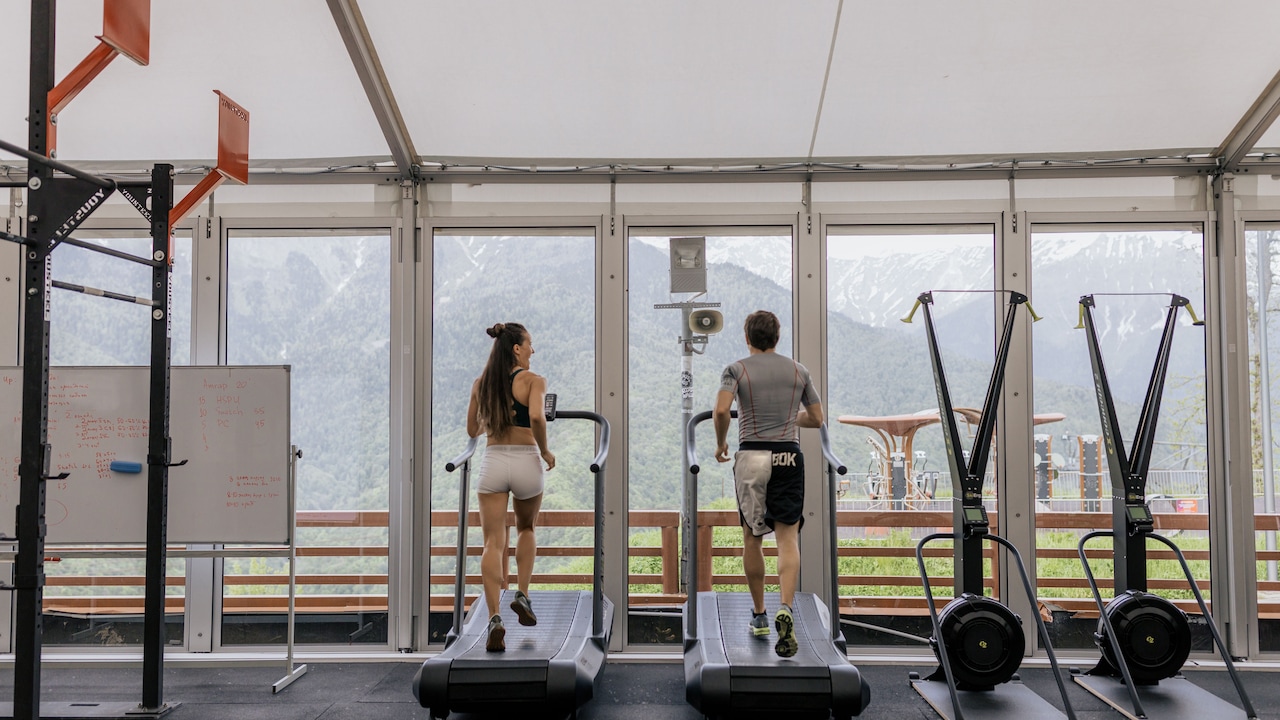
The room below matters just as much as the room containing the treadmill. Placing the machine above a bedroom, study area or prayer room can create conflict, even when the treadmill seems fairly quiet upstairs.
Low-frequency vibration travels through concrete slabs and building structures. It often sounds louder below because ceilings can amplify repeated impact. An early morning walk may feel peaceful to the person exercising, while someone downstairs wonders why a train has entered the building.
Before finalising the position, consider the layout of the floor beneath. A location above a corridor, kitchen, storage area or utility space usually causes fewer disturbances. In shared housing, check whether the machine sits above a neighbour's sleeping area.
Workout timing also helps. A treadmill used at 6 am or late at night will attract more complaints than one used during normal waking hours. Even excellent mats cannot remove every impact sound.
Sometimes moving the machine by just a few metres changes everything. Thoughtful placement protects family harmony, neighbourly goodwill and the confidence to exercise without constantly lowering the speed.
Why Your Treadmill Is So Noisy: 10 Placement Mistakes To Avoid
Photo Credit: Pexels
Setting The Treadmill Near Loose Furniture
A treadmill does not need to touch furniture to make it noisy. Vibrations can travel through the floor and cause nearby cupboards, glass cabinets, metal shelves and lightweight tables to rattle. The resulting sound often makes the treadmill seem faulty, even though the real culprit sits beside it.
A loose drawer handle may buzz at jogging speed. Steel utensils inside a nearby cabinet may clink with every step. A decorative vase may slowly migrate towards the edge of a table, adding unnecessary suspense to cardio time.
Create a clear zone around the machine. Check nearby furniture for wobbling legs, loose panels and unsecured objects. Place felt pads under unstable furniture and tighten any loose fittings. Glass doors may need small silicone bumpers to stop them from vibrating against the frame.
Avoid storing dumbbells, water bottles or metal accessories directly on the treadmill when it runs. Even the cup holder can become a tiny percussion section if keys or coins sit inside it.
A quieter room does not always require changing the treadmill. Sometimes the solution involves silencing everything that reacts to it.
Choosing A Corner That Traps Sound
Corners seem practical because they keep the treadmill away from the centre of the room. However, two nearby walls can reflect and concentrate sound. The motor hum, belt noise and foot impact bounce between surfaces, making the machine sound louder than it actually is.
Bare rooms make the problem worse. Hard walls, tiled floors and large windows create echoes. A treadmill placed in such a corner may produce a harsh, hollow sound that spreads through the home.
Move the machine slightly away from the corner whenever possible. Soft furnishings can also help absorb sound. Curtains, fabric blinds, upholstered seating and a thick rug placed elsewhere in the room reduce echoes. Keep rugs away from moving parts and ventilation areas.
Acoustic wall panels offer another option, though the room does not need to resemble a recording studio. Even a bookshelf filled with books can break up reflected sound. A padded door seal may stop noise from leaking into the hallway.
The goal involves managing the room as well as the machine. A treadmill in a softer, less reflective space usually sounds smoother and less intrusive.
Using A Mat That Is Too Small Or Too Soft
Not every exercise mat suits a treadmill. A mat that covers only the front or back feet creates uneven support. A soft foam mat may compress under the machine's weight, causing the frame to wobble and the belt to feel unstable.
Some people join several puzzle mats together to save money. These mats can separate during use, especially when the treadmill shifts slightly. The joins may rise, collect dust or create an uneven base. What begins as a budget-friendly fix can soon look like a floor puzzle after a toddler's energetic afternoon.
Choose a single, dense mat designed for heavy fitness equipment. It should support the entire treadmill, including the rear rollers and front stabilisers. Rubber mats generally absorb impact better than thin PVC sheets. The material should resist compression and remain flat under load.
Measure the treadmill before buying the mat. Include a little extra space for stepping on and off. Also check whether the material suits the flooring underneath, as some rubber products may leave marks on delicate surfaces.
A suitable mat reduces vibration, protects the floor and keeps dust away from the motor area. Size and density matter more than decorative patterns.
Ignoring The Machine's Weight Distribution
A treadmill does not distribute weight evenly. The motor and front frame usually carry more weight than the rear section. When the heavier end sits on a weak floor panel, carpet edge or unstable platform, vibration increases.
The user's movement adds another dynamic load. Running creates far more impact than walking, and heavier users produce greater force with each step. The floor must support the treadmill, the user and the repeated motion without flexing.
Avoid placing the front end across a raised tile edge or partly on a rug. Both sides of the machine should rest on the same type of surface. Mixed surfaces often create tiny height differences that cause shaking.
Carpet can also create trouble. Thick pile makes levelling difficult and may block ventilation beneath certain models. A rigid equipment board over dense rubber padding can provide a more stable base, but it must remain wide and strong enough for the full machine.
Treat the treadmill like a heavy appliance, not a movable chair. Proper support prevents frame stress, reduces vibration and helps the equipment perform as designed.
Forgetting To Test The Location At Different Speeds
A location may seem perfect during a slow walk but become noisy during a fast jog. Different speeds produce different vibration patterns. At one pace, a loose panel may buzz. At another, the whole room may develop a rhythmic thump.
Always test the treadmill before declaring the placement final. Begin at walking speed, then gradually increase the pace. Listen from different parts of the room. Ask someone to stand in the next room or on the floor below. Noise that sounds mild beside the treadmill may travel surprisingly far.
Pay attention to movement as well. Watch whether the machine creeps forward, rocks at the corners or makes contact with a wall. Check the mat for bunching and inspect nearby furniture for rattling.
A phone can record sound, but human ears usually detect structural vibration better. Testing during the intended workout time also gives a realistic picture. Morning silence makes every sound more noticeable than afternoon household activity.
This simple trial can prevent repeated rearranging later. A treadmill weighs enough to make frequent furniture experiments feel like an unplanned strength workout.

Why Your Treadmill Is So Noisy: 10 Placement Mistakes To Avoid
Photo Credit: Pexels
Products Related To This Article
1. Fitkit by Cult FT200M BLDC 6.5HP Peak Treadmill
2. PowerMax Fitness TDM-98 4HP Foldable Motorized Manual Incline Treadmill
3. Propel FitnessOne ST 75i Senior & Rehab Treadmill
4. PowerMax Fitness WalkPad-2 Under Desk Walking Pad Treadmill for Home Use
5. Lifelong FitPro Motorized Treadmill for Home
6. Sparnod STH-3004N 2 in 1 Walking Pad Treadmill for Home Use
7. Cockatoo SmartRun 4.0 4HP Peak DC Motorized Treadmill for Home
Treadmill noise rarely comes from one source. The motor, belt, foot impact, flooring and room layout all contribute. Poor placement gives these sounds a chance to travel, echo and grow.
A hard floor, uneven base or cramped corner can turn a normal workout into a household disturbance. Loose furniture adds rattles, while hollow floors carry vibration into other rooms. Even a good treadmill mat fails when it remains too small, too soft or badly positioned.
The best setup combines a level surface, adequate clearance, firm support and sensible room selection. Testing the machine at several speeds reveals problems before they become daily irritations. Small changes, such as moving the treadmill away from a shared wall or placing it over a stronger section of flooring, can produce a noticeable improvement.
A home treadmill should support healthier habits, not start debates with family members or neighbours. Give the machine a stable foundation and enough space to operate. The result will feel quieter, safer and far more enjoyable, leaving the dramatic pounding for the workout playlist rather than the floor.
(Disclaimer: This article may include references to or features of products and services made available through affiliate marketing campaigns. NDTV Convergence Limited (“NDTV”) strives to maintain editorial independence while participating in such campaigns. NDTV does not assume responsibility for the performance or claims of any featured products or services.)