What To Do If You Have No Equipment But Still Want To Strength Train
No gym, no dumbbells, no problem. Here is precisely what to do if you have no equipment but still want to strength train, from bodyweight basics to resistance bands.
What To Do If You Have No Equipment But Still Want To Strength Train
The most common reason people pause their fitness goals is not a lack of motivation. It is waiting for the right conditions. A gym membership that got cancelled, equipment that never arrived, and a new city where the nearest gym is forty minutes away. Strength training without equipment sounds like a compromise, but it is actually closer to how the body was designed to move. Bodyweight training builds real strength. The problem is that most people do not push the difficulty far enough to make it count.
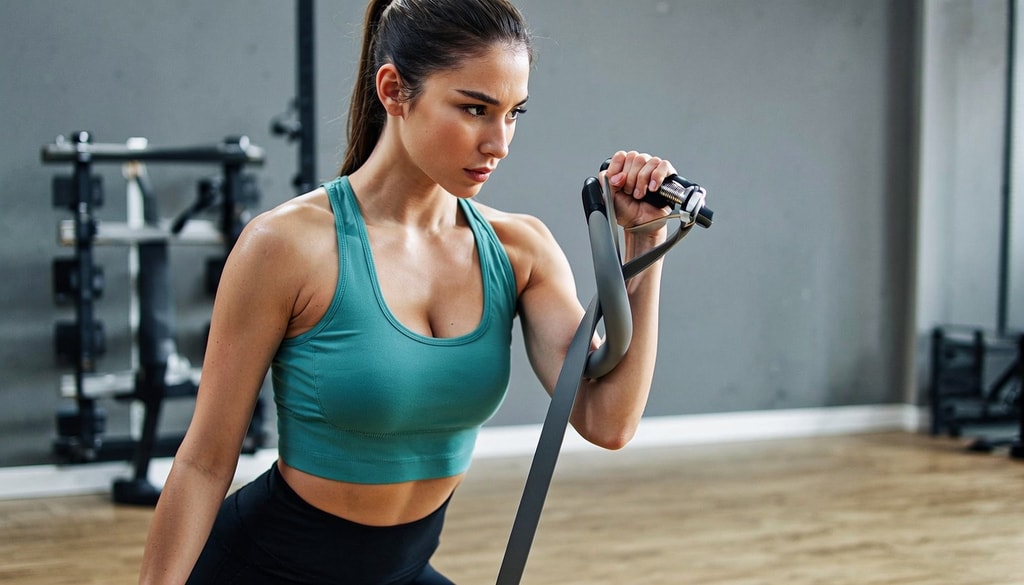
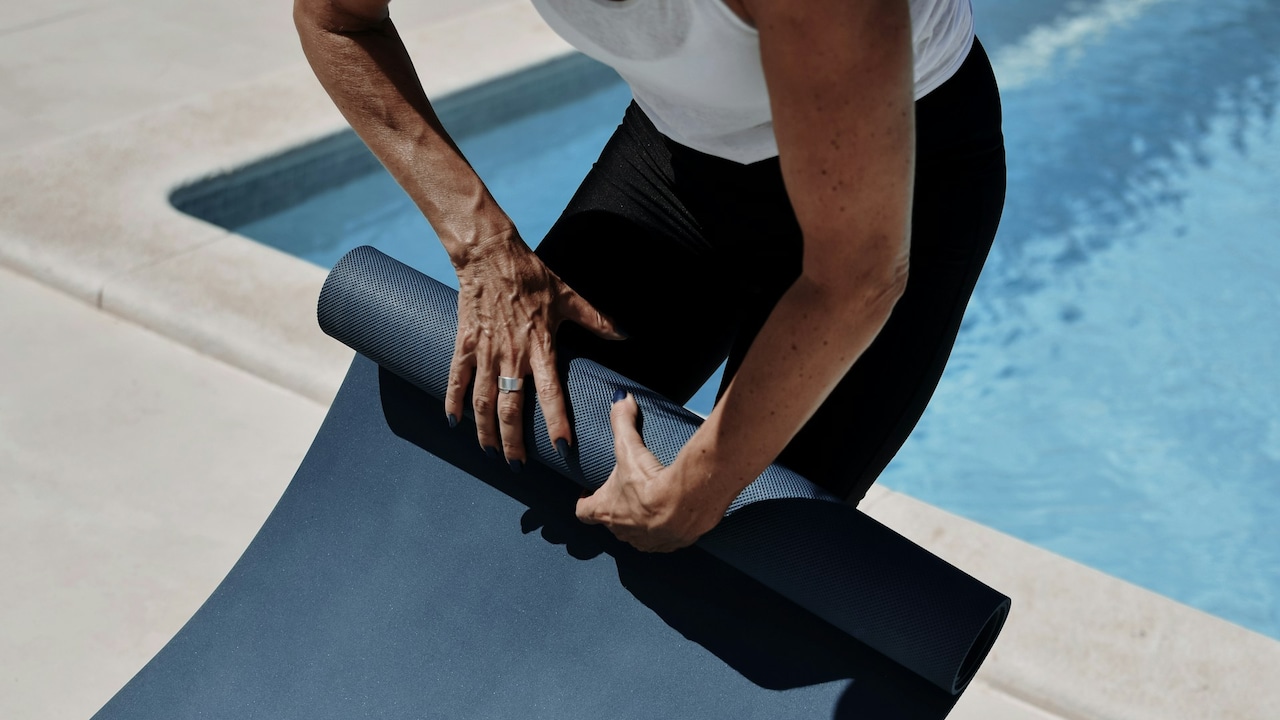
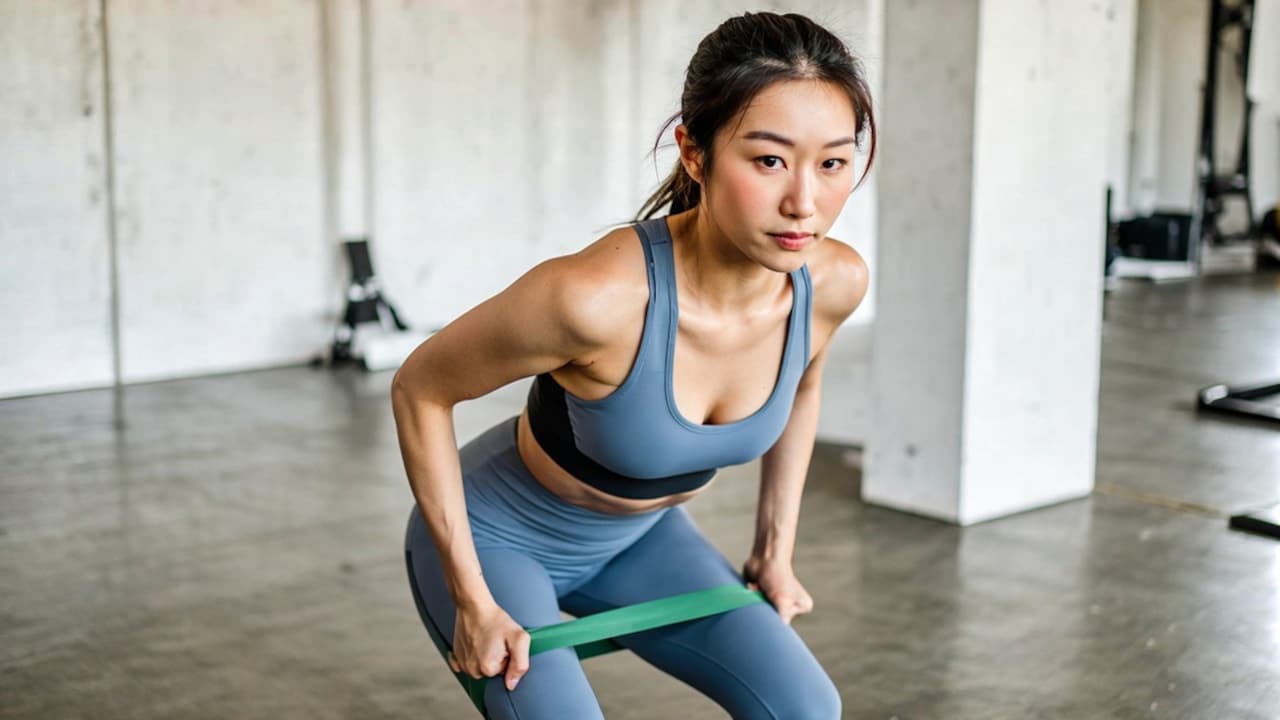
No-equipment fitness routines utilizing basic bodyweight moves and resistance bands for building strength.
Photo Credit: iStock
This guide covers what actually works when you have nothing, the progressions that make bodyweight training genuinely hard, and when to add a resistance band as the first small investment that multiplies everything else.
Can You Actually Build Strength Without Equipment?
Yes, with one condition: you have to make the exercises hard enough. A push-up where you are barely breaking a sweat is cardio. A slow push-up where your chest takes three seconds to reach the floor and three more to push back up is strength training. The stimulus is tension over time, and bodyweight delivers that if you control the movement rather than rushing through it.
The other condition is progressive overload, the principle that the body only adapts to demands that are harder than what it already handles. Without equipment, you create overload by slowing the tempo, reducing the base of support, adding pauses at the hardest point of the movement, or increasing the range of motion. None of that requires a dumbbell.
The Bodyweight Movements That Actually Build Strength
Push-ups, squats, lunges, glute bridges, and rows using a table edge cover most of the body. The critical word is compound: movements that load multiple joints at once build more functional strength than isolated exercises. These are the movements worth prioritising:
1. Push-Ups And Their Progressions
Start with a standard push-up. Once that is manageable, slow the descent to a four-second count. After that, try archer push-ups where one arm is nearly straight while the other bends fully. The goal is eventually a one-arm push-up. which requires serious upper-body strength. Most people never get bored with push-ups before they run out of progressions.
2. Squats And Squat Variants
Bodyweight squats become strength work when you go deep, hold the bottom position, slow the descent, or move to a pistol squat progression. A Bulgarian split squat, where the rear foot is elevated on a chair, loads the front leg heavily and is harder than most people expect. One leg, one chair, no equipment.
3. Rows Without A Barbell
Lie under a sturdy table, grip the edge with both hands, and pull your chest up to meet it. That is a bodyweight row. Add a bedsheet over a door for a suspension row if you want more range. You can train your back and biceps without any equipment once you are aware of the available exercises.
4. Core Without Crunches
Planks, hollow body holds, dead bugs, and L-sit progressions build core strength that carries over to every other movement. A hollow body hold, where you press your lower back into the floor and hold the legs and arms extended off the ground, is harder than most gym machines and requires nothing but floor space.
How To Make Bodyweight Training Progressive
The missing piece in most home workout attempts is progression. People do the same routine for two months, notice it feels easier, and assume they have plateaued. They haven't. They've adapted. Adaptation is success. The next step is to make it harder.
Step 1: Track Your Reps And Add Two Per Week
The simplest form of progressive overload is writing down how many reps of each exercise you completed last time and aiming to add two more this time. Over six weeks, this method compounds into a meaningful increase in strength.
Step 2: Slow Every Movement Down
A three-second descent and a one-second pause at the bottom of a squat turn an effortless twenty-rep set into a challenging twelve-rep one. A slow tempo removes momentum and forces the muscles to stay contracted longer.
Step 3: Reduce Your Base Of Support
Two-leg squat to single-leg squat. Two-arm push-up to archer push-up. Each reduction in the base of support increases the demand for balance, stability, and raw strength simultaneously.
Step 4: Increase Time Under Tension With Pauses
A two-second pause at the lowest point of a glute bridge or the hardest point of a push-up dramatically increases the muscle stimulus without adding reps. Pauses are underused and are one of the most effective tools available at home.
Step 5: Add A Resistance Band For Pulling Movements
Bodyweight training has one genuine gap: heavy pulling. Without a pull-up bar or a row setup, the back and biceps get less work than the chest and legs. A looped resistance band anchored to a door allows for band pull-aparts, face pulls, and rows that fill this gap for under five hundred rupees.
Step 6: Periodise Weekly Volume
Do more sets in weeks two and three than in week one, then reduce volume in week four before increasing again. This prevents adaptation from stalling and keeps the training progressing even without changing the exercises.
Step 7: Use Supersets To Increase Density
Pair a pushing movement with a pulling movement and complete them back to back with no rest between. Push-up, then table row; squat, then glute bridge. The same time investment produces more total volume.
Step 8: Treat Consistency As The Primary Variable
Three sessions per week for twelve weeks beats six sessions per week for four weeks every time. The body builds strength in the recovery between sessions, and a routine that is sustainable week after week is the one that actually produces results.
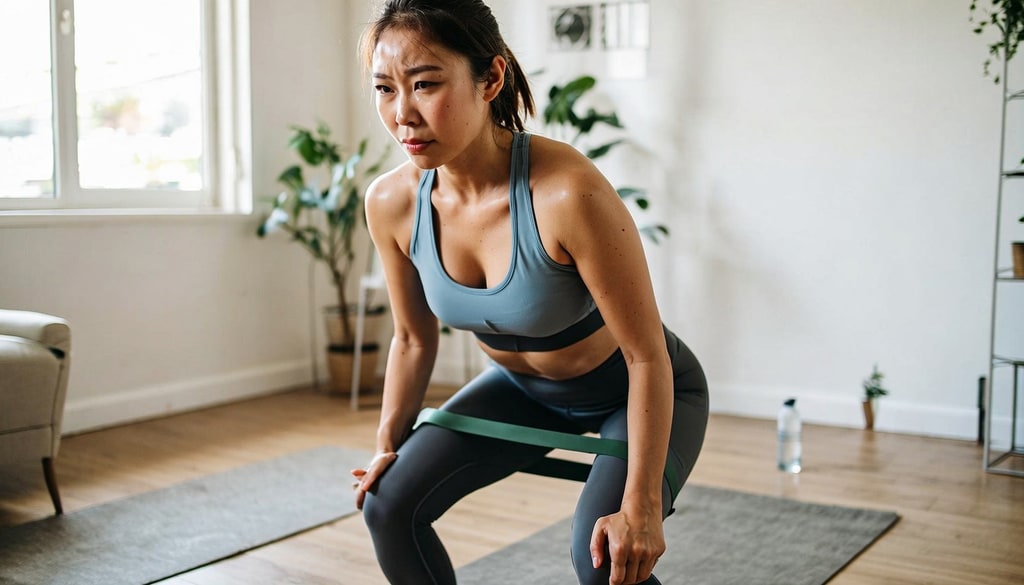
Master strength training at home using simple bodyweight exercises and affordable resistance bands.
Photo Credit: iStock
Some Resistance Bands Worth Trying
1. Fashnex Resistance Band Set With Carrying Bag
2. Näck Resistance Band Set
3. Wiselife Professional Latex Resistance Band
4. PulseIT Loop Band Resistance Band
5. Professional Adjustable Resistance Band For Strength Training
6. FASHNEX Resistance Band For Powerlifting & Strength
7. Forearm Thicken Strength System
8. Nivia Xtreme Power Hand Grip, Adjustable Hand Grip
The case for staying equipment-free indefinitely is real: it never requires a gym trip, it travels everywhere, and many people train for years on bodyweight alone. But when progress in pulling movements stalls and the table-row setup feels limiting, a resistance band is the single highest-leverage first purchase.
A looped resistance band anchored at different heights covers rows, face pulls, pull-aparts, bicep curls, and assisted pull-ups. A tube band with handles adds chest presses and shoulder work. Between these two items, every major muscle group has multiple exercise options. The total investment is under a thousand rupees and the carry-on bag-sized package goes anywhere.
Frequently Asked Questions (FAQs)
1. Can bodyweight exercises replace weights entirely?
For most people starting out, absolutely. Once you reach advanced progressions like pistol squats and archer push-ups, the strength you have built is real. Weights become optional rather than necessary.
2. How many times a week should I train at home?
Three times a week with rest days in between is the reliable starting point. Three consistent sessions will produce better results than five irregular ones.
3. Why is the hollow body hold so difficult?
It isolates the entire anterior core while requiring the lower back to stay flat against the floor. Most people discover gaps in core strength they didn't know they had the first time they try it. Start with ten seconds.
4. What is the first piece of equipment worth buying?
A looped resistance band. Anchored in a door frame, it provides enough resistance for rows, pull-aparts, and assisted pull-ups. It costs under five hundred rupees and is small enough to fit in a pocket.
5. How do I know if I am training hard enough?
The last two reps of each exercise set should feel difficult but still achievable with excellent form. If you could do five more without straining, the set was too easy. Increase the difficulty before the next session.
(Disclaimer: This article may include references to or features of products and services made available through affiliate marketing campaigns. NDTV Convergence Limited (“NDTV”) strives to maintain editorial independence while participating in such campaigns. NDTV does not assume responsibility for the performance or claims of any featured products or services.)