What To Do If Your Blood Pressure Reading Seems Unusually High At Home
Learn what to do if your blood pressure reading seems unusually high at home, including how to retake it correctly, common causes of temporary spikes, and when to seek medical help.
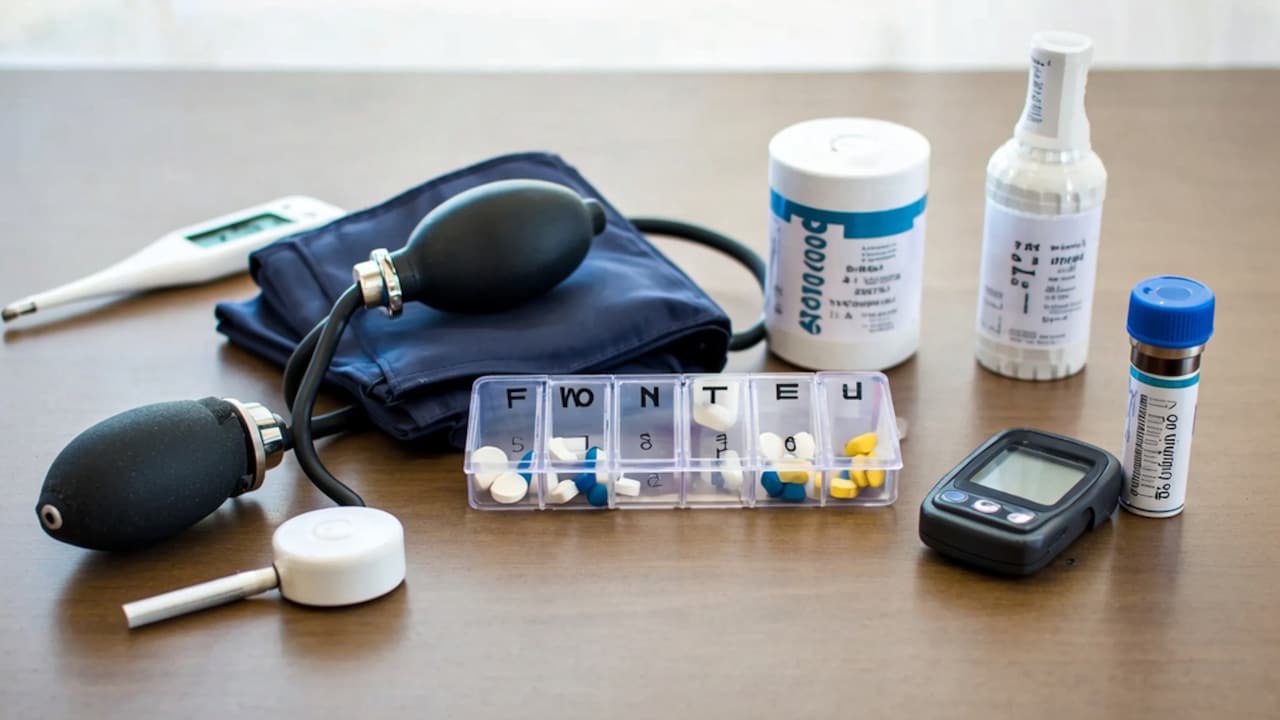
How to check the correct reading of blood pressure machines
Seeing a higher-than-usual blood pressure reading at home can be enough to make anyone worry. Your first instinct might be to assume something's seriously wrong, but honestly, one reading on its own rarely tells the full story. Blood pressure can rise temporarily for several everyday reasons, whether you've just climbed a flight of stairs, had a cup of coffee, felt stressed or even talked while the monitor was taking the reading.
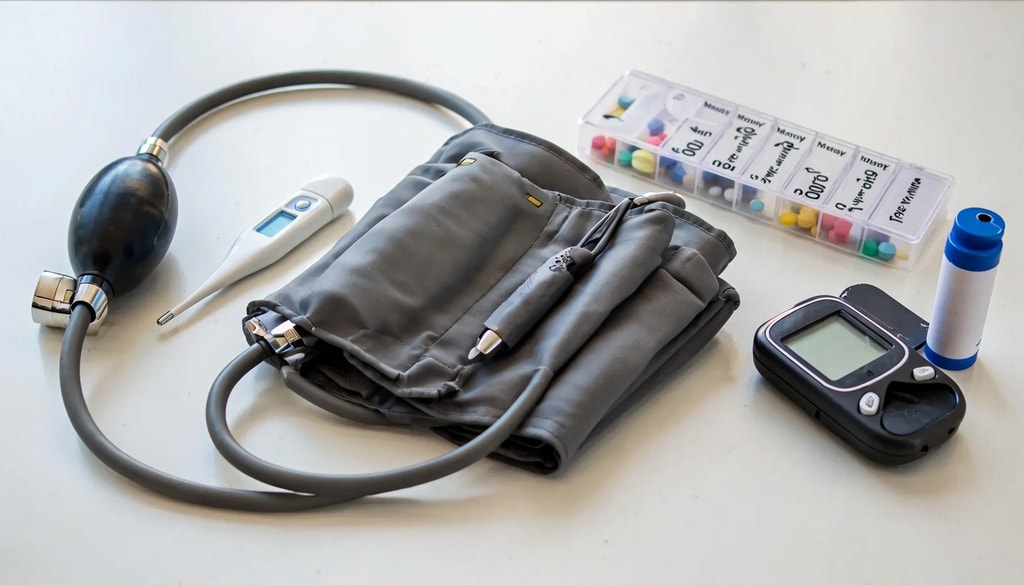
Discover common causes of sudden blood pressure spikes and how to retake your reading correctly.
Photo Credit: iStock
Instead of panicking, take a moment to pause. A few simple steps can help you find out whether it's just a temporary spike or something that needs medical attention. Understanding the correct way to retake the reading and when to contact your doctor can significantly impact the outcome. Here's what you should do next.
Also Read: How To Properly Use A Blood Pressure Machine At Home
Stay Calm Before Doing Anything Else
A scary number on the screen is unsettling. But what you do in the next few minutes actually changes things.
Step 1: Avoid Panicking
Here's the ironic part: stress and anxiety themselves can push your blood pressure up even more. So try to resist the urge to panic. Sit somewhere quiet, breathe slowly, and just give yourself a few minutes before checking again.
Step 2: Rest For Five Minutes
Find a comfortable seat, keep your back supported and both feet flat on the floor. Skip the phone scrolling and the chit-chat for these few minutes, they can throw the reading off more than you'd think.
Think About What May Have Caused The Spike
Temporary spikes happen more than people realise, they're honestly quite common.
Step 1: Consider Recent Activities
Did you just work out? Climb some stairs? Smoke, have a drink, or get into a stressful conversation right before checking? All of these can quietly bump your numbers up for a bit.
Step 2: Review Your Daily Routine
Poor sleep, not drinking enough water, emotional stress, and even certain medicines, like some cold and flu remedies, can all sneak in and affect your reading too.
Know Which Numbers Need Immediate Attention
Not every high reading is a five-alarm fire, but some situations genuinely need quick action, so it's worth knowing the difference.
Step 1: Monitor Repeated High Readings
If the numbers stay high even after resting and trying again, that's your cue to call your doctor and get their take.
Step 2: Watch For Warning Symptoms
But if a high reading shows up alongside chest pain, a pounding headache, trouble breathing, confusion, weakness or blurry vision, don't wait around, get emergency help immediately.
Avoid Common Mistakes While Measuring
Small things can throw off your results more than you'd expect.
Step 1: Do Not Measure Immediately After Activity
Give it a good 30 minutes after exercise, smoking or caffeine before you take a reading.
Step 2: Empty Your Bladder First
It may seem trivial, but a full bladder can actually cause a slight increase in your numbers. A quick bathroom trip beforehand can make your reading more accurate.
Keep A Record Of Your Readings
Honestly, tracking the pattern over time tells you a lot more than obsessing over one scary number.
Step 1: Maintain A Blood Pressure Log
Jot down the date, time, the reading itself, and anything that might have affected it, like stress, a workout, or whatever comes to mind.
Step 2: Share The Record With Your Doctor
Handing your doctor a proper log gives them a much clearer picture of whether your blood pressure is consistently running high and whether your treatment needs adjusting.
Support Healthy Blood Pressure Every Day
Small, everyday habits truly accumulate more than people realise.
Step 1: Follow Healthy Daily Habits
Regularly engage in physical activity, maintain a balanced diet, limit salt intake, monitor your weight, and prioritise getting enough sleep.
Step 2: Take Medicines As Prescribed
If you're on blood pressure medication, take it exactly as prescribed. Don't skip doses just because you're feeling fine that day, talk to your doctor first.
Common Myths About High Blood Pressure Readings
A single misread number can cause a lot of needless worry, so let's clear a few things up.
Step 1: One High Reading Does Not Always Mean Hypertension
Doctors usually look at multiple readings over time before making a diagnosis, not just one elevated number from one difficult day.
Step 2: Do Not Ignore Repeated High Readings
Even if you feel totally fine, consistently high readings shouldn't just be brushed off. Bring it up with a doctor.
So, the next time your blood pressure machine shows a high reading at home, do not panic. Instead, slow down and take the right steps without worrying.
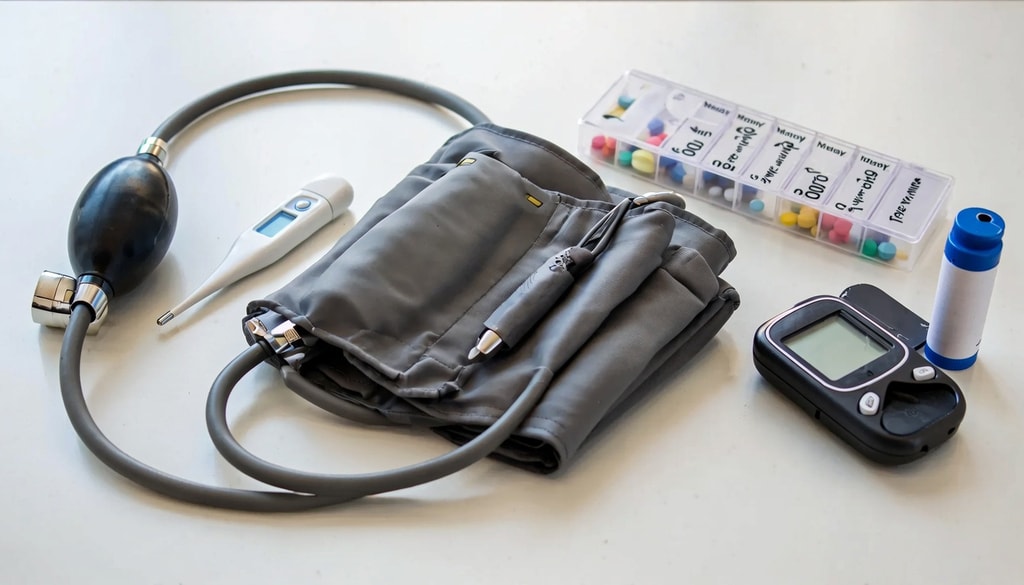
Discover common causes of sudden blood pressure spikes and how to retake your reading correctly.
Photo Credit: iStock
Some Home Blood Pressure Essentials You Might Like
1. Dr Trust Smart Automatic Digital Blood Pressure Monitor BP Machine
2. HealthSense Automatic BP Monitor
3. Dr VAKU Infrared Digital Thermometer
4. Health Monitoring Notebook
5. Green Healthcare BP Cuff Set - BP Cuff with Bladder and Bulb
6. Omron Smart Elite Arm Digital Blood Pressure Monitor
7. Force24 Medicine Organizer, Weekly Pill Organizer
8. BPL Medical Technologies Home Care Combo – Blood Pressure Monitor, Glucometer Kit And 100-Strip Vial
Frequently Asked Questions (FAQs)
1. How long should I wait before checking my blood pressure again?
Give it about five minutes to check your blood pressure again. Sit quietly, then check again. Two or three readings together are far more reliable than trusting just one.
2. Can stress temporarily increase blood pressure?
Yes, definitely. Anxiety, stress, and even worrying about the reading itself can push the numbers up temporarily.
3. Should I go to the hospital after one high reading?
Not necessarily, no. Rest a bit and try again first. But if it stays very high, or symptoms like chest pain, a severe headache or breathing trouble show up, don't wait, get emergency help.
4. Is it normal for blood pressure to vary during the day?
Completely normal. It naturally shifts based on activity, stress, meals and sleep.
5. How often should I check my blood pressure at home?
Best to go with what your doctor recommends. Many people find it helpful to check at roughly the same time each day and keep a running log for their appointments.
(Disclaimer: This article may include references to or features of products and services made available through affiliate marketing campaigns. NDTV Convergence Limited (“NDTV”) strives to maintain editorial independence while participating in such campaigns. NDTV does not assume responsibility for the performance or claims of any featured products or services.)