Top 10 Whey Protein Mistakes That Can Cause Bloating, Bad Taste Or Waste Of Money
Avoid common whey protein mistakes that can cause bloating, poor taste, and wasted money. Learn how to choose, mix, store, and use whey the smart way
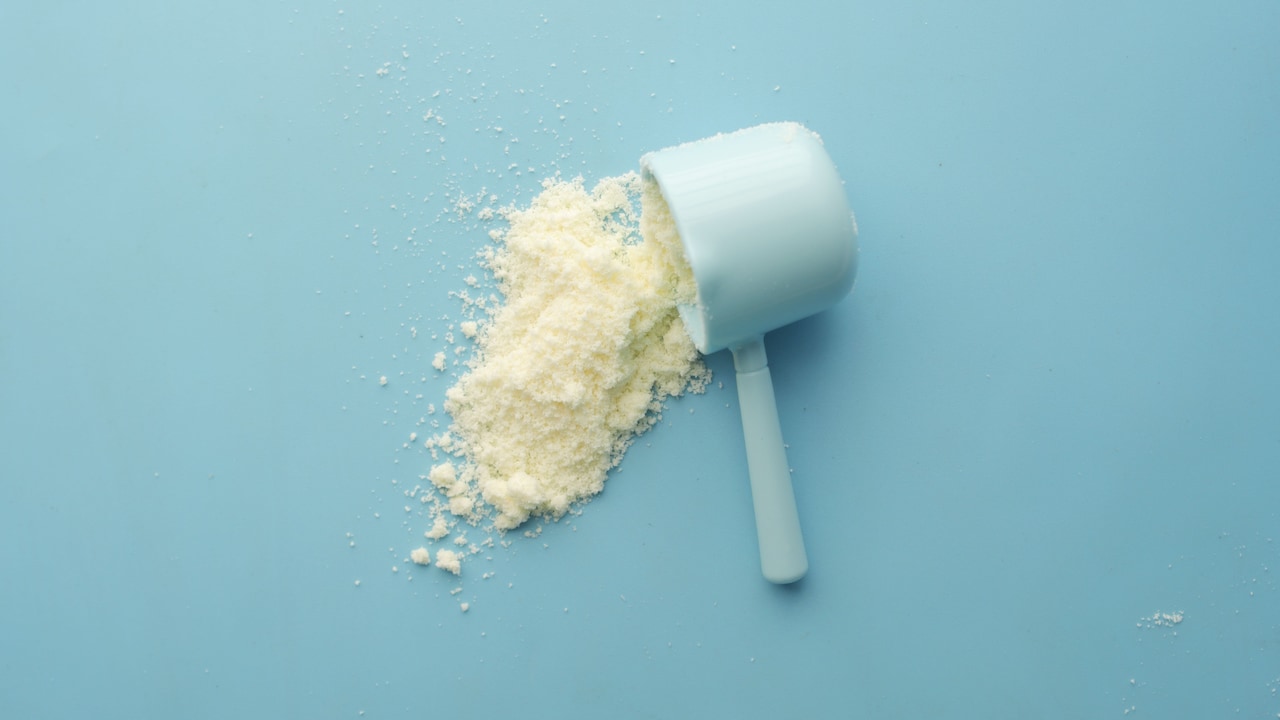
Top 10 Whey Protein Mistakes That Can Cause Bloating, Bad Taste Or Waste Of Money
Whey protein has become as common in gym bags as headphones, shaker bottles, and that one towel nobody seems to wash often enough. From college students chasing muscle gain to office-goers trying to meet daily protein goals, the humble scoop has earned a permanent spot on many kitchen shelves. Still, whey is not magic powder. It will not repair a poor diet, replace proper meals, or turn a sleepy evening walk into a bodybuilding programme. Used well, it helps. Used badly, it can cause bloating, taste awful, sit heavy in the stomach, and burn through money faster than weekend food delivery.
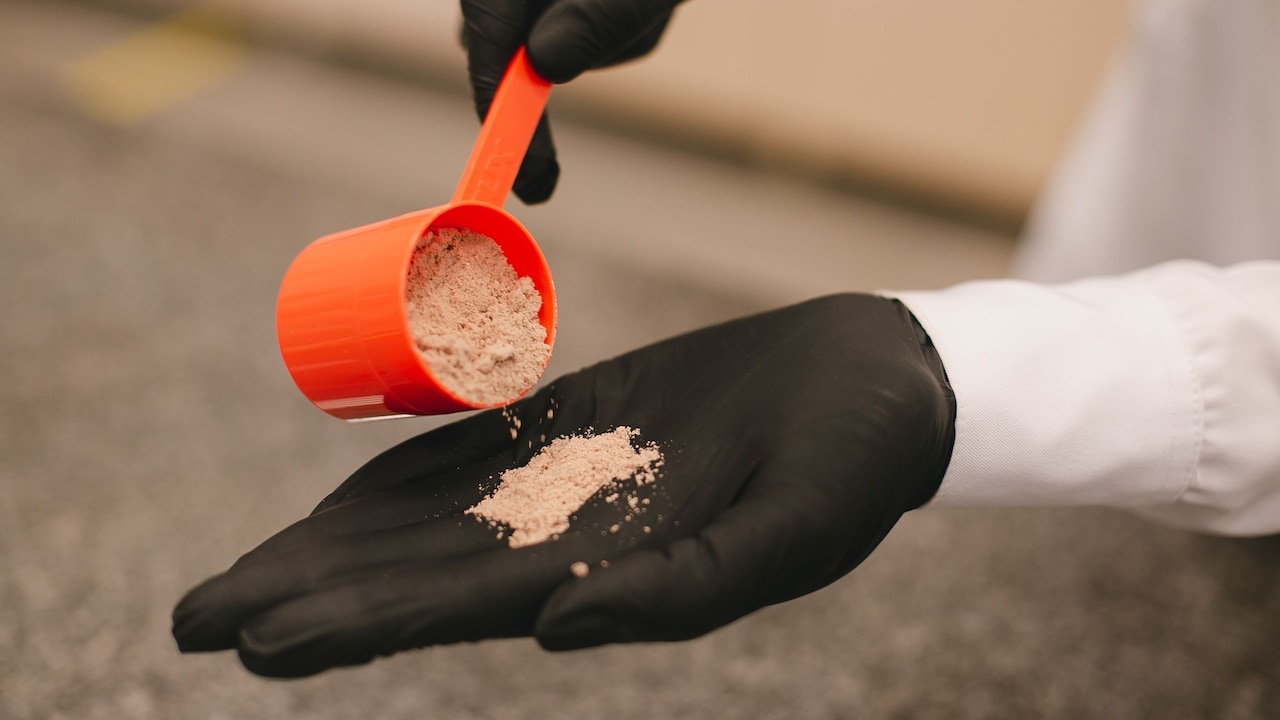
Top 10 Whey Protein Mistakes That Can Cause Bloating, Bad Taste Or Waste Of Money
Photo Credit: Pexels
The trouble often starts with small mistakes. Someone buys the cheapest tub online. Someone mixes it with hot milk and wonders why it clumps like bad halwa. Someone takes three scoops after missing breakfast, lunch, and common sense. The result? Discomfort, disappointment, and a half-used jar pushed to the back of the cupboard.
Whey protein works best when it fits real life. That means choosing the right type, using the right quantity, mixing it properly, and not expecting it to do the job of dal, paneer, eggs, fish, curd, chana, soya, nuts, and balanced meals. A scoop should support the day, not take over the day.
Here are the top ten whey protein mistakes that cause bloating, bad taste, or plain waste of money.
Common Whey Protein Mistakes To Avoid
Choosing The Wrong Type Of Whey
The first mistake happens before the first scoop. Many people pick whey by flavour, discount, or gym-bro approval, without checking which type suits their body. Whey concentrate, whey isolate, and whey hydrolysate do not behave exactly the same.
Whey concentrate usually costs less and tastes creamier, but it can contain more lactose. For people who feel gassy after milk, this can lead to bloating, burping, or that awkward heavy-stomach feeling during a commute. Whey isolate contains less lactose and may suit sensitive stomachs better, though it often costs more. Hydrolysate digests faster, but the price can feel like a luxury purchase.
The right choice depends on digestion, diet, and budget. A student spending ₹2,000 on a tub should not copy a competitive athlete buying ₹6,000 supplements every month. The smarter move is to start small. A trial pack or smaller jar can save money and stomach drama.
Good whey should feel like a useful addition, not a punishment. When the wrong type causes daily discomfort, the body gives feedback louder than any fitness influencer.
Taking Too Much Too Soon
Protein sounds healthy, so taking more feels tempting. That logic causes plenty of bloating. A person who has never used whey may suddenly start with two large scoops a day because someone promised “faster gains”. The stomach, however, does not enjoy surprise parties.
A sudden jump in protein intake can make digestion sluggish, especially when fibre and water remain low. The body needs time to adjust. Taking a huge shake after a light day of eating can also feel uncomfortable because whey reaches the gut quickly. The result may include gas, cramps, heaviness, or repeated trips to the washroom.
One scoop usually gives around 20 to 25 grams of protein, depending on the brand. That suits many people as a convenient boost. More does not always mean better. Protein needs depend on body weight, activity, and total diet. Someone who already eats eggs, paneer, chicken, dal, curd, or tofu may not need multiple scoops.
Start gently. Let the body accept the habit. Fitness rewards patience far more than panic-scooping.
Mixing Whey With The Wrong Liquid
A whey shake can taste like dessert or regret. The liquid often decides the difference. Many people blame the powder when the real culprit sits in the glass.
Mixing whey with full-cream milk may taste rich, but it can also feel heavy. For those with lactose sensitivity, milk plus whey concentrate creates a double dose of trouble. Bloating then arrives like an unwanted guest after dinner. Water gives a lighter shake, though some flavours taste thin in it. Chilled toned milk, lactose-free milk, curd-based smoothies, or even coffee-style cold blends can work better for different people.
Hot liquid causes another common disaster. Add whey directly into boiling milk and it may clump, curdle, or smell odd. Nobody wants a shaker full of floating lumps before office. Let the liquid cool slightly, or mix the powder first with room-temperature water before adding it to warm drinks.
Taste depends on method as much as brand. A ₹3,500 tub can still taste terrible when mixed carelessly. The best shake starts with the right liquid and a little common sense.
Also Read: From Protein Powder To Duffel Bag: Top 5 Essentials Every Gym Lover Will Appreciate
Ignoring Lactose Sensitivity
Many people accept bloating as the “normal” price of taking whey. It is not. Some bodies struggle with lactose, the natural sugar found in milk. Whey concentrate can contain enough lactose to cause discomfort in sensitive people.
The signs often look familiar: gas after every shake, stomach rumbling, loose motions, nausea, or a swollen belly that makes jeans feel personally offensive. People then blame protein itself and quit. In many cases, the issue lies with lactose, not protein.
Switching to whey isolate may help because it usually contains much less lactose. Plant protein can also suit those who cannot tolerate dairy well, though taste and texture differ. Digestive enzymes may help some users, but they should not become an excuse to ignore repeated discomfort.
Food habits also matter. Taking whey with milk, then adding cheese, paneer, and sweet lassi through the day may overwhelm a sensitive gut. The stomach keeps score even when the mind forgets.
A supplement should make nutrition easier. When every shake feels like a gamble, the choice needs a rethink.
Buying Only Because Of Discounts
A big online sale can make even a giant tub look irresistible. “₹1,500 off” sounds thrilling until the flavour tastes like wet cardboard and the powder refuses to mix. Cheap whey can become expensive when nobody wants to finish it.
Price matters, especially when monthly budgets already stretch across rent, groceries, fuel, fees, and weekend treats. Yet the lowest price should not be the only filter. Poor-quality products may contain less protein than promised, too much sugar, weak flavouring, or questionable ingredients. Some tubs look impressive but offer fewer servings than expected. The label may shout “massive protein”, while the serving size quietly grows like a hidden plot twist.
Check protein per serving, total servings, sugar, added fillers, and manufacturing details. Compare cost per serving, not just tub price. A ₹4,000 jar with 70 usable servings may beat a ₹2,800 jar with 35 disappointing ones.
Fitness shopping needs the same wisdom as buying mangoes in summer. A good deal should still taste good, digest well, and deliver what it promises.

Top 10 Whey Protein Mistakes That Can Cause Bloating, Bad Taste Or Waste Of Money
Photo Credit: Pexels
Not Reading The Label Properly
The label tells a story, but many people only read the flavour name. Chocolate brownie sounds exciting. Kesar pista sounds nostalgic. Cookies and cream sounds like cheating without guilt. Then the fine print reveals added sugar, low protein percentage, or a serving size big enough to feed a small committee.
A proper label check can prevent waste. Look at protein per scoop, calories, sugar, fat, sodium, ingredients, and allergens. Some powders include digestive enzymes. Some add creatine. Some contain artificial sweeteners that may not suit everyone. None of these details should come as a surprise after purchase.
The serving scoop can also mislead. One scoop from one brand may weigh 30 grams, while another may weigh 40 grams. Comparing them without checking grams creates confusion. Protein percentage matters because it shows how much of the powder actually provides protein.
The front of the tub sells a dream. The back of the tub explains the truth. Spending two extra minutes with the label can save weeks of bad shakes and budget regret.
Storing Whey Carelessly
Whey protein hates moisture, heat, and careless handling. Yet many tubs live near gas stoves, sunny windows, or damp kitchen corners. Some people leave the lid half-open, drop a wet scoop inside, or dip fingers into the powder like it is a snack jar. That is how good whey turns clumpy, stale, and suspicious.
Humidity can ruin texture and taste. In many homes, especially during monsoon, powder can absorb moisture quickly. Once clumps form, mixing becomes harder. The flavour may turn dull, and the smell may change. No supplement deserves that fate after costing ₹3,000 or more.
Store whey in a cool, dry place. Keep the scoop dry. Close the lid tightly after every use. Do not transfer powder into random containers unless they seal properly and stay clean. Also check the expiry date before buying a huge tub. A “value pack” loses value when it expires before reaching the halfway mark.
Good storage protects taste, safety, and money. Treat the tub like food, not gym decoration.
Using Whey As A Meal Replacement
A whey shake can help fill a protein gap, but it should not replace balanced meals every day. This mistake often starts with busy mornings. Someone skips breakfast, gulps whey, rushes to work, then wonders why hunger returns before noon with full emotional force.
Whole foods bring more than protein. They provide fibre, vitamins, minerals, healthy fats, and the satisfaction of chewing something real. Dal-chawal with curd, egg bhurji with roti, paneer with vegetables, chana salad, fish curry, tofu stir-fry, or sprouts chaat offer a wider nutrition package. Whey only does one job well: it adds protein conveniently.
Using whey as an emergency option makes sense on hectic days. Depending on it as the main meal plan does not. It can leave the diet unbalanced and make snacking worse later. The body may ask for food in louder ways, usually near samosas, biscuits, or late-night noodles.
A scoop can support a meal. It should not erase the meal. Real fitness grows from plates, not just shakers.
Expecting Whey To Fix Poor Training
Whey gets too much credit and too much blame. Some people buy protein powder before fixing sleep, training, steps, hydration, or basic meals. Then they expect visible changes in two weeks. When nothing dramatic happens, the tub becomes the villain.
Muscle gain needs resistance training, enough calories, enough protein, recovery, and consistency. Fat loss needs a sensible calorie deficit, movement, strength work, and patience. Whey helps only when the rest of the plan exists. It cannot compensate for random workouts, four hours of sleep, weekend overeating, or a diet built on fried snacks and sugary drinks.
This mistake wastes money because the supplement becomes a symbol instead of a tool. Buying whey feels productive. Using it within a proper routine creates results. There is a difference.
A person who trains three times a week, eats balanced meals, and sleeps well may benefit from one scoop a day. A person who skips workouts and treats whey like magic dust will mostly produce expensive foam in a shaker.
Drinking It At The Wrong Time For Your Body
There is plenty of noise around the “perfect” time to drink whey. Some insist it must happen within minutes after a workout, as though muscles carry a stopwatch. Timing matters less than daily protein intake, but personal comfort matters a lot.
Many people take whey immediately before training and then feel heavy, nauseous, or bloated during squats. Others drink it late at night with milk and wake up uncomfortable. Some take it on an empty stomach and feel acidic. The same shake can feel light for one person and troublesome for another.
A practical approach works better than strict rules. After a workout suits many people because it feels easy and convenient. Mid-morning can help those who struggle with breakfast. Evening works for someone who has a long gap between lunch and dinner. The best timing is the one that supports the day without upsetting digestion.
Fitness habits should fit normal life. When a shake creates discomfort, move the timing before blaming the powder.
Chasing Fancy Flavours Without Thinking
Flavours sell whey faster than facts. Double chocolate, mango kulfi, coffee caramel, blueberry cheesecake, paan, malai, and birthday cake can turn a supplement aisle into a sweet shop. The problem begins when excitement beats practicality.
A flavour that tastes fun for two servings may feel unbearable after thirty. Very sweet powders can become tiring. Unusual flavours may clash with milk, oats, coffee, or smoothies. Some taste artificial, especially when mixed with water. That “limited edition” tub can become a daily negotiation with the taste buds.
Classic flavours often work better for regular use. Chocolate, vanilla, unflavoured, coffee, and mild kesar options usually mix into more recipes. Unflavoured whey can go into oats, curd bowls, smoothies, or pancake batter, though it may not suit everyone's palate. A small pack helps test taste before buying a large jar.
The best flavour is not the most exciting one. It is the one that still feels drinkable on a sleepy Tuesday morning, after the novelty has packed its bags and left.

Top 10 Whey Protein Mistakes That Can Cause Bloating, Bad Taste Or Waste Of Money
Photo Credit: Pexels
Products Related To This Article
1. Wellbeing Nutrition Clean Whey Protein Isolate & Concentrate 1Kg Swiss Chocolate
2. MuscleBlaze Biozyme Performance Whey Protein Powder
3. TrueBasics Clean Raw Whey Protein Concentrate Powder
4. NAKPRO NUTRITION Impact Whey Protein Isolate & Concentrate
5. MuscleBlaze Beginner's Whey Protein Powder
6. AS-IT-IS ATOM PWR Whey XL - Powered with Fermented Yeast Protein Isolate
7. ONLY WHAT'S NEEDED By Food Pharmer
Whey protein is useful, but it is not complicated enough to deserve confusion. Most problems come from simple mistakes: the wrong type, too much quantity, poor mixing, lactose issues, blind discount shopping, ignored labels, bad storage, meal replacement habits, weak training, awkward timing, and flavour regret.
A good whey routine should feel easy. The shake should mix well, taste pleasant, digest comfortably, and fit the budget. It should support meals, not replace them. It should match the body, not copy someone else's routine from a gym mirror selfie.
Before buying the next tub, think like a smart shopper and a sensible eater. Check the label. Start small. Respect digestion. Keep expectations realistic. Spend where quality matters, not where marketing shouts the loudest.
In the end, whey protein should do one simple thing: make daily protein easier. When used with balance, it can become a helpful kitchen regular. When used carelessly, it becomes an expensive jar of bloating, bad taste, and lessons learned the hard way.
(Disclaimer: This article may include references to or features of products and services made available through affiliate marketing campaigns. NDTV Convergence Limited (“NDTV”) strives to maintain editorial independence while participating in such campaigns. NDTV does not assume responsibility for the performance or claims of any featured products or services.)