How To Pick A Treadmill That Does Not Shake, Squeak Or Take Over The Room
Choose a treadmill that stays steady, runs quietly and fits your home. This is how to check the frame, motor, belt size, cushioning and service before spending your money.
How To Pick A Treadmill That Does Not Shake, Squeak Or Take Over The Room
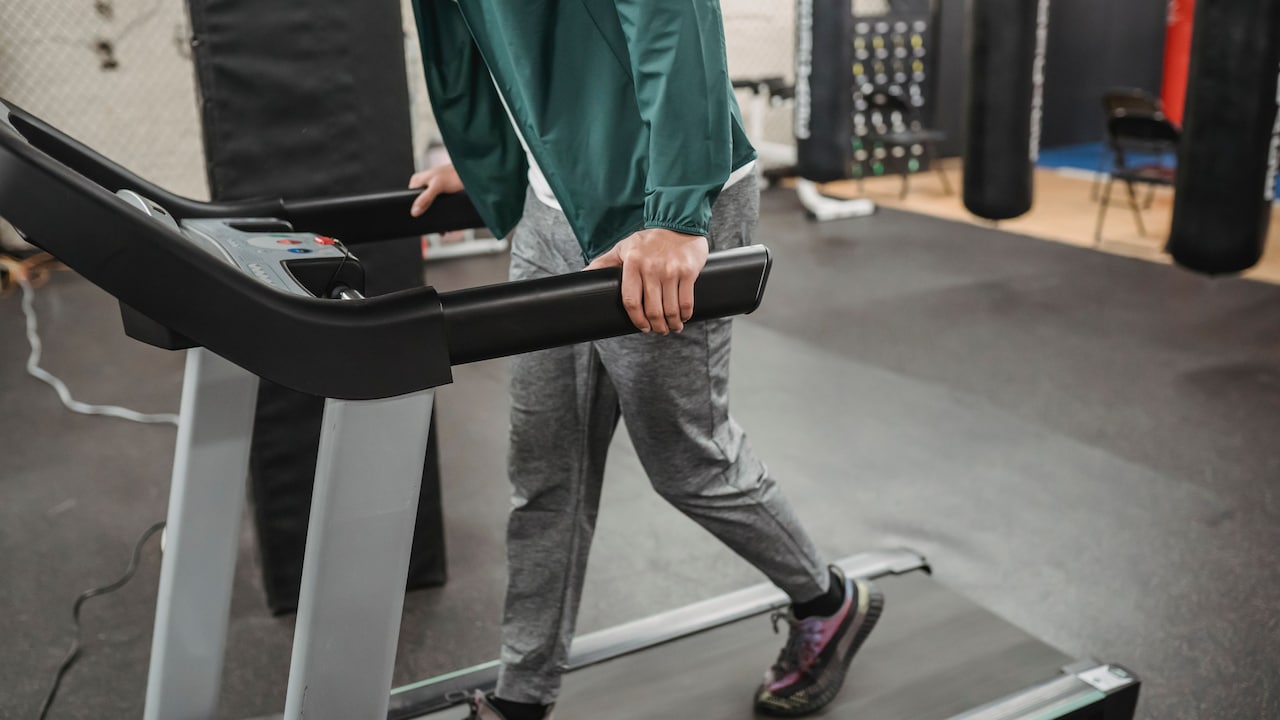
Buying a treadmill sounds simple until the showroom lights, discount banners and shiny screens start doing their little dance. One machine promises “commercial-grade performance”, another flashes twelve workout programmes, and a third folds so neatly that it seems ready to disappear behind a curtain. Then reality arrives at home. The treadmill shakes like a mixer-grinder on high speed, squeaks during every walk, blocks the balcony door, and turns the living room into a gym with a sofa attached. A good treadmill should make fitness easier, not create a new domestic problem. It should handle regular use, stay steady during brisk walks, keep noise under control, and leave enough breathing space in the room. The right choice depends less on fancy stickers and more on frame quality, belt size, motor strength, cushioning, safety and service. Before spending ₹30,000, ₹60,000 or more, it helps to look past the sparkle and ask practical questions.
How To Pick A Treadmill That Does Not Shake, Squeak Or Take Over The Room
Photo Credit: Pexels
What To Check Before Buying A Treadmill
Measure The Room Before You Measure Your Ambition
The first mistake many buyers make is emotional. They imagine sunrise runs, disciplined evenings and a body that cooperates after one motivational reel. Then they buy a treadmill that swallows half the room. Before comparing models, measure the space where the machine will live. Not roughly. Use a tape. A treadmill needs length, width and extra space around it for safe movement.
A compact flat may allow a walking treadmill, while a larger home can handle a running model with a wider deck. Leave space behind the treadmill, because stepping off in a hurry should not mean meeting a wall, shoe rack or coffee table. Also check ceiling height, especially for taller users and inclined workouts. A raised deck plus incline can make the head come closer to the ceiling fan than anyone would like.
Think about daily life too. Will the machine block a cupboard? Will it disturb someone watching television? Fitness equipment should blend into the home, not behave like a demanding guest who never leaves.
Check The Frame Before The Features
A treadmill's frame matters more than its screen, speakers or preset workouts. A weak frame causes shaking, wobbling, and that nervous feeling under the feet. A strong frame gives confidence, especially during brisk walking or jogging. Steel frames usually feel sturdier than lighter, flimsy builds, but weight alone does not tell the full story. The design, welding and base width also matter.
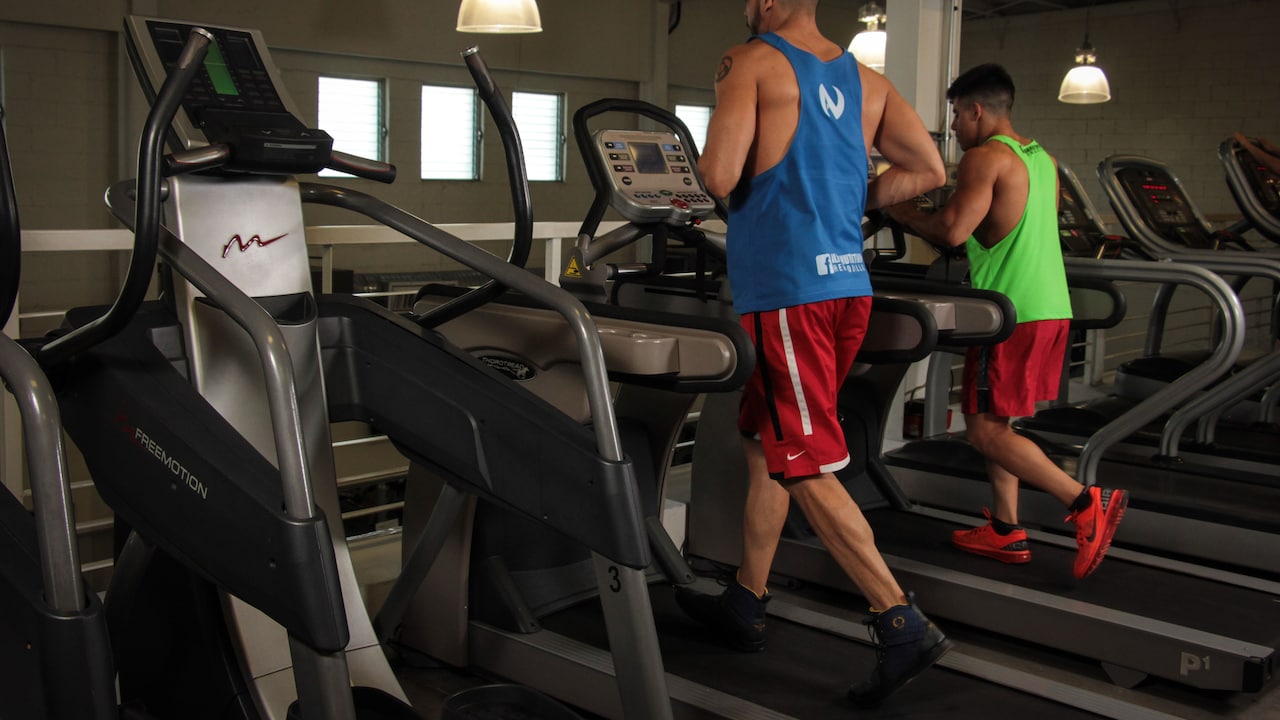
When testing a treadmill, hold the side rails and move gently from side to side. A quality machine should not twist like a folding chair at a wedding tent. Step on the deck and walk at different speeds. If the console shakes badly even during a normal walk, the treadmill may become irritating at home. Noise often grows with use, so a shaky display model rarely improves after delivery.
A stable treadmill also protects the motor and belt from unnecessary strain. Poor build quality can turn a good intention into repeated repairs. Spend money on the frame first. Fancy buttons can wait.
Look For A Motor That Matches Your Routine
The motor is the treadmill's heart. A tired motor makes the machine struggle, heat up and sound unhappy. Many brands use impressive numbers, but buyers should understand the difference between peak power and continuous power. Peak power sounds grand, yet continuous horsepower matters more for regular use. It shows what the motor can handle over time without gasping.
For walking, a modest motor may work well. For jogging, choose something stronger. For regular running, especially by heavier users, a more powerful motor makes sense. A weak motor on a busy household treadmill may suffer when two or three people use it every day. That can lead to belt hesitation, burning smells or early breakdowns.
Also ask about user weight capacity, but treat the number with caution. Leave a comfortable margin. If a treadmill claims to support 100 kg, someone close to that weight may get better stability from a model rated higher. A motor should not run at its limit daily, just as a scooter should not climb a flyover forever in the wrong gear.
Choose The Right Belt Size For Your Stride
A narrow or short belt can make every workout feel cautious. Walking becomes stiff. Jogging feels cramped. Running turns into a negotiation with fear. The belt size should match the tallest and fastest person who will use the treadmill. A person with a long stride needs more deck length, while broader users may feel safer on a wider belt.
For casual walking, a smaller belt may be enough. For jogging or running, a longer and wider belt offers comfort. A cramped belt forces users to look down often, which affects posture. It also increases the chance of stepping on the side rails by mistake. That one awkward stumble can end a fitness plan faster than any festival sweet box.
Check the usable running area, not just the full machine size. Some treadmills look large but have a shorter belt because the motor cover eats into the deck. Walk naturally on the machine in the showroom. A good belt lets the body move freely without constant adjustment.
Test Stability Like A Fussy Upstairs Neighbour
A treadmill that shakes can annoy the user, the family and possibly the people living below. Stability needs a proper test, not a shy two-minute stroll in sandals. Wear comfortable shoes, step on the treadmill and walk at the speed usually used at home. Then raise the speed a little. Notice the deck, rails, console and sound. A little movement is normal, but strong vibration is a warning sign.
A heavier treadmill often feels more planted, though design still matters. Check whether the base sits evenly on the floor. Uneven tiles, common in older homes, can make a treadmill wobble. Adjustable levellers help solve this. A good mat under the treadmill can also reduce vibration and protect flooring.
Do not ignore how the machine feels during incline. Some treadmills remain steady on flat mode but start groaning when raised. The best model is not the one that looks bold in a catalogue. It is the one that behaves quietly when real feet meet real speed.
Listen For Noise Before It Comes Home
Noise can turn a treadmill from useful to unbearable. There are different kinds of noise: motor hum, belt slap, foot thud, plastic rattles and the dreaded squeak that arrives like a background score. Showrooms can hide these sounds because of music, traffic or sales chatter. Ask to test the machine in as quiet a corner as possible.
A good treadmill will still make sound, especially during running. No machine can make footsteps vanish. Still, the noise should feel smooth and controlled. Harsh scraping, clicking or squeaking deserves attention. Sometimes a treadmill only needs belt alignment or lubrication, but a brand-new model should not sound like an ageing ceiling fan.
At home, noise matters more in flats, shared houses and early morning routines. A machine used at 6 am should not wake the household like a pressure cooker whistle. Choose a treadmill with a decent deck, strong rollers and good assembly. A treadmill mat helps, but it cannot rescue a poorly built machine.
How To Pick A Treadmill That Does Not Shake, Squeak Or Take Over The Room
Photo Credit: Pexels
Do Not Let Folding Models Fool You
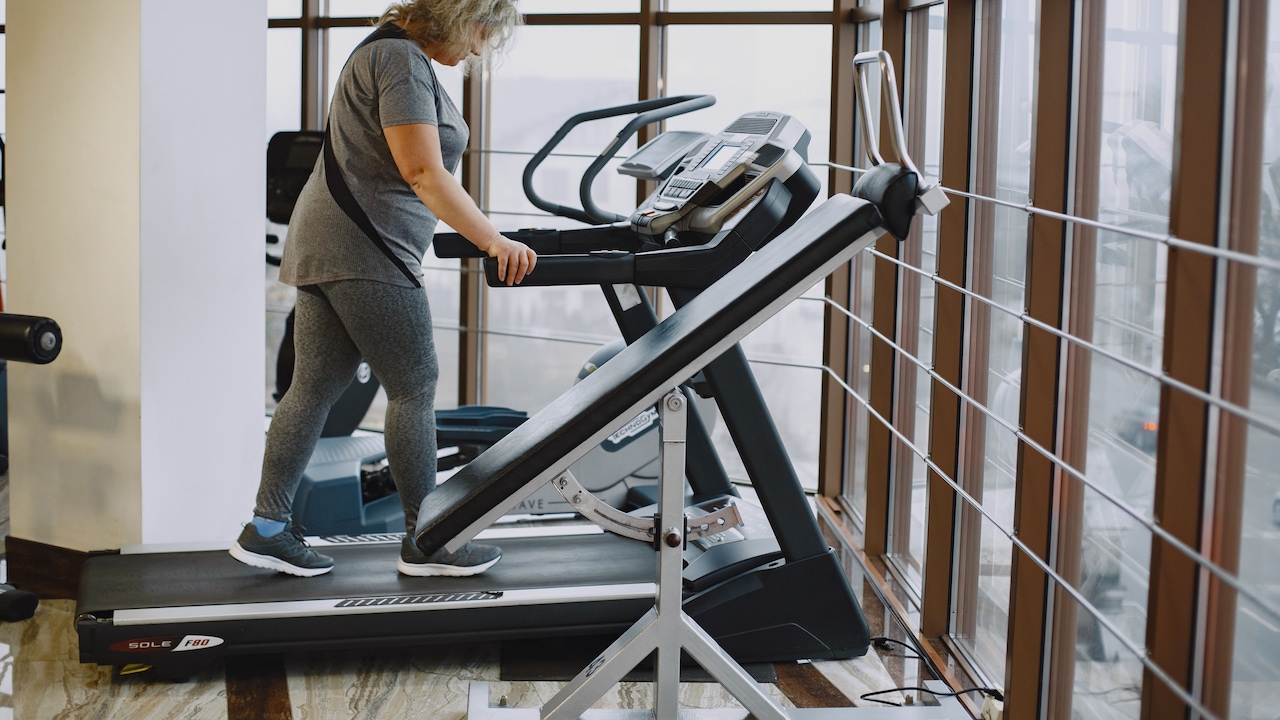
A folding treadmill sounds perfect for homes where every square foot has a job. It can fold up after use and free the room, at least in theory. In practice, many folding treadmills are heavy, awkward or still too bulky. Before buying one, check how easily it folds and unfolds. The lift should feel smooth, not like wrestling with a metal cupboard.
Hydraulic or soft-drop systems make life easier and safer. Without them, the deck can come down with alarming speed. Also check the folded footprint. Some models stand tall and still take floor space. Others tilt and roll, but only on smooth floors. If the treadmill must move through a narrow passage or rest beside a bed, measure both folded and open dimensions.
Stability also matters. Some folding models feel less solid than non-folding ones because of hinges and lighter frames. That does not make all folding treadmills bad. It simply means convenience should not defeat comfort, safety or durability.
Look Beyond The Console Glitter
A bright console can seduce even sensible buyers. It shows calories, pulse, distance, speed, incline, programmes and sometimes Bluetooth features. These extras can help, but they should not become the main reason to buy. Many calorie counters give rough estimates. Hand-grip pulse sensors can be inconsistent. Built-in speakers may sound weaker than a basic phone speaker kept nearby.
What matters most is ease of use. The speed and incline buttons should respond quickly. Emergency stop should sit within easy reach. The display should remain readable during movement. Large buttons help older users and anyone who does not want to jab tiny controls while walking.
Preset programmes can add variety, but most people use manual mode often. So the console should feel simple rather than crowded. A treadmill is not a cockpit. It should not require a tutorial before every walk. Pick a model that makes starting, pausing and adjusting speed feel natural. Good design reduces excuses, and fitness already has enough of those.
Also Read: Why Your Sportswear Underperforms: Shopping Based On Looks Instead Of Function
Match Cushioning With Your Knees
Cushioning is one reason people choose treadmills over hard outdoor surfaces. A good deck softens impact and makes walking or running feel kinder on the knees, ankles and back. Yet cushioning should not feel too soft. A bouncy deck can feel unstable and may affect balance. The aim is gentle support, not trampoline drama.
People recovering from pain or returning to exercise after a long break should pay extra attention to deck feel. Walk for several minutes during testing. The first thirty seconds can mislead. Comfort becomes clearer once the body settles into rhythm. If the deck feels harsh, the joints may complain later. If it feels spongy, the stride may become awkward.
Shoes also matter. A good treadmill cannot fully compensate for worn-out footwear. Pair a cushioned deck with proper walking or running shoes. The body notices such details, even when the mind only wants to check steps before dinner.
Think About Service Before The First Breakdown
Every treadmill needs care. Belts need alignment. Decks may need lubrication. Motors and boards can fail. A machine with poor service support can become a silent sculpture in the corner. Before buying, check warranty details carefully. Ask what the warranty covers: motor, frame, belt, electronics and labour. A long warranty sounds comforting, but exclusions can hide in small print.
Service availability matters as much as brand name. A company with technicians in major cities may still struggle in smaller towns. Ask how complaints get registered and how quickly visits usually happen. Search for user experiences, not just star ratings. Repeated complaints about delayed service, unavailable parts or rude support should not be ignored.
Also ask about installation. A badly assembled treadmill can squeak, shake or wear out faster. Professional installation helps with levelling, belt tension and safety checks. A cheaper unknown model may look tempting, but savings vanish when spare parts become a treasure hunt. Fitness needs reliability, not suspense.
Set A Budget That Includes The Extras
A treadmill budget should include more than the machine price. Delivery, installation, voltage stabiliser if needed, treadmill mat, maintenance lubricant and extended warranty can add to the total. Some buyers stretch for a larger screen but skip the mat, then complain about vibration marks on the floor. Practical extras often matter more than entertainment features.
Decide the main use first. A walking treadmill for gentle daily movement can cost much less than a strong running treadmill. Spending ₹25,000 on the wrong type can hurt more than spending ₹55,000 on the right one. A bargain that squeaks after two months is not a bargain. It is an EMI with regret.
Festive sales and bank offers can help, but avoid buying only because the timer on the website looks dramatic. A treadmill should suit the user's weight, stride, room and routine. The best deal is the one that still feels sensible after the delivery team leaves and the cardboard has gone.
How To Pick A Treadmill That Does Not Shake, Squeak Or Take Over The Room
Photo Credit: Pexels
Products Related To This Article
1. Lifelong 6HP Motorized Treadmill| 25 Levels Auto Incline
2. Fitkit Pulse Run Pro 6HP BLDC Treadmill
3. PowerMax Fitness TDM-96B 4HP DC Treadmill for Home
4. Cockatoo SmartRun3.5 3.5HP Peak DC Motorized Treadmill for Home
5. Sparnod Fitness STH-1200 Motorized Treadmill for Home Use
6. Flexnest Flexpad EZ Pro 2 in 1 Walking Pad Treadmill for Home Use
7. PowerMax Fitness Walkpad 3HP Compact Motorized Treadmill for Home-Office Use with Remote Control
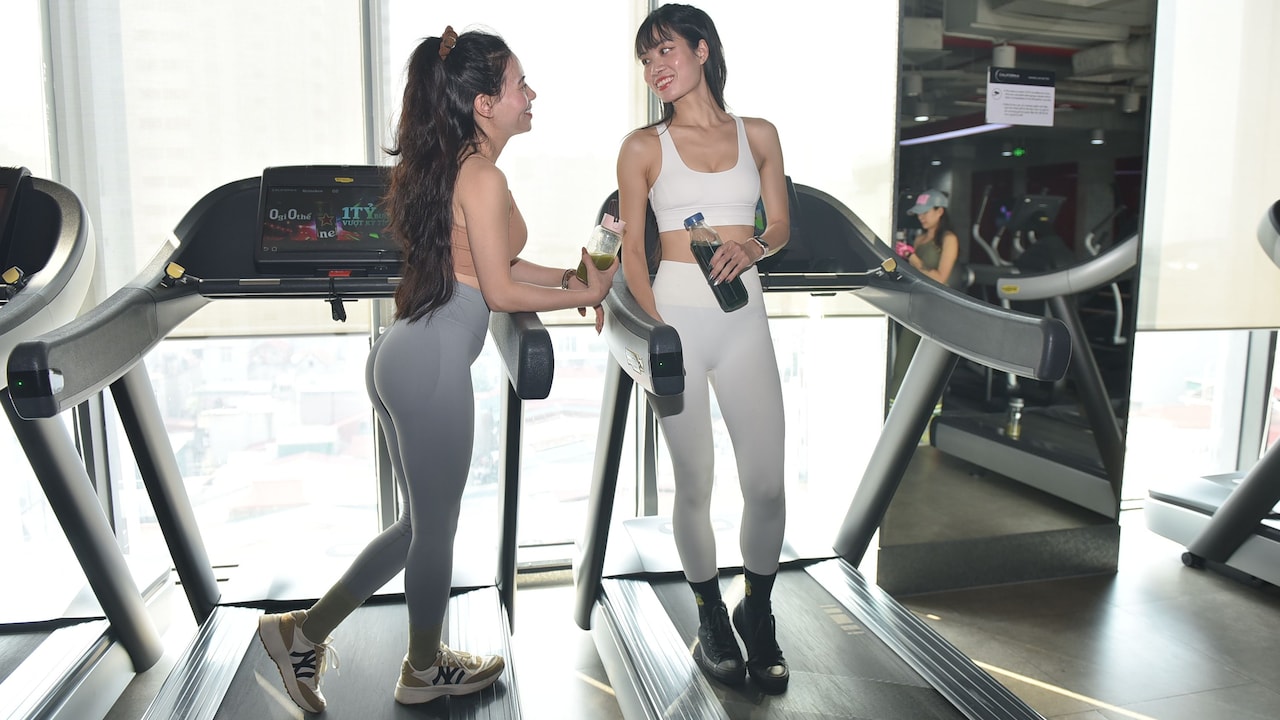
A treadmill should earn its space at home. It should invite movement without shaking the furniture, squeaking through every step or blocking daily life like a stubborn almirah. The smartest purchase starts with the room, then moves to the frame, motor, belt, cushioning, noise, folding design, controls, service and full cost.
The right treadmill may not be the flashiest one in the showroom. It may not have the largest screen or the loudest discount tag. It will, however, feel steady underfoot, sound controlled, fit the room and survive regular use. That matters more than a dozen unused workout modes.
Fitness already competes with work calls, family meals, traffic, weather, festivals and the magnetic pull of the sofa. A good treadmill removes friction instead of adding more. Choose with patience, test without embarrassment, and buy for real life rather than a perfect advertisement. The result will be a machine that supports the habit, not one that becomes a very expensive towel stand.
(Disclaimer: This article may include references to or features of products and services made available through affiliate marketing campaigns. NDTV Convergence Limited (“NDTV”) strives to maintain editorial independence while participating in such campaigns. NDTV does not assume responsibility for the performance or claims of any featured products or services.)