Why Menstrual Cups Leak Even When They Appear Fully Open
A menstrual cup may look fully open yet still leak due to poor positioning, weak suction, a misplaced cervix, blocked air holes or overflow. Understanding the real cause can help prevent stains and improve comfort.

Explore common reasons that can make menstrual cup leak easily
Few things test patience like trusting a menstrual cup, stepping out in crisp white trousers and discovering an unexpected stain before lunch. The cup seemed open. The base felt round. There was no visible fold. Yet the leak arrived anyway, almost as if the cup had its own mischievous agenda. Many users assume that a fully open cup must create a perfect seal. In reality, opening forms only one part of the process. A cup can unfold completely and still sit in the wrong place, miss the cervix, lose suction during movement or overflow sooner than expected. The vaginal canal also changes throughout the cycle, so a placement that works brilliantly one day may behave differently the next.

Common reasons why menstrual cups can sometimes leak
Photo Credit: Pexels
Leaks do not always mean that the cup has failed or that the user has inserted it incorrectly. More often, they reveal a small mismatch between the cup, the body and the day's flow. Here are ten reasons a menstrual cup may leak even when it appears fully open.
Also Read: 5 Top-Rated Pee Safe Products For Periods, Menstrual Hygiene, And Wellness
The Hidden Reasons Behind Menstrual Cup Leaks
1. The Cervix Is Sitting Beside The Cup
A menstrual cup does not simply collect blood from anywhere in the vaginal canal. It must sit beneath the cervix, which releases menstrual fluid. If the cervix rests beside the rim rather than directly above the cup, blood can travel down the outer wall and escape.
This often happens because the cervix does not always sit neatly in the centre. It may lean towards the front, back or side. Its position can also shift during the cycle. On a heavy-flow day, it may sit lower than it did the previous evening.
After inserting the cup, gently trace a clean finger around the rim. The cervix may feel like the tip of a nose, though softness varies. If it sits outside the cup, remove the cup and angle it towards the cervix during reinsertion.
This small adjustment often solves mysterious leaks. The cup may have opened beautifully, but opening in the wrong neighbourhood does not help much. Think of it as placing a bucket under a tap. A perfectly shaped bucket still misses the water when the tap points beside it.
2. The Cup Has Opened Too Low
A cup can feel round and fully expanded while sitting too close to the vaginal opening. In that position, it may struggle to surround the cervix or maintain a stable seal. Walking, sitting, climbing stairs or simply shifting in a chair can then move it enough to cause leakage.
A low cup may also feel uncomfortable. The stem might poke, the base may sit within easy reach, or the cup may create a dragging sensation. Some users mistake this position for correct placement because the cup feels secure at first.
Try nudging the cup slightly higher after it opens. Hold the base rather than the stem, then guide it upwards with a gentle side-to-side motion. Avoid pushing it as high as possible without checking comfort. The ideal height depends on anatomy, cervix position and cup shape.
During insertion, relax the pelvic floor and aim the folded cup towards the tailbone rather than straight upwards. This follows the natural angle of the vaginal canal. A cup that sits at the right height usually feels less noticeable and handles movement with greater confidence.
3. The Cup Has Travelled Past The Cervix
Sometimes the opposite problem occurs. The cup moves too high and slides past the cervix, especially when the cervix sits low or points strongly to one side. The cup may remain completely open, but the cervix ends up beside the cup rather than inside its rim.
This can happen with narrow cups, long cups or strong pelvic-floor muscles that naturally draw the cup upwards. It may also occur overnight, when body position and muscle relaxation allow the cup to shift.
A leak caused by high placement often begins soon after insertion, even though the cup contains very little fluid when removed. That detail offers an important clue. If the cup leaks while nearly empty, overflow probably did not cause the problem.
Check the cervix position before insertion, particularly during the first few cycles of cup use. A clean finger can help estimate its height and direction. Then place the cup slightly lower and angle the rim towards the cervix.
The goal is not to make the cup disappear into the highest possible position. The goal is to place it where it can actually collect the flow.
4. The Seal Has Not Formed Properly
A cup may look open without creating a complete seal against the vaginal walls. The rim can appear round, yet a tiny section may fail to make firm contact. That narrow gap allows fluid to slip past.
Several factors can weaken the seal. The cup may feel too soft for strong pelvic-floor muscles. The vaginal walls may press against it during movement. A small amount of menstrual fluid around the rim may also reduce grip, particularly on heavy days.
After insertion, hold the base and rotate the cup gently. A full turn is not always necessary. A slight twist may help the rim settle. Running a finger around the cup can also reveal dents or areas where the wall presses inward.
Another useful check involves giving the stem a very gentle tug. Resistance often suggests that the cup has formed suction. However, avoid pulling hard, as this may cause discomfort.
A seal does not require dramatic suction or a loud popping sound. Many cups open quietly. What matters is stable contact around the rim. The cup should stay in place when the body moves, laughs, coughs or rushes for the morning metro.
5. The Air Holes Are Blocked
Most menstrual cups have tiny air holes near the rim. These holes help regulate pressure and support the seal. When dried blood, discharge or soap residue blocks them, the cup may open but fail to maintain suction.
Blocked holes often cause sudden leaks after a cup has worked well for several cycles. The problem can appear confusing because the size, technique and body have not changed. A quick inspection may reveal the real culprit.
During cleaning, hold the cup up to the light and check each hole. Rinse them under running water. Gently stretch the silicone around the hole to loosen trapped residue. Some users fill the cup with water, cover the top with a palm and squeeze carefully so water passes through the openings.
Avoid using pins, needles or sharp objects, as they can damage the silicone and create tiny tears. A soft interdental brush may suit some cup designs, but the manufacturer's cleaning guidance should take priority.
Regular boiling also helps maintain hygiene, though boiling alone may not clear stubborn debris. Clean air holes allow the cup to adjust to movement and pressure changes instead of losing its seal halfway through the day.
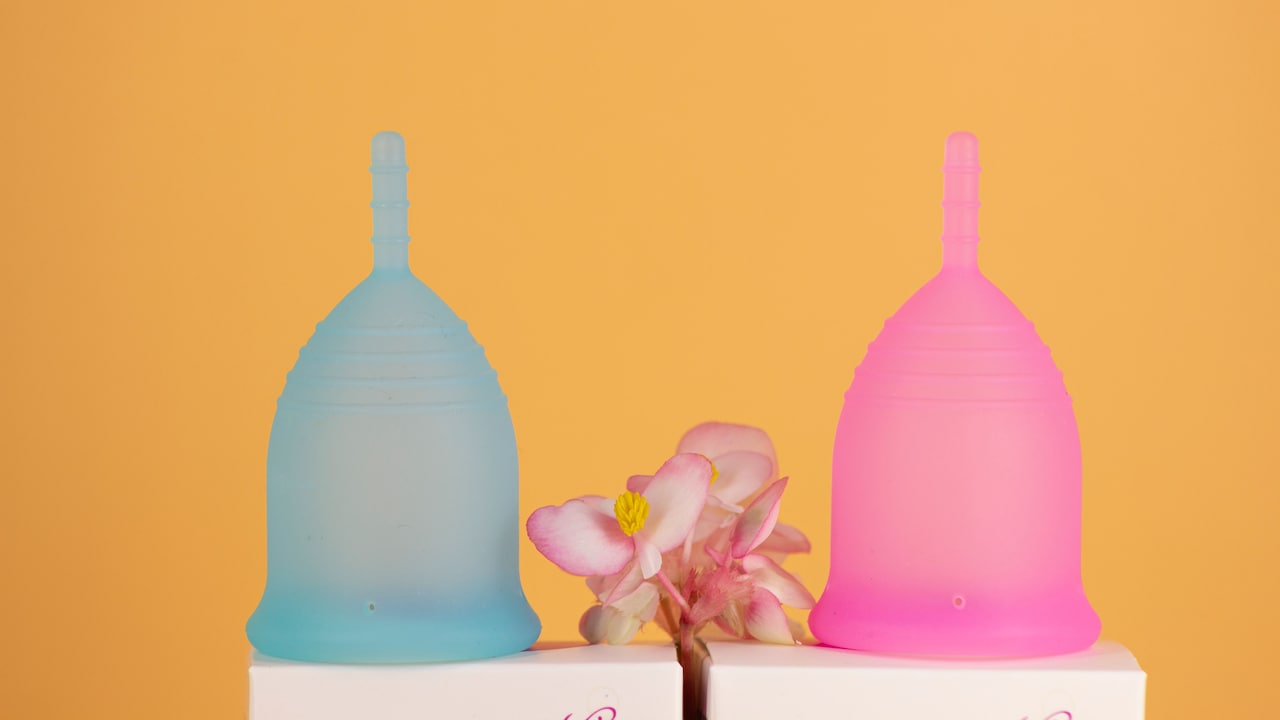
Blocked air holes can also cause leakage in menstrual cups
Photo Credit: Pexels
6. The Cup Is Too Soft For The Pelvic Floor
Soft cups often feel comfortable, especially for beginners or anyone with bladder sensitivity. However, a very soft cup may collapse slightly under pressure from strong pelvic-floor muscles. It can still appear open when checked, then lose shape during exercise, coughing, bowel movements or long hours of sitting.
This problem often shows up during yoga, running, gym sessions or a crowded commute that involves plenty of standing and sudden movement. The cup may leak only during activity and behave perfectly at home.
A firmer cup can offer more resistance and maintain its shape more reliably. That does not mean choosing the hardest cup available. Excessive firmness may create pressure, cramps or urinary discomfort. The right balance depends on muscle tone, sensitivity and daily routine.
Before replacing the cup, try adjusting its position. A slightly higher or lower placement may protect it from direct muscle pressure. Different folds can also help the rim open with greater strength.
If leaks continue mainly during movement, cup firmness deserves attention. Bodies are not static containers. They bend, stretch, sneeze and occasionally sprint after an auto-rickshaw. The cup must cope with all of it.
7. The Cup Shape Does Not Match The Body
Menstrual cups come in bell, V-shaped, rounded and tapered designs. Two cups with the same capacity can behave very differently inside the body. A cup may open fully but still leak because its shape does not suit the vaginal canal or cervix position.
A wide, rounded cup may work well for someone with a low cervix, while a longer V-shaped cup may suit a higher cervix. A narrow rim might miss a cervix that shifts sideways. A wide rim may feel uncomfortable in a narrower canal.
Cup length matters too. If the body pushes a long cup downwards, the seal may break. If a short cup sits too low beneath a high cervix, fluid may travel along the vaginal wall before reaching it.
Persistent leaks across several cycles can signal a shape mismatch rather than poor technique. Notice where the cup sits, how easily it opens and whether it moves during the day. These details matter more than broad labels such as “small” or “large”.
Finding the right design sometimes involves trial and error, which can feel annoying when each cup costs several hundred rupees. Still, the correct shape often improves both comfort and reliability.
8. The Cup Has Reached Its Capacity
A cup can remain fully open, correctly positioned and properly sealed yet still leak because it has filled up. Heavy-flow days can surprise even experienced users, especially during the first two days of a cycle.
Capacity varies widely between cup models. The usable capacity may also differ from the advertised figure because the air holes sit below the rim. Once the fluid reaches those holes, leaking can begin before the cup looks filled to the top.
A low cervix can reduce capacity further. If the cervix dips into the cup, it occupies space that would otherwise hold menstrual fluid. The cup may therefore fill faster than expected.
Tracking emptying times for two or three cycles can reveal a pattern. Someone who needs to empty the cup every four hours on a heavy day should not rely on an eight-hour schedule simply because the packaging mentions longer wear.
Leaks caused by overflow usually leave the cup full or nearly full. A backup cloth pad or period underwear can provide extra peace of mind while learning the pattern. The cup has not malfunctioned in this case. It has simply reached closing time.
9. Residual Blood Is Mistaken For A Leak
Not every spot of blood after insertion means the cup has leaked. Menstrual fluid may remain on the vaginal walls below the cup, especially after removal and reinsertion. This leftover blood can later appear on underwear even when the cup holds a perfect seal.
Residual blood usually causes light spotting rather than a steady flow. The cup may remain mostly empty for several hours, and the staining often stops without further adjustment.
After inserting the cup, wipe the vaginal opening gently with clean tissue or water. Some users also run a clean finger around the base to remove fluid sitting below the rim. This can make it easier to distinguish genuine leakage from leftover blood.
The difference matters because repeatedly removing and reinserting a correctly placed cup may cause irritation. It can also turn a simple bathroom break into an exhausting technical project.
Observe the amount and timing. A few marks shortly after insertion often point towards residual blood. Continued wetness, a growing stain or fluid running down the stem suggests an actual leak. Sometimes the cup deserves the benefit of the doubt before facing another round of inspection.
10. Bowel Movements And Muscle Changes Break The Seal
The pelvic floor and surrounding organs constantly influence cup position. A bowel movement, full bladder, coughing fit or intense stretch can shift the cup or temporarily distort its shape. The cup may have opened correctly at insertion but lose its seal later.
Constipation can create extra pressure against the vaginal canal. Straining may push the cup lower. Emptying the bladder may also change the available space and allow the cup to move. These shifts often explain leaks that appear suddenly after several trouble-free hours.
After using the toilet, check the cup base with a clean finger. Make sure it still feels round and sits at a comfortable height. A gentle upward nudge or slight rotation may restore the seal.
Pelvic-floor tension also changes with stress, exercise and hormonal fluctuations. On some days, the muscles may hold the cup firmly. On others, they may feel softer or more relaxed.
This variability does not mean anything has gone wrong. The body changes throughout the day and across the cycle. A quick position check after significant muscle activity can prevent an unpleasant surprise later.
Products Related To This Article
1. Sirona Reusable Menstrual Cup for Women
2. PEESAFE Menstrual Cup For Women
3. USA Reusable Menstrual Cup for Women
4. i-activ Menstrual Cup | Free Sterilizer Case
5. Sirona Reusable Menstrual Cup for Women
6. Senzicare Reusable Menstrual Cup
7. Ezcup Reusable Menstrual Cup For Women With An Easy
A menstrual cup can appear fully open and still leak because opening does not guarantee correct positioning, reliable suction or enough capacity. The cervix may sit outside the rim. The cup may rest too high, too low or at an awkward angle. Blocked air holes, muscle pressure, shape mismatch and ordinary body movement can also disturb an otherwise promising placement.
The most useful clue often appears when the cup comes out. A nearly empty cup suggests a positioning or sealing issue. A full cup points towards overflow. Light spotting soon after insertion may simply come from residual blood.
Learning to use a cup involves more than waiting for a dramatic pop. It requires noticing cervix height, flow patterns, comfort and movement. That may sound like a great deal of detective work, but the process usually becomes easier with practice.
A leak does not mean failure. It simply offers information. With a small adjustment, a better-fitting design or a more realistic emptying routine, the monthly guessing game can become far less dramatic.
(Disclaimer: This article may include references to or features of products and services made available through affiliate marketing campaigns. NDTV Convergence Limited (“NDTV”) strives to maintain editorial independence while participating in such campaigns. NDTV does not assume responsibility for the performance or claims of any featured products or services.)