Smart Plug Power Consumption Explained: The Standby Power Myth
Smart plugs do use a tiny amount of standby power, but far less than most think. This article breaks the myth, explains real consumption, and shows whether smart plugs actually save money.
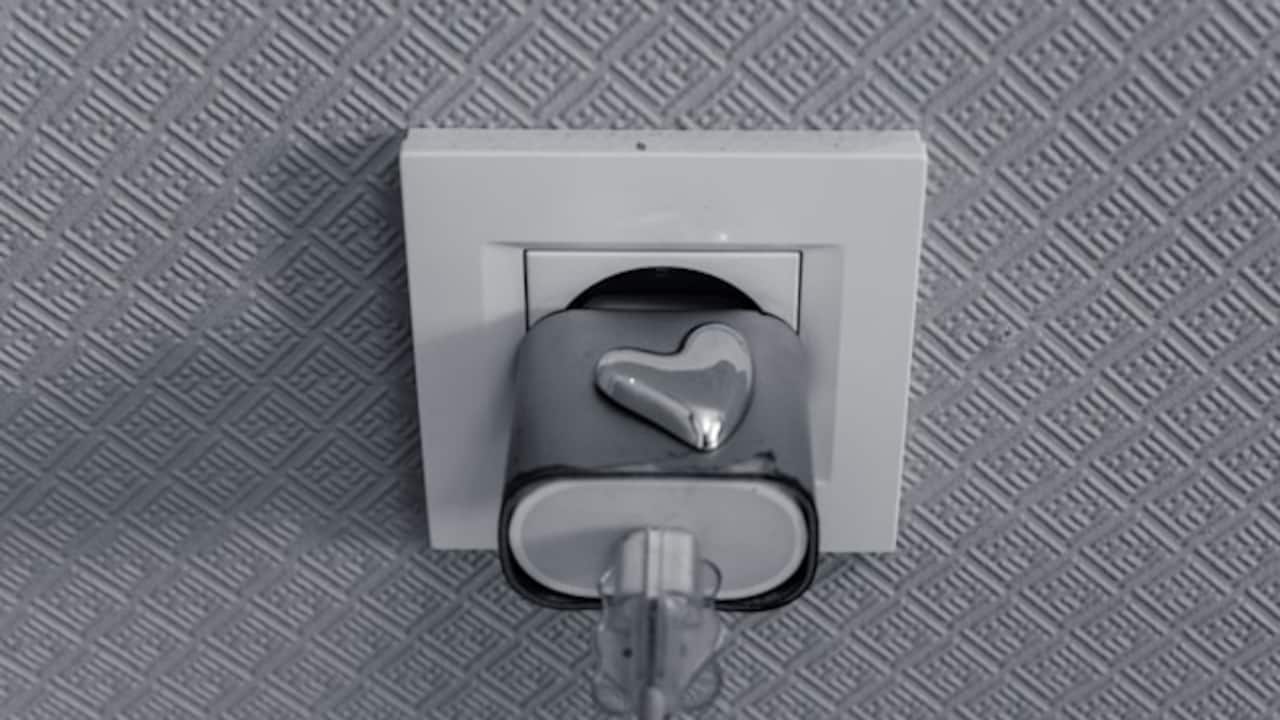
10 things to know about smart plugs
Walk into any modern home today, and there is a fair chance a smart plug sits quietly behind a television, a kettle, or even a set of fairy lights. These devices have slipped into daily life with little fuss, offering remote control, scheduling, and even voice commands. Switch off appliances without getting off the sofa. What could be better?
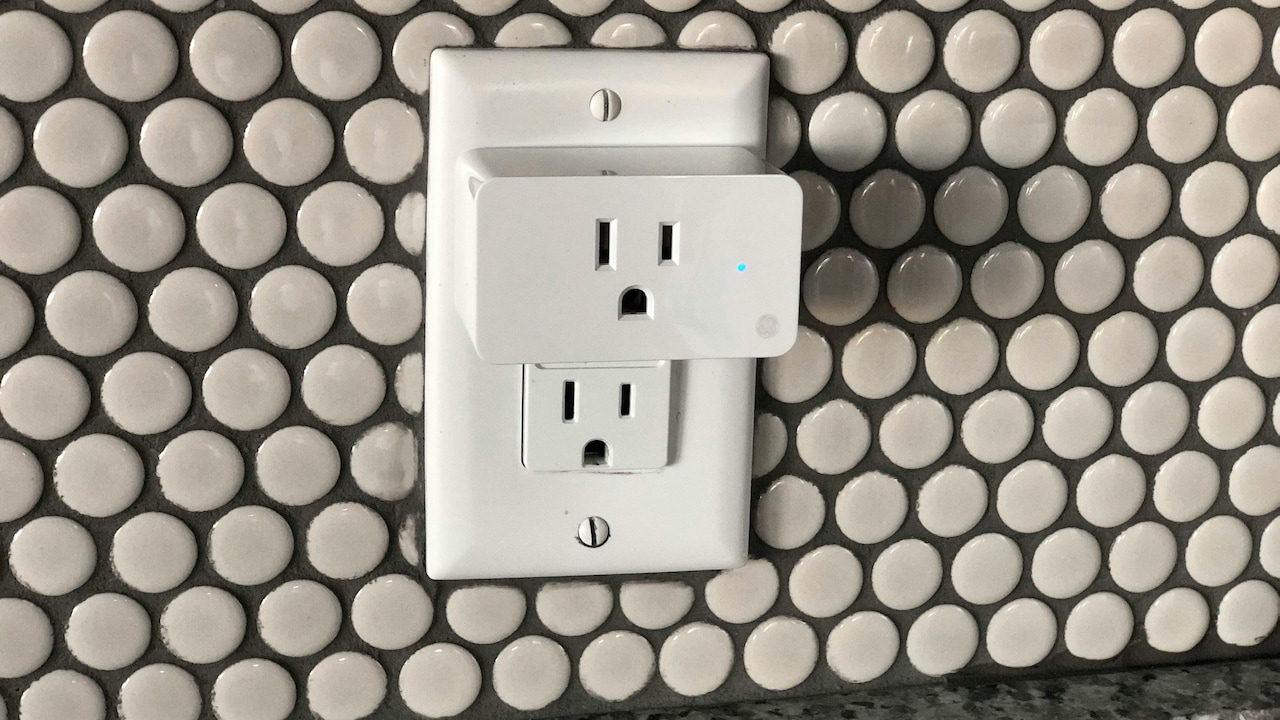
Everything about smart plug power consumption; Photo Credit: Pexels
Yet, a nagging question refuses to go away. Do smart plugs themselves consume electricity even when they are not actively powering anything? And if they do, is the saving worth the investment?
Electricity bills, after all, have a way of surprising households. One month, everything seems fine, and the next, a spike appears without warning. It is only natural to question every device plugged into the wall. Smart plugs, ironically designed to save energy, often become suspects.
This article unpacks the reality behind standby power consumption. It cuts through myths, examines real-world usage, and offers clarity for anyone wondering whether these devices are clever allies or silent energy consumers.
Also Read: Best High-Amperage Smart Plugs, From Wipro, Qubo To Philips, For Old Appliances And Vintage Homes
Breaking Down Smart Plug Power Consumption In Everyday Use
Understanding What Smart Plugs Actually Do
At first glance, a smart plug looks like a simple adapter. Plug it into a socket, connect an appliance, and control it through a mobile app. But behind that simplicity lies a tiny computer with Wi-Fi connectivity, sensors, and control circuits.
Unlike a traditional switch, a smart plug never truly sleeps. It remains connected to the network, waiting for commands. Whether it is a signal from a phone or a voice assistant, the plug needs to stay alert. That constant readiness requires power, even when the appliance it controls is switched off.
Think of it like a watchman at a building gate. Even if no one enters or exits, the watchman cannot leave. The same applies here. The plug consumes a small amount of electricity just to stay connected and responsive.
This baseline consumption is often referred to as standby power or phantom load. While the idea may sound alarming, the actual numbers tell a more balanced story. Most smart plugs use between 0.5 to 2 watts in standby mode, which is surprisingly low.
The real question is not whether they consume power, but whether the convenience and potential savings outweigh this small, constant usage.
The Standby Power Myth: Bigger Fear Than Reality?
Standby power has long been painted as a villain in household energy use. Stories of devices quietly draining electricity overnight have made many cautious, even suspicious.
However, the numbers often get exaggerated. A smart plug consuming around 1 watt continuously would use roughly 24 watt-hours per day. Over a month, that translates to about 0.72 units of electricity. Even at ₹8 per unit, the cost barely crosses ₹6 per month.
That is less than the price of a cup of roadside tea.
The myth grows stronger because people tend to focus on the idea of “always on” rather than actual consumption. It feels wasteful, even if the impact is small. But in reality, many traditional devices, such as set-top boxes, chargers, and routers, consume far more standby power.
In fact, the biggest contributors to phantom load are often overlooked. A television on standby can consume several watts, and a Wi-Fi router runs 24/7 without much thought.
Compared to these, smart plugs sit on the lower end of the spectrum. The fear, therefore, comes more from perception than measurable impact.
Do Smart Plugs Actually Save Electricity?
Here is where things get interesting. While smart plugs consume a small amount of power themselves, they can help reduce overall energy usage when used wisely.
Consider common household habits. A phone charger was left plugged in all day. A water heater was accidentally left on. Decorative lights glowing long after bedtime. These small lapses add up over time.
Smart plugs tackle exactly this problem. With scheduling features, appliances can switch off automatically. Remote access ensures nothing stays on unnecessarily. Some plugs even track energy usage, offering insights that were once difficult to access.
For instance, switching off a 1000-watt appliance just one hour earlier each day saves far more electricity than the plug consumes in a month. The difference is not subtle; it is significant.
In this sense, smart plugs act less like energy consumers and more like energy managers. Their value lies not in their own efficiency, but in how they influence overall usage patterns.
The Hidden Cost Of Convenience
Convenience often comes with a price, though not always in obvious ways. Smart plugs add a layer of digital control to everyday appliances, but they also introduce dependency on connectivity and apps.
Each plug connects to Wi-Fi, contributing to network traffic. While this does not directly increase electricity bills in a noticeable way, it adds to the broader ecosystem of always-on devices.
There is also the temptation to automate everything. Lights, fans, and chargers are all controlled remotely. While this sounds efficient, it can sometimes lead to overuse. After all, switching something on remotely feels easier than walking to a switchboard.
The real cost, therefore, is not just electrical but behavioural. Technology shapes habits, and habits shape consumption. A smart plug can save energy, but only if used with intention.
Without mindful usage, it risks becoming just another device quietly adding to the background load.
Comparing Smart Plugs To Traditional Standby Devices
To truly understand smart plug consumption, it helps to compare them with familiar devices. A typical LED television on standby may consume 3 to 5 watts. A gaming console can go even higher. Chargers left plugged in without devices still draw small amounts of power.
Against this backdrop, smart plugs appear modest. Their consumption is closer to that of a small night lamp, often even less.
What sets them apart is control. Traditional devices remain on standby without offering any way to reduce their consumption remotely. Smart plugs, on the other hand, can cut off power completely when not needed.
This ability changes the equation. Instead of adding to standby consumption, they can actively reduce it across multiple devices.
The comparison highlights an important point. Smart plugs are not the problem; unmanaged standby devices are. When used strategically, smart plugs can become a solution rather than a concern.
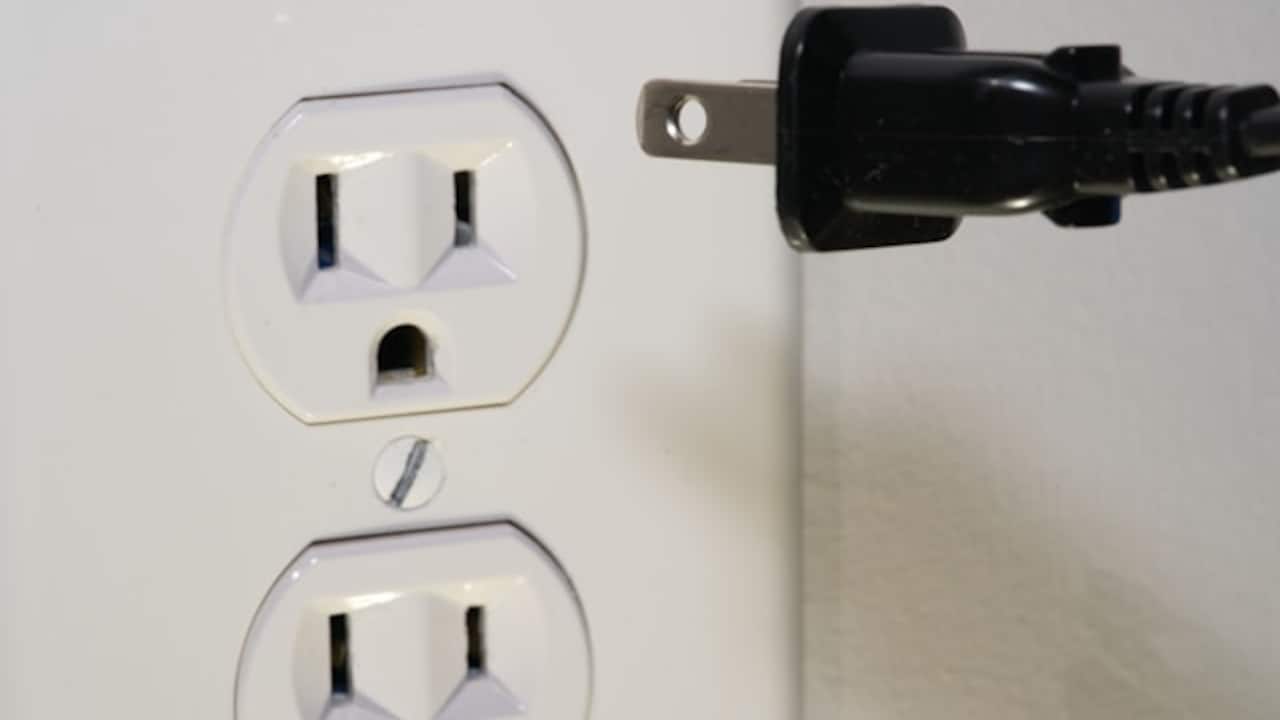
Smart plugs can provide solutions to unmanaged standby devices ; Photo Credit: Unsplash
Energy Monitoring: A Game Changer
One of the most underrated features of smart plugs is energy monitoring. Many models provide real-time data on how much electricity an appliance consumes.
This insight can be eye-opening. A seemingly harmless device might turn out to be an energy hog. A water pump, an old refrigerator, or even a set of decorative lights can quietly push up electricity bills.
Seeing actual numbers changes behaviour. Instead of guessing, households can make informed decisions. Should that appliance stay on? Is it worth upgrading to a more efficient model?
Over time, these small decisions add up. The smart plug becomes more than a switch; it turns into a diagnostic tool.
The irony is striking. A device that consumes a tiny amount of power helps identify and eliminate much larger sources of waste. In doing so, it justifies its own existence.
Are Smart Plugs Worth The Investment?
The answer depends on usage patterns. For someone who rarely forgets to switch off appliances, the savings may be minimal. The plug becomes a convenience tool rather than an energy-saving device.
However, in households with multiple devices and busy routines, the benefits become clearer. Automated schedules, remote control, and usage tracking create opportunities for real savings.
Consider the cost. A decent smart plug might cost anywhere between ₹700 and ₹2,000. At first glance, it may seem like a luxury. But if it helps reduce even a small portion of monthly electricity bills, it begins to pay for itself over time.
The value also lies in peace of mind. No more wondering whether the iron was left on or the lights were forgotten. That reassurance, while difficult to quantify, carries its own worth.
Ultimately, the decision is less about the plug and more about lifestyle. It fits best where convenience and awareness go hand in hand.
Common Misconceptions Around Smart Plug Usage
Several misconceptions surround smart plugs, often leading to confusion. One common belief is that they drastically increase electricity bills due to constant connectivity. As discussed earlier, their standby consumption is minimal.
Another myth is that they are only useful for tech enthusiasts. In reality, their functionality is simple and accessible. Setting up schedules or switching devices on and off through an app requires little technical knowledge.
Some also assume that smart plugs can handle any appliance. This is not always true. High-power devices like air conditioners or heavy machinery may exceed their capacity, making it important to choose the right model.
Perhaps the most persistent misconception is that smart plugs automatically save energy. They do not. They provide the tools to do so. The actual savings depend on how those tools are used.
Understanding these nuances helps set realistic expectations and avoid disappointment.
Practical Ways To Maximise Efficiency
Making the most of a smart plug involves more than just plugging it in. Thoughtful placement and usage can significantly enhance its effectiveness.
Appliances that are frequently left on unintentionally are ideal candidates. Chargers, entertainment systems, and decorative lighting often fall into this category.
Scheduling is another powerful feature. Setting fixed times for devices to turn off ensures consistency. It removes the reliance on memory and reduces the chances of unnecessary usage.
Energy monitoring can guide further decisions. Identifying high-consumption devices allows for targeted action, whether it is reducing usage or upgrading to more efficient alternatives.
Even small changes, like switching off a device an hour earlier each day, can lead to noticeable savings over time.
The key lies in awareness. A smart plug provides control, but it is the user who decides how effectively that control is exercised.
The Bigger Picture: Smart Homes And Energy Awareness
Smart plugs represent a small step towards a larger shift in how households interact with energy. As homes become more connected, awareness of electricity usage increases.
This shift is not just about technology but mindset. Instead of treating electricity as an invisible resource, people begin to see it as something measurable and manageable.
Smart plugs play a role in this transformation. They bridge the gap between traditional appliances and modern control systems. Without replacing existing devices, they bring them into the smart ecosystem.
Over time, this can lead to broader changes. From choosing energy-efficient appliances to adopting sustainable habits, the impact extends beyond a single device.
In this sense, the conversation about smart plug consumption becomes part of a larger narrative. It is not just about watts and units, but about how technology shapes everyday choices.
Products Related To This Article
1. Wipro 10A smart plug with Energy monitoring- Suitable for small appliances like TVs
2. Lifelong Electronics 10A WiFi Smart Power Plug for Home Automation
3. Qubo 10A Wi-Fi + Bluetooth Smart Plug
4. HomeMate WiFi Smart Plug Socket 16A
5. Tapo P110 16A Wi-Fi Smart Plug with Energy Monitoring
The idea that smart plugs quietly drain electricity and inflate bills is more myth than reality. Yes, they consume a small amount of power in standby mode, but the impact on monthly expenses is minimal.
What truly matters is how they are used. With thoughtful application, smart plugs can reduce unnecessary consumption, offer valuable insights, and bring a new level of control to everyday appliances.
They are not magic devices that guarantee savings. Instead, they act as enablers, helping households make better decisions. The real benefit lies in awareness, convenience, and the ability to manage energy more effectively.
In the end, the standby power myth fades when placed against real-world numbers. What remains is a simple truth: smart plugs, when used wisely, are less about consuming power and more about taking control of it.
(Disclaimer: This article may include references to or features of products and services made available through affiliate marketing campaigns. NDTV Convergence Limited (“NDTV”) strives to maintain editorial independence while participating in such campaigns. NDTV does not assume responsibility for the performance or claims of any featured products or services.)